Alkylation vs. Isomerization: Which Process Boosts Octane More Efficiently?
JUN 19, 2025 |
The efficiency of a fuel in an internal combustion engine is largely determined by its octane rating. Octane rating is a measure of a fuel's ability to resist knocking or pinging during combustion, which is crucial for engine performance and longevity. As the demand for higher octane fuels increases, refiners have turned to processes like alkylation and isomerization to enhance gasoline's octane value. But which process is more efficient in boosting octane?
Understanding Alkylation
Alkylation is a refining process that combines light olefins, such as propylene and butylene, with isobutane in the presence of an acid catalyst to form alkylate. The alkylate produced is a high-octane blending component that is highly valued in gasoline production. The acid catalyst is typically sulfuric acid or hydrofluoric acid, both of which facilitate the reaction to form branched-chain hydrocarbons that are ideal for high-octane applications.
Advantages of Alkylation
The alkylation process is known for producing one of the cleanest and highest-octane blending components available. Alkylate possesses a high octane number, often exceeding 90, making it a valuable asset in formulating premium gasoline. Additionally, alkylation helps reduce environmental pollutants, as the final product contains fewer sulfur and aromatic compounds compared to other gasoline components.
Challenges in Alkylation
Despite its advantages, alkylation has some challenges. The use of acid catalysts poses significant safety and environmental risks, requiring careful handling and disposal. Furthermore, the process can be expensive due to the high cost of catalysts and the need for specialized equipment. These factors can limit the widespread adoption of alkylation in some refineries.
Exploring Isomerization
Isomerization is another process employed to boost octane levels. Unlike alkylation, isomerization involves the rearrangement of straight-chain hydrocarbons into branched-chain hydrocarbons without adding new molecules. This process is typically applied to low-octane naphtha streams to enhance their octane rating. Catalysts used in isomerization include platinum-based materials that facilitate the conversion at relatively low temperatures.
Advantages of Isomerization
Isomerization offers several benefits, including the ability to improve octane levels without significant feedstock changes. This process is particularly useful for treating low-octane naphtha, transforming it into a more valuable component of gasoline blends. Isomerization typically operates under milder conditions than alkylation, reducing the risk associated with hazardous materials and extreme temperatures.
Challenges in Isomerization
However, isomerization is not without its limitations. The octane boost achieved through isomerization is generally lower than that obtained through alkylation. Isomerized products often reach octane numbers in the mid-80s, which may not be sufficient for premium gasoline blends. Additionally, the catalysts used in isomerization can be costly and require periodic regeneration to maintain efficiency.
Comparative Efficiency in Octane Boost
When comparing alkylation and isomerization, the efficiency in octane boost heavily depends on the initial feedstock and desired fuel composition. Alkylation tends to deliver a higher octane increase, making it more suitable for producing premium-grade gasoline. On the other hand, isomerization provides a cost-effective solution for improving octane in lower-grade fuel streams.
Conclusion: Choosing the Right Process
Ultimately, the choice between alkylation and isomerization depends on the specific needs and capabilities of the refinery. For those seeking significant octane enhancement, alkylation remains the superior option, albeit with higher costs and safety considerations. Isomerization, while offering a moderate octane boost, provides a more economical and safer alternative under certain conditions. Refiners must weigh these factors carefully to determine which process aligns best with their operational goals and market demands.
Discover Patsnap Eureka: AI Agents Built for Scientific Innovation
Whether you're designing the next generation of refining technologies or analyzing catalysts and process flows, keeping up with rapidly evolving research and IP data in petroleum processing is no easy task.
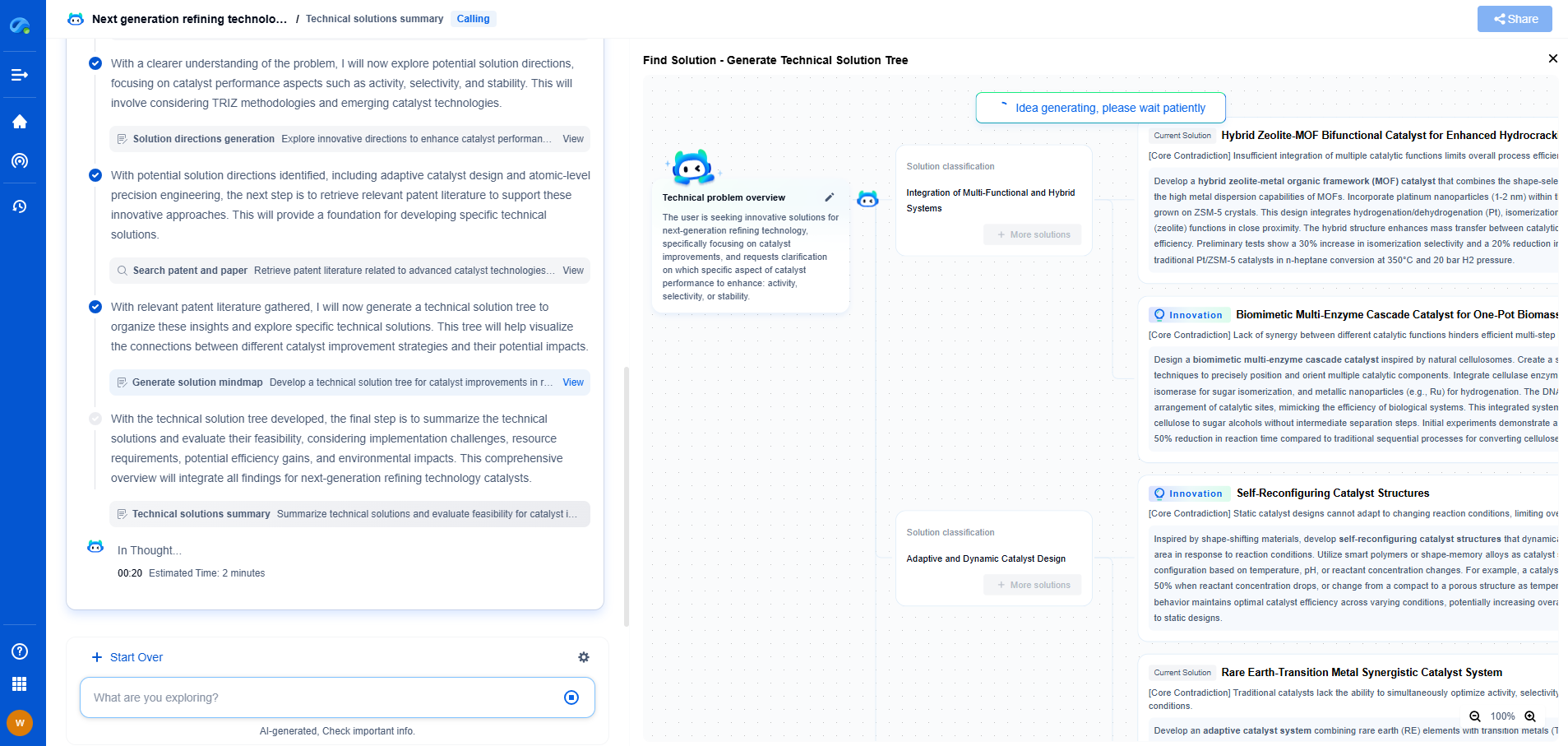
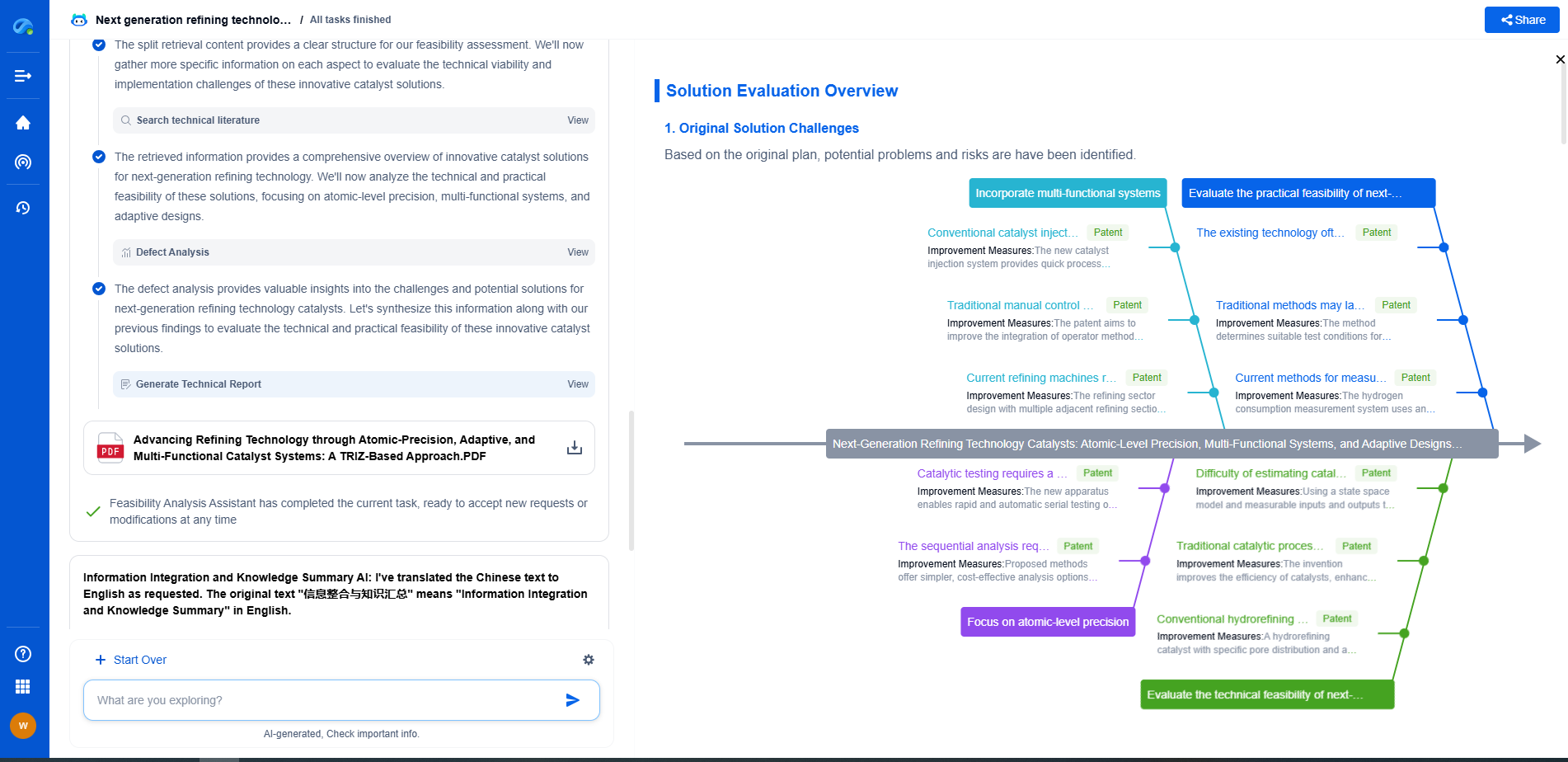
Patsnap Eureka, our intelligent AI assistant built for R&D professionals in high-tech sectors, empowers you with real-time expert-level analysis, technology roadmap exploration, and strategic mapping of core patents—all within a seamless, user-friendly interface.
Ready to accelerate your innovation process and make smarter, faster decisions? Discover Patsnap Eureka today and unlock the full power of confident, AI-driven innovation.
Features
- R&D
- Intellectual Property
- Life Sciences
- Materials
- Tech Scout
Why Patsnap Eureka
- Unparalleled Data Quality
- Higher Quality Content
- 60% Fewer Hallucinations
Social media
Patsnap Eureka Blog
Learn More Browse by: Latest US Patents, China's latest patents, Technical Efficacy Thesaurus, Application Domain, Technology Topic, Popular Technical Reports.
© 2025 PatSnap. All rights reserved.Legal|Privacy policy|Modern Slavery Act Transparency Statement|Sitemap|About US| Contact US: help@patsnap.com