Comparing ASTM and ISO test methods for fuel quality
JUN 19, 2025 |
Fuel quality is a critical aspect impacting engine performance, emissions, and overall environmental health. Consequently, standardization organizations like ASTM International and the International Organization for Standardization (ISO) have developed comprehensive test methods to ensure fuel quality. This blog delves into the comparison between ASTM and ISO test methods, highlighting their similarities, differences, and applications in the industry.
The Role of ASTM in Fuel Quality Testing
ASTM International, originally known as the American Society for Testing and Materials, is a globally recognized leader in developing standards across various industries. In the realm of fuel testing, ASTM provides a suite of methods focusing on different properties of fuels, such as volatility, viscosity, and contamination levels.
One of the widely referenced ASTM standards is the ASTM D975, which specifies the requirements for diesel fuels. It includes tests for sulfur content, cetane number, and distillation characteristics, among others. Additionally, ASTM D4814 governs gasoline quality, addressing volatility, octane rating, and vapor pressure, ensuring that fuels meet specific performance and regulatory requirements.
ISO's Approach to Fuel Quality Assessment
The International Organization for Standardization (ISO) develops standards to ensure quality, safety, efficiency, and interoperability across industries worldwide. ISO standards for fuel quality often align with international trade needs, promoting consistency and reliability in fuel supplies globally.
ISO 8217 is a prominent standard relating to marine fuel specifications. It outlines the requirements for marine fuel oils, focusing on parameters such as viscosity, density, and sulfur content. ISO also has standards like ISO 4259 for the determination of precision in methods of testing petroleum products, which guides laboratories in the accurate analysis of fuel properties.
Comparing ASTM and ISO Test Methods
While both ASTM and ISO aim to ensure high-quality fuel standards, there are differences in their approaches and focus areas. ASTM's methods are often more prevalent in the United States, reflecting domestic regulatory and industry requirements. In contrast, ISO standards are designed for international applicability, facilitating global trade and operation.
The methodologies adopted by ASTM and ISO can vary slightly. For instance, ASTM might have specific methods for testing fuel stability and corrosion characteristics that differ in detail from ISO's methods. However, both organizations emphasize precision, repeatability, and reliability in their testing protocols, ensuring that their standards effectively safeguard fuel quality.
Applications in the Industry
Both ASTM and ISO test methods play crucial roles in refining, manufacturing, and quality assurance processes within the fuel industry. Companies operating domestically in the U.S. might primarily adhere to ASTM standards, integrating them into their quality control workflows. Conversely, multinational corporations and those involved in international shipping often align with ISO standards to meet the diverse requirements of different countries.
Moreover, regulatory bodies and environmental agencies frequently reference these standards to enforce compliance and promote environmental sustainability. Adherence to these standards ensures that fuels not only perform well but also minimize adverse environmental impacts.
Conclusion: Ensuring Quality through Standardization
In the complex landscape of fuel production and consumption, the harmonization of standards is vital. Both ASTM and ISO play indispensable roles in maintaining fuel quality, albeit with different focal points and methodologies. Understanding the nuances of these standards is crucial for industry stakeholders, ensuring that they can navigate regulatory landscapes effectively while delivering high-quality, reliable fuels to the market.
By adhering to these internationally recognized standards, the fuel industry can continue to innovate and operate efficiently, meeting the evolving demands of consumers and regulatory bodies alike.
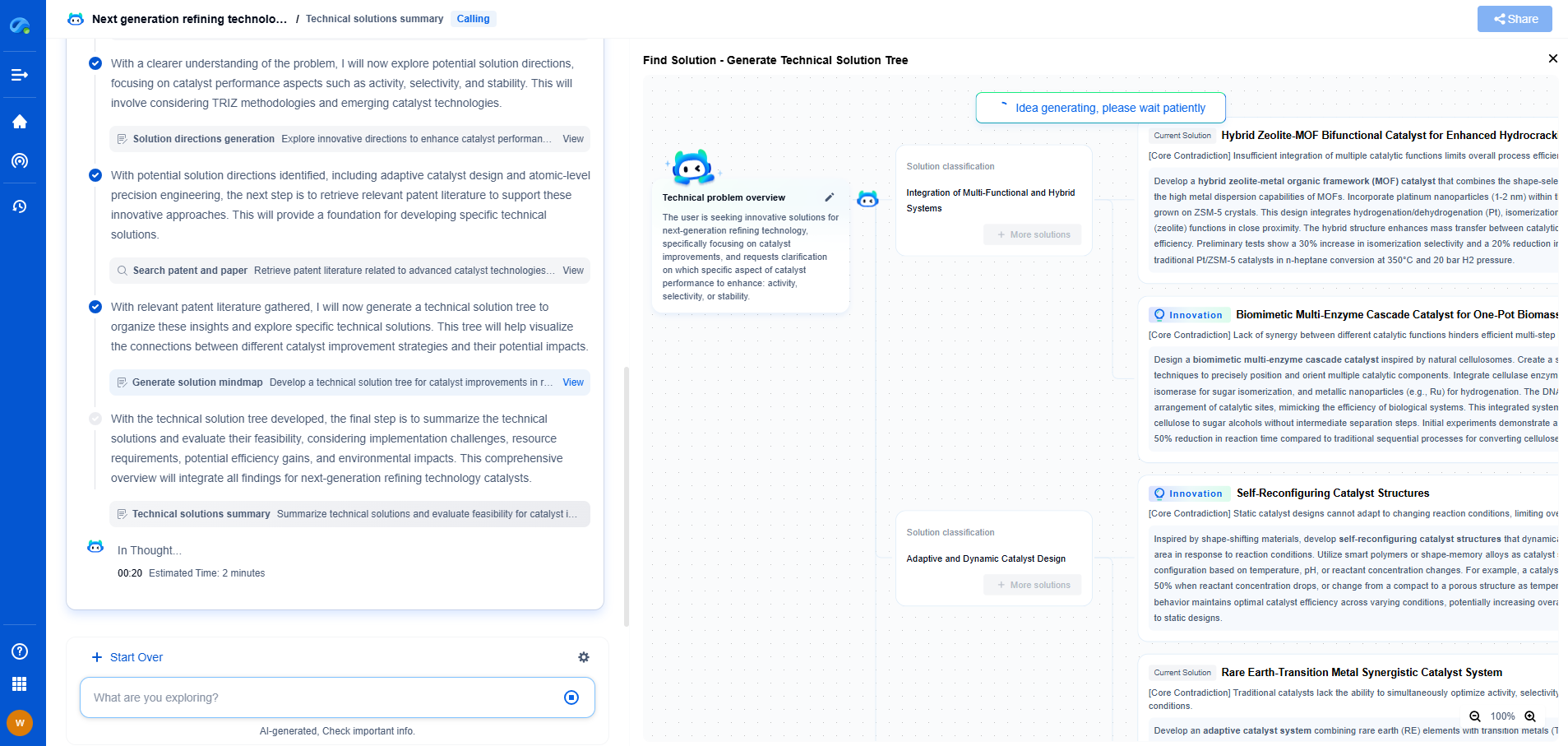
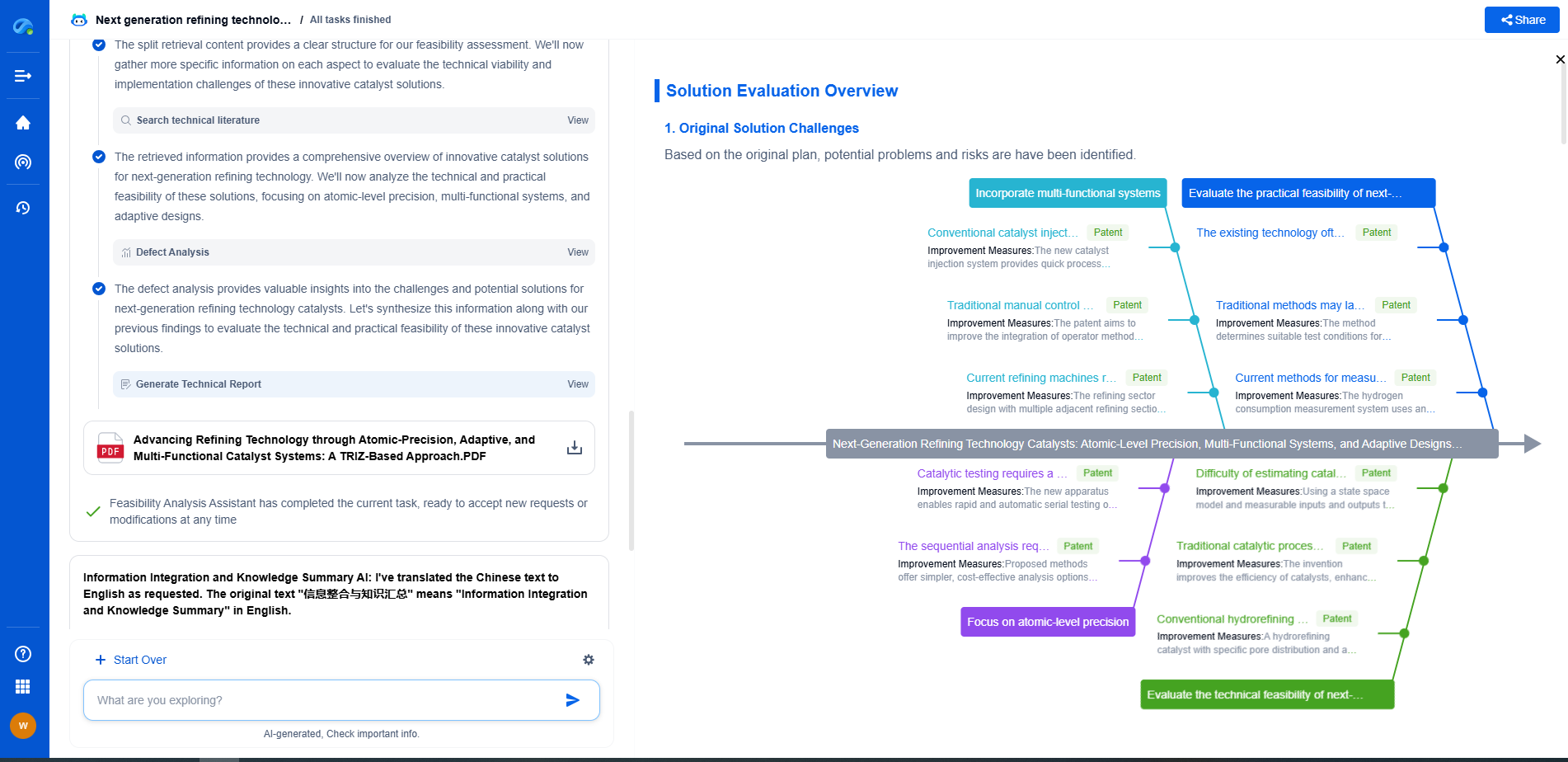
Discover Patsnap Eureka: AI Agents Built for Scientific Innovation
Whether you're designing the next generation of refining technologies or analyzing catalysts and process flows, keeping up with rapidly evolving research and IP data in petroleum processing is no easy task.
Patsnap Eureka, our intelligent AI assistant built for R&D professionals in high-tech sectors, empowers you with real-time expert-level analysis, technology roadmap exploration, and strategic mapping of core patents—all within a seamless, user-friendly interface.
Ready to accelerate your innovation process and make smarter, faster decisions? Discover Patsnap Eureka today and unlock the full power of confident, AI-driven innovation.