How to Minimize Catalyst Deactivation in Hydroprocessing Units
JUN 19, 2025 |
Understanding Catalyst Deactivation
Catalyst deactivation in hydroprocessing units can occur due to several factors, including coke deposition, metal contamination, and sintering. These factors can significantly reduce the surface area and active sites of the catalyst, leading to a decline in catalytic activity and selectivity. Understanding these mechanisms is vital for developing strategies to mitigate their effects.
Coke Deposition Control
Coke formation is a common cause of catalyst deactivation in hydroprocessing units. It occurs from the polymerization and condensation of hydrocarbons on the catalyst surface, ultimately blocking active sites. To minimize coke deposition, it is essential to optimize operating conditions such as temperature, pressure, and hydrogen partial pressure. Maintaining lower temperatures and higher hydrogen concentrations can suppress coke formation. Additionally, periodic regeneration of the catalyst through controlled combustion of coke can help restore its activity.
Managing Metal Contamination
Metal contaminants such as nickel, vanadium, and iron can accumulate on the catalyst surface, leading to deactivation. These metals often come from crude oil or feedstock impurities. To manage metal contamination, refiners can employ several strategies. Pre-treating feedstocks to remove metals through hydrotreating or using guard beds is an effective approach. Additionally, selecting catalysts with higher resistance to metal poisoning, or those that can trap metals away from active sites, can extend the catalyst life.
Preventing Catalyst Sintering
Sintering involves the agglomeration of catalyst particles at high temperatures, resulting in a loss of surface area and active sites. To prevent sintering, it is crucial to control the operating temperature within optimal ranges. Furthermore, using thermally stable supports and additives can enhance the structural integrity of the catalyst, minimizing sintering risks. Regular monitoring and adjustments based on catalyst performance data can help maintain ideal conditions and prevent sintering.
Optimizing Feedstock Quality
The quality of the feedstock has a significant impact on catalyst life. High levels of impurities such as sulfur, nitrogen, and metals can accelerate deactivation. Therefore, improving feedstock quality through better crude selection and pre-treatment processes can reduce the burden on the catalyst. Employing advanced separation techniques and utilizing cleaner feedstocks can significantly enhance catalyst performance and longevity.
Implementing Advanced Catalyst Designs
The development and implementation of advanced catalyst designs can also help mitigate deactivation. Catalysts with higher surface areas, more accessible active sites, and improved resistance to contaminants can offer better performance. Innovations such as bifunctional catalysts and catalysts with enhanced dispersion of active metals can provide increased resistance to deactivation processes. Collaborating with catalyst suppliers to tailor catalyst formulations to specific feedstock and operational conditions can yield significant improvements.
Regular Monitoring and Maintenance
Proactive catalyst management is essential for minimizing deactivation. Regular monitoring of catalyst activity, selectivity, and pressure drop is crucial in detecting early signs of deactivation. Implementing predictive maintenance strategies and using advanced analytical techniques can enable timely interventions to address potential issues. Scheduled maintenance shutdowns for catalyst regeneration or replacement should be planned strategically to minimize downtime and maintain unit efficiency.
Conclusion
Catalyst deactivation in hydroprocessing units poses a significant challenge but can be effectively managed through a combination of strategies. By controlling coke deposition, managing metal contamination, preventing sintering, optimizing feedstock quality, utilizing advanced catalyst designs, and implementing regular monitoring and maintenance, refiners can extend catalyst life and enhance unit performance. These measures ensure that hydroprocessing units continue to deliver optimal results, contributing to the overall efficiency and profitability of the refining operation.
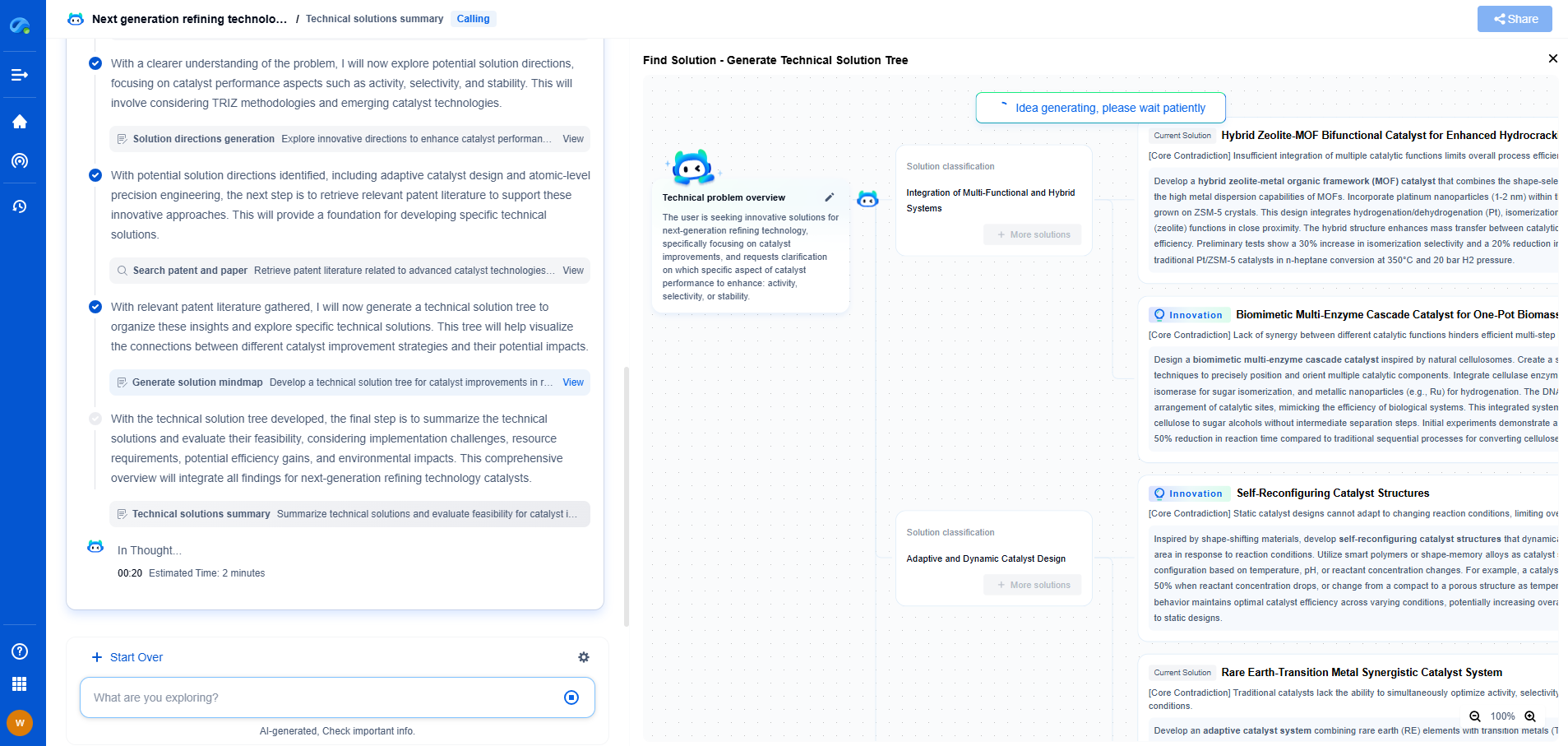
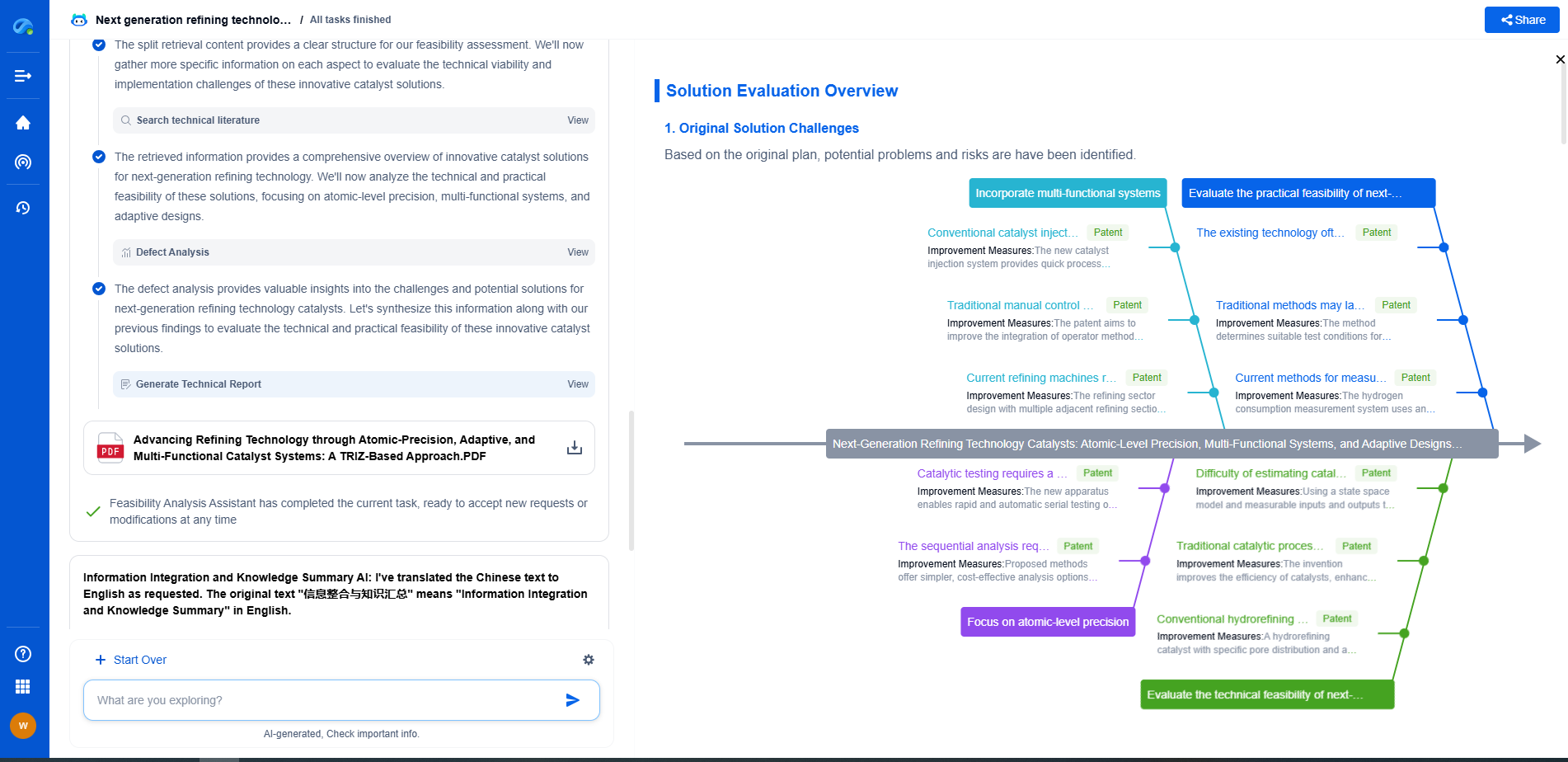
Discover Patsnap Eureka: AI Agents Built for Scientific Innovation
Whether you're designing the next generation of refining technologies or analyzing catalysts and process flows, keeping up with rapidly evolving research and IP data in petroleum processing is no easy task.
Patsnap Eureka, our intelligent AI assistant built for R&D professionals in high-tech sectors, empowers you with real-time expert-level analysis, technology roadmap exploration, and strategic mapping of core patents—all within a seamless, user-friendly interface.
Ready to accelerate your innovation process and make smarter, faster decisions? Discover Patsnap Eureka today and unlock the full power of confident, AI-driven innovation.