Monomer Precursors for 3D Printable Polymers: What’s Available?
JUL 3, 2025 |
In the rapidly evolving world of 3D printing, polymers play a crucial role due to their versatility, strength, and adaptability. At the heart of these materials are monomer precursors, the building blocks that determine the properties of the final polymer. Understanding the available monomer precursors can guide researchers and manufacturers in selecting the right materials for specific applications. In this blog, we will explore the various monomer precursors available for 3D printable polymers, focusing on their properties, applications, and benefits.
**Commonly Used Monomer Precursors**
1. **Acrylates and Methacrylates**
Acrylates and methacrylates are among the most common monomer precursors utilized in 3D printing. Known for their rapid polymerization and diverse range of properties, these monomers are ideal for creating detailed and intricate designs. Their versatility stems from the wide variety of functional groups that can be attached, allowing for customization of mechanical strength, flexibility, and thermal resistance. Acrylate-based resins are prominently used in applications requiring transparency and UV stability.
2. **Epoxy Resins**
Epoxy resins are renowned for their excellent adhesive properties and high mechanical strength. Monomer precursors for epoxy resins typically involve bisphenol A or F, which provide superior chemical resistance and thermal stability. These resins are often used in industries where durability and structural integrity are paramount, such as in aerospace and automotive sectors. The rigidity and toughness of epoxy-based polymers make them suitable for creating robust 3D printed parts.
3. **Polyurethanes**
Polyurethane monomer precursors offer exceptional flexibility and abrasion resistance, making them suitable for applications where elasticity is key. The versatility of polyurethanes stems from the broad range of diisocyanates and polyols available, enabling the production of everything from soft, rubber-like materials to rigid foams. This adaptability makes polyurethane precursors an excellent choice for products like footwear soles, flexible joints, and medical devices.
**Emerging Monomer Precursors**
1. **Biodegradable Polymers**
As sustainability becomes increasingly important, the focus on biodegradable monomer precursors has intensified. Polylactic acid (PLA) is a prime example, derived from renewable resources like corn starch or sugarcane. PLA is widely used for consumer goods due to its biodegradability and ease of printing. Other biodegradable monomers, such as polyhydroxyalkanoates (PHA) and polycaprolactone (PCL), are being explored for medical applications where biocompatibility and environmental impact are critical considerations.
2. **Conductive Polymers**
The demand for 3D printed electronic devices has spurred interest in conductive monomer precursors. Polyaniline and polypyrrole are examples of conductive polymers that can be used to create flexible electronic components. These materials are pivotal in developing wearable technology and printed electronics, where traditional conductive materials may not be feasible. The ability to print conductive pathways directly into products opens new avenues for innovation.
**Factors Influencing Monomer Selection**
1. **Mechanical Properties**
When selecting a monomer precursor, the desired mechanical properties of the final product must be considered. Factors such as tensile strength, elasticity, and impact resistance are crucial depending on the application. For example, an aerospace component may require high strength and heat resistance, while a medical implant might prioritize biocompatibility and flexibility.
2. **Environmental and Regulatory Considerations**
Sustainability and regulatory compliance are becoming essential in material selection. Monomers derived from renewable resources or those that degrade under environmental conditions are gaining traction. Additionally, meeting regulatory standards, particularly in industries like healthcare and food packaging, can dictate the choice of monomer precursors.
3. **Cost and Availability**
Cost-effectiveness and availability are practical considerations that can influence the choice of monomers. While novel monomer precursors may offer advanced properties, their higher cost or limited availability can be a barrier to widespread adoption. Balancing performance with cost is crucial for practical applications.
**Conclusion**
The landscape of monomer precursors for 3D printable polymers is vast and continuously evolving. From traditional acrylates to cutting-edge biodegradable options, the selection of the right monomer can greatly impact the performance, sustainability, and feasibility of 3D printed products. As technology advances, the development of new monomers will continue to expand the possibilities for 3D printing, paving the way for innovative applications across various industries. Understanding the properties and applications of these monomer precursors is essential for leveraging the full potential of 3D printing technologies.
Transform Polymeric Innovation with Patsnap Eureka
From biodegradable polymers to high-performance composites, the world of polymeric compounds is evolving faster than ever—driven by the demands of sustainability, functional customization, and global IP competition. Whether you're exploring novel copolymer architectures, optimizing polymerization techniques, or tracking material patents in bioplastics, time-to-insight is everything.
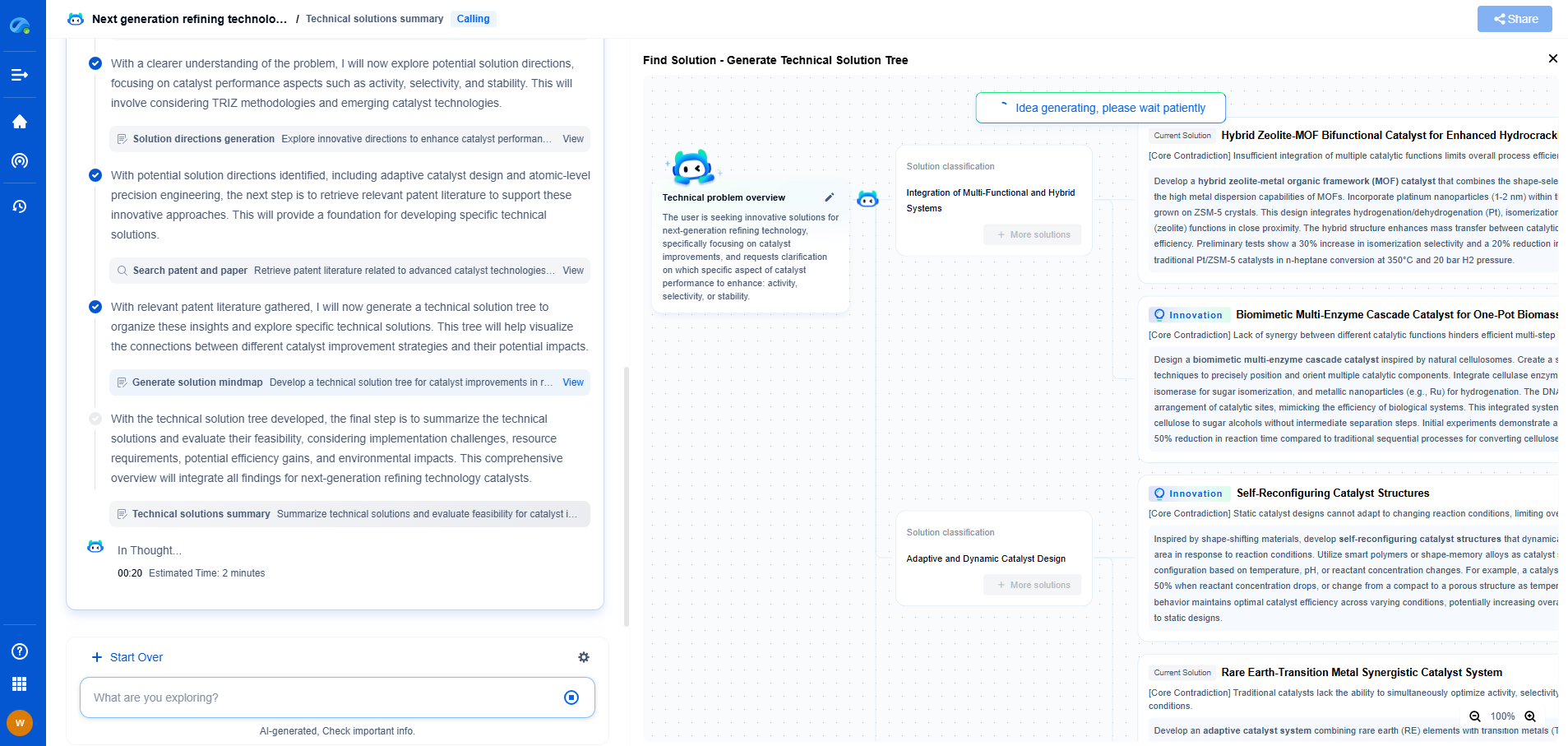
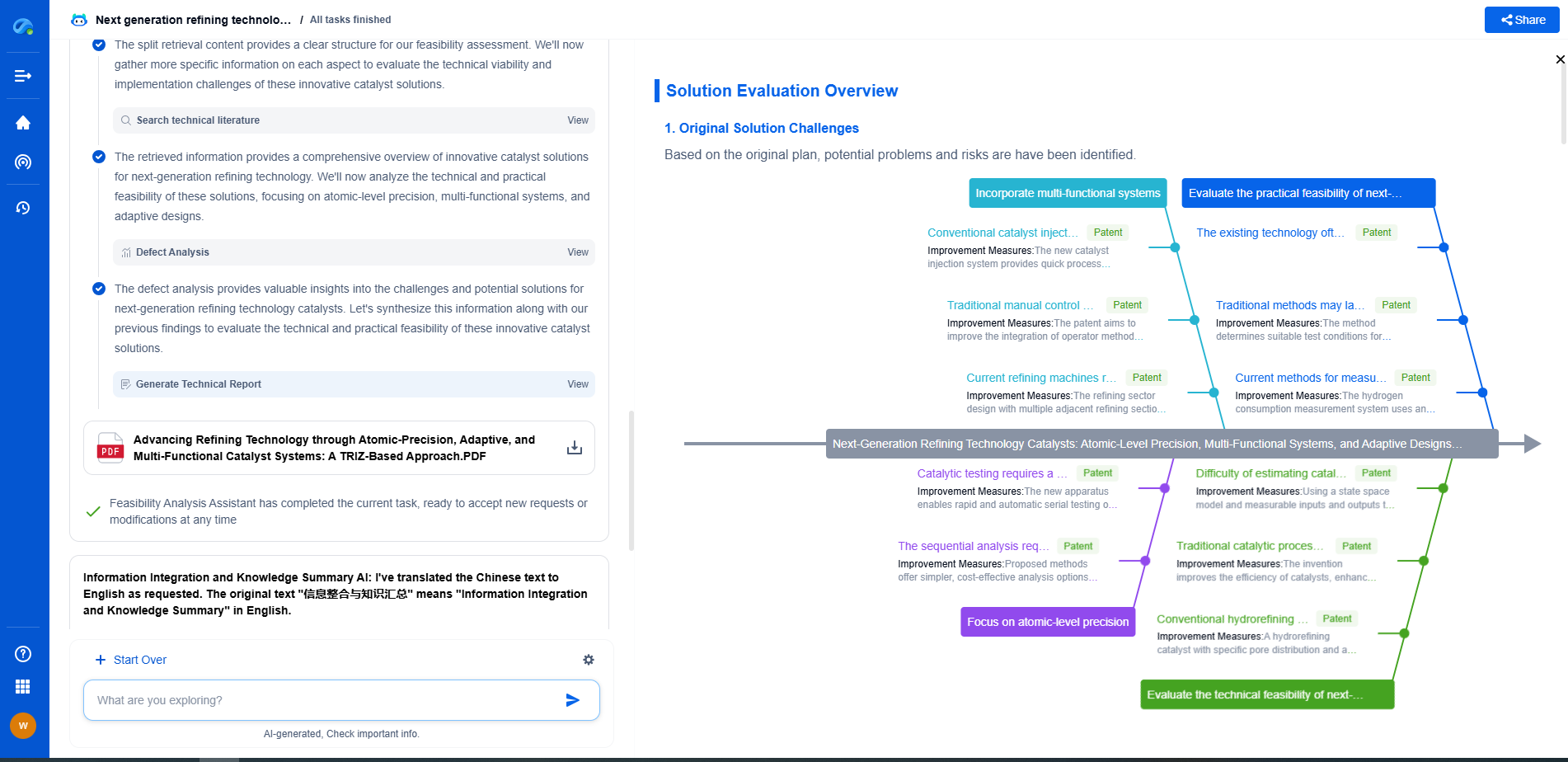
Patsnap Eureka, our intelligent AI assistant built for R&D professionals in high-tech sectors, empowers you with real-time expert-level analysis, technology roadmap exploration, and strategic mapping of core patents—all within a seamless, user-friendly interface.
Whether you're working on next-gen packaging films, bio-based resins, smart polymers for electronics, or new thermal-resistant composites, Eureka accelerates your journey from idea to patent to product—with unmatched clarity and speed.
🔍 Experience how Eureka can power your polymer R&D with AI intelligence—start your free trial today and unlock the future of materials innovation.
Features
- R&D
- Intellectual Property
- Life Sciences
- Materials
- Tech Scout
Why Patsnap Eureka
- Unparalleled Data Quality
- Higher Quality Content
- 60% Fewer Hallucinations
Social media
Patsnap Eureka Blog
Learn More Browse by: Latest US Patents, China's latest patents, Technical Efficacy Thesaurus, Application Domain, Technology Topic, Popular Technical Reports.
© 2025 PatSnap. All rights reserved.Legal|Privacy policy|Modern Slavery Act Transparency Statement|Sitemap|About US| Contact US: help@patsnap.com