Pigging vs Chemical Cleaning: Which Is More Efficient for Maintenance?
JUN 20, 2025 |
In the world of industrial maintenance, pipelines play a critical role in the transportation of fluids and gases. Ensuring these pipelines remain clean and efficient is crucial for both performance and safety. Two prevalent methods used for pipeline maintenance are pigging and chemical cleaning. Each method has its own advantages and disadvantages, and choosing the right one depends on various factors. This blog explores the key differences between pigging and chemical cleaning, providing insights into which method may be more efficient for specific maintenance needs.
Understanding Pigging
Pigging is a maintenance technique that involves inserting a device known as a "pig" into a pipeline. The pig is propelled through the pipeline by the flow of the product, cleaning the interior walls as it moves. There are several types of pigs, including foam pigs, brush pigs, and intelligent pigs, each designed for specific cleaning tasks and pipeline conditions.
Advantages of Pigging
1. **Mechanical Cleaning**: Pigging offers thorough mechanical cleaning of pipelines, effectively removing solid deposits, scale, and debris.
2. **Reduced Downtime**: Since pigging can often be performed without having to shut down the entire system, it minimizes operational downtime.
3. **Minimal Environmental Impact**: Pigging does not use chemicals, reducing the risk of environmental damage and the need for waste disposal.
4. **Versatility**: It can be used in various types of pipelines, regardless of the transported product.
Challenges of Pigging
1. **Complexity**: Some pipeline systems, especially those with bends and varied diameters, may present challenges for pigging.
2. **Initial Cost**: The setup for pigging operations, including pig launchers and receivers, can involve significant initial investment.
3. **Physical Limitations**: Not all pipelines can accommodate pigs, particularly if they have size constraints or intricate configurations.
Exploring Chemical Cleaning
Chemical cleaning involves the use of specific chemical solutions to dissolve and remove deposits from the interior surfaces of pipelines. This method is often employed in situations where mechanical cleaning might be less effective or feasible.
Advantages of Chemical Cleaning
1. **Effective for Complex Deposits**: Chemical cleaning can effectively dissolve stubborn deposits such as rust, scale, and organic matter.
2. **Flexibility**: It can be applied in pipelines with complex geometries that might be difficult for pigging.
3. **Comprehensive Cleaning**: Chemicals can reach areas that pigs might miss, ensuring a more thorough clean in some scenarios.
Challenges of Chemical Cleaning
1. **Environmental Concerns**: The use of chemicals presents potential environmental hazards, requiring careful handling and disposal.
2. **Downtime**: Chemical cleaning often requires system shutdowns, which can lead to increased downtime.
3. **Material Compatibility**: The chemicals used must be compatible with the pipeline material to prevent damage.
Comparative Analysis: Pigging vs. Chemical Cleaning
When deciding between pigging and chemical cleaning, several factors should be considered:
1. **Nature of Deposits**: Pigging is ideal for removing solid debris, while chemical cleaning excels in dissolving tough deposits.
2. **Pipeline Configuration**: Pipelines with complex configurations might benefit more from chemical cleaning, while more straightforward systems are well-suited for pigging.
3. **Environmental Impact**: If environmental considerations are a priority, pigging is the more eco-friendly option.
4. **Operational Constraints**: The need to minimize downtime might make pigging more attractive, whereas the thoroughness of chemical cleaning could outweigh downtime concerns.
Conclusion
Both pigging and chemical cleaning offer unique advantages and face specific challenges. The choice between the two largely depends on the specific maintenance needs, pipeline characteristics, and operational priorities. Understanding the strengths and limitations of each method allows for informed decision-making, ultimately ensuring efficient maintenance and the longevity of pipeline systems. By carefully evaluating the above factors, industries can select the most suitable cleaning method, optimizing both performance and cost-effectiveness.
Transform the Way You Innovate in Pipeline Technology—with AI-Powered Intelligence
From corrosion-resistant materials to smart monitoring systems and advanced flow control mechanisms, the pipeline industry is undergoing rapid technological transformation. Yet keeping up with evolving engineering solutions, regulatory landscapes, and competitive patents can be a major bottleneck for R&D and IP teams.
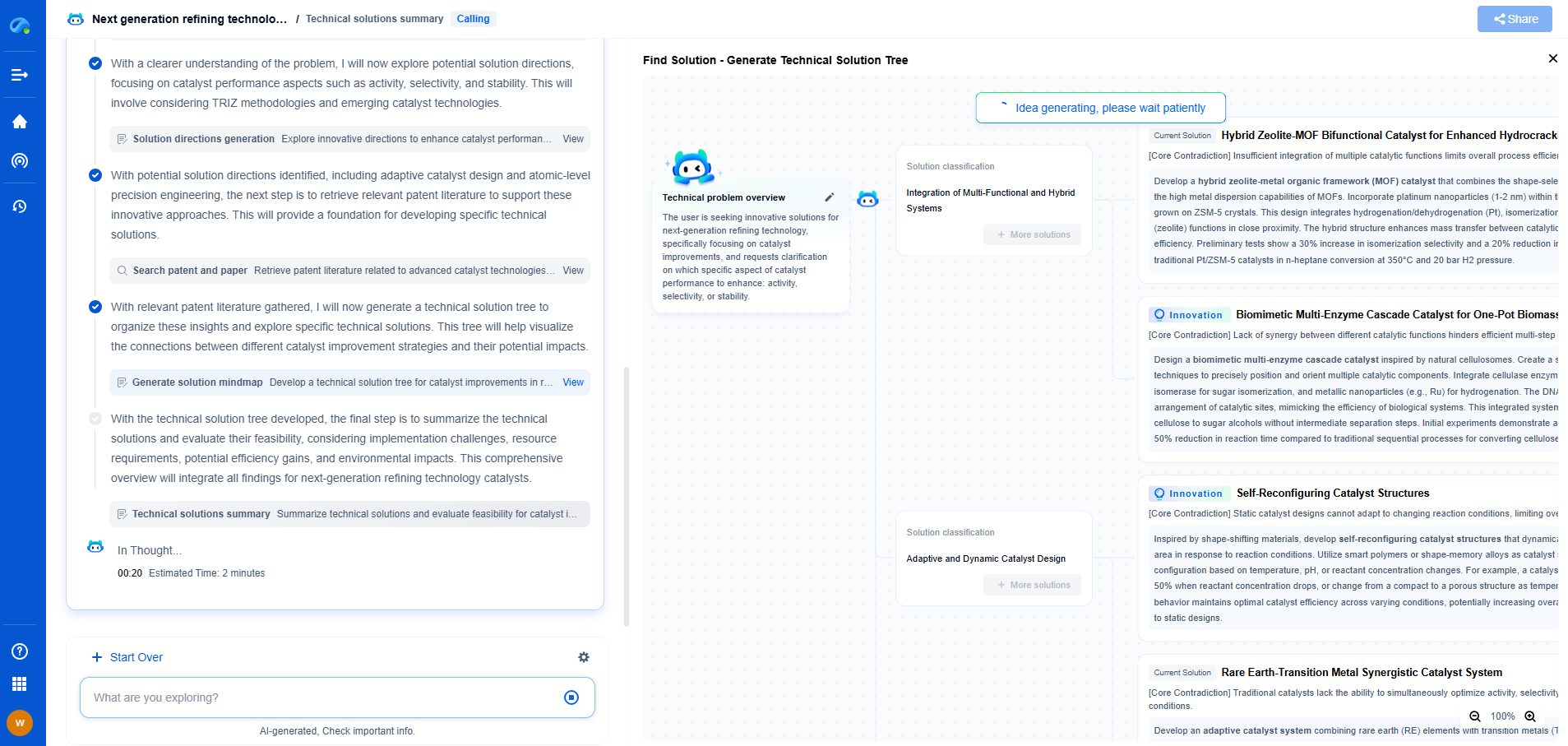
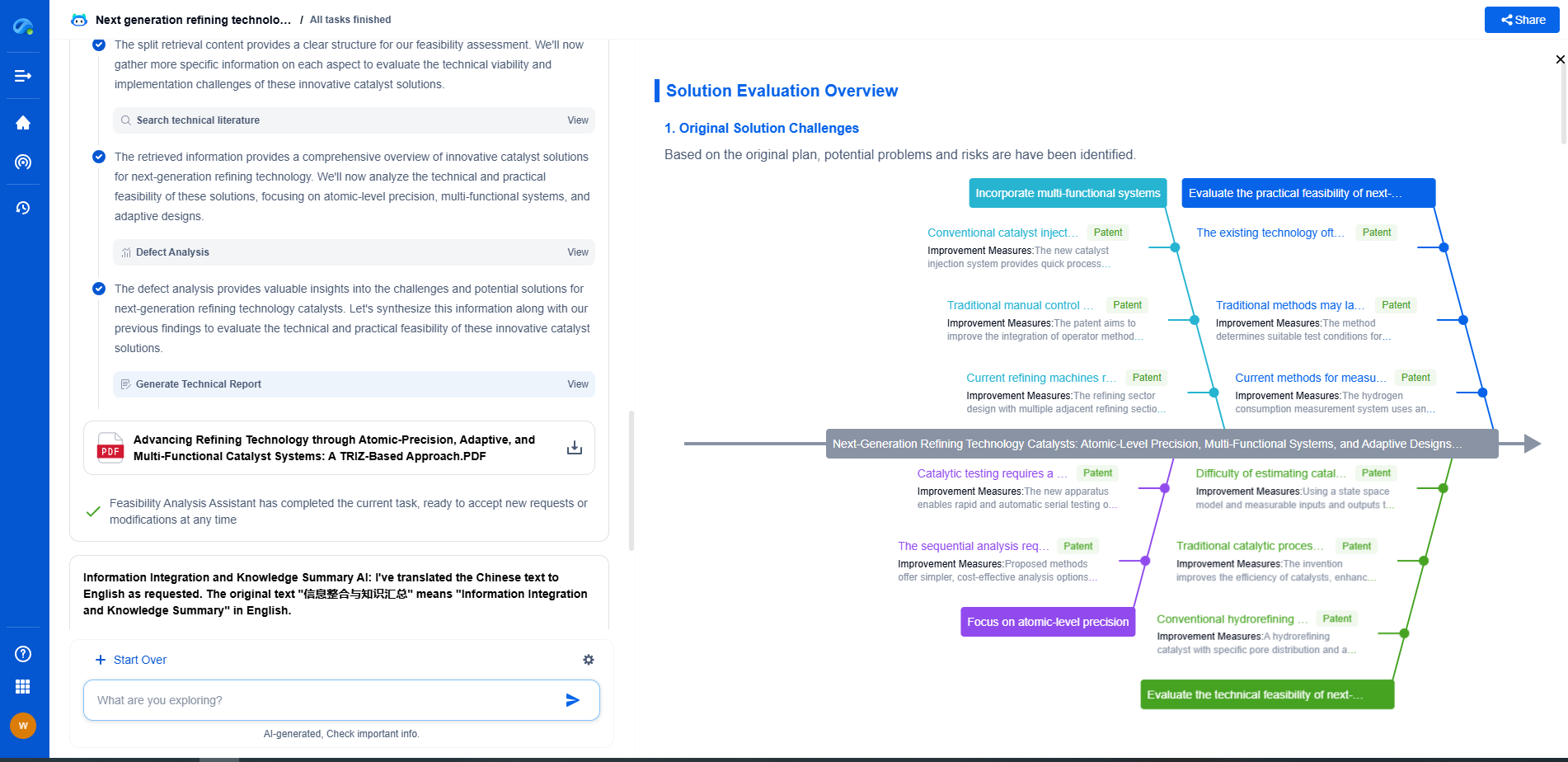
Patsnap Eureka is your AI-powered research companion—built specifically for professionals in high-tech and infrastructure domains like pipeline technology. Whether you're designing high-pressure transport systems, assessing trenchless installation innovations, or safeguarding proprietary flow assurance solutions, Eureka provides real-time insights into global patent trends, emerging technologies, and R&D intelligence—all in one intuitive interface.
Empower your team to innovate faster, reduce technical blind spots, and stay ahead of industry shifts. Discover Patsnap Eureka today and bring clarity and confidence to your pipeline technology decisions.
Features
- R&D
- Intellectual Property
- Life Sciences
- Materials
- Tech Scout
Why Patsnap Eureka
- Unparalleled Data Quality
- Higher Quality Content
- 60% Fewer Hallucinations
Social media
Patsnap Eureka Blog
Learn More Browse by: Latest US Patents, China's latest patents, Technical Efficacy Thesaurus, Application Domain, Technology Topic, Popular Technical Reports.
© 2025 PatSnap. All rights reserved.Legal|Privacy policy|Modern Slavery Act Transparency Statement|Sitemap|About US| Contact US: help@patsnap.com