What is a Pig Launcher and Receiver in Pipeline Systems?
JUN 20, 2025 |
In the fascinating world of pipeline systems, ensuring the smooth operation and maintenance of pipelines is crucial. This is where pig launchers and receivers come into play. These devices are integral to the process of pipeline "pigging," a term used to describe the maintenance and cleaning operations carried out within pipelines. But what exactly are these devices, and how do they function within a pipeline system?
What is a Pig?
Before delving into the specifics of pig launchers and receivers, it's essential to understand the term "pig" in the context of pipeline operations. A pig is a device that is inserted into a pipeline and propelled by the flow of the product inside the pipeline, such as oil, gas, or water. Pigs are used for various purposes, including cleaning the pipeline, inspecting its interior, and separating different products.
The Role of Pig Launchers
A pig launcher is a vital component in the pipeline pigging process. It is a specially designed section of the pipeline, usually located at the starting point, where pigs are loaded and launched into the pipeline. The launcher is equipped with a closure door, through which pigs are inserted, and then the door is securely closed to prevent leaks.
Pig launchers are designed to handle different types of pigs, whether they're intended for cleaning, inspection, or other maintenance tasks. Once the pig is placed in the launcher, the pressure of the product flowing through the pipeline propels the pig forward, allowing it to perform its designated task.
Understanding Pig Receivers
Complementing the launcher, the pig receiver is installed at the endpoint of the section of pipeline being pigged. Its primary function is to safely receive the pig after it has completed its journey through the pipeline. Similar to the launcher, the receiver is equipped with a closure door that allows for the retrieval of the pig.
Pig receivers are designed to handle the arrival of pigs without interrupting the pipeline's operation. When a pig reaches the receiver, it is typically slowed down and directed into a chamber where it can be safely removed. This process ensures that the pig can be retrieved without releasing the pressurized contents of the pipeline.
The Importance of Pigging in Pipeline Systems
Pigging is an essential process in maintaining the integrity and efficiency of pipeline systems. Regular pigging helps prevent the buildup of deposits like wax, scale, and other debris that can reduce flow efficiency and potentially cause blockages. It also allows for the inspection of the pipeline to identify any corrosion, deformation, or other structural issues that may require attention.
Moreover, pigging plays a crucial role in the separation of different products transported through the pipeline. For instance, in multi-product pipelines, pigs are used to separate different batches, ensuring that there is no cross-contamination.
Types of Pigs Used in Pipeline Systems
Pigs come in various types, each designed for specific tasks. Cleaning pigs are used to remove debris and deposits, while inspection pigs, often equipped with sensors and data-logging devices, are used to assess the condition of the pipeline. Utility pigs are employed for tasks such as batching and dewatering.
Choosing the right type of pig depends on the specific requirements and conditions of the pipeline. Factors such as the pipeline's diameter, type of product being transported, and the specific maintenance or inspection needs all play a role in determining the appropriate pig to use.
Conclusion
Pig launchers and receivers are indispensable components of modern pipeline systems, playing a crucial role in ensuring the safe, efficient, and uninterrupted flow of products. By facilitating the pigging process, these devices help maintain pipeline integrity and performance, reduce maintenance costs, and enhance safety. Understanding their function and importance can provide valuable insights into the complexities and innovations involved in the management of pipeline infrastructure.
Transform the Way You Innovate in Pipeline Technology—with AI-Powered Intelligence
From corrosion-resistant materials to smart monitoring systems and advanced flow control mechanisms, the pipeline industry is undergoing rapid technological transformation. Yet keeping up with evolving engineering solutions, regulatory landscapes, and competitive patents can be a major bottleneck for R&D and IP teams.
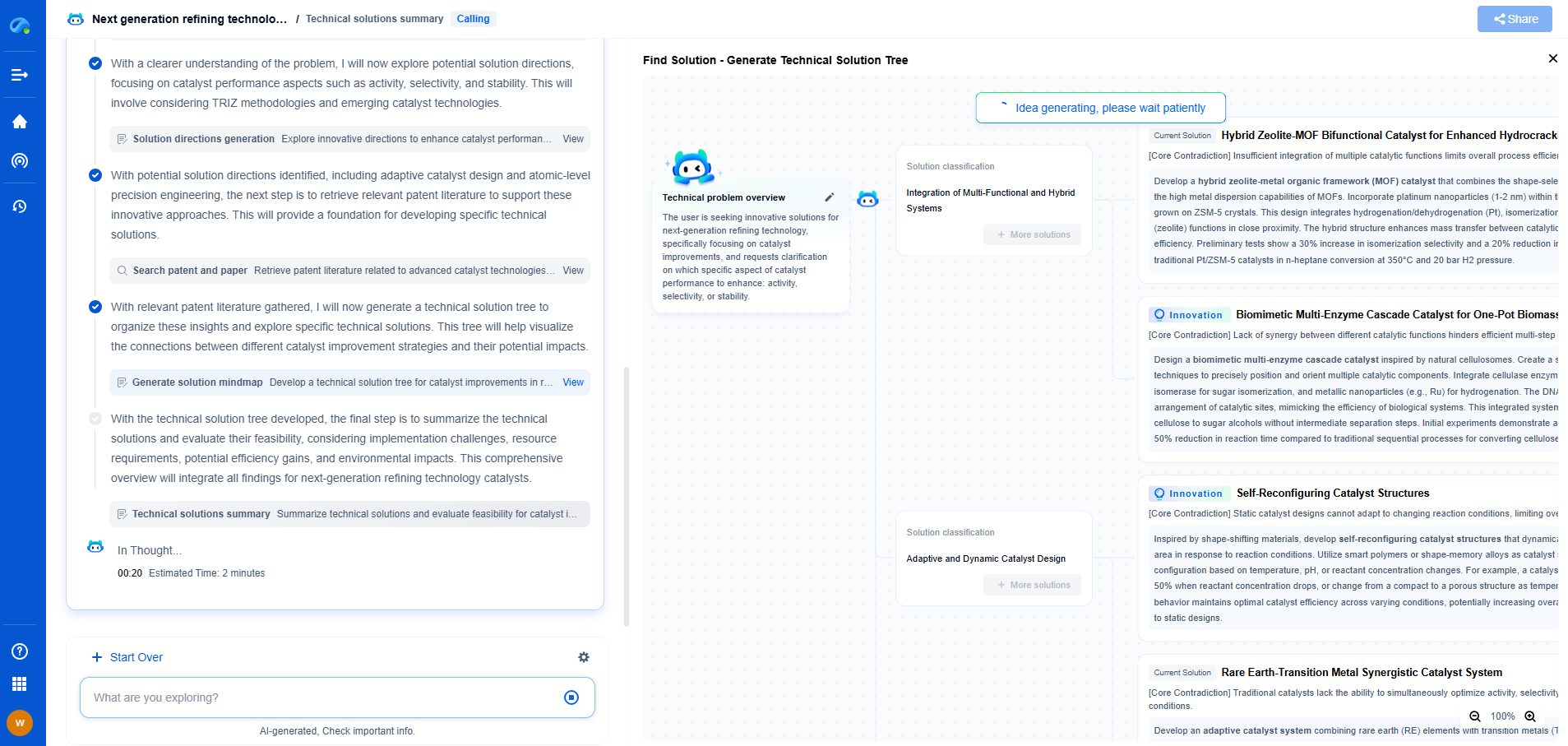
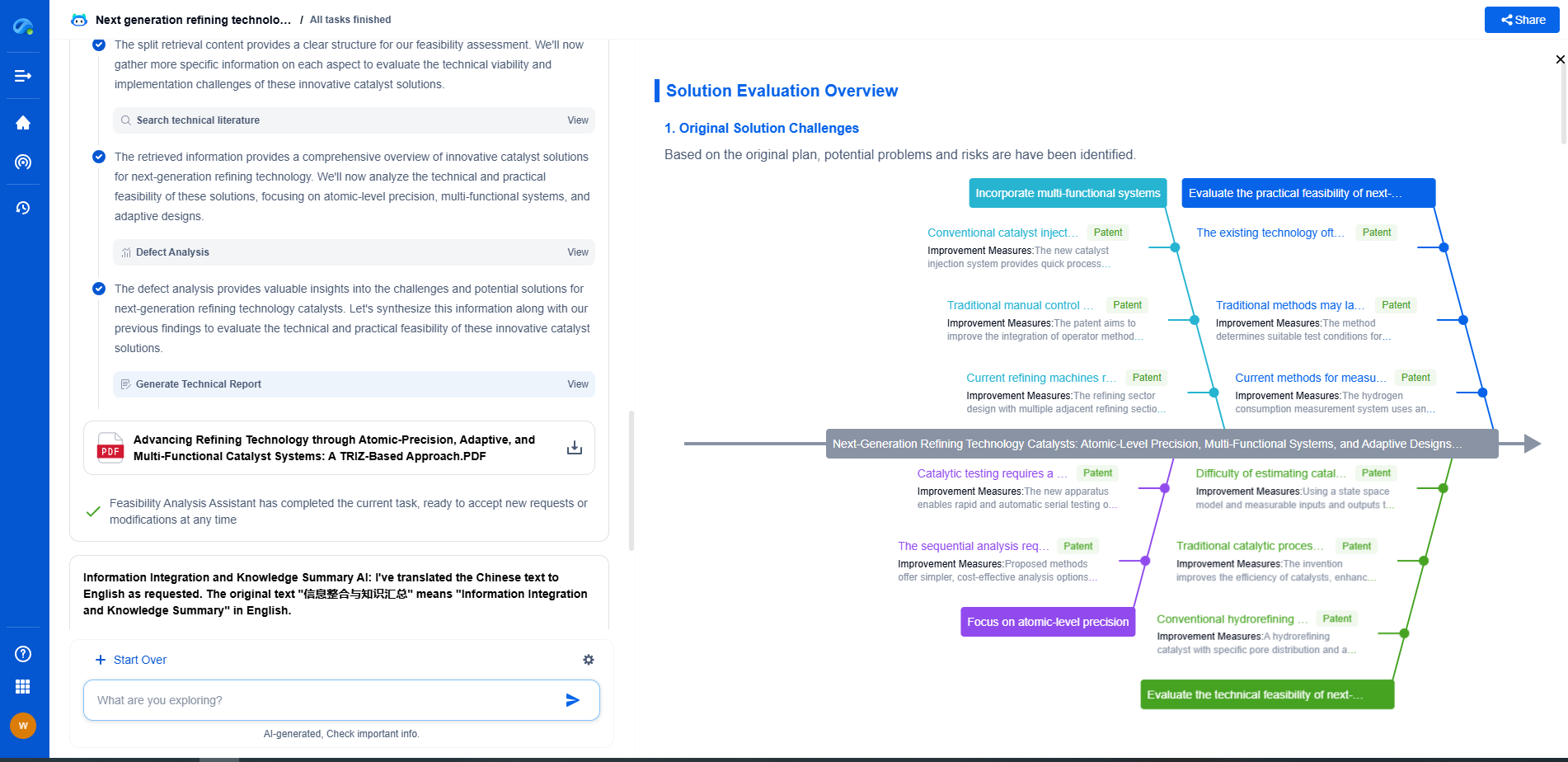
Patsnap Eureka is your AI-powered research companion—built specifically for professionals in high-tech and infrastructure domains like pipeline technology. Whether you're designing high-pressure transport systems, assessing trenchless installation innovations, or safeguarding proprietary flow assurance solutions, Eureka provides real-time insights into global patent trends, emerging technologies, and R&D intelligence—all in one intuitive interface.
Empower your team to innovate faster, reduce technical blind spots, and stay ahead of industry shifts. Discover Patsnap Eureka today and bring clarity and confidence to your pipeline technology decisions.
Features
- R&D
- Intellectual Property
- Life Sciences
- Materials
- Tech Scout
Why Patsnap Eureka
- Unparalleled Data Quality
- Higher Quality Content
- 60% Fewer Hallucinations
Social media
Patsnap Eureka Blog
Learn More Browse by: Latest US Patents, China's latest patents, Technical Efficacy Thesaurus, Application Domain, Technology Topic, Popular Technical Reports.
© 2025 PatSnap. All rights reserved.Legal|Privacy policy|Modern Slavery Act Transparency Statement|Sitemap|About US| Contact US: help@patsnap.com