What Is a Safety Integrity Level (SIL) in Pipeline Systems?
JUN 20, 2025 |
Safety Integrity Level, commonly known as SIL, is a critical concept in the realm of industrial safety systems, especially within pipeline systems. As these systems transport vast quantities of hazardous materials, ensuring their safety is paramount. SIL is a measurement of performance required for a safety instrumented function (SIF) to maintain or achieve safety. It is a part of the International Electrotechnical Commission (IEC) 61508 standard and is crucial for managing risks and hazards in pipeline operations. Understanding SIL is vital for stakeholders involved in the management, design, and operation of pipeline systems.
The Importance of SIL in Pipeline Systems
Pipeline systems are instrumental in transporting oil, gas, water, and other substances across vast distances. However, they are not without risks. A failure in the system can lead to catastrophic environmental and economic consequences, making safety a top priority. SIL provides a structured approach to evaluate and mitigate these risks. By establishing specific safety requirements and performance standards, SIL ensures that the systems work effectively to prevent accidents. This is particularly important in pipeline systems where the stakes are high due to the potential for widespread damage.
Understanding SIL Levels
SIL is categorized into four levels, with each representing a degree of risk reduction. SIL 1 is the lowest level of safety integrity, while SIL 4 represents the highest. These levels are determined based on the likelihood of a safety system performing its intended function under all stated conditions within a specified timeframe. Each level requires a different approach to design and operation to achieve the necessary risk reduction. For instance, moving from SIL 1 to SIL 2 involves implementing more rigorous safety measures and validation processes.
Application of SIL in Pipeline Systems
In pipeline systems, the application of SIL begins with a comprehensive risk assessment to identify potential hazards and their impact. This assessment helps in determining the necessary SIL level for different components of the system. For example, critical parts of the pipeline that are more prone to failures may require a higher SIL level. Once the SIL level is determined, safety systems are designed accordingly to meet the required safety performance. This often involves using redundant systems, implementing regular maintenance checks, and employing advanced technology to monitor the pipeline's integrity.
Challenges in Implementing SIL
Implementing SIL in pipeline systems comes with its own set of challenges. One of the primary challenges is accurately assessing risks and assigning the correct SIL level. This process requires thorough knowledge and expertise, as underestimating the SIL level can lead to insufficient safety measures, while overestimating it can lead to unnecessary costs. Additionally, maintaining the SIL level over the lifecycle of the pipeline system requires continuous monitoring and updating of safety measures. This involves significant investment in terms of time, resources, and technology.
Benefits of Adhering to SIL Standards
Despite the challenges, adhering to SIL standards provides numerous benefits. It not only enhances the safety and reliability of pipeline systems but also minimizes the likelihood of accidents and the associated costs. By following SIL standards, companies can ensure compliance with international safety regulations, which is crucial for operating in the global market. Moreover, a robust SIL framework can improve stakeholder confidence and trust, leading to better business opportunities and partnerships.
Conclusion
In conclusion, Safety Integrity Level (SIL) plays a vital role in ensuring the safety and reliability of pipeline systems. It provides a systematic approach to risk assessment and mitigation, helping operators to maintain safe operations in complex and potentially hazardous environments. While implementing SIL standards presents certain challenges, the benefits of enhanced safety, compliance, and operational efficiency make it an essential part of pipeline management. As technology advances and risks evolve, adhering to SIL requirements will continue to be crucial for the safe operation of pipeline systems worldwide.
Transform the Way You Innovate in Pipeline Technology—with AI-Powered Intelligence
From corrosion-resistant materials to smart monitoring systems and advanced flow control mechanisms, the pipeline industry is undergoing rapid technological transformation. Yet keeping up with evolving engineering solutions, regulatory landscapes, and competitive patents can be a major bottleneck for R&D and IP teams.
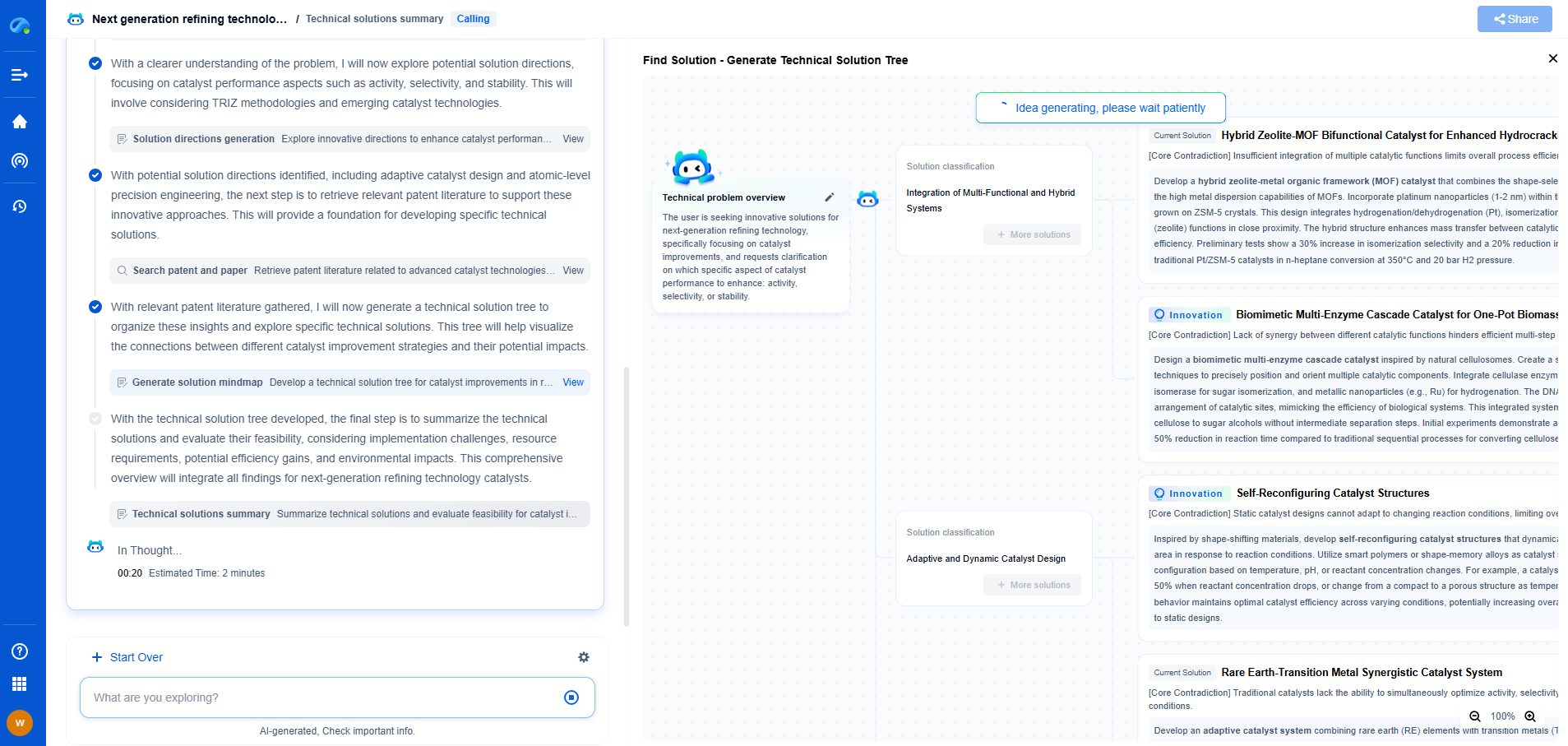
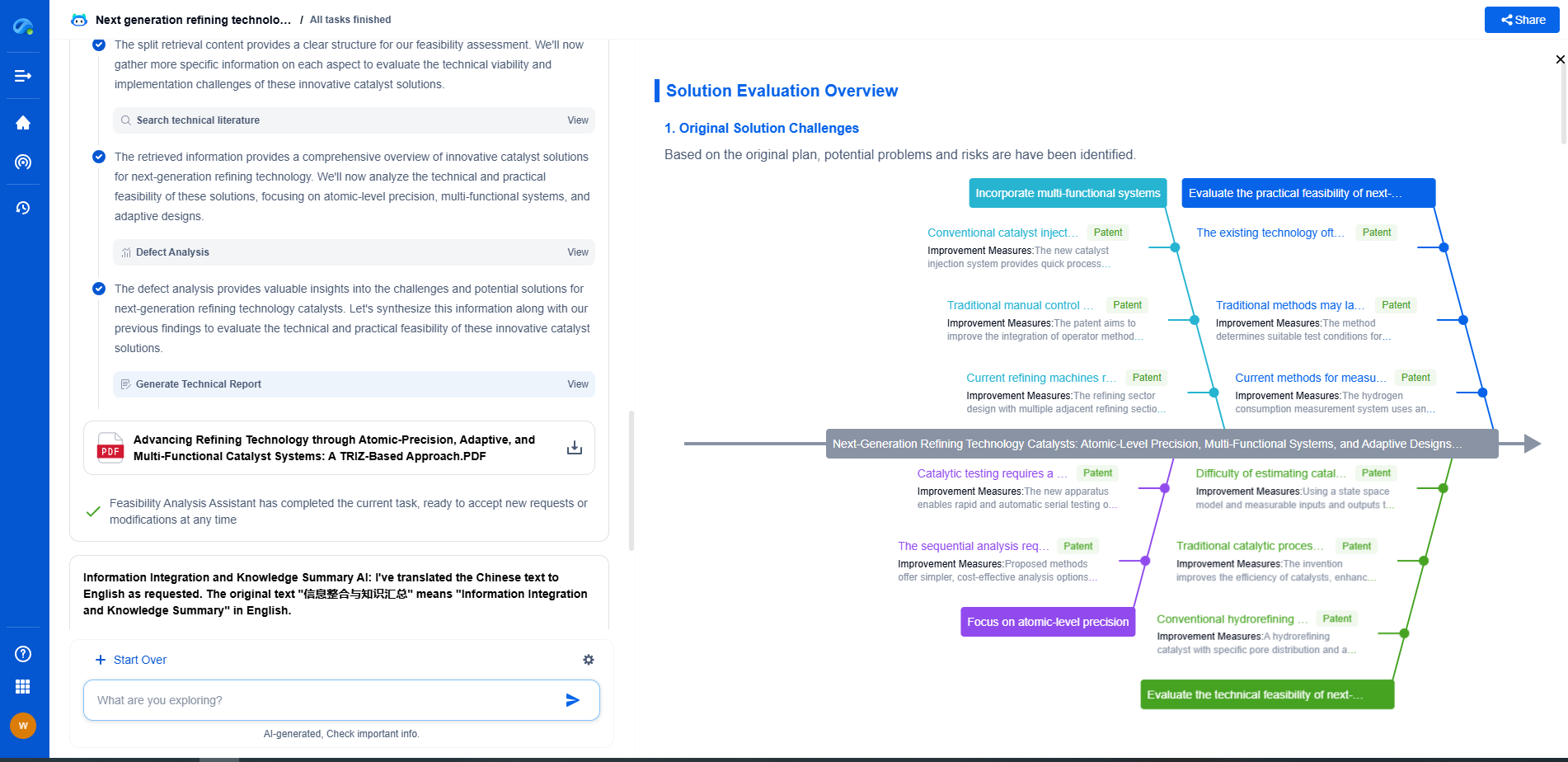
Patsnap Eureka is your AI-powered research companion—built specifically for professionals in high-tech and infrastructure domains like pipeline technology. Whether you're designing high-pressure transport systems, assessing trenchless installation innovations, or safeguarding proprietary flow assurance solutions, Eureka provides real-time insights into global patent trends, emerging technologies, and R&D intelligence—all in one intuitive interface.
Empower your team to innovate faster, reduce technical blind spots, and stay ahead of industry shifts. Discover Patsnap Eureka today and bring clarity and confidence to your pipeline technology decisions.
Features
- R&D
- Intellectual Property
- Life Sciences
- Materials
- Tech Scout
Why Patsnap Eureka
- Unparalleled Data Quality
- Higher Quality Content
- 60% Fewer Hallucinations
Social media
Patsnap Eureka Blog
Learn More Browse by: Latest US Patents, China's latest patents, Technical Efficacy Thesaurus, Application Domain, Technology Topic, Popular Technical Reports.
© 2025 PatSnap. All rights reserved.Legal|Privacy policy|Modern Slavery Act Transparency Statement|Sitemap|About US| Contact US: help@patsnap.com