Understanding the FCC Unit
An FCC unit, or Fluid Catalytic Cracking unit, is a crucial component in modern petroleum refineries. It has revolutionized the way crude oil is processed, maximizing the yield of high-value products like gasoline and propylene. In this article, we'll explore what an FCC unit is, how it works, its components, and its significance in the refining industry.
What is an FCC Unit?
The Fluid Catalytic Cracking unit is a refinery process designed to convert heavy hydrocarbon fractions of crude oil into lighter, more valuable products. This transformation is achieved through the use of a catalyst and heat, which break down complex hydrocarbons into simpler molecules. The process not only improves the quality of products but also increases the overall efficiency of the refinery.
Key Components of an FCC Unit
An FCC unit consists of several main components, each playing a vital role in the cracking process:
1. Riser Reactor: The riser is the heart of the FCC process. Here, the feedstock, usually a heavy oil fraction, is mixed with hot, powdered catalyst in the lower section. As the mixture travels upward, it undergoes thermal cracking, breaking down large molecules into smaller ones.
2. Regenerator: After the cracking process, the catalyst becomes deactivated by coke deposits. The regenerator burns off this coke, reactivating the catalyst by heating it and thus preparing it for reuse in the reactor.
3. Fractionator: This is where the cracked products are separated into different components based on their boiling points. The lighter, more valuable fractions like gasoline and propylene rise to the top, while heavier fractions remain at the bottom.
4. Cyclones: These are used to separate the catalyst particles from the hydrocarbons. Cyclones ensure that the catalyst is recirculated efficiently within the system, maintaining the fluidization necessary for effective cracking.
The Cracking Process
The FCC process begins with pre-heated feedstock entering the riser reactor, where it mixes with the hot catalyst. As the mixture ascends through the riser, it experiences rapid vaporization and cracking due to the high temperatures and the catalyst's action. The hydrocarbons are transformed into shorter-chain molecules, primarily in the gasoline range, along with by-products like liquefied petroleum gas (LPG) and light olefins.
The cracked vapors then exit the riser and enter the fractionator, where distillation separates them into various product streams. Meanwhile, the used catalyst, now coated with coke, is sent to the regenerator. Here, air is introduced to burn off the coke deposits, restoring the catalyst's activity.
Significance of FCC in Refining
FCC units are vital in meeting the global demand for fuels and petrochemicals. By efficiently converting low-value, heavier fractions of crude oil into high-value products, FCC units significantly enhance the economic viability of refineries. They also offer flexibility, enabling refineries to adjust the output of products like gasoline and propylene based on market demands.
Moreover, advancements in catalyst technology and process design have continually improved the efficiency and environmental performance of FCC units. Modern FCC units are more energy-efficient and produce fewer emissions, aligning with the industry's shift towards sustainable practices.
Conclusion
In conclusion, the Fluid Catalytic Cracking unit is a cornerstone of modern petroleum refining. By breaking down heavy hydrocarbons into lighter, more valuable fractions, it maximizes the yield of important products like gasoline and propylene. Understanding how an FCC unit works provides insight into the complex processes that drive the global energy supply chain, highlighting its significance in both economic and environmental contexts. As technology evolves, FCC units will continue to play a crucial role in the refining industry, adapting to new challenges and opportunities.
What is an FCC unit and how does it work?
JUN 19, 2025 |
Discover Patsnap Eureka: AI Agents Built for Scientific Innovation
Whether you're designing the next generation of refining technologies or analyzing catalysts and process flows, keeping up with rapidly evolving research and IP data in petroleum processing is no easy task.
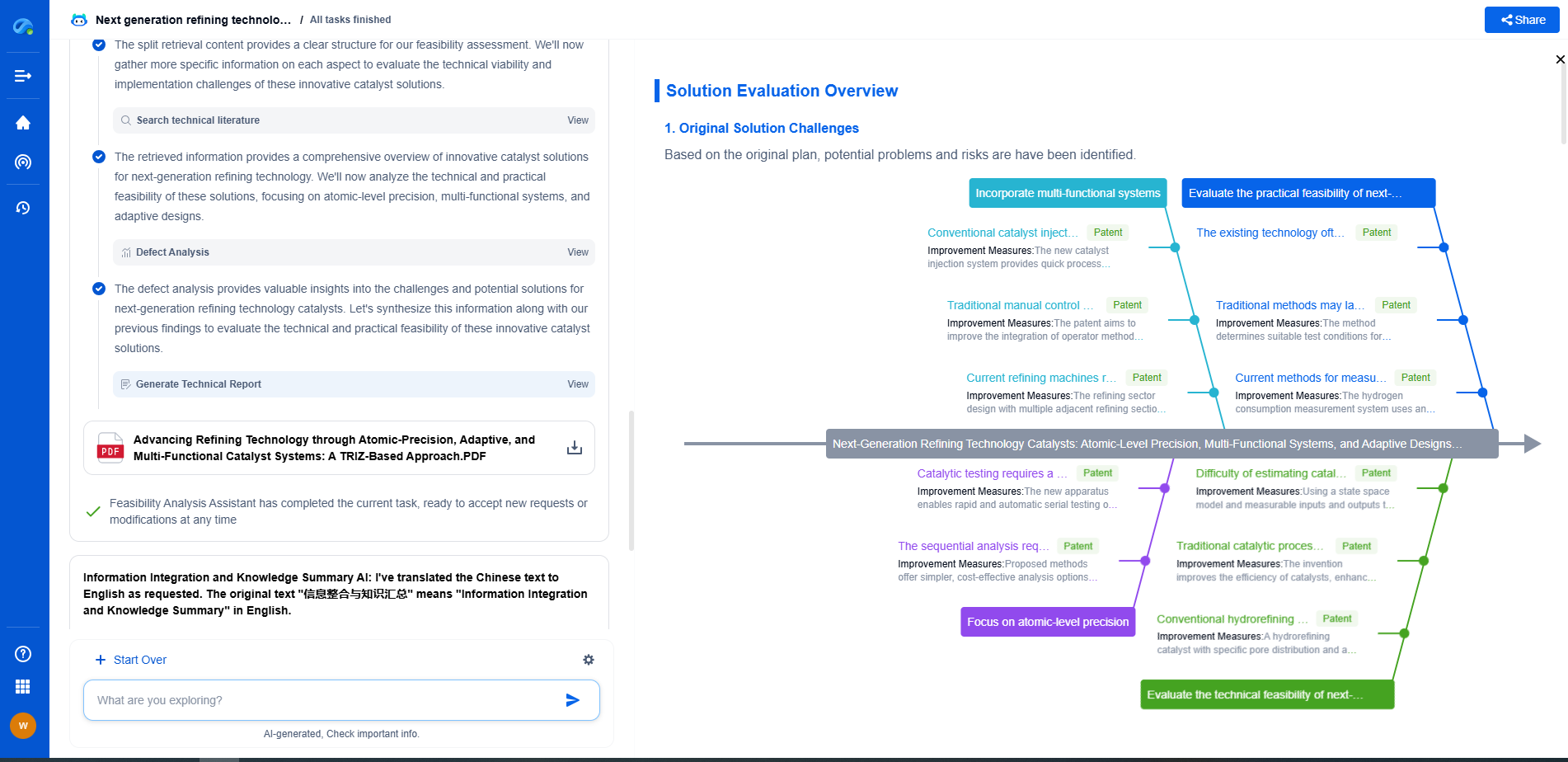
Patsnap Eureka, our intelligent AI assistant built for R&D professionals in high-tech sectors, empowers you with real-time expert-level analysis, technology roadmap exploration, and strategic mapping of core patents—all within a seamless, user-friendly interface.
Ready to accelerate your innovation process and make smarter, faster decisions? Discover Patsnap Eureka today and unlock the full power of confident, AI-driven innovation.

- R&D
- Intellectual Property
- Life Sciences
- Materials
- Tech Scout
- Unparalleled Data Quality
- Higher Quality Content
- 60% Fewer Hallucinations
Browse by: Latest US Patents, China's latest patents, Technical Efficacy Thesaurus, Application Domain, Technology Topic, Popular Technical Reports.
© 2025 PatSnap. All rights reserved.Legal|Privacy policy|Modern Slavery Act Transparency Statement|Sitemap|About US| Contact US: help@patsnap.com