Isobutylene, also known as 2-methylpropene, is a branched-chain alkene that plays a vital role in synthetic rubber manufacturing, fuel formulations, and specialty chemical synthesis. As a highly reactive hydrocarbon with a terminal double bond, isobutylene serves as a key monomer in the production of butyl rubber (IIR), methyl tert-butyl ether (MTBE), and other high-value materials.
Due to its versatility, chemical reactivity, and compatibility with various polymerization techniques, isobutylene continues to fuel innovation in automotive, medical, and energy industries. This blog explores isobutylene’s molecular characteristics, commercial grades, performance traits, industrial applications, current research frontiers, and the unique advantages offered by PatSnap Eureka AI Agent in accelerating material innovation.
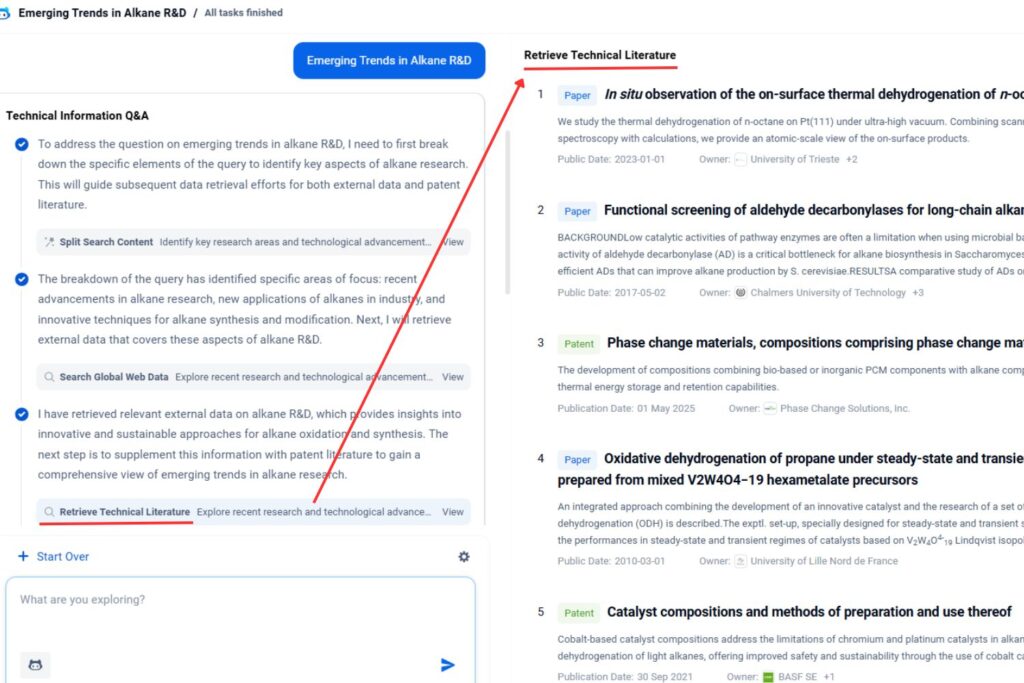
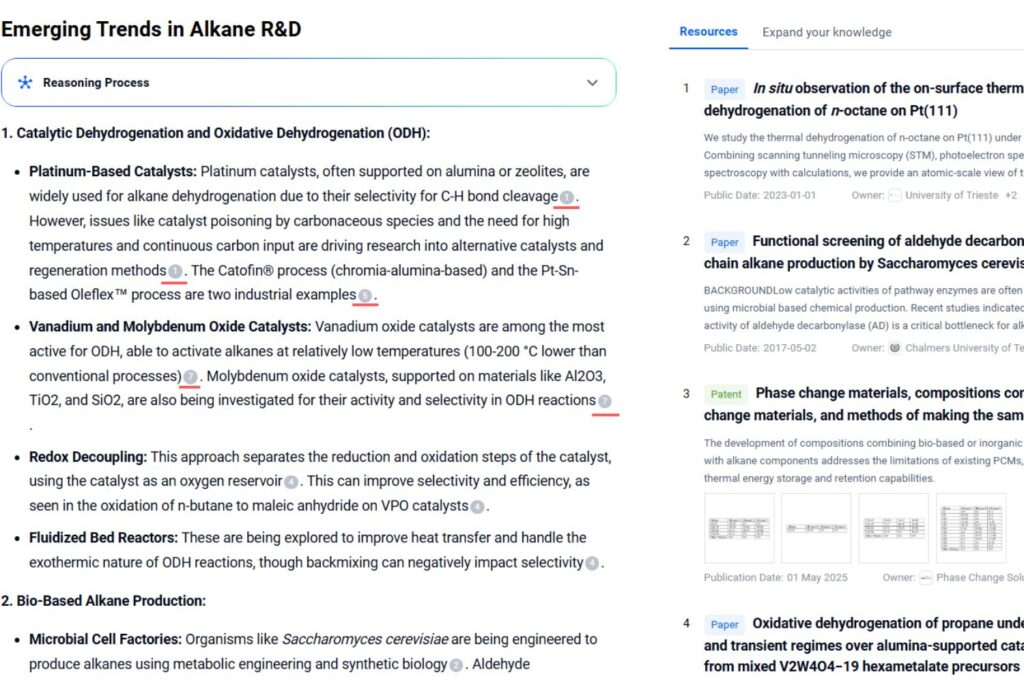
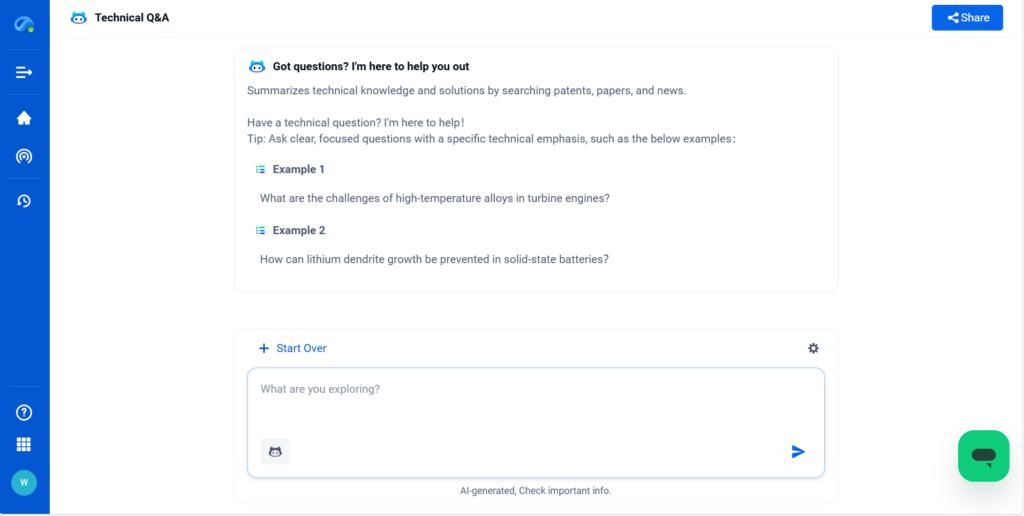
Ask Patsnap Eureka AI
Patsnap Eureka AI provides instant, trusted answers to any technical questions.
Isobutylene (C₄H₈) is a colorless gas with a boiling point of –6.9 °C and a structure featuring a double bond on a branched four-carbon chain. Its most defining structural feature is the tertiary carbon adjacent to the double bond, which enhances its reactivity and stability in polymerization processes.
Key Material Grades and Derivatives:
Grade / Derivative
Description & Use Case
Polyisobutylene (PIB)
Homopolymer of isobutylene used in adhesives, sealants, and lubricants
Butyl Rubber (IIR)
Copolymer of isobutylene and isoprene, valued for impermeability
Halobutyl Rubbers (BIIR, CIIR)
Modified IIR for pharmaceutical closures, tire inner liners
MTBE
Fuel additive for increasing gasoline octane rating
High Purity Isobutylene (HPIB)
Used in specialty chemicals and pharmaceutical intermediates
Performance Characteristics
Isobutylene and its polymers exhibit a unique set of performance features that make them indispensable across sectors:
High chemical resistance: Resistant to oxidation, acids, and ozone.
Excellent impermeability: Especially in IIR, ideal for tire inner liners and pharmaceutical closures.
Viscoelastic behavior: Useful in dynamic sealing and damping applications.
Thermal stability: PIB-based materials exhibit low volatility and high thermal resilience.
Reactivity: Suitable for cationic polymerization and halogenation.
Application Areas
1. Automotive Industry
Butyl Rubber in Tires: Provides airtightness for inner liners.
PIB Additives: Enhance engine oils and fuel performance.
MTBE in Gasoline: Used to improve combustion efficiency.
2. Medical and Pharmaceutical
Stoppers and Closures: Halobutyl rubbers are used in injectable drug packaging.
Drug Delivery Carriers: PIB derivatives are being studied for slow-release drug matrices.
3. Industrial Lubricants and Sealants
PIB-Based Adhesives: Offer tack, cohesion, and resistance to solvents.
Sealants for Construction and Electronics: Used in vibration-dampening and waterproofing systems.
4. Fuel and Energy Sector
MTBE Production: A key oxygenate in gasoline.
Butene Derivatives: Feedstock for high-octane components and synthetic fuels.
5. Specialty Chemicals
Intermediates for Agrochemicals and Perfumes
Polymer Modifiers and Viscosity Improvers
Comparative Advantages & Limitations
Advantages
High Reactivity: Enables efficient cationic polymerization.
Gas Barrier Performance: Excellent impermeability in elastomer applications.
Thermal and Oxidative Stability: Suited for demanding industrial uses.
Versatile Polymer Platform: Forms PIB, IIR, halobutyls with diverse functions.
Limitations
Storage Sensitivity: Gas phase handling requires specialized infrastructure.
Low Mechanical Strength (PIB): Often needs compounding or reinforcement.
Limited Biodegradability: PIB is chemically persistent in the environment.
Emerging Trends & Research Frontiers
Recent research is driving innovation in the following directions:
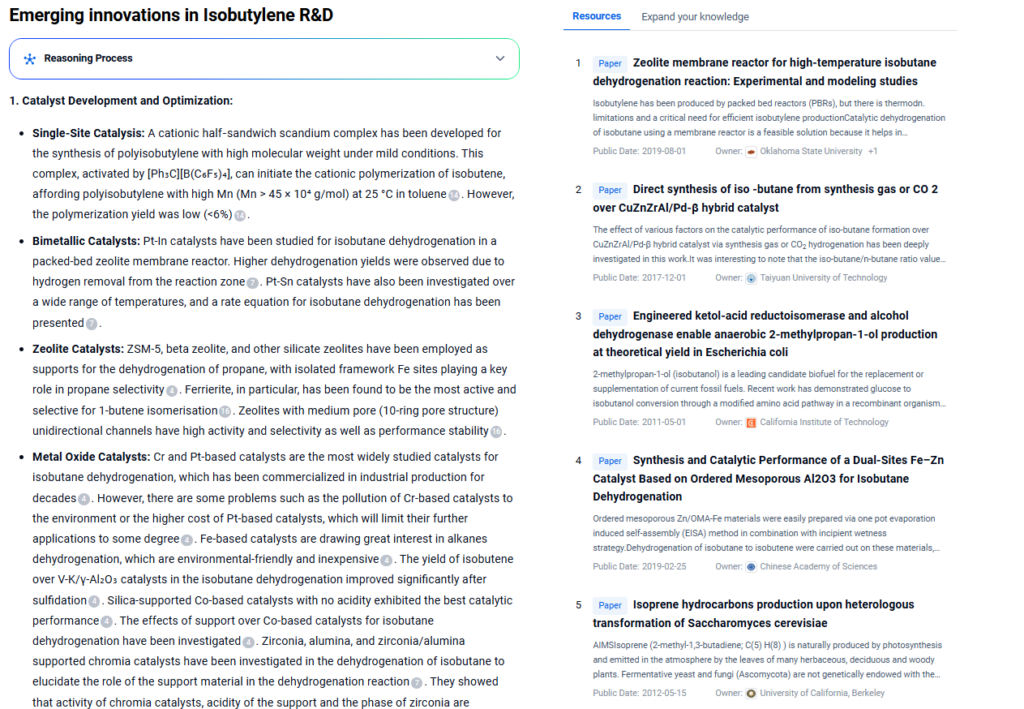
Bio-Based Isobutylene: Microbial production from renewable feedstocks (e.g., sugar-based isobutylene).
Nano-Engineered PIB: Improving mechanical properties for flexible electronics and packaging.
Halogen-Free Elastomers: Development of sustainable alternatives to halobutyl rubber.
Catalyst Design: Advancements in living cationic polymerization for controlled PIB architectures.
Smart Sealants and Responsive Polymers: For aerospace, EVs, and biomedical devices.
PatSnap Eureka AI Agent : Enabling Strategic Discovery in Isobutylene R&D
R&D teams exploring the isobutylene value chain often struggle to stay ahead of shifting innovation trends, patent clusters, and niche commercial developments. PatSnap Eureka AI Agent provides an edge by offering:
AI-curated summaries of global patent activity in butyl rubber, PIB, MTBE, and bio-isobutylene.
Visualization of innovation hotspots across fuel additives, pharmaceutical elastomers, and specialty chemicals.
Competitive intelligence reports pinpointing emerging players and licensing opportunities.
Direct access to experimental data, formulation patents, and polymerization breakthroughs.
💡 Discover how your team can identify white spaces, optimize formulations, and de-risk R&D with PatSnap Eureka. Start your material intelligence journey today.
Conclusion
Isobutylene stands at the intersection of reactivity and reliability—offering exceptional barrier properties, diverse polymeric forms, and pivotal roles in fuel and pharmaceutical markets. With emerging green production pathways and advanced applications in smart materials, the future of isobutylene is both sustainable and scalable.
Powered by tools like PatSnap Eureka AI Agent, innovators can now navigate the complex landscape of isobutylene-related R&D with precision and foresight—turning insights into impact.
FAQ: Isobutylene in Focus
Q1: What is the difference between isobutylene and butylene?
Isobutylene is a branched alkene (2-methylpropene), while butylene refers to linear or branched four-carbon alkenes (including 1-butene and cis/trans-2-butene). Isobutylene’s branched structure imparts distinct reactivity and polymer behavior.
Q2: Why is isobutylene preferred in butyl rubber production?
Its structure allows low permeability and high reactivity during copolymerization with isoprene, producing a material that is ideal for airtight and chemical-resistant applications.
Q3: What are the environmental concerns associated with isobutylene?
While isobutylene itself is not toxic, its derivative MTBE has been linked to groundwater contamination, prompting regulatory scrutiny in several regions.
Q4: Are there sustainable alternatives for isobutylene production?
Yes. Bio-isobutylene can be synthesized through fermentation processes using engineered microbes, offering a renewable route to traditional applications.
Q5: How can PatSnap Eureka support isobutylene-based R&D?
Eureka leverages AI to track patent evolution, uncover formulation strategies, and identify commercialization pathways in isobutylene polymers, additives, and derivatives.