


Cidine Tablet, a brand formulation of Cinitapride, represents a clinically proven option in managing functional gastrointestinal disorders, including dyspepsia and gastroesophageal reflux disease (GERD). As a benzamide-based prokinetic agent, Cidine combines serotonin receptor modulation with mild antidopaminergic action, offering a dual mechanism to improve gastric motility and reduce reflux symptoms.
This article explores the pharmacological foundation, clinical uses, and therapeutic niche of Cidine Tablet. Pharmaceutical teams and healthcare innovators can access real-time intelligence on Cinitapride’s clinical trials, competitive market dynamics, safety data, and global regulatory status using PatSnap Eureka AI Agent.
What is Cidine Tablet ?
Cidine Tablet is a commercial formulation of Cinitapride, a gastroprokinetic drug classified under benzamide derivatives. It acts as a serotonin (5-HT₄) receptor agonist, 5-HT₂ antagonist, and dopamine D₂ antagonist, making it effective in treating disorders where gastric emptying and esophageal motility are compromised.
Cidine is commonly used in Europe, Latin America, and parts of Asia, particularly for non-ulcer dyspepsia and GERD. Though not FDA-approved in the U.S., it remains widely prescribed in other regions for its effectiveness and tolerability.
Key Characteristics of Cidine Tablet
| Feature | Details |
|---|---|
| Active Ingredient | Cinitapride Tartrate |
| Drug Class | Prokinetic agent, Benzamide derivative |
| Mechanism | 5-HT₄ agonist, 5-HT₂ and D₂ antagonist |
| Primary Use | Dyspepsia, GERD, delayed gastric emptying |
| Prescription Status | Rx-only (varies by region) |
| Onset of Action | 30–60 minutes post ingestion |
| Duration | 4–6 hours |
Mechanism of Action
The pharmacological effects of cinitapride are primarily mediated through its interaction with specific neurotransmitter receptors in the GI tract:
- 5-HT4 Receptor Agonism: Cinitapride binds to and activates 5-HT₄ receptors located on enteric neurons. This activation stimulates the release of acetylcholine—the key neurotransmitter responsible for smooth muscle contraction and peristalsis.
The result? Stronger and more coordinated GI movements. This is the core mechanism behind cinitapride’s prokinetic action. - Anti-Dopaminergic Effects: Cinitapride blocks dopamine receptors. Dopamine normally slows down GI motility. By inhibiting dopamine’s action, cinitapride removes this brake and restores normal movement along the digestive tract.
- Pro-Serotonergic Effects: Although less prominent than its 5-HT4 receptor agonism, cinitapride may also have pro-serotonergic effects, potentially enhancing the activity of serotonin (5-HT) in the GI tract. Serotonin plays a complex role in GI motility, and cinitapride’s pro-serotonergic effects may contribute to its overall prokinetic action, although the exact mechanism is not as well-defined as its 5-HT4 receptor agonism.
Therapeutic Effects and Indications
The combined effects of cinitapride’s mechanisms of action result in the following therapeutic benefits:
- Improved GI Motility: By increasing acetylcholine and blocking dopamine, cinitapride boosts smooth muscle activity and restores rhythmic contractions. It helps move food more efficiently through the digestive system.
- Alleviation of Functional Dyspepsia Symptoms: Cinitapride is commonly used to treat functional dyspepsia, a condition characterized by chronic or recurrent upper abdominal pain or discomfort, often accompanied by symptoms such as early satiety, bloating, and nausea. By improving GI motility, cinitapride can help reduce these symptoms.

- Treatment of Other GI Motility Disorders: In addition to functional dyspepsia, cinitapride may be used to treat other conditions associated with impaired GI motility, such as gastroesophageal reflux disease (GERD), irritable bowel syndrome (IBS), and constipation, although its efficacy in these conditions may be less established or vary depending on the specific formulation and dosage.
Clinical Uses
Cidine is primarily indicated for:
- Functional Dyspepsia: Relieves upper abdominal pain, early satiety, bloating
- Gastroesophageal Reflux Disease (GERD): Improves motility and reduces acid exposure
- Gastroparesis (off-label): Especially in mild to moderate cases
- Non-ulcer Epigastric Pain: Often used when acid suppression alone is insufficient
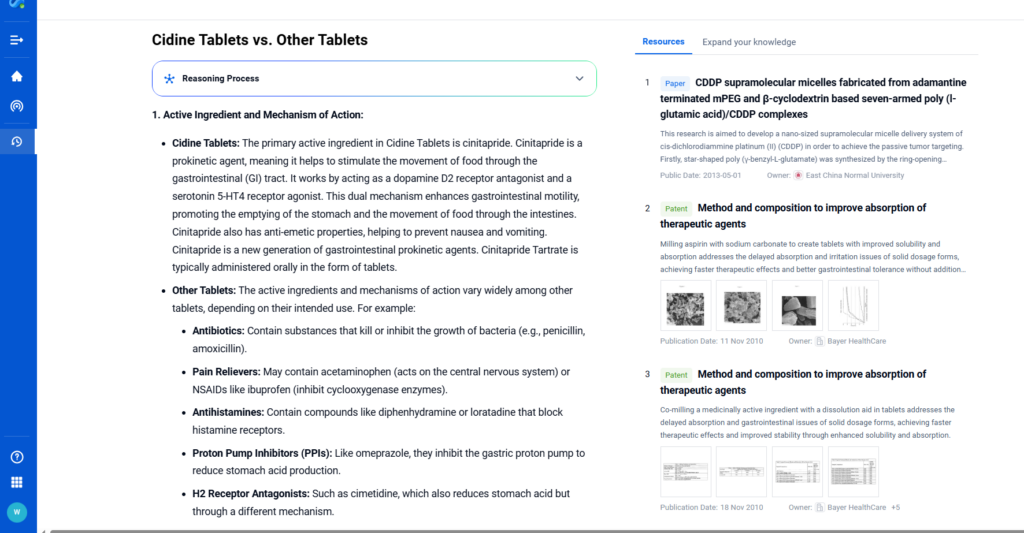
Cidine vs. Other Tablets in GI Prokinetics
Cidine (Cinitapride) is part of a class of medications designed to enhance gastrointestinal motility and treat upper GI functional disorders. While multiple drugs exist with similar indications—such as domperidone, metoclopramide, and itopride—Cidine offers a unique pharmacodynamic profile that combines efficacy with a lower risk of central nervous system side effects.
| Drug | Primary Mechanism | Indications | Advantages | Limitations |
|---|---|---|---|---|
| Cidine (Cinitapride) | 5-HT₄ agonist, 5-HT₂ antagonist, D₂ antagonist | Dyspepsia, GERD, delayed gastric emptying | Multi-receptor targeting; minimal CNS side effects | Not FDA-approved in U.S.; regional availability may vary |
| Domperidone | Peripheral D₂ receptor antagonist | GERD, nausea, vomiting | Minimal CNS penetration; widely used in Europe | Risk of QT prolongation; restricted use in some countries |
| Metoclopramide | Central and peripheral D₂ antagonist, weak 5-HT₄ agonist | GERD, gastroparesis, nausea | Effective; FDA-approved in U.S. | High risk of extrapyramidal symptoms (EPS); black box warning |
| Itopride | D₂ antagonist and acetylcholinesterase inhibitor | Functional dyspepsia | Dual action; low EPS incidence | Not widely available globally; less data from large-scale studies |
| Mosapride | Selective 5-HT₄ receptor agonist | Functional dyspepsia, GERD | Low CNS side effects; accelerates gastric emptying | Mild efficacy; mainly available in Asia |
| Prucalopride | Highly selective 5-HT₄ agonist | Chronic constipation | Specific for colon motility; minimal cardiac risk | Primarily used for lower GI tract; not for upper GI disorders |
Key Differentiators of Cidine
Triple mechanism: Enhances GI transit through serotonin and dopamine modulation
Tolerability: Lower risk of EPS compared to metoclopramide
Symptom relief: Effective in managing both gastric and esophageal symptoms
Dosage and Administration
| Indication | Dose | Frequency | Notes |
|---|---|---|---|
| Dyspepsia, GERD | 1 mg | 3 times daily | Before meals |
| Elderly patients | Start with 0.5 mg | 2–3 times daily | Dose adjustment recommended |
- Tablets should be taken before meals.
- Dose reductions may be necessary for patients with hepatic or renal impairment.
Side Effects and Safety
Cidine is generally well tolerated. Common side effects include:
- Headache
- Diarrhea
- Drowsiness
- Dry mouth
In rare cases, extrapyramidal symptoms such as tremor or restlessness may occur, especially at high doses or with long-term use. No significant QT prolongation has been reported, differentiating Cidine from older prokinetics like cisapride.
Conclusion
Cidine tablets, powered by Cinitapride, represent a clinically relevant and well-tolerated treatment for functional dyspepsia, GERD, and gastric motility disorders. Its unique multi-receptor mechanism and local action profile offer advantages over older prokinetics with known safety limitations.
In a therapeutic space evolving toward precision and symptom-specific solutions, Cidine offers a reliable, symptom-targeted option with a strong safety profile. For formulators, medical affairs professionals, and R&D teams, PatSnap Eureka AI Agent delivers a powerful platform to monitor trial data, formulation patents, and real-world usage patterns of Cinitapride and competing agents in the global GI space.
FAQs
Yes. Cidine is a branded tablet formulation of the active ingredient Cinitapride tartrate.
Yes. It’s commonly prescribed for GERD, particularly in patients with motility-related reflux symptoms.
Cidine has a lower risk of extrapyramidal side effects and works on multiple receptor targets.
Use PatSnap Eureka AI Agent to explore global trials, safety reports, and formulation strategies related to Cinitapride and similar gastroprokinetics.
For a deeper understanding of Cidine, try PatSnap Eureka AI Agent, which provides detailed intelligence on global clinical trials, pharmacodynamics, regulatory filings.
