


Microcomputers have transformed the way we interact with technology, from personal use to business applications. These compact yet powerful systems paved the way for affordable computing, changing industries and driving innovation. Microcomputers are now integral to devices ranging from smartphones to embedded systems in industrial automation. This article will explore the evolution, key components, types, and applications of microcomputer, providing a comprehensive guide to this essential technology.
What is a Microcomputer?
A microcomputer is a small, self-contained computer designed for individual users. Unlike large mainframes or minicomputers, microcomputer feature microprocessors—integrated circuits that perform computation tasks. These computers are versatile, often consisting of a central processing unit (CPU), memory, storage, and input/output interfaces. With the rapid development of microprocessor technology, microcomputer became increasingly affordable, ushering in the age of personal computing.
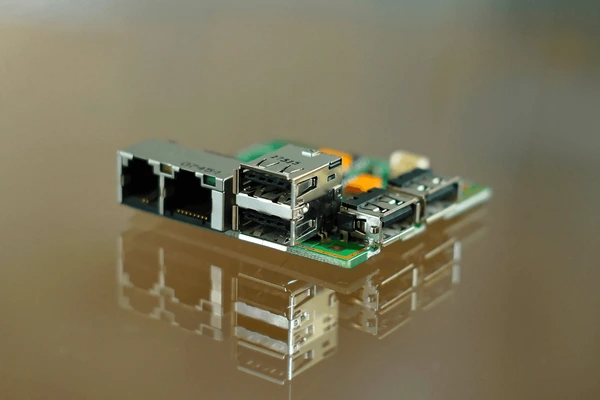
Key Components of a Microcomputer
- Central Processing Unit (CPU): The “brain” of the microcomputer that performs calculations and processes data.
- Memory (RAM and ROM): Temporary storage (RAM) for active data and permanent storage (ROM) for essential instructions.
- Input/Output Devices: Keyboard, mouse, display screen, and other peripherals that allow interaction with the computer.
- Storage Devices: Hard drives, solid-state drives (SSD), and flash storage provide long-term data storage.
- Motherboard: The main circuit board that interconnects all the components and enables communication between them.
Evolution of Microcomputers
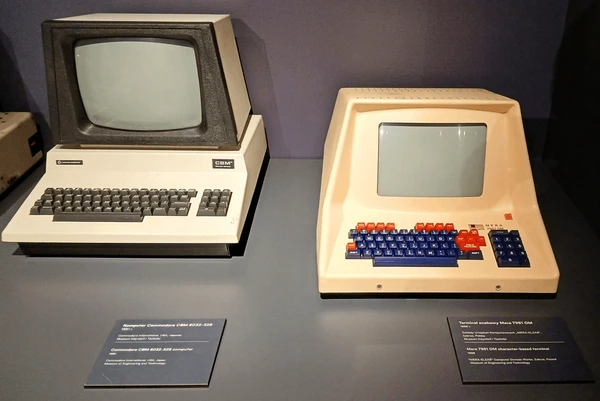
Microcomputer emerged in the 1970s, with the Altair 8800 being a notable development as the first commercially successful microcomputer kit. This marked the beginning of personal computing, as hobbyists could assemble their own computers. The launch of the Apple I and Apple II in the late 1970s and early 1980s further propelled microcomputer into the mainstream.
As microprocessors like the Intel 4004 and Intel 8080 evolved, microcomputer became more capable, compact, and affordable, fueling the rise of home computing and business applications. Today, microcomputer powers a wide range of devices, from smartphones to smartwatches, and play a critical role in the Internet of Things (IoT).
Types of Microcomputers
1. Personal Computers (PCs):
- Desktop Computers: These are designed for stationary use and offer high performance for tasks like gaming, video editing, and programming.
- Laptops and Notebooks: Portable versions of desktop computers, laptops combine power and mobility, making them popular for personal and professional use.
2. Embedded Systems:
- Smart Devices: Microcomputers are embedded in devices like smart TVs, fitness trackers, and home automation systems. These systems run specialized software designed to perform specific tasks.
- Automotive and Industrial Applications: Embedded microcomputers control vehicle systems, machinery, and factory equipment, improving efficiency and safety.
3. Single-Board Computers (SBCs):
- Raspberry Pi: The Raspberry Pi is a low-cost, compact SBC that has become widely used for learning programming, creating prototypes, and building custom projects.
- Arduino: Although technically a microcontroller, Arduino serves as a popular SBC used in DIY electronics and IoT applications.
4. Workstations:
- These high-performance microcomputers are designed for specialized tasks like 3D rendering, scientific computations, and data analysis.
Applications of Microcomputers
💡 Wondering about the diverse applications of microcomputers? Eureka Technical Q&A provides expert insights into how microcomputers are used in areas like automation, embedded systems, and personal computing, helping you understand their versatility and practical advantages across industries.
1. Home Computing:
- Microcomputers have revolutionized how individuals interact with technology. PCs and laptops are now essential tools for productivity, entertainment, education, and communication.
- Case Study: The Windows PC became the standard home computer during the 1990s, setting the stage for the widespread adoption of personal computing globally.
2. Business and Enterprise Solutions:
- Microcomputers have empowered small businesses with affordable computing power. Laptops and desktop systems allow companies to handle tasks ranging from accounting and customer management to design and software development.
- Case Study: The Apple Macintosh introduced graphical user interfaces (GUIs), which became a pivotal advancement for creative industries such as graphic design and video editing.
3. Embedded and IoT Systems:
- Microcomputers play a vital role in embedded systems, controlling everything from household appliances to industrial robots.
- Case Study: In manufacturing, companies use microcontroller-based systems to automate production lines, monitor equipment performance, and improve safety protocols.
4. Education:
- Microcomputers have democratized education, providing tools for research, communication, and learning at all levels.
- Case Study: Raspberry Pi has been widely adopted in schools to teach computer science, programming, and electronics, bridging the digital divide in developing countries.
5. Healthcare:
- In medical devices and healthcare systems, microcomputers enable real-time data processing for patient monitoring, diagnostic devices, and robotic surgery systems.
- Case Study: The GE Healthcare CT scanner utilizes microcomputers to process data, allowing for faster and more accurate medical imaging.
Application Cases
| Product/Project | Technical Outcomes | Application Scenarios |
|---|---|---|
| Automatic Control System Platform Tongji University | Improved signal stability, sensitivity, response speed, and cost-effectiveness through microcomputer integration | Intelligent optimization in automatic control systems, particularly in industrial automation |
| Microcomputer-based Intelligent Algorithm Suite Tongji University | Enhanced computing power for developing various intelligent optimization algorithms | Complex automatic control systems requiring advanced computational capabilities |
| Embedded Microcomputer Control Module Tongji University | Effective integration of microcomputers into automatic control systems for performance enhancement | Resource-constrained environments requiring efficient and responsive control systems |
Advantages of Microcomputers
- Cost-Effective: Microcomputers are significantly more affordable than larger systems like mainframes, making computing accessible to individuals and small businesses.
- Portability: Laptops and tablets provide mobility without sacrificing computational power, enabling users to work from virtually anywhere.
- Customization: Microcomputers, particularly SBCs like the Raspberry Pi, can be customized for specific applications, making them ideal for hobbyists, engineers, and educators.
- Energy Efficiency: Microcomputers consume less power compared to larger computing systems, making them more environmentally friendly and cost-efficient to operate.
Challenges in Microcomputer Development
- Security Concerns:
- As microcomputers are embedded in more connected devices, the security of these systems becomes a major concern. Vulnerabilities in firmware or software can leave devices exposed to cyberattacks.
- Processing Limitations:
- Although microcomputers offer great functionality, their microprocessors still limit their processing power. High-performance tasks may require more robust computing systems.
- Data Management:
- As microcomputers become increasingly integrated into business and industrial systems, managing the data they generate requires efficient storage and processing infrastructure.
The Future of Microcomputers
As technology evolves, microcomputers are becoming even more integral to everyday life. The growth of edge computing, AI, and machine learning will further expand their capabilities. Additionally, 5G connectivity and IoT integration will lead to a more connected, intelligent, and efficient world. The future holds exciting prospects for microcomputer, especially in fields like smart cities, automated factories, and personalized healthcare, where they will continue to enable innovation and streamline operations.
Conclusion
Microcomputers have revolutionized the way we work, learn, and live, from personal devices to industrial systems. Their continued evolution promises even greater capabilities in fields ranging from home automation to artificial intelligence. As new applications emerge, microcomputer will remain at the heart of modern technology, driving progress and innovation across all industries.
FAQs
1. What is the difference between a microcomputer and a mainframe?
Microcomputers are designed for personal or small-scale use and are much more affordable and compact than mainframes, which are large-scale systems used by corporations for complex data processing tasks.
2. How have microcomputers impacted education?
Microcomputers have made computing accessible to students and teachers, enabling remote learning, research, and educational applications, and facilitating the teaching of programming and robotics.
3. What are embedded systems?
Embedded systems are microcomputers integrated into devices like home appliances, cars, and medical equipment to perform specific tasks.
4. Can microcomputers handle business tasks?
Yes, modern microcomputers, including desktops and laptops, are powerful enough to handle business applications such as accounting, data management, and design.
5. What is the future of microcomputers?
The future of microcomputers includes their increased use in AI-driven applications, IoT devices, and edge computing, alongside innovations in low-power, high-efficiency technologies.
To get detailed scientific explanations of Microcomputers, try Patsnap Eureka.
