


Embedded systems are specialized computing systems designed to perform specific tasks within larger mechanical or electrical systems. Unlike general-purpose computers, embedded systems focus on dedicated functions, often in real-time environments. From home appliances to automotive control systems, embedded systems have become integral to many industries. This article explores the components, types, applications, and future of embedded systems, offering a comprehensive understanding of this essential technology.
What is an Embedded System?
An embedded system refers to a microprocessor-based computer system integrated into larger devices to perform dedicated functions. It includes a microcontroller, memory, storage, and I/O interfaces, all optimized to perform a specific task or set of tasks. Unlike general-purpose computers, which can run multiple applications, embedded systems execute a single function efficiently.
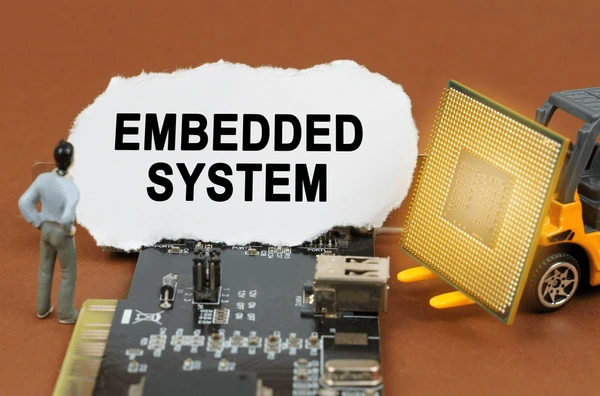
Key Components of an Embedded System
- Microcontroller/Microprocessor: This component serves as the heart of the embedded system, executing instructions and controlling operations.
- Memory: Embedded systems typically use volatile memory (RAM) for temporary storage and non-volatile memory (Flash, EEPROM) for storing firmware and data.
- Input/Output Interfaces: These allow communication with external devices, such as sensors, actuators, displays, and user input devices like buttons or keyboards.
- Sensors and Actuators: Sensors gather data from the environment, while actuators perform physical actions based on the system’s commands.
- Power Supply: Embedded systems often require strict power management, especially in portable or remote applications.
- Firmware: Custom firmware or software controls the hardware’s operations and is typically stored in non-volatile memory.
Types of Embedded Systems
1. Small-Scale Embedded Systems:
These systems handle specific tasks in small devices with minimal hardware, such as home appliances like washing machines or microwaves.
2. Medium-Scale Embedded Systems:
Medium-scale systems offer more complex functionality and appear in devices like printers, cameras, and vending machines. They often rely on real-time operating systems (RTOS) to manage concurrent tasks.
3. Large-Scale Embedded Systems:
These systems integrate multiple processors and serve in high-demand applications like industrial machines, automobiles, and medical devices.
4. Real-Time Embedded Systems:
Real-time embedded systems must meet strict timing constraints. Applications include avionics, medical monitoring systems, and automotive control units.
💡 Curious about the different types of embedded systems? Eureka Technical Q&A offers detailed explanations of the various embedded system architectures, helping you choose the right system for your application and optimize its performance in fields like automotive, consumer electronics, and industrial automation.

Applications of Embedded Systems
1. Automotive
Embedded systems are crucial in modern vehicles, controlling functions such as engine management, braking systems, and infotainment. Advanced driver-assistance systems (ADAS) rely heavily on embedded systems for tasks like adaptive cruise control and lane-keeping assistance.
- Case Study: Tesla’s Autopilot uses embedded systems to process real-time sensor data, enabling autonomous driving features.
2. Consumer Electronics
Embedded systems power everyday consumer devices, including smartphones, smart TVs, smartwatches, and gaming consoles.
- Case Study: Samsung Smart TVs use embedded systems to handle multimedia processing, user interfaces, and network connectivity.
3. Industrial Automation
Embedded systems are integral to robotics, assembly lines, and factory automation, facilitating real-time monitoring and control.
- Case Study: Companies like Siemens and Rockwell Automation provide embedded solutions for industrial control systems, enabling efficient process management and remote diagnostics.
4. Healthcare
Embedded systems are pivotal in medical devices for monitoring and diagnostics, such as pacemakers, infusion pumps, and X-ray machines.
- Case Study: Medtronic’s pacemaker is an embedded system that monitors and adjusts heart rhythms in real-time, providing life-saving functionality.
5. Telecommunications
Embedded systems support network routers, base stations, and 5G infrastructure, handling tasks like data transfer, signal processing, and device management.
- Case Study: Cisco’s network switches incorporate embedded systems for packet routing, data transfer, and network security.
6. Aerospace
In aerospace, embedded systems control navigation, flight control, and communication systems.
- Case Study: The Boeing 787 Dreamliner utilizes embedded systems for managing flight control, propulsion systems, and in-flight entertainment.
Benefits of Embedded Systems
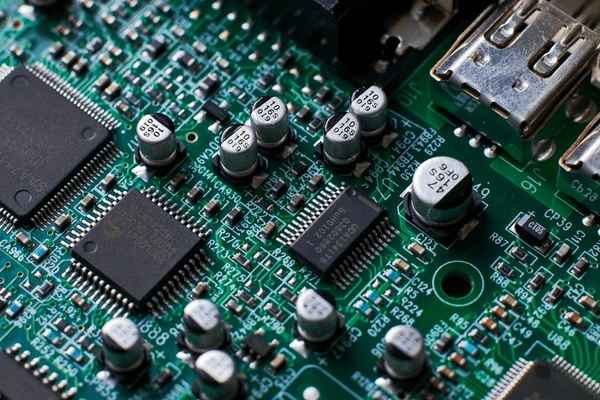
- Efficiency and Performance:
Embedded systems optimize resources for specific tasks, ensuring high performance and efficiency in real-time environments. - Cost-Effectiveness:
By focusing on single-purpose functions, embedded systems reduce production and operational costs. - Size and Portability:
These systems are compact and lightweight, making them ideal for use in portable or space-constrained devices. - Reliability:
Embedded systems are built to be robust and reliable, often operating continuously without failure. - Power Efficiency:
Many embedded systems are designed for low power consumption, essential for battery-operated or remote applications.
Challenges in Embedded System Development
- Resource Constraints:
Embedded systems often face limitations in processing power, memory, and storage. Developers must optimize both hardware and software to ensure functionality. - Security Risks:
As embedded systems become more connected to the internet, cybersecurity concerns rise. Systems must be secured through firmware updates, authentication protocols, and encryption. - Real-Time Requirements:
In critical applications like medical devices and automotive safety systems, ensuring real-time performance can be challenging, especially in high-demand environments. - Integration with IoT:
As the Internet of Things (IoT) expands, embedded systems must seamlessly connect, communicate, and share data across devices and networks.
Industry-Specific Design Considerations
| Industry | Key Requirements | Typical Architecture | Performance Metrics |
|---|---|---|---|
| Automotive | ASIL-D compliance, -40°C to 125°C | Dual-core Lockstep Cortex-R52 | 99.999% fault detection rate |
| Medical | IEC 62304 Class C certification | Cortex-M7 with ECC memory | <50ms system response |
| Industrial | SIL-3 safety level | Xilinx Zynq UltraScale+ MPSoC | 1Gbps EtherCAT throughput |
| Consumer IoT | BLE 5.2 connectivity | RISC-V SoC with 802.15.4 PHY | 10µA sleep current |
Future of Embedded Systems
- AI and Machine Learning Integration:
Embedded systems are incorporating more advanced algorithms for tasks such as predictive maintenance, speech recognition, and real-time decision making. - Increased Connectivity:
As IoT devices proliferate, embedded systems will become more interconnected, enabling smarter homes, cities, and industries. - Low Power and High Performance:
Future embedded systems will focus on achieving a balance between low power consumption and enhanced computational power. - Autonomous Systems:
Embedded systems will play a pivotal role in autonomous technologies, from self-driving vehicles to robotic devices.
Conclusion
Embedded systems are fundamental to modern technological innovations, powering a wide range of devices and systems that influence our daily lives. From smartphones to industrial control systems, these systems provide efficient, reliable, and cost-effective solutions. As technology advances, embedded systems will continue to evolve, enabling even more groundbreaking applications across various industries.
FAQs
1. What sets embedded systems apart from general-purpose computers?
Embedded systems are designed for specific tasks, unlike general-purpose computers that perform a variety of functions. They are optimized for efficiency, size, and reliability.
2. What are the common types of microcontrollers used in embedded systems?
Common microcontrollers include ARM Cortex, AVR, PIC, and ESP32, each chosen for its specific advantages in terms of processing power and energy efficiency.
3. Can embedded systems be programmed?
Yes, embedded systems are typically programmed in C, C++, or Embedded C for real-time applications.
4. How do embedded systems impact industries beyond electronics?
Embedded systems are crucial in sectors like automotive, healthcare, aerospace, and telecommunications, where they manage critical functions such as navigation, data processing, and real-time monitoring.
5. How do embedded systems improve factory operations?
Embedded systems streamline operations by automating processes, improving efficiency, and offering real-time monitoring and diagnostics in manufacturing settings.
To get detailed scientific explanations of embedded systems, try Patsnap Eureka.
