


In the ongoing debate of Python vs. Java, the choice of programming language often hinges on the specific needs of your project. As of 2025, these two powerhouse languages continue to dominate the software development landscape. While Python excels in fields like data science and machine learning, Java remains the preferred option for high-performance applications and enterprise-level systems. This article breaks down the key differences between Python vs. Java, examines their real-world applications, and provides a data-driven perspective to help you choose the best language for your next development project.

Python vs. Java: Overview and Key Features
Python
- Type: Interpreted, dynamically typed, high-level programming language.
- Strengths: Simplicity, readability, rapid prototyping, and a wide range of libraries and frameworks.
- Best For: Data science, machine learning, web development, automation, and scripting.
Java
- Type: Compiled, statically typed, object-oriented programming language.
- Strengths: Performance, scalability, reliability, and enterprise-level capabilities.
- Best For: Enterprise applications, mobile app development (Android), web services, and big data processing.
Key Differences: Python vs. Java
Syntax and Readability
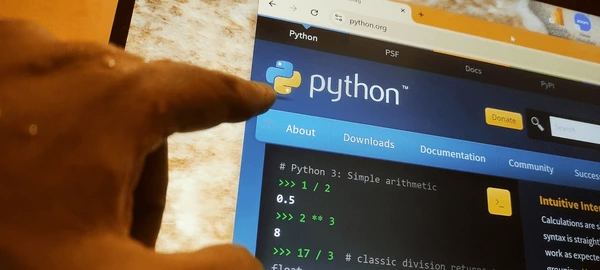
- Python: Known for its clean and readable syntax, Python makes use of indentation to define code blocks, making it an ideal choice for beginners.
- Java: Java’s syntax is more verbose and requires explicit type declarations.
While Python’s simplicity promotes faster learning, Java’s more structured approach ensures type safety and reduces runtime errors, making it better suited for large-scale, complex systems.
Performance
- Python: As an interpreted language, Python is generally slower than Java. However, Python compensates with highly optimized libraries like NumPy and TensorFlow, which leverage C/C++ for performance-heavy tasks in areas like machine learning and AI.
- Java: Java is known for its superior performance due to Just-In-Time (JIT) compilation and its compiled nature. It is ideal for large-scale applications and CPU-intensive tasks, which is why it is frequently used in high-performance systems such as financial platforms and big data analytics.
Ecosystem and Libraries
- Python: Python’s ecosystem is vast and growing, especially in fields such as machine learning (TensorFlow, PyTorch), web development (Django, Flask), and data analysis (Pandas, NumPy). Python’s extensive library support makes it a versatile choice for a variety of applications.
- Java: Java’s robust ecosystem is heavily favored in enterprise settings. Frameworks like Spring and Hibernate are standard for developing large-scale applications, while Hadoop and Spark are used for big data processing. Additionally, Java’s Android SDK powers millions of mobile apps globally.
Platform Independence
- Python: While Python can run on multiple platforms, it requires an interpreter, which sometimes leads to compatibility issues.
- Java: Java is known for its “write once, run anywhere” philosophy thanks to the Java Virtual Machine (JVM). This makes Java an ideal choice for cross-platform applications, as it allows you to develop on one platform and deploy on many.
Real-World Use Cases: Python vs. Java
Python in Action
- Data Science: Python’s dominance in data science is undisputed. Libraries like Pandas and Scikit-learn make Python the go-to language for analyzing data and building machine learning models. Companies like Netflix and Spotify use Python for data processing and recommendation algorithms.
- Web Development: Frameworks like Django and Flask allow rapid web application development. Social media platforms like Instagram and Pinterest have successfully built their backend systems using Python.
- Automation: Python’s easy syntax makes it perfect for scripting and automation tasks. Google uses Python extensively for automating its infrastructure management.
Java in Action
- Enterprise Applications: Java’s performance and scalability make it the preferred language for large-scale enterprise applications. Major companies like Amazon and LinkedIn rely on Java for their backend systems and microservices architecture.
- Android Development: Java is the official language for Android development. More than 70% of Android apps are written in Java, making it the cornerstone of the mobile app ecosystem.
- Big Data: Java is widely used in the big data ecosystem, with frameworks like Hadoop and Spark handling large-scale data processing. Companies like Twitter use these tools for real-time data analytics.
Learning Curve and Community Support
Python
- Learning Curve: Python is often praised for its low learning curve, especially for beginners. The language’s clean syntax and real-time code execution through its interactive shell make it an ideal choice for newcomers to programming.
- Community: Python boasts one of the largest and most active programming communities. Its rich ecosystem of documentation, tutorials, and open-source projects ensures comprehensive support for developers at every level.
Java
- Learning Curve: Java requires a more structured approach, which can make it harder to learn initially. However, its robust object-oriented principles and strict syntax provide a solid foundation for understanding software development.
- Community: Java’s community is well-established, with years of expertise available through forums, documentation, and tutorials. Its long presence in the industry means there’s a wealth of knowledge to draw from for problem-solving and development best practices.

Future Trends: Python vs. Java in 2025
Python
Python continues to dominate fields like artificial intelligence (AI), machine learning, and data science. As advancements in frameworks like PyTorch and FastAPI emerge, Python’s capabilities are expanding. The rise of AI-driven tools, such as Perplexity vs. ChatGPT, will further cement Python’s role in the future of machine learning and AI development.
Java
Java is making strides in AI and cloud-native development. With projects like Langchain4J and Spring AI, Java is positioning itself as a strong player in AI applications. Additionally, Java’s upcoming enhancements through Project Valhalla and Project Panama promise to improve performance, especially in GPU computing and AI integration.
Python vs. Java: Which One Should You Choose?
Choose Python If:
- You require rapid prototyping and ease of development.
- Your project focuses on machine learning, data science, or automation.
- You prioritize simplicity, readability, and a beginner-friendly syntax.
Choose Java If:
- You’re building enterprise-level applications that require scalability and reliability.
- Your project needs cross-platform compatibility.
- You’re developing mobile applications, particularly Android apps, or working with big data.
Conclusion: Python vs. Java in 2025
When deciding between Python vs. Java, consider the strengths of each language in relation to your specific project needs. Python remains the dominant language in AI, machine learning, and data science, while Java continues to lead in enterprise and high-performance applications. By understanding the key differences and real-world use cases, you can make a well-informed decision about which language is right for your next development project.
To get detailed scientific explanations of Python vs. Java, try Patsnap Eureka.
