


When comparing two popular graphics cards, the NVIDIA GeForce GTX 1660 Ti and the GTX 1070, it’s important to consider several factors, such as architecture, performance, power efficiency, and pricing. Although both are geared toward gamers seeking a balance of performance and value, they come from different generations, and their underlying technologies differ in significant ways. This article will dive into the specifications, performance, and real-world use cases of the GTX 1660 Ti vs. GTX 1070, helping you decide which GPU suits your needs.
Overview of the GTX 1660 Ti and GTX 1070
GTX 1660 Ti Overview
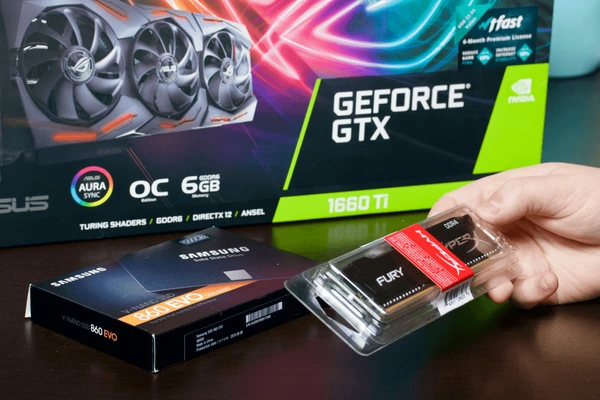
Released in 2019, the GTX 1660 Ti is based on the Turing architecture and comes with 6GB of GDDR6 memory. Unlike its more expensive counterparts, such as the RTX 20 series, the 1660 Ti lacks dedicated hardware for ray tracing and AI-based technologies like DLSS. However, it still delivers solid performance for gaming at 1080p and 1440p resolutions, offering great value for gamers on a budget.
GTX 1070 Overview
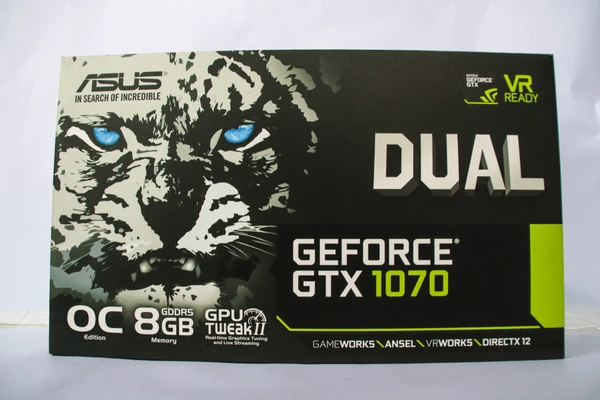
Launched in 2016, the GTX 1070 is part of the Pascal architecture and features 8GB of GDDR5 memory. Despite being an older model, the 1070 has a strong reputation for delivering excellent performance in 1440p gaming and even some 4K gaming at medium settings. It also features a more robust performance in compute-heavy tasks compared to the GTX 1660 Ti, thanks to its higher CUDA core count and memory bandwidth.
Key Differences Between the GTX 1660 Ti and GTX 1070
Architecture and CUDA Cores
- GTX 1660 Ti: Built on Turing architecture, with 1,536 CUDA cores.
- GTX 1070: Built on Pascal architecture, with 1,920 CUDA cores.
The Pascal architecture in the 1070 is older but offers better raw processing power compared to the 1660 Ti’s Turing architecture. However, the Turing architecture benefits from newer optimizations for power efficiency and better clock speeds.
Memory and Bandwidth
- GTX 1660 Ti: Equipped with 6GB of GDDR6 memory and 192GB/s memory bandwidth.
- GTX 1070: Equipped with 8GB of GDDR5 memory and 256GB/s memory bandwidth.
The GTX 1070 has more memory and higher memory bandwidth, giving it an advantage in tasks requiring large datasets or higher resolutions. However, the GDDR6 memory in the GTX 1660 Ti provides faster speeds than the GDDR5 memory in the 1070, which can help in certain scenarios, especially in gaming.
💡 Confused between the GTX 1660 Ti and GTX 1070? Eureka Technical Q&A breaks down the key differences in performance, VRAM, and price, providing expert guidance to help you choose the right GPU based on your gaming or professional needs.

Performance and Gaming Benchmarks
- GTX 1660 Ti: Best suited for 1080p and 1440p gaming at high settings. It delivers solid performance in titles like Shadow of the Tomb Raider and Far Cry New Dawn, but may struggle with the most demanding games at 4K.
- GTX 1070: Performs excellently in 1440p and can even handle 4K gaming at medium settings. It is capable of delivering higher frame rates and smoother gameplay in more graphically intensive titles compared to the GTX 1660 Ti.
Ray Tracing and DLSS
- GTX 1660 Ti: Does not support ray tracing or DLSS (Deep Learning Super Sampling), which are available in NVIDIA’s RTX series cards.
- GTX 1070: Also lacks ray tracing and DLSS support, but its higher core count and memory give it a better edge in older and more demanding games compared to the 1660 Ti.
Power Consumption
- GTX 1660 Ti: With a TDP of 120W, it’s more power-efficient than the 1070, making it a great choice for those who want good performance without high power usage.
- GTX 1070: Has a TDP of 150W, requiring more power for slightly higher performance.
Performance and Use Cases
Gaming
- GTX 1660 Ti: Ideal for gamers looking for excellent performance at 1080p and 1440p, offering smooth gameplay in most modern titles at high settings. It’s perfect for users on a budget who still want to play graphically demanding games at good frame rates.
- GTX 1070: A better option for those looking to game at 1440p or 4K, with better raw power and the ability to handle more demanding titles with higher graphical fidelity. It’s also a good choice for those who may consider VR gaming, which demands higher GPU power.
Content Creation
- GTX 1660 Ti: While it can handle basic video editing and 3D rendering tasks, it lacks the computational power required for heavy workloads. The 1660 Ti is ideal for lighter content creation workflows or for entry-level creators.
- GTX 1070: Offers stronger performance for video editing, 3D rendering, and CAD tasks due to its higher memory and bandwidth, making it a better choice for mid-level creators working with larger files.
Price-to-Performance
- GTX 1660 Ti: Positioned as a mid-range GPU, it offers excellent value for gamers on a budget, providing great performance for 1080p and 1440p gaming at a lower price point.
- GTX 1070: Although older, it’s still a good value for gamers who want to game at 1440p or even 4K without breaking the bank. It offers strong performance for those who need more power but don’t want to jump to the RTX series.
Conclusion
Both the GTX 1660 Ti and GTX 1070 offer solid performance, but they target different user groups. The GTX 1660 Ti is perfect for budget-conscious gamers who want strong 1080p and 1440p performance. On the other hand, the GTX 1070 delivers higher performance at 1440p and 4K, making it a better choice for gamers seeking longevity in demanding titles or content creators working with heavier workloads.
If you’re after a more power-efficient option with good value at lower resolutions, the GTX 1660 Ti is a great choice. However, if you’re looking for a more versatile card that can handle higher resolutions and offer better performance in content creation and demanding games, the GTX 1070 will be more suitable.
FAQs
1.Which is better for 4K gaming: the GTX 1660 Ti or GTX 1070?
The GTX 1070 is better suited for 4K gaming, although it may require medium settings in some demanding titles. The 1660 Ti struggles at 4K.
2. Can the GTX 1660 Ti handle VR?
Yes, the GTX 1660 Ti can handle VR gaming at 1080p or 1440p, offering a smooth experience in less demanding VR titles.
3. Which GPU is better for content creators: the GTX 1660 Ti or GTX 1070?
The GTX 1070 is better for content creation due to its higher memory capacity and bandwidth, which is crucial for video editing, 3D rendering, and other creative tasks.
4. How do the 1660 Ti and 1070 compare in terms of power consumption?
The GTX 1660 Ti has a lower TDP (120W) compared to the GTX 1070 (150W), making it more power-efficient.
To get detailed scientific explanations of 1660 Ti vs. 1070, try Patsnap Eureka.
