


The transition from AM4 to AM5 has generated significant interest among gamers, content creators, and PC enthusiasts. Both sockets serve as the foundation for AMD’s processors, but they cater to different generations and offer varying performance and compatibility. This article compares AM4 vs. AM5 in terms of architecture, compatibility, performance, and future-proofing, helping you decide which socket best suits your needs.
Overview of AM4 and AM5
AM4 Overview
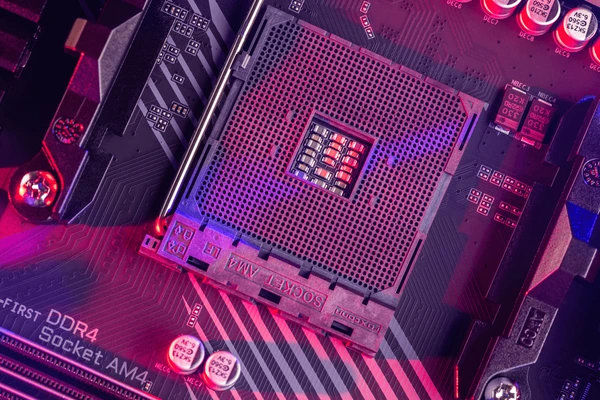
Introduced in 2017, the AM4 socket supports AMD’s Ryzen 1000 to 5000 series processors. This socket marked a major leap over previous AMD platforms, offering improved performance and wider compatibility. The AM4 platform has remained popular due to its flexibility and strong performance across a wide range of use cases, from budget builds to high-end systems.
AM5 Overview
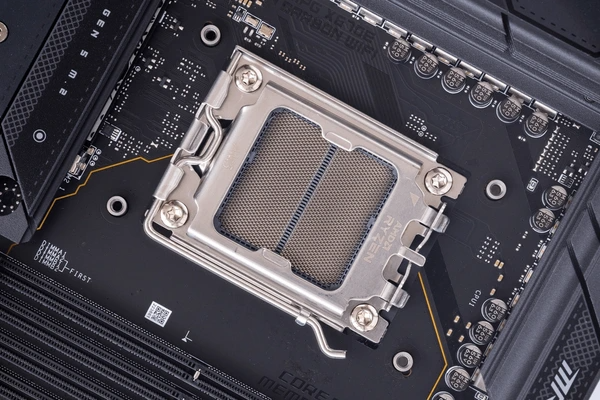
The AM5 socket debuted in 2022 with the Ryzen 7000 series processors based on the Zen 4 architecture. This socket brings the latest technology to the table, including DDR5 memory, PCIe 5.0, and better power delivery for high-performance workloads. AM5 aims to offer more longevity, supporting upcoming generations of processors and high-end components.
Key Differences Between AM4 and AM5
The AM4 and AM5 sockets represent two different generations of AMD’s CPU platforms, each with distinct features and capabilities.
| Feature | AM4 | AM5 |
|---|---|---|
| Launch Year | 2017 | 2022 |
| Processor Compatibility | Ryzen 1000 to Ryzen 5000 series | Ryzen 7000 series (Zen 4) |
| Memory | DDR4 | DDR5 |
| PCIe Support | PCIe 3.0/4.0 (varies by board) | PCIe 5.0 |
| Max RAM Capacity | 64GB | 128GB |
| Chipset Options | B350, B450, B550, X570 | B650, X670, X670E |
| Power Delivery | 95W (common) | Up to 170W (on high-end boards) |
| Backwards Compatibility | Yes, with Ryzen 1000 to 5000 CPUs | No backwards compatibility |
Detailed Comparison
💡Still deciding between AM4 and AM5? Eureka Technical Q&A provides expert insights into the architecture and performance differences, helping you compare key features like compatibility, power efficiency, and processing speed to choose the ideal platform for your build.

Architecture and Performance
- AM4: The AM4 socket supports AMD’s Zen, Zen 2, and Zen 3 architectures. Ryzen processors on AM4 provide strong performance for both gaming and productivity. Models like the Ryzen 5600X offer excellent value for high-end gaming, while the Ryzen 5800X delivers solid performance for more demanding tasks.
- AM5: The AM5 platform supports the Zen 4 architecture, offering better performance across the board. Thanks to improved IPC (instructions per clock) and higher clock speeds, Zen 4 processors deliver notable gains over their AM4 counterparts, especially in gaming and multi-threaded tasks. For example, the Ryzen 7900X outperforms many AM4 processors by a wide margin in both gaming and content creation.
Memory Support
- AM4: The AM4 socket supports DDR4 memory, which is still a solid choice for most users. While DDR4 offers good performance, it is beginning to show its age as newer standards take the stage.
- AM5: AM5 supports DDR5 memory, which provides better speeds, bandwidth, and lower latency. DDR5 also offers the ability to handle larger memory capacities—up to 128GB—compared to AM4’s 64GB. This makes AM5 a better choice for users planning for future memory needs.
PCIe Support
- AM4: Initially launched with PCIe 3.0, the AM4 platform later introduced support for PCIe 4.0 on higher-end boards. PCIe 4.0 is faster than PCIe 3.0 and allows for improved performance in gaming, storage, and GPUs.
- AM5: The AM5 platform introduces PCIe 5.0, which doubles the bandwidth of PCIe 4.0. This is crucial for next-gen GPUs and ultra-fast storage devices. PCIe 5.0 ensures AM5 can handle future technology demands, making it the more future-proof choice.
Chipset and Expansion
- AM4: AM4 features a wide range of chipset options, including the B350, B450, B550, and X570. These chipsets cater to different users, from budget builders to enthusiasts.
- AM5: The AM5 platform includes the B650, X670, and X670E chipsets, offering greater support for overclocking, PCIe 5.0, and better power delivery. These chipsets unlock the full potential of Zen 4 processors and provide greater flexibility for users who want cutting-edge performance.
Power Delivery
- AM4: AM4 motherboards typically have a 95W TDP limit for most processors. However, high-end boards with more robust power delivery systems can push this a bit higher.
- AM5: The AM5 platform offers support for processors with higher TDPs (up to 170W for the top models). This enables better overclocking and the ability to sustain peak performance in demanding tasks.
Use Cases and Future-Proofing
AM4 Use Cases
- Budget Builds: AM4 remains an excellent choice for those on a budget. Ryzen 5000 series CPUs, like the Ryzen 5600X, offer strong performance in gaming and productivity tasks at a more affordable price.
- Mid-Range Systems: For users who don’t need the latest technologies, AM4 is a cost-effective choice that still provides excellent performance for most tasks.
AM5 Use Cases
- High-End Gaming: The AM5 platform is the best option for building cutting-edge gaming systems. Thanks to DDR5 memory and PCIe 5.0, AM5 offers better future-proofing and superior gaming performance, especially with Zen 4 processors.
- Content Creation and Workstations: AM5 is ideal for content creators, video editors, and other professionals who need high performance for demanding applications. With DDR5, PCIe 5.0, and support for Zen 4 processors, AM5 offers the power and scalability needed for professional workflows.
Cost and Value Proposition
- AM4: As a well-established platform, AM4 provides a lower initial cost, making it an attractive choice for those building systems on a budget. Ryzen 5000 series CPUs, like the Ryzen 5600X, offer great value for gaming and general use.
- AM5: While AM5 is more expensive, it is a future-proof platform. The added cost is justified by its support for DDR5, PCIe 5.0, and its ability to accommodate future generations of Zen 4 processors. AM5 is an investment in longevity.
Which Socket Should You Choose: AM4 or AM5?
- Choose AM4 if you’re looking for solid gaming and productivity performance without needing the latest technologies. It’s perfect for budget-conscious users or those who don’t require the latest standards.
- Choose AM5 if you need next-gen performance and want to stay ahead with DDR5 and PCIe 5.0. This is the better choice if you’re building a high-performance system or want to ensure your PC is ready for the future.

Conclusion
While AM4 remains a reliable platform for budget and mid-range builds, AM5 offers the best performance and future-proofing for high-end systems. For users looking for the latest technologies and the most powerful processors, AM5 is the clear choice. However, if you don’t need the cutting-edge features, AM4 still offers great value for money.
FAQs
- Is AM4 still good for gaming?
Yes, AM4 offers solid gaming performance, especially with Ryzen 5000 series processors like the Ryzen 5600X. - Should I upgrade to AM5?
If you want DDR5, PCIe 5.0, and support for Zen 4 processors, upgrading to AM5 makes sense. If your current system is sufficient, AM4 remains a great option. - Can AM5 support future Ryzen processors?
Yes, AM5 is designed to support future Ryzen processors, ensuring it stays relevant for many years. - What is the advantage of AM5 over AM4?
AM5 offers faster memory, greater PCIe bandwidth, and better power delivery, making it the better choice for performance-heavy tasks and future-proofing.
To get detailed scientific explanations of AM4 vs. AM5, try Patsnap Eureka.
