


What Is IP67?
The IP (Ingress Protection) rating system is an international standard used to measure how well a device or enclosure is protected against solid particles and liquids. Among the various ratings, IP67 stands out for offering exceptional durability and resistance, making it ideal for demanding industrial and outdoor environments. This article explores what an IP67 rating means, its advantages, and its practical applications to help you understand why it’s a trusted choice for robust equipment.
Understanding IP Ratings: What Each Number Means
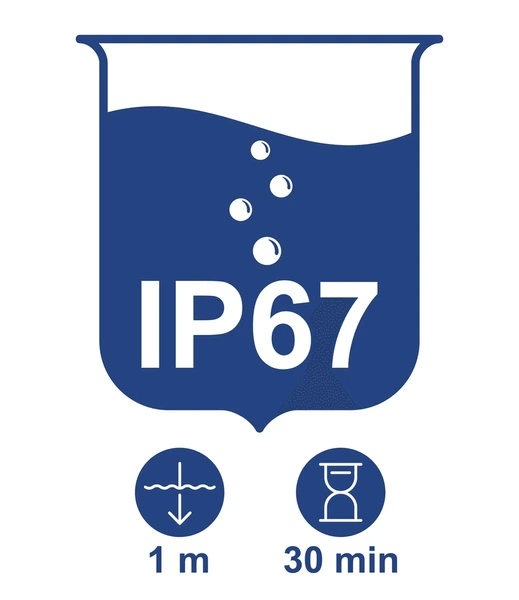
IP (Ingress Protection) ratings are global standards that measure how well an enclosure protects against solid objects and liquids. Each rating includes two digits, with the first digit indicating protection against solids and the second digit showing resistance to liquids. Here’s a closer look at what these ratings mean.
First Digit: Protection Against Solid Objects
- 0: No protection against solid objects.
- 1: Blocks solid objects larger than 50mm, such as accidental hand contact.
- 2: Shields against solid objects larger than 12.5mm, like fingers.
- 3: Protects against objects larger than 2.5mm, including tools and thick wires.
- 4: Prevents entry of objects larger than 1mm, such as small wires or screws.
- 5: Offers dust protection, allowing limited dust ingress without harmful deposits.
- 6: Ensures a dust-tight seal, completely blocking dust entry.
Second Digit: Protection Against Liquids
- 0: No protection against liquids.
- 1: Resists vertically falling water drops.
- 2: Protects against water drops when tilted up to 15 degrees.
- 3: Shields from spraying water at angles up to 60 degrees.
- 4: Blocks splashing water from any direction.
- 5: Resists low-pressure water jets from any direction.
- 6: Handles powerful water jets from any direction.
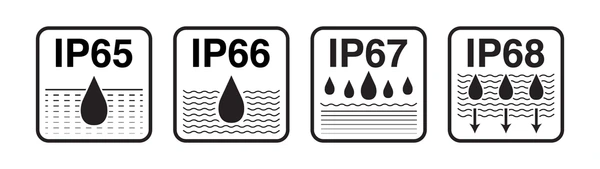
- 7: Protects against temporary immersion in water up to 1 meter deep.
- 8: Withstands continuous immersion in water deeper than 1 meter.
How IP67 Protects Against Water and Dust
Water Protection Mechanisms in IP67 Devices
IP67-rated devices use advanced design features and manufacturing techniques to achieve superior water resistance. Here are the key methods that ensure reliable protection against water ingress:
- Gaskets and Seals: Rubber gaskets or seals surround openings, ports, and joints to block water from entering.
- Waterproof Coatings: Manufacturers apply conformal coatings to circuit boards and components, forming a water-resistant barrier.
- Waterproof Housings: Enclosures are made from water-resistant materials and designed with precise tolerances to prevent leaks.
- Rigorous Testing: Devices undergo thorough water immersion and pressure tests to verify their water resistance capabilities.
Dust Protection Mechanisms in IP67 Devices
To achieve dust-tight protection (IP6X), manufacturers implement innovative techniques to keep dust particles out. Here’s how they ensure the highest level of dust resistance:
- Tight Enclosure Design: Enclosures are engineered with minimal gaps and openings to block dust entry.
- Gaskets and Seals: Similar to water protection, gaskets and seals are used at potential entry points to keep dust out.
- Air Filters: Devices with vents or fans use air filters to prevent dust particles from entering the enclosure.
- Comprehensive Testing: Dust chamber tests ensure no particles can penetrate the device, even in the harshest conditions.
Applications of IP67 in Everyday Devices
Mobile Devices: Smartphones and Tablets
Many modern smartphones and tablets come with IP67 ratings, making them reliable for use in wet or outdoor conditions. This protection ensures these devices remain safe from accidental splashes, rain, or brief water submersion, enhancing their durability for daily use.
Wearable Technology: Smartwatches and Fitness Trackers
Wearables like smartwatches and fitness trackers benefit greatly from IP67 protection. These devices can handle exposure to sweat, rain, and even accidental submersion during workouts or outdoor activities. This durability makes them ideal for active lifestyles.
Outdoor Equipment: Action Cameras and Portable Speakers
Rugged IP67-rated designs are a staple for outdoor gear like action cameras and portable speakers. These devices can withstand dust and water, making them perfect for adventures, beach outings, or even construction sites. Their durability ensures reliable performance in tough environments.
Industrial and Commercial Devices
IP67 ratings are essential for industrial devices such as handheld scanners and ruggedized laptops. These devices operate reliably in harsh environments, protecting against dust, moisture, and occasional water splashes. This makes them invaluable in construction, manufacturing, and other demanding fields.
Application Cases
| Product/Project | Technical Outcomes | Application Scenarios |
|---|---|---|
| Waterproof Rotating Cover and Elastic Pad Wistron Corp. | Effectively seals expansion interfaces of portable devices, providing reliable waterproofing for harsh environments. | Portable electronic devices used in outdoor or rugged conditions requiring IP67 protection. |
| Ventilation System with Adaptive Protective Means Vacon Oy | Directs airflow for efficient cooling while maintaining IP standards through adaptive protective openings. | Electrical devices requiring IP67 protection and effective cooling solutions. |
IP67 vs Other IP Ratings
IP67: Dust-Tight and Water-Resistant to 1 Meter
- Solid Protection: Completely dust-tight, ensuring no particle ingress.
- Water Protection: Withstands temporary immersion in water up to 1 meter for 30 minutes.
- Ideal For: Harsh environments, outdoor gear, and industrial applications.
IP65: Dust-Tight and Resistant to Water Jets
- Solid Protection: Offers complete dust protection.
- Water Protection: Handles low-pressure water jets from any direction.
- Best Use Cases: Outdoor lights, security cameras, and enclosures exposed to rain.
IP54: Dust-Resistant and Splash-Proof
- Solid Protection: Resists limited dust ingress without harmful deposits.
- Water Protection: Protected against splashing water from any direction.
- Best Use Cases: Office electronics and devices in light outdoor use.
IP44: Limited Dust and Water Protection
- Solid Protection: Blocks solid objects larger than 1mm, such as small tools or wires.
- Water Protection: Shields against splashes from any direction.
- Best Use Cases: Indoor lighting and basic household devices.
Is IP67 the Right Standard for Your Needs?
When IP67 is the Ideal Choice
- Outdoor Enthusiasts: If you frequently use devices in rain, at the beach, or during outdoor adventures, IP67 offers reliable protection against water and dust.
- Active Lifestyles: For wearables like smartwatches and fitness trackers, IP67 ensures they can handle sweat, rain, and accidental water exposure.
- Industrial and Commercial Use: Devices used in harsh environments, such as ruggedized laptops or handheld scanners, benefit from IP67’s dust-tight and water-resistant properties.
- High-End Electronics: Premium gadgets like smartphones, tablets, and portable speakers with IP67 ratings provide peace of mind for everyday use in unpredictable conditions.
When Another IP Rating Might Be Better
- Lower Risk Environments: For indoor or low-risk scenarios, IP54 or IP44 might offer adequate protection at a lower cost.
- Continuous Water Exposure: If a device needs to withstand continuous submersion, consider IP68, which provides better water resistance.
- Basic Protection Needs: For devices exposed to occasional splashes or dust, IP65 might be a more practical and cost-effective choice.
To get detailed scientific explanations of IP67, try Patsnap Eureka.
