


Introduction: Mirrorless vs DSLR – What’s the Difference?
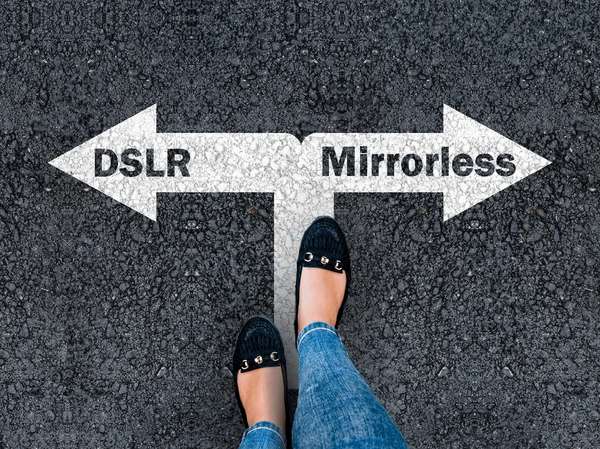
Mirrorless vs DSLR cameras represent two leading technologies in photography. While DSLRs use mirrors for optical viewfinders, mirrorless cameras eliminate this mechanism, relying on electronic displays. Both offer exceptional image quality, but their design and features cater to different needs.
Key Differences Between Mirrorless and DSLR
Imaging System Design
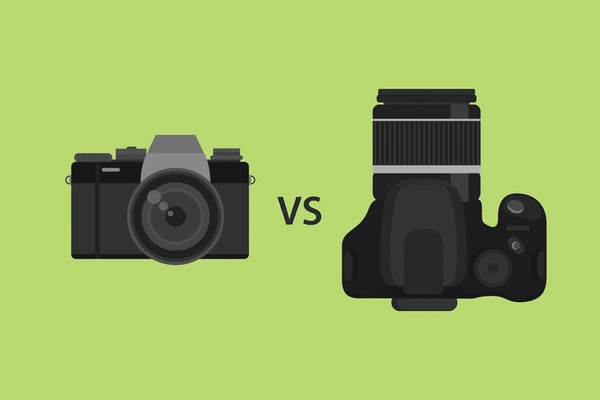
Mirrorless cameras lack the mirror box and optical viewfinder of DSLRs. Instead, they use an electronic viewfinder (EVF) or rear LCD screen to display the image preview from the sensor. This allows for a more compact and simplified camera body design. DSLRs use a mirror system to direct light from the lens to the optical viewfinder and image sensor.
Autofocus Performance
Modern mirrorless cameras often have superior autofocus capabilities compared to DSLRs, with more focus points spread across the entire image sensor. They can leverage on-sensor phase-detection autofocus for fast and accurate focusing, even during video recording. DSLRs typically have fewer focus points concentrated in the center of the frame.
Video Capabilities
Mirrorless cameras are generally better suited for video recording due to their electronic viewfinders, which allow for a live preview of the exposure and depth of field. They also offer advanced video features like focus peaking and zebra patterns. DSLRs can suffer from issues like viewfinder blackout during video recording.
Size and Weight
Without the mirror box and pentaprism, mirrorless cameras are typically smaller and lighter than their DSLR counterparts. This makes them more portable and suitable for travel photography. However, some professional-grade DSLRs may still have an ergonomic advantage with a larger grip and better balance with larger lenses.
Battery Life
DSLRs generally have longer battery life compared to mirrorless cameras due to their simpler imaging system and lack of constant live view. Mirrorless cameras consume more power to power the electronic viewfinder and image sensor continuously.
Lens Selection
Both DSLR and mirrorless systems offer a wide range of interchangeable lenses from their respective manufacturers. However, DSLRs have a longer history and a more extensive selection of native lenses, especially for specialized applications like sports and wildlife photography.
Future Outlook
While DSLRs have been the traditional choice for professional photographers, mirrorless cameras are rapidly gaining ground and are expected to eventually replace DSLRs as the dominant interchangeable lens camera system. Major camera manufacturers are investing heavily in mirrorless technology, with some even discontinuing new DSLR development.

Advantages of Mirrorless Cameras
- Compact and Lightweight Design: Mirrorless cameras are significantly smaller and lighter than traditional DSLRs due to the absence of a bulky mirror box and pentaprism viewfinder. This makes them more portable and convenient for travel and outdoor photography.
- Electronic Viewfinder (EVF): Mirrorless cameras use an EVF, which provides a real-time preview of the image, including exposure settings and white balance adjustments, allowing for more accurate framing and exposure control.
- Faster Autofocus Performance: Many modern mirrorless cameras feature advanced autofocus systems with a higher number of focus points, faster focus acquisition, and improved subject tracking capabilities compared to DSLRs.
- Improved Video Capabilities: Mirrorless cameras often excel in video recording, offering features like advanced autofocus tracking, high-resolution video modes (4K, 6K), and better stabilization systems.
- Silent Operation: Without a mirror mechanism, mirrorless cameras operate silently, making them ideal for situations where discretion is required, such as wildlife photography or event coverage.
Advantages of DSLR Cameras
- Optical Viewfinder: DSLRs offer a bright, clear, and lag-free optical viewfinder, which some photographers prefer for precise framing and composition.
- Battery Life: DSLRs generally have longer battery life compared to mirrorless cameras, allowing for extended shooting sessions without frequent battery changes.
- Extensive Lens Selection: DSLRs have a wider range of compatible lenses, including high-quality professional-grade optics, due to their longer history and established lens mount systems.
- Rugged and Durable Construction: Many professional-grade DSLRs are built with robust weather-sealed bodies, making them better suited for harsh environments and challenging shooting conditions.
- Established Ecosystem: DSLRs have a well-established ecosystem of accessories, such as external flashes, battery grips, and remote controls, which may not be as widely available for mirrorless systems.
Use Cases for Mirrorless and DSLR Cameras
- Professional Photography: DSLRs have been the preferred choice for professional photographers due to their robust build, extensive lens ecosystems, and superior battery life. However, mirrorless cameras are gaining popularity for their compact size, advanced video capabilities, and innovative features.
- Scientific and Industrial Applications: Both camera types find use in scientific and industrial applications like photogrammetry, modal analysis, and dental photography. Mirrorless cameras offer advantages in size and weight, while DSLRs may provide better consistency in certain scenarios.
- Videography and Multimedia: Mirrorless cameras excel in video recording capabilities, making them suitable for multimedia applications, dental videography, and even high-dynamic-range (HDR) imaging techniques.
- Computational Photography: Innovations like light field cameras 5 and shutterless designs 6 are exploring new ways to capture and process images, leveraging the strengths of both mirrorless and DSLR architectures.
Challenges of Mirrorless and DSLR Cameras
Sensor Size and Image Quality
Mirrorless cameras typically have smaller image sensors compared to DSLRs, which can result in lower image quality, especially in low-light conditions and when shooting at high ISO settings. DSLRs, with their larger full-frame or APS-C sensors, generally produce better image quality, dynamic range, and low-light performance.
Autofocus Performance
DSLRs have traditionally had an advantage in autofocus performance, particularly in low-light situations and when tracking moving subjects. This is due to their use of dedicated phase-detection autofocus sensors. However, recent advancements in on-sensor phase-detection autofocus systems in mirrorless cameras have narrowed this gap.
Battery Life
Mirrorless cameras generally have shorter battery life compared to DSLRs, as they require power to operate the electronic viewfinder and other electronic components continuously. DSLRs can conserve battery life by using an optical viewfinder.
Viewfinder Experience
DSLRs offer an optical viewfinder, which provides a direct view of the scene through the lens, without any lag or delay. Mirrorless cameras use an electronic viewfinder (EVF), which can sometimes exhibit lag or color inaccuracies, especially in low-light conditions. However, EVFs also offer advantages, such as the ability to preview exposure settings and image processing effects in real-time.
Lens Selection and Compatibility
DSLRs have a larger selection of native lenses available, as they have been around longer. Mirrorless cameras may require adapters to use lenses designed for DSLRs, which can introduce compatibility issues or performance limitations. However, mirrorless camera manufacturers are rapidly expanding their lens lineups.
Size and Weight
Mirrorless cameras are generally smaller and lighter than DSLRs, as they do not require a complex mirror box and pentaprism system. This makes them more portable and suitable for travel photography. However, larger lenses can negate this size advantage.
Video Performance
Mirrorless cameras often have an advantage in video performance, as they can continuously autofocus during recording and offer features like focus peaking and zebra patterns for exposure monitoring. DSLRs can suffer from issues like rolling shutter and limited autofocus performance during video recording.
Conclusion: Mirrorless vs DSLR – Which Should You Choose?
Choosing between mirrorless and DSLR cameras depends on your preferences and shooting style. Mirrorless cameras are lightweight, feature-packed, and great for video, while DSLRs offer longer battery life and a vast ecosystem of lenses. Whether you’re a beginner or a pro, the right choice will enhance your photography journey.
FAQs
- Which is better for beginners, Mirrorless or DSLR?
Mirrorless cameras often have user-friendly features like real-time previews, making them ideal for beginners. - Do mirrorless cameras have better image quality than DSLRs?
Image quality is similar, as both use high-quality sensors. The difference lies in features and handling. - Can DSLR lenses be used on mirrorless cameras?
Yes, with the help of adapters, DSLR lenses can often be used on mirrorless cameras. - Is a mirrorless camera better for video?
Generally, yes. Mirrorless cameras excel in video with features like advanced autofocus and high-resolution recording. - Will DSLRs become obsolete?
While mirrorless cameras are growing in popularity, DSLRs remain reliable for many photographers and will still be supported.
To get detailed scientific explanations of Mirrorless vs DSLR, try Patsnap Eureka.
