


Modern smartphones, wearables, and TVs rely heavily on advanced display technology to deliver vibrant colors and deep contrast. You’ve likely encountered the terms POLED vs. AMOLED. Both use OLED technology but differ in their construction and materials.
This article explores the differences between POLED and AMOLED displays, covering how each works, their advantages, disadvantages, and which one may be better for your device.
POLED vs. AMOLED – What sets them apart? Eureka Technical Q&A breaks down their differences in substrate material, flexibility, and durability, helping you understand how each OLED display technology performs in real-world devices.

What Is POLED?
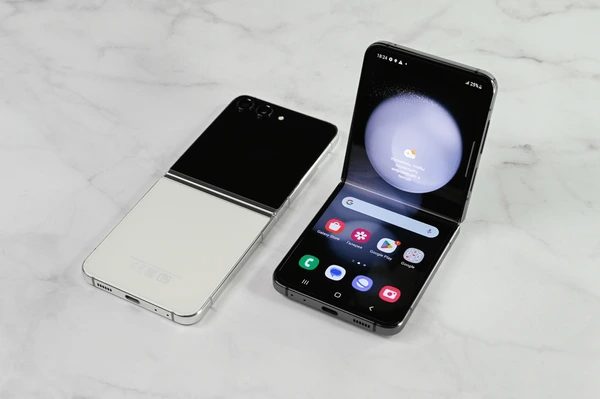
POLED stands for Plastic Organic Light-Emitting Diode. It is a variant of OLED display technology where a plastic substrate (usually polyimide) replaces traditional glass layers.
How POLED Works
POLED displays function the same way as any OLED: organic compounds emit light when electrically charged. The difference lies in the substrate material, which in POLED is flexible plastic. This allows manufacturers to create curved, foldable, or bendable displays.
Common Use Cases
- Foldable smartphones
- Curved-edge devices
- Smartwatches and wearable tech
- Lightweight, flexible displays in experimental devices
What Is AMOLED?
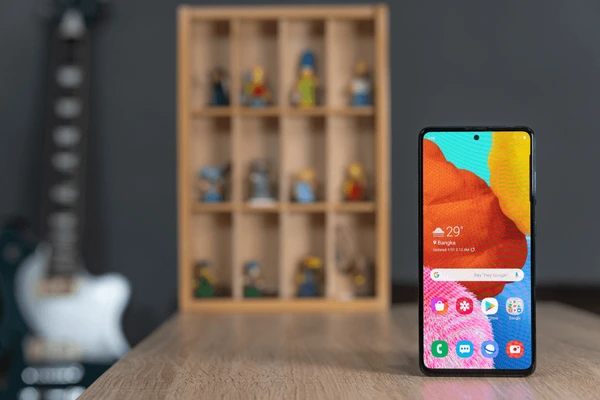
AMOLED stands for Active Matrix Organic Light-Emitting Diode. It refers to OLED panels with a thin-film transistor (TFT) backplane that actively controls each pixel. Most AMOLED displays use a glass substrate.
How AMOLED Works
A matrix of transistors individually controls each pixel in an AMOLED screen, and each pixel emits its own light. This results in high contrast, true blacks, fast response times, and high refresh rates.
Common Use Cases
- Premium smartphones and tablets
- OLED TVs
- Gaming devices
- VR headsets
POLED vs. AMOLED: Key Differences
POLED and AMOLED both use OLED technology but differ in structure, materials, and use cases. Here’s a closer look at how they compare.
Substrate Material
POLED uses a plastic substrate for added flexibility. In contrast, AMOLED typically relies on a rigid glass substrate.
Durability and Flexibility
POLED offers better durability because plastic resists shock better than glass. It also allows for thinner and lighter displays.
Design and Implementation
Designers use POLED to reduce bezel size by folding circuitry under the display edge. AMOLED places electronics on the same plane.
Production and Manufacturing
AMOLED panels use a TFT array to control charge more efficiently. This makes them more energy-efficient than older PMOLED displays.
Applications in Devices
Manufacturers use POLED in smartphones, smartwatches, and flexible screens. AMOLED appears in everything from phones to high-end TVs.
Potential Drawbacks
Some POLED displays, like those in the Google Pixel 2 XL, show higher risk of burn-in over time. This remains a concern for longevity.
Conclusion
Both display types have unique strengths. POLED wins in flexibility and design freedom, while AMOLED leads in energy efficiency and image quality.
| Feature | POLED | AMOLED |
|---|---|---|
| Substrate Material | Flexible plastic (polyimide) | Glass (rigid or flexible variants exist) |
| Durability | More resistant to shattering | More prone to cracking |
| Flexibility | High (can bend or fold) | Moderate to low (mostly rigid) |
| Color Accuracy | Slightly less accurate (depends on panel) | High color fidelity and saturation |
| Manufacturing Cost | Typically lower | Higher, depending on materials used |
| Common Manufacturers | LG Display, BOE | Samsung Display, others |
| Burn-in Risk | Slightly higher (more prone due to heat) | Present, but often better managed |
| Use Cases | Foldables, curved phones, wearables | Flagship phones, TVs, VR displays |
Which One Is Better for You?
Choose POLED if:
- You want a foldable or curved-edge phone
- You prefer lighter and more impact-resistant devices
- You are looking for innovation and form factor flexibility
Choose AMOLED if:
- You value superior color accuracy and brightness
- You use your screen for media-heavy tasks like gaming or video editing
- You want a proven, mature display technology
FAQs About POLED vs. AMOLED
Is POLED more durable than AMOLED?
POLED’s plastic base makes it more resistant to cracks and drops, but it may scratch more easily and degrade faster under heat.
Do both support always-on displays?
Yes, both can light individual pixels, allowing for features like always-on clocks and notifications with minimal power use.
Which has better image quality?
AMOLED generally offers better contrast, sharpness, and color consistency, especially in high-end panels like Samsung’s Super AMOLED.
Are all AMOLED screens rigid?
Not anymore. Manufacturers use flexible AMOLED panels in curved and foldable phones, although most still build them on glass substrates.
Why are POLED displays more common in foldable devices?
Plastic substrates can bend and flex without breaking, making POLED ideal for foldable and rollable screens.
Conclusion
POLED and AMOLED both deliver stunning visuals using OLED technology, but they differ in construction and use cases. POLED offers flexibility and durability for cutting-edge designs like foldable phones and wearables. AMOLED, on the other hand, excels in display quality and color performance, making it ideal for flagship phones and TVs.
Choosing between them depends on what matters most to you: innovation and durability (POLED) or visual excellence and maturity (AMOLED). Either way, both technologies represent the future of high-performance displays.
To get detailed scientific explanations of POLED vs. AMOLED, try Patsnap Eureka.
