


Display technology has evolved significantly, offering consumers better image quality, contrast, and color accuracy. OLED (Organic Light-Emitting Diode) displays have long been the gold standard for premium televisions and monitors, but a new competitor—QD-OLED (Quantum Dot Organic Light-Emitting Diode)—has entered the market, promising even better performance.
But how do these two technologies compare? This article explores the science behind QD-OLED and OLED, their key differences, advantages, applications, and the latest innovations shaping the future of display technology.
Understanding OLED and QD-OLED Technologies
What is OLED?
OLED technology uses organic compounds that emit light when an electric current passes through them. Unlike traditional LCDs, OLED panels do not require a backlight, allowing for true blacks, infinite contrast, and energy efficiency.
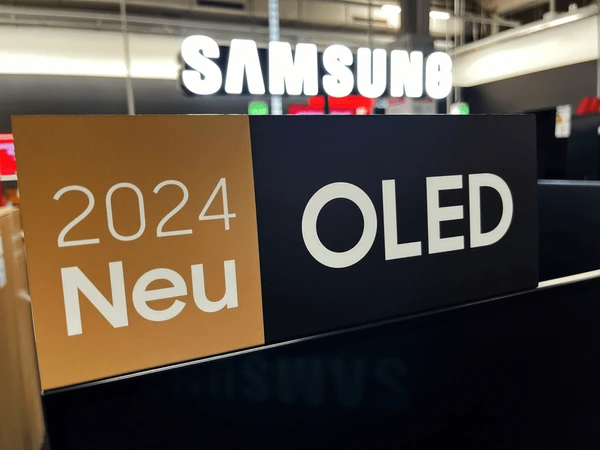
✅ Key Features of OLED:
- Self-emissive pixels (no backlight needed)
- True blacks and infinite contrast
- Faster response times for smoother motion
- Wide viewing angles
What is QD-OLED?
QD-OLED combines the benefits of OLED with Quantum Dot (QD) technology. Instead of using color filters like traditional OLEDs, QD-OLED panels use quantum dots to convert blue OLED light into red and green colors, improving brightness and color accuracy.
✅ Key Features of QD-OLED:
- Uses blue OLED as a light source and quantum dots for color conversion
- Higher peak brightness compared to traditional OLED
- Better color accuracy, even at high brightness levels
- Improved energy efficiency
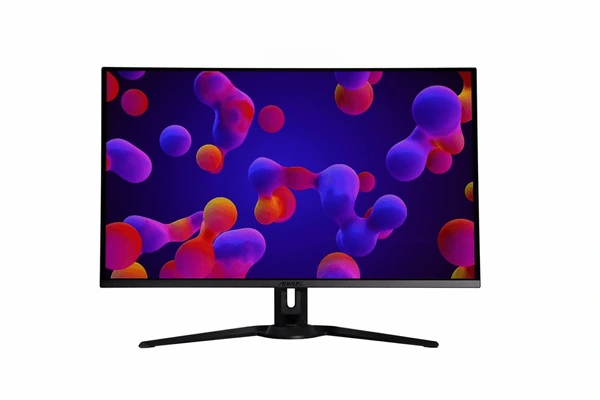
⭐️ As demonstrated in recent display research, QD-OLED technology offers a major leap in image clarity, brightness, and efficiency compared to standard OLED panels.
The Science Behind OLED vs. QD-OLED Displays
How OLED Works
OLED panels consist of organic layers that emit light when an electric charge is applied. The color output is determined by color filters, which block unwanted wavelengths to produce red, green, and blue pixels.
🔹 Advantages of OLED:
- Perfect blacks and infinite contrast
- Individual pixel control for superior precision
- Wide color gamut and high dynamic range
🔹 Disadvantages of OLED:
❌ Risk of burn-in with static images
❌ Lower peak brightness compared to LCD and QD-OLED
How QD-OLED Works
QD-OLED panels use a blue OLED light source combined with quantum dots that convert the blue light into red and green. Unlike traditional OLEDs that rely on color filters, quantum dots emit pure colors, leading to higher brightness and better efficiency.
🔹 Advantages of QD-OLED:
- Higher brightness levels without sacrificing color accuracy
- Increased lifespan due to efficient energy use
- Reduced risk of burn-in compared to OLED
🔹 Disadvantages of QD-OLED:
❌ Still relatively new and expensive compared to OLED
❌ Limited availability in consumer products

Performance Comparison: QD-OLED vs. OLED
| Feature | OLED | QD-OLED |
|---|---|---|
| Black Levels | Perfect blacks, infinite contrast | Perfect blacks, infinite contrast |
| Brightness | Lower peak brightness | Higher brightness due to quantum dots |
| Color Accuracy | Excellent | Even better with quantum dots |
| Viewing Angles | Wide angles | Wide angles with less color shift |
| Energy Efficiency | Less efficient due to color filters | More efficient due to direct quantum dot conversion |
| Burn-in Risk | Possible over time | Lower risk due to optimized blue OLED use |
| Cost & Availability | More widely available, cheaper | Expensive and limited availability |
⭐️ QD-OLED outperforms OLED in brightness, color accuracy, and efficiency, but OLED remains a strong competitor due to its lower cost and widespread adoption.
Which Should You Choose: QD-OLED or OLED?
Unsure whether to choose QD-OLED or OLED? Eureka Technical Q&A provides expert insights into their differences in color accuracy, brightness, and longevity, helping you make an informed decision based on your display needs.

Choosing between QD-OLED and OLED depends on your needs, budget, and use case. Here’s a breakdown to help you decide:
Choose OLED If:
✅ You want the best value for your money – OLED TVs and monitors are more affordable than QD-OLED options while still delivering incredible picture quality.
✅ You’re looking for deep blacks and high contrast – OLED’s self-emissive pixels provide stunning contrast, making it ideal for movies and dark-room viewing.
✅ You’re concerned about price and availability – OLED screens are widely available in various price ranges, making them a more accessible option.
Choose QD-OLED If:
✅ You prioritize peak brightness and color accuracy – QD-OLED delivers higher brightness and improved HDR performance, making it ideal for bright rooms.
✅ You want a display with lower burn-in risk – If you play video games or watch content with static images, QD-OLED’s improved burn-in resistance makes it a better long-term investment.
✅ You’re willing to pay a premium for cutting-edge technology – If you want the latest and best display tech, QD-OLED is the way to go, despite its higher price tag.
⭐️ For general users, OLED remains an excellent choice, while QD-OLED is ideal for those who demand the highest brightness and color performance.
Applications of OLED and QD-OLED Displays
Consumer Electronics
Both OLED and QD-OLED are used in high-end televisions, smartphones, and gaming monitors.
- OLED: Found in flagship TVs and mobile devices, offering deep blacks and vibrant colors.
- QD-OLED: Emerging in premium monitors and TVs, providing superior brightness and color accuracy.
Gaming and Multimedia
- OLED: Preferred for its ultra-fast response times and deep contrast.
- QD-OLED: Offers better brightness and HDR performance, making it ideal for high-end gaming.
Professional Content Creation
- OLED: Common in professional-grade monitors for photo and video editing.
- QD-OLED: Expected to become the standard for professionals who require extreme color precision and brightness.
Future Trends in OLED and QD-OLED Technology
🔹 AI-Enhanced Display Optimization: Future OLED and QD-OLED panels will integrate AI to dynamically adjust brightness and contrast based on content.
🔹 Higher Refresh Rates: As gaming and high-performance computing grow, both technologies will see improvements in refresh rates, making displays even smoother.
🔹 QD-OLED Price Reduction: As manufacturing scales up, QD-OLED costs are expected to decrease, making them more accessible to consumers.
How Eureka by PatSnap Accelerates Innovation in Display Technology
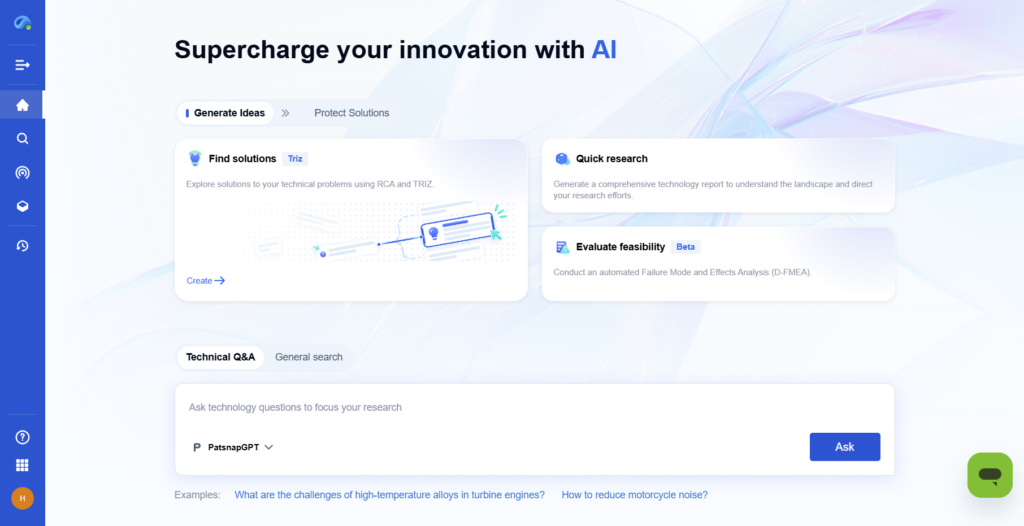
What is Eureka by PatSnap?
Eureka by PatSnap is an AI-powered innovation intelligence tool that helps R&D teams discover new advancements in display technologies faster.
How It Benefits OLED and QD-OLED R&D
✅ Patent Analysis: Identifies the latest patents in display panel innovations.
✅ Competitive Intelligence: Helps manufacturers benchmark against top competitors.
✅ Technology Roadmapping: Provides insights into emerging trends and next-generation display technologies.
For professionals in the display industry, Eureka by PatSnap accelerates research, enabling faster innovation in OLED and QD-OLED advancements.
Conclusion
QD-OLED represents the next step in display technology, offering higher brightness, better color accuracy, and improved efficiency over traditional OLED. However, OLED remains a strong contender due to its affordability and widespread adoption.
As technology advances, QD-OLED will become more affordable and available, pushing the boundaries of what display technology can achieve. Whether you’re a gamer, a content creator, or a home theater enthusiast, both technologies offer stunning visuals, each with its own advantages.
🚀 Stay updated on the latest display innovations and explore the future of screen technology today!
FAQs
1️⃣ Which is better, QD-OLED or OLED?
QD-OLED offers higher brightness and better color accuracy, while OLED is more affordable and widely available.
2️⃣ Does QD-OLED have burn-in issues like OLED?
QD-OLED reduces the risk of burn-in compared to traditional OLED, thanks to its efficient use of blue OLED light.
3️⃣ Is QD-OLED worth the extra cost?
For high-end gaming and professional use, QD-OLED is worth it. However, OLED remains a solid choice for most consumers.
4️⃣ Will QD-OLED replace OLED completely?
While QD-OLED offers superior performance, OLED will continue to be popular due to its lower cost and established market presence.
5️⃣ Which display should I buy for gaming?
If you prioritize fast response times and deep contrast, go with OLED. If you want higher brightness and HDR performance, QD-OLED is the better option.
To get detailed scientific explanations of QD OLED vs OLED, try Patsnap Eureka.
