


LTPO, or Low-Temperature Polycrystalline Oxide, has quickly become one of the most talked-about display technologies in modern smartphones, smartwatches, and high-end tablets. As mobile devices evolve to support higher refresh rates, always-on displays, and advanced power-saving features, LTPO technology has emerged as a crucial innovation that balances display performance with battery efficiency.
What is LTPO technology? Eureka Technical Q&A explains that LTPO (Low-Temperature Polycrystalline Oxide) is an advanced display technology that allows dynamic refresh rate adjustment, helping smartphones save power while delivering smooth performance and vibrant visuals.

This article explains what LTPO display technology is, how it works, why it matters for mobile devices, and how it compares to other display technologies like LTPS and IGZO.
What Is LTPO Display Technology?
LTPO stands for Low-Temperature Polycrystalline Oxide, a hybrid thin-film transistor (TFT) backplane technology used in OLED (Organic Light-Emitting Diode) displays. It combines elements of two existing technologies — LTPS (Low-Temperature Polycrystalline Silicon) and IGZO (Indium Gallium Zinc Oxide) — into a single system.
While LTPS provides fast electron mobility for sharp visuals and responsiveness, IGZO is known for its excellent power efficiency and stable performance. LTPO integrates the strengths of both materials to create a display that can dynamically adjust its refresh rate while minimizing power consumption.
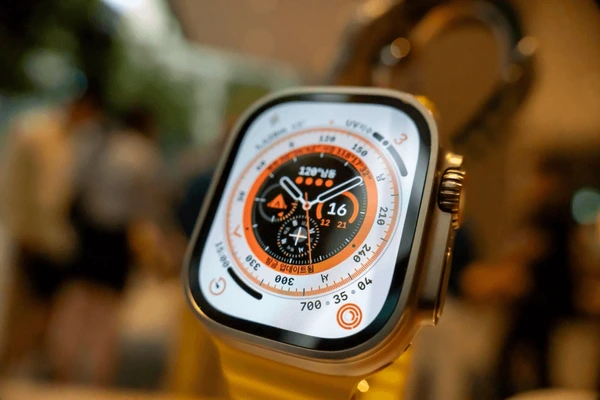
LTPO was first introduced by Apple and has since been adopted by Samsung, OnePlus, and other leading smartphone manufacturers.
How LTPO Works: The Technology Behind It
Traditional OLED displays require a separate component — a refresh rate controller — to adjust screen refresh rates. This additional hardware consumes power and limits how low the refresh rate can go.
LTPO displays eliminate the need for this extra controller by enabling the display’s backplane to directly handle variable refresh rates. This is achieved by combining:
- LTPS: For fast switching and high refresh rates (up to 120Hz or higher)
- IGZO or Oxide TFT: For low leakage current and static image efficiency (down to 1Hz)
This integration allows LTPO displays to dynamically adjust the refresh rate anywhere between very high (e.g., 120Hz for gaming) and extremely low (e.g., 1Hz for static content or Always-On Display) without using additional power-hungry hardware.
Benefits of LTPO Display Technology
The combination of LTPS and IGZO in LTPO brings significant advantages, especially for smartphones and wearables where battery life and visual performance are critical.
1. Dynamic Refresh Rate Adjustment
LTPO allows the refresh rate to scale intelligently based on content. For example:
- 120Hz when scrolling or gaming
- 60Hz for video playback
- 10Hz to 1Hz for static images or always-on clocks
This flexibility minimizes unnecessary power consumption when high refresh rates are not needed.
2. Improved Battery Efficiency
By reducing the refresh rate down to ultra-low levels for static content, LTPO can significantly extend battery life in devices that use OLED panels.
3. Better Always-On Display (AOD)
LTPO enables power-efficient always-on displays by maintaining screen elements like time and notifications at just 1Hz without draining the battery.
4. Smooth User Experience
The ability to instantly ramp up to higher refresh rates ensures fluid animations and responsive interactions when required.
5. Integrated Design Simplicity
Eliminating the need for separate refresh controllers reduces the number of components and can improve overall display reliability.
Applications of LTPO Technology
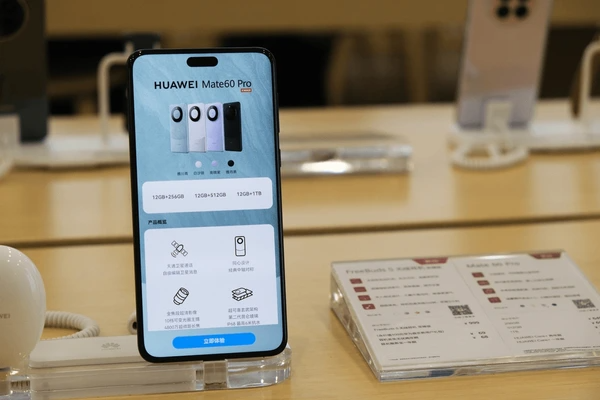
LTPO is now widely used in high-end devices that demand both premium display quality and battery optimization.
Smartphones
- Apple iPhone Pro models (from iPhone 13 Pro onwards)
- Samsung Galaxy S series Ultra models
- OnePlus Pro devices
- Google Pixel Pro models
Smartwatches
- Apple Watch Series (since Series 5)
- Samsung Galaxy Watch series
Tablets & Laptops
- Emerging in premium tablets and OLED-based laptops for balancing display performance with power savings
LTPO vs LTPS vs IGZO: What’s the Difference?
| Feature | LTPS | IGZO | LTPO |
|---|---|---|---|
| Material | Polycrystalline Silicon | Indium Gallium Zinc Oxide | Hybrid (LTPS + IGZO) |
| Power Efficiency | Low (high leakage current) | High (low leakage current) | Very High (best of both) |
| Refresh Rate Range | Fixed or limited | Fixed or limited | Dynamic (1Hz – 120Hz or more) |
| Best Use | High-performance LCD/OLED | Power-efficient LCD/OLED | Variable refresh OLED, Always-On Display |
LTPS is excellent for high refresh rates but consumes more power. IGZO offers better power efficiency but with lower switching speeds. LTPO combines the best of both for a balanced solution perfect for modern mobile devices.
Challenges and Limitations of LTPO Technology
Despite its advantages, LTPO technology presents certain challenges, particularly in manufacturing:
- More complex and expensive to produce than standard LTPS or IGZO displays
- Limited availability due to fewer manufacturers having LTPO-capable production lines
- Primarily used in flagship or premium devices due to higher cost
- Potential variations in color accuracy or display uniformity depending on implementation
As production techniques improve and LTPO adoption expands, these limitations are expected to decrease over time.
The Future of LTPO Displays
LTPO represents a significant step toward smarter, more energy-efficient displays. As user expectations grow for faster, smoother visuals without compromising battery life, LTPO technology is likely to become the standard for mid-to-high-end smartphones and wearables.
Future developments may include:
- Broader use of LTPO in mid-range smartphones
- Expansion into OLED TVs and monitors
- Enhanced variable refresh rates beyond 120Hz
- Better integration with foldable and flexible displays
- Continuous improvement in manufacturing cost and efficiency
Conclusion
LTPO display technology is shaping the future of smartphone and wearable displays by delivering the perfect balance between high refresh rates and superior battery efficiency. Its ability to dynamically adjust screen performance based on user activity makes it a breakthrough innovation in display engineering.
As more manufacturers adopt LTPO for their premium devices, and as production costs decrease, consumers can expect this technology to eventually become mainstream — changing the way we interact with screens and extending device battery life without sacrificing display quality.
FAQs
LTPO stands for Low-Temperature Polycrystalline Oxide — a hybrid TFT backplane technology combining LTPS and IGZO.
LTPO is not a replacement for AMOLED but an enhancement of AMOLED panels, providing better power efficiency through dynamic refresh rate control.
Yes, LTPO technology reduces battery consumption significantly by lowering the refresh rate for static content.
High-end models from Apple, Samsung, OnePlus, Google, and other brands now use LTPO displays in their flagship devices.
As manufacturing costs fall and technology matures, LTPO is expected to become more common in mid-range devices in the next few years.
To get detailed scientific explanations of Low-Temperature Polycrystalline Oxide, try Patsnap Eureka.
