


In today’s digital world, the need for compact, portable, and high-capacity storage is greater than ever. Among the most common storage solutions for smartphones, cameras, drones, and other portable devices is the TF card — a term often used interchangeably with microSD card. However, while they are similar, TF cards have their own history, technical specifics, and ideal usage scenarios.
Not sure how a TF card differs from other storage options or which one best suits your device? Eureka Technical Q&A connects you with tech experts who can break down storage specifications, compatibility issues, and performance factors—helping you choose the right memory solution with confidence for mobile devices, cameras, and beyond.

This article provides a complete guide to TF cards, explaining what they are, how they work, their benefits, differences from microSD cards, and how to choose the right TF card for your device.
What Is a TF Card?
A TF card, short for TransFlash card, is a type of ultra-compact memory card used for data storage in portable devices. Originally developed by SanDisk in 2004, the TF card was the smallest memory card of its time. Later, the SD Association adopted the TF card format and standardized it as the microSD card, making the terms TF card and microSD card practically interchangeable today.
Technically, a TF card is a form of flash memory storage, utilizing NAND flash technology to store data like photos, videos, music, apps, and system files in mobile and portable devices.
TF Card vs MicroSD Card: Are They the Same?
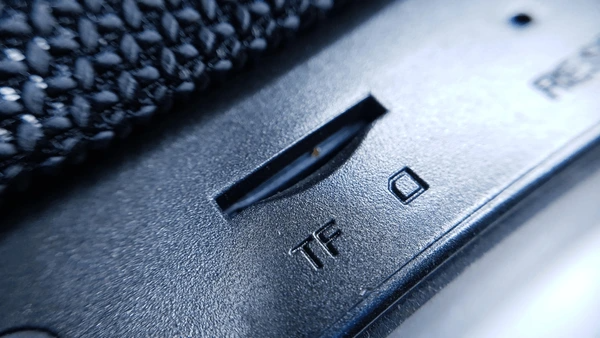
Although TF cards and microSD cards originated from slightly different contexts, in modern usage, they are functionally the same for consumers.
| Feature | TF Card | MicroSD Card |
|---|---|---|
| Original Name | TransFlash | microSD |
| Introduced By | SanDisk (2004) | SD Association (Post-2005) |
| Size | 11mm × 15mm × 1mm | 11mm × 15mm × 1mm |
| Compatibility | microSD-compatible devices | Fully backward-compatible |
| Usage Today | Now standardized as microSD | Industry standard |
Today, almost all devices that support a TF card also support a microSD card. The terms are often used interchangeably in packaging, user manuals, and online product listings.
Key Features and Specifications of TF Cards
Modern TF cards come with a variety of specifications and features that impact their performance and compatibility.
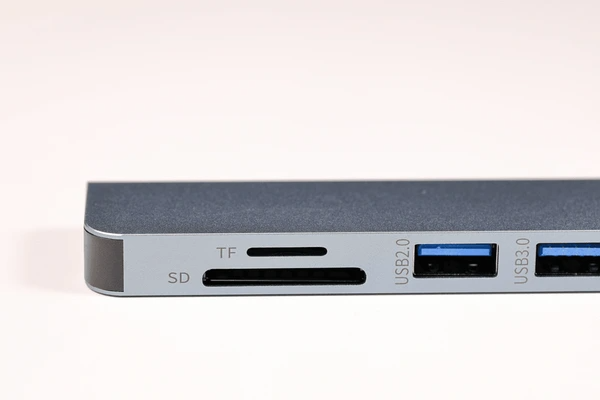
Storage Capacities
- Ranges from 128MB to 1TB or more
- Common capacities: 32GB, 64GB, 128GB, 256GB, 512GB, 1TB
Speed Classes
Speed determines how fast data is read or written.
- Class 2, 4, 6, 10: Basic speed ratings (numbers refer to minimum MB/s write speed)
- UHS-I / UHS-II / UHS-III: Ultra High Speed standards
- V30, V60, V90: Optimized for video recording (MB/s minimum)
Application Performance Classes
Designed for running mobile apps from the card:
- A1: Suitable for basic apps
- A2: Optimized for faster app performance
Benefits of Using a TF Card
TF cards offer numerous advantages for mobile users, content creators, and photographers:
1. Expanded Storage
Adding a TF card increases device storage for photos, videos, music, and apps without replacing internal storage.
2. Compact and Lightweight
Due to their small size, TF cards fit perfectly in slim devices like smartphones, action cameras, drones, dashcams, and handheld gaming consoles.
3. Versatile Compatibility
Modern TF cards are compatible with smartphones, cameras, GoPros, tablets, Nintendo Switch, and even laptops via adapters.
4. Easy Data Transfer
TF cards can be easily removed and inserted into other devices or card readers for fast data transfer.
5. Cost-Effective Storage Solution
Compared to increasing internal storage, TF cards provide affordable extra storage for most users.
Common Uses of TF Cards
TF cards have found their place in various consumer electronics and specialized equipment:
- Smartphones & Tablets: Expand storage for media and apps.
- Action Cameras (like GoPro): Store 4K and HD video footage.
- Dashcams: Continuous video recording.
- Drones: High-resolution photo and video storage.
- Portable Gaming Devices: Store game data and downloads.
- Security Cameras: Local storage for surveillance footage.
- Audio Devices: Store music and sound files.
- Laptops: External storage via TF-to-SD adapters.
Choosing the Right TF Card for Your Device
When selecting a TF card, it’s important to match your specific needs and device requirements.
Consider These Factors:
- Capacity: 32GB–64GB for light use; 128GB–1TB for heavy video/photo storage.
- Speed Class: V30 or higher for 4K video; Class 10 for basic photography.
- Application Performance: A2-rated cards for running apps smoothly.
- Brand Reliability: Choose trusted brands like SanDisk, Samsung, Kingston, or Lexar.
- Device Compatibility: Always check device specifications for maximum supported TF card size and speed class.
TF Card Limitations and Considerations
Despite their advantages, TF cards have a few limitations:
- Speed bottlenecks in cheaper or counterfeit cards
- Lifespan limited by read/write cycles
- Vulnerability to physical damage due to small size
- Potential data corruption if improperly removed
To avoid issues, it is recommended to:
- Use high-quality, branded TF cards
- Regularly back up important data
- Handle with care to prevent bending or exposure to moisture
- Format the card within the device for optimal performance
How to Properly Maintain a TF Card
1. Avoid Overwriting and Frequent Formatting
- Overwriting: Frequent writing and rewriting of data can lead to wear and tear on the card. It is advisable to minimize the number of write cycles by avoiding unnecessary data overwrites.
- Formatting: Formatting the card too frequently can also reduce its lifespan. Once formatted, it is recommended to keep the card as is unless absolutely necessary to format it again.
2. Use Quality Cards
- Investing in a high-quality TF card from reputable manufacturers can significantly enhance durability and performance. These cards are designed to handle more write cycles and provide better data integrity.
3. Store Properly
- Temperature: Store the card in a cool, dry place away from extreme temperatures. High temperatures can accelerate the degradation of the card’s components.
- Humidity: Keep the card away from humid environments to prevent corrosion and data loss.
4. Avoid Physical Damage
- Handling: Handle the card with care to avoid bending or breaking the physical structure. Use a card reader that securely holds the card to prevent accidental ejection.
- Static Electricity: Be cautious of static electricity, which can damage the card’s internal components. Use an anti-static wrist strap if handling multiple cards.
5. Regular Backups
- Regularly back up important data to prevent loss in case of card failure. This can be done by transferring data to another storage device or cloud storage.
6. Use Compatible Devices
- Ensure that the TF card is compatible with the device it is being used in. Using a card that is not compatible can lead to data corruption and reduced performance.
7. Limit Usage in High-Write Devices
- Avoid using the card in devices that require frequent and high-volume data writing, such as security cameras or dash cams, as these can significantly reduce the card’s lifespan.
Conclusion
TF cards, originally introduced as TransFlash cards, have become essential components in modern portable technology. Their compact size, versatile storage capacities, and wide compatibility make them an ideal choice for expanding storage in smartphones, cameras, drones, and other mobile devices.
Understanding TF card specifications like speed class, capacity, and performance ratings ensures you choose the right card for your specific needs. While newer cloud storage solutions exist, TF cards remain a reliable, affordable, and efficient method of expanding device storage in an increasingly data-driven world.
FAQs
Yes, TF cards are now standardized as microSD cards and are compatible with any microSD slot.
Smartphones, cameras, drones, dashcams, tablets, handheld gaming consoles, and security cameras commonly use TF cards.
High-quality TF cards can last for several years, depending on usage patterns and care, but they have limited write cycles.
Yes, using a TF-to-SD card adapter allows TF cards to fit in standard SD slots.
Modern TF cards can reach capacities of 1TB or more, but device compatibility depends on the specific device limits.
To get detailed scientific explanations of TF Card, try Patsnap Eureka.
