


Empirical research is a cornerstone of modern inquiry, emphasizing real-world observation, measurement, and evidence-based validation. This method enables researchers and professionals to test hypotheses, uncover trends, and support strategic decisions with hard data. As industries increasingly rely on insights rooted in evidence, mastering empirical research becomes a vital skill across domains including healthcare, education, technology, and business.
This guide breaks down the empirical research process into actionable steps and demonstrates how intelligent platforms like PatSnap Eureka can enhance each phase with advanced data access, analysis, and innovation monitoring.
What Is Empirical Research?
Need support with empirical research? Eureka helps you design experiments, collect data, and analyze results—making your research process more structured, accurate, and insightful.

Empirical research is the process of collecting and analyzing data derived from direct or indirect observation or experience. Unlike conceptual or theoretical research, empirical research is grounded in real-world phenomena, and it emphasizes reproducibility, objectivity, and measurable outcomes.
Characteristics of Empirical Research
- Observation-Based: All findings stem from actual, observable phenomena.
- Measurable Evidence: Data is quantifiable or thematically analyzable.
- Systematic Process: Structured steps lead from problem identification to conclusion.
- Reproducibility: Methods and results can be replicated by others.
Types of Empirical Research Methods
Empirical research falls into two primary categories:
Quantitative Methods
These involve structured data collection and statistical analysis:
- Experiments: Controlled conditions to test cause-effect relationships.
- Surveys: Questionnaires distributed to a large population to gather quantifiable insights.
- Longitudinal Studies: Observations conducted over extended time frames to identify changes.
Qualitative Methods
These explore meaning, experience, and context through non-numerical data:
- Interviews: In-depth, open-ended conversations with individuals or groups.
- Case Studies: Comprehensive analysis of specific instances or individuals.
- Observational Studies: Watching and documenting behavior in natural settings.
Step-by-Step Guide to Conducting Empirical Research
Step 1: Identify a Research Problem
Start with a clear observation or gap in knowledge that you want to explore. Define a specific, actionable research question.
- How PatSnap Eureka Helps: Access global patent and literature databases to explore previous studies, identify under-researched areas, and validate the novelty of your research focus.

Step 2: Conduct a Literature Review
Investigate existing knowledge related to your research question. This step refines your hypothesis and prevents duplication.
- How PatSnap Eureka Helps: Use Eureka’s AI-driven semantic search to uncover high-quality, relevant scientific literature, technical papers, and prior art efficiently.

Step 3: Formulate a Hypothesis
Based on insights from observation and literature, define one or more testable hypotheses. These should be specific, measurable, and grounded in existing theory or evidence.
- How PatSnap Eureka Helps: Eureka highlights competitive trends and prior innovations, helping researchers formulate hypotheses aligned with technological or market realities.
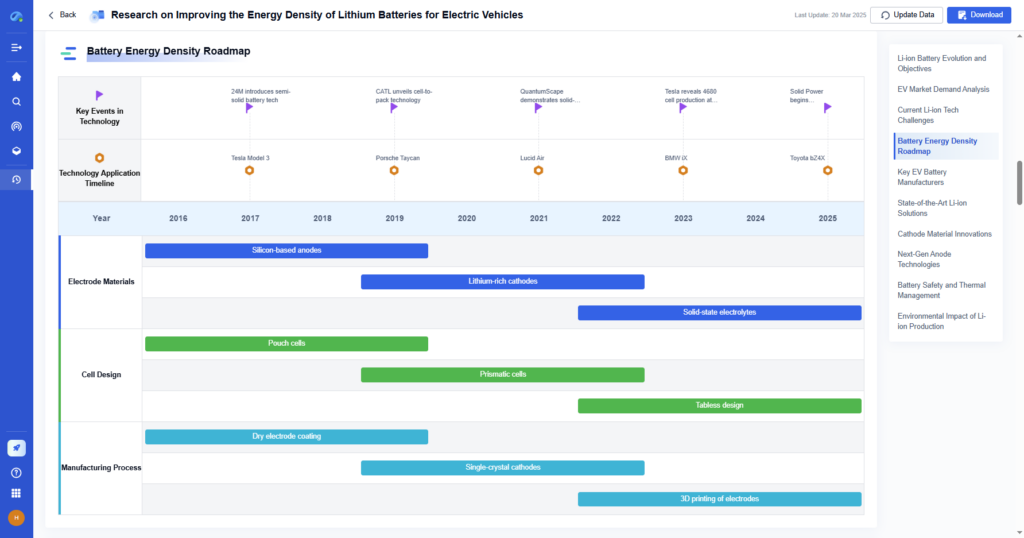
Step 4: Design the Research Methodology
Select an appropriate method (quantitative, qualitative, or mixed) and define variables, sample size, tools, and procedures.
- How PatSnap Eureka Helps: Benchmark against existing studies and methodologies surfaced in Eureka to ensure alignment with industry or academic standards.

Step 5: Collect the Data
Implement your research design and gather data through experiments, observations, surveys, or interviews.
- How PatSnap Eureka Helps: Refer to documented study protocols and validated measurement tools in Eureka’s database to structure reliable data collection processes.
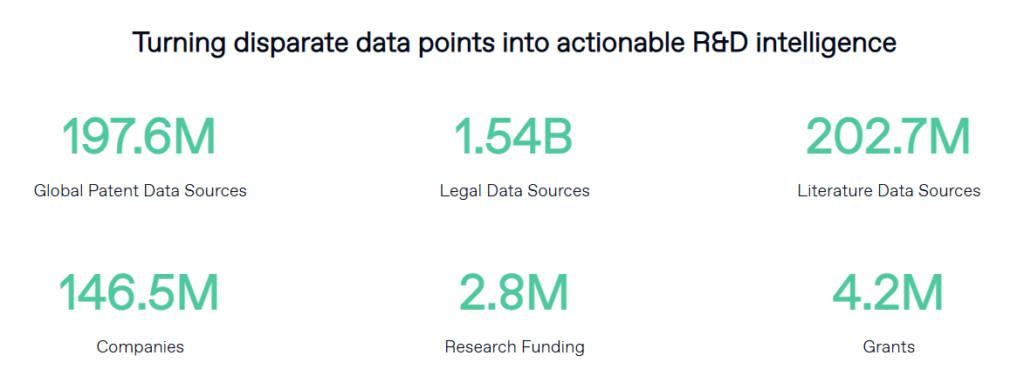
Step 6: Analyze the Data
Use statistical or qualitative analysis techniques to test your hypothesis and uncover findings.
- How PatSnap Eureka Helps: Eureka’s integrated analysis tools assist in identifying correlations, trend clusters, and keyword patterns across large datasets.

Step 7: Interpret and Present Results
Evaluate whether the data supports your hypothesis. Consider implications, limitations, and relevance to your field.
- How PatSnap Eureka Helps: Eureka enables users to generate visual reports, summary dashboards, and publication-ready materials for broader communication and stakeholder engagement.
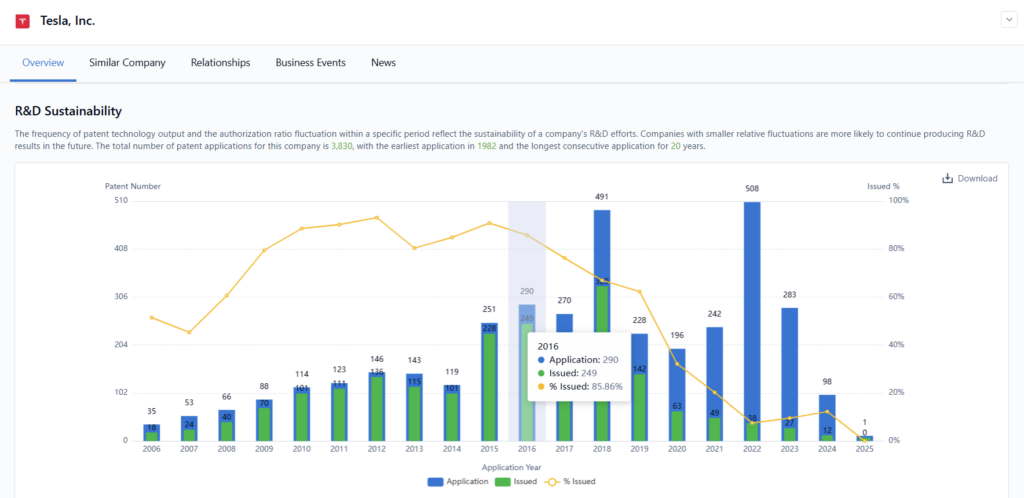
Step 8: Monitor Trends and Extend Research
Empirical research often leads to new questions or broader inquiries. Ongoing monitoring keeps your research relevant.
- How PatSnap Eureka Helps: Eureka Monitor continuously tracks global innovation trends, related patent activity, and new scientific discoveries that may influence or validate your findings.

Applications of Empirical Research
Empirical methods are essential across industries:
- Healthcare: Clinical trials, treatment evaluations, health informatics.
- Education: Curriculum assessment, learning outcome studies.
- Social Sciences: Policy evaluation, behavioral research, cultural studies.
- Business and Innovation: Market research, product testing, R&D planning.
Conclusion
Empirical research empowers organizations and researchers to make decisions grounded in evidence rather than speculation. When conducted systematically and paired with powerful tools like PatSnap Eureka, the process becomes faster, deeper, and more insightful.
Whether you’re validating a scientific theory, developing a new product, or evaluating public policy, integrating PatSnap Eureka into your empirical research process enhances discovery, streamlines analysis, and ensures your insights are timely, relevant, and actionable.
To get detailed scientific explanations of empirical research, try Patsnap Eureka.
