


Technical Background and Objectives
Background
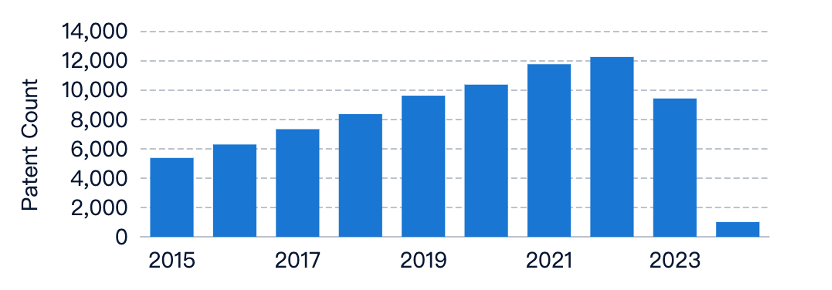
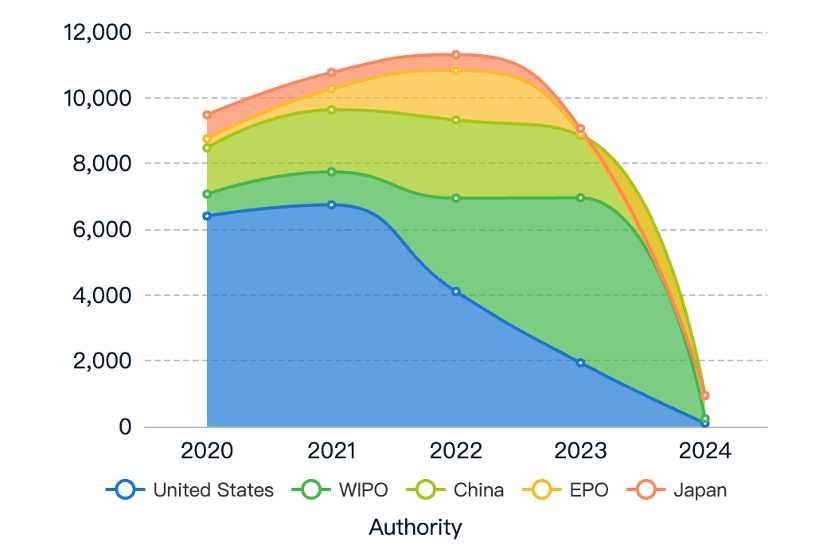
The field of increasing the functionality of end effectors has shown significant growth in recent years, as evidenced by a steady rise in patent applications. This trend indicates strong commercial interest and ongoing innovation aimed at enhancing end effector capabilities. However, the number of related academic publications has remained relatively stable, suggesting a divergence between commercial and academic focus in this area.
Objectives
The primary objective is to enhance the functionality of end effectors, which are critical components in robotic systems. By improving their capabilities, this research aims to expand the versatility and efficiency of robotic applications across various industries. Specific goals include increasing dexterity, adaptability, robustness, and exploring new technologies and designs for end effectors.
To get a detailed scientific explanations of enhancing the functionality of end effectors, try Eureka.
Technical Current Status Analysis
End Effectors Overview
End effectors serve as the interface between robots and their working environments, performing tasks such as gripping, cutting, welding, and assembling. Their functionality directly impacts the performance and versatility of robotic systems in industrial applications.
Applications and Impact:
- Manufacturing: Material handling, assembly, packaging, and quality inspection.
- Healthcare: Surgical procedures, rehabilitation, and patient care.
- Household: Cleaning, cooking, and assisting individuals with disabilities.
- Exploration: Space and deep-sea exploration tasks like sample collection and instrument deployment.
Technical Characteristics and Challenges:
- Versatility and Adaptability: End effectors must handle diverse tasks and environments.
- Dexterity and Precision: Essential for intricate movements and precise tasks.
- Sensor Integration and Feedback Control: Advanced sensors and robust control algorithms are necessary.
- Payload Capacity and Power Requirements: Balancing complexity with payload and power constraints.
- Durability and Reliability: Must withstand harsh conditions and maintain functionality.
- Human-Robot Interaction and Safety: Ensuring safe collaboration and intuitive interfaces.
Technological Paths:
- Modular and Reconfigurable Design: Allowing easy integration and adaptation.
- Advanced Materials and Manufacturing Techniques: Using lightweight composites and additive manufacturing.
- Integrated Sensing and Control: Multi-modal sensors and advanced control algorithms.
- Soft and Compliant Mechanisms: Flexible grippers and continuum structures.
- Distributed Actuation and Control: Enhancing dexterity and control.
- Energy Efficiency and Power Management: Extending operational duration and functionality.
- Human-Robot Interaction and Intuitive Control: Gesture recognition and voice commands.
Research Content
Research Objectives
Enhance the functionality of end effectors, enabling robotic systems to perform a wider range of tasks with greater efficiency and precision.
Research Direction and Focus
Advanced Gripper Mechanisms
- Investigate novel gripper mechanisms and actuation systems to improve dexterity, precision, and versatility.
- Explore underactuated grippers, adaptive grippers, and soft robotic grippers.
Sensor Integration and Feedback Control
- Integrate advanced sensors and implement feedback control systems.
- Explore tactile sensing, force/torque sensing, and vision systems for precise control.
Materials and Surface Engineering
- Investigate advanced materials like composites and ceramics for improved performance.
- Develop coatings to enhance wear resistance and thermal stability.
Computational Modeling and Simulation
- Develop accurate models and simulations to predict end effector performance.
- Optimize designs and validate new concepts through simulations.
Application-Specific End Effector Development
- Focus on developing end effectors tailored to specific industries like manufacturing, healthcare, agriculture, and space exploration.
Technical Development Roadmap
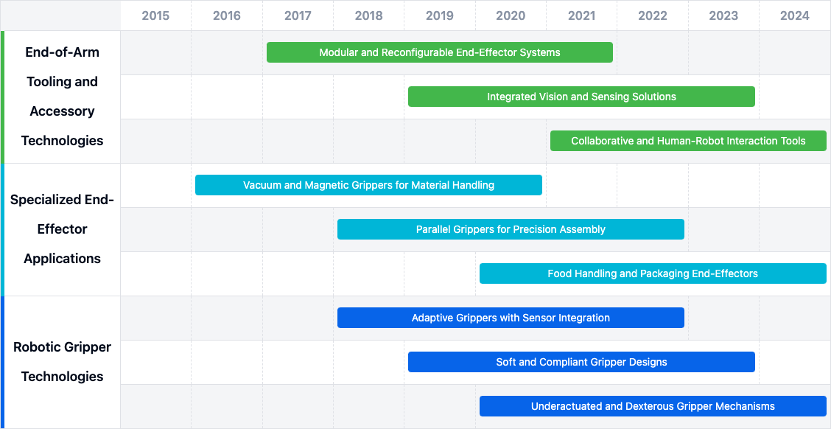
Key Areas of Advancement
- Robotic Gripper Technologies: Adaptive grippers, soft and compliant grippers, and underactuated mechanisms.
- End-of-Arm Tooling and Accessory Technologies: Modular systems, integrated vision and sensing, and collaborative tools.
- Specialized End-Effector Applications: Vacuum and magnetic grippers, parallel grippers, and food handling tools.
Main Player Analysis
Key Players and Focus
- Cilag GmbH International: Focus on innovative end effector designs and mechanisms.
- Zhejiang University: Multidisciplinary research on end effector technology.
- Harvard University: Research on biomechanics and biomedical applications.
- Monsanto Technology LLC: Precision farming and agricultural applications.
- Genentech Inc.: Biomedical and pharmaceutical applications.
Current Technical Solution Overview
Increasing Skin Barrier Function and Promoting Skin Health
- Natural Extracts or Compounds: Using natural ingredients to enhance skin barrier function.
- Barrier-Enhancing Agents: Formulating with agents that promote lipid and ceramide production.
- Barrier Repair Compositions: Ingredients that regenerate the stratum corneum and restore lipid balance.
- Screening Methods: Techniques to evaluate potential skin barrier-enhancing agents.
Enhancing Mechanical Effects and Functions
- Unbalanced Torque or Rotational Motion: Mechanical devices utilizing rotational motion to enhance functions.
- Material or Structural Modifications: Enhancing mechanical properties through modifications.
- Vibration or Impact Applications: Devices using vibration or impact for specific purposes.
- Enhancing Grip or Positioning: Devices designed for improved grip and positioning.
- Enhancing Cleaning or Surface Effects: Devices aimed at improving cleaning and surface treatment.
Increasing Educational or Advertising Effects
- Educational Content in Advertising Displays: Combining educational elements with advertising.
- Incentivizing Engagement: Methods to encourage interaction with educational content.
- Personalized Educational Content: Tailoring content based on user preferences.
- Targeted Advertising Based on Educational Interests: Aligning advertisements with educational pursuits.
Improving Agricultural or Biological Effects
- Biological Fertilizers and Soil Amendments: Enhancing soil fertility and crop yields.
- Plant Growth Promotion and Protection: Using biological agents to stimulate growth and protect plants.
- Improving Photosynthesis and Crop Quality: Enhancing photosynthesis and crop quality through biological methods.
- Biological Feed Additives for Livestock: Improving feed conversion efficiency and livestock health.
Enhancing Energy Efficiency and Environmental Effects
- Optimized System Design: Techniques to increase energy efficiency in various systems.
- Renewable Energy Sources: Improving efficiency of renewable energy systems.
- Energy Efficiency in Transportation: Techniques to improve vehicle energy efficiency.
- Energy-Efficient Materials and Additives: Developing materials to enhance system performance.
- Monitoring and Control Systems: Systems to optimize energy consumption and efficiency.
Key Patent Interpretation
Patent Highlights
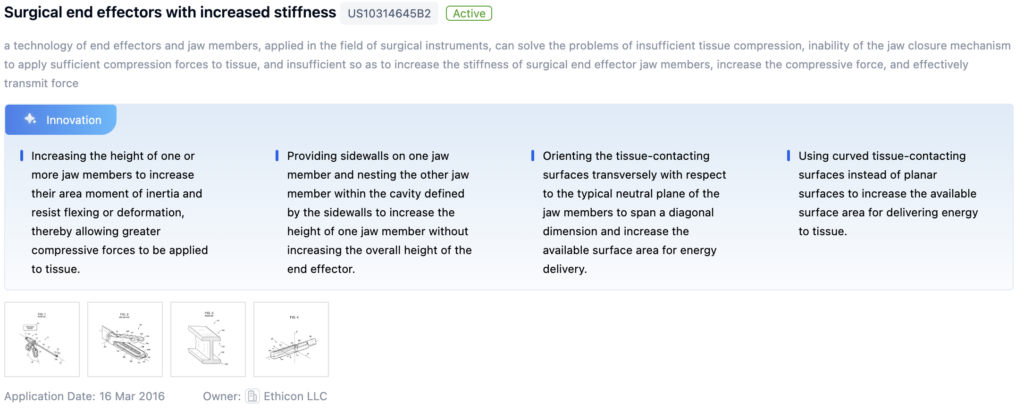
Patent 1: Surgical End Effectors with Increased Stiffness
- Core Invention Points:
- Increased jaw member height for greater compressive force.
- Sidewalls to enhance structural rigidity without increasing overall height.
- Transverse orientation of tissue-contacting surfaces for more surface area.
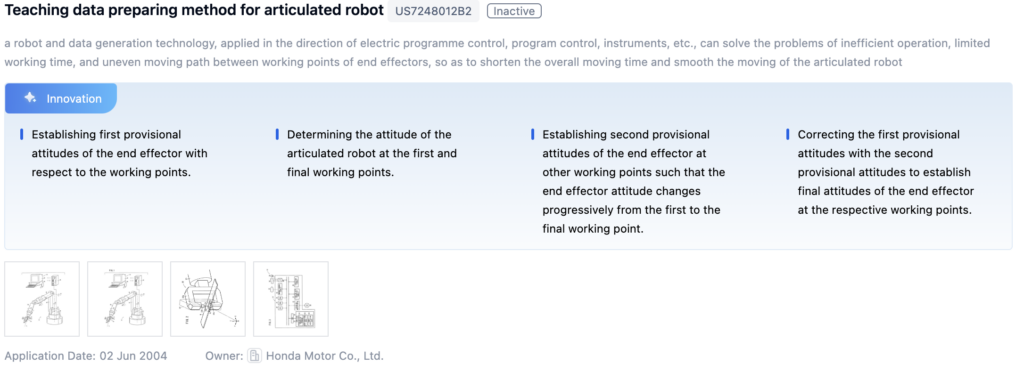
Patent 2: Teaching Data Preparing Method for Articulated Robot
- Core Invention Points:
- Establishing provisional attitudes for efficient end effector movement.
- Determining robot attitude at working points.
- Progressive attitude changes for smooth motion.
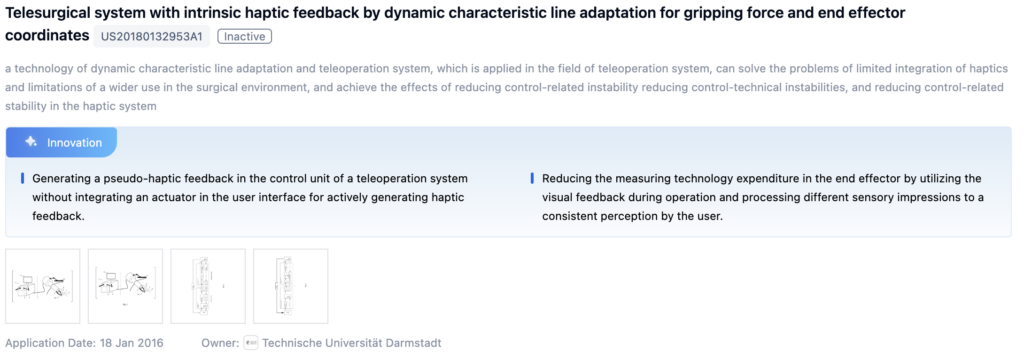
Patent 3: Telesurgical System with Intrinsic Haptic Feedback
- Core Invention Points:
- Pseudo-haptic feedback without actuators in the user interface.
- Visual feedback to enhance user perception.
- Reducing control-related instabilities in haptic systems.
Possible Research Directions
- Increasing Skin Barrier Function and Promoting Intercellular Adhesion: Improving skin barrier and intercellular adhesion.
- Enhancing Anti-Obesity and Intestinal Health Effects: Developing functional foods and drugs.
- Increasing Energy Efficiency and Device Performance: Mechanisms to optimize energy use.
- Improving Muscle Function and Fatigue Resistance: Enhancing muscle efficiency and endurance.
- Enhancing Cognitive Function and Reducing Anxiety: Functional foods and drugs to improve cognitive abilities and reduce anxiety.
If you want an in-depth research or a technical report, you can always get what you want in Eureka Technical Research. Try now!
