


What is an Engine Immobilizer?
An engine immobilizer is a security feature that blocks a vehicle’s engine from starting without receiving the correct authorization signal from a valid key. Integrated into the electronic control unit (ECU), it prevents unauthorized access, ensuring the engine remains inoperable even if the ignition system is compromised.
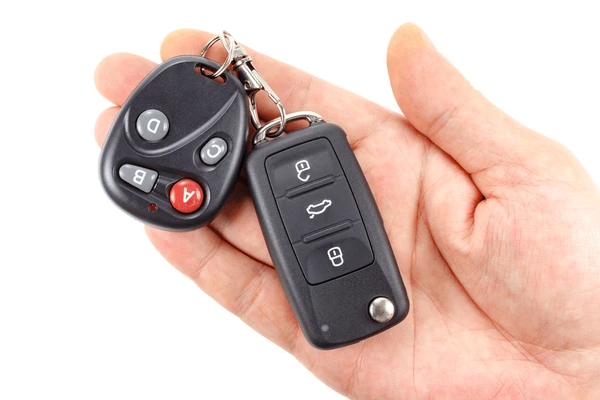
How Does an Engine Immobilizer Work?
- Electronic Key with Transponder: The immobilizer uses a key with a transponder containing a unique digital security code, inserted into the ignition.
- Communication Link: When the key is inserted, it creates an inductive link with a coil in the ignition cylinder, transmitting the security code to the ECU.
- Authentication Process: The ECU compares the received code with a stored one. A match disarms the immobilizer, enabling engine start, while a mismatch prevents it.
- Engine Control: Beyond starting, the immobilizer also manages functions like fuel injection and spark systems, ensuring operation only with authorization.
How Safe Are Car Immobilizers?
- Security Features: Modern immobilizers often incorporate advanced security features such as encryption and rolling code technology to prevent hacking and unauthorized access. These systems are designed to be highly resistant to bypassing, although no security measure is completely foolproof.
- Threats and Vulnerabilities: While immobilizers provide a significant layer of security, they are not immune to sophisticated attacks. Skilled thieves may use specialized equipment to intercept and replicate key signals, although this is relatively rare and often requires significant expertise.
- Additional Security Measures: Many modern vehicles combine immobilizers with other security systems, such as alarm systems that sound when unauthorized access is detected and GPS tracking that allows for real-time vehicle location monitoring. These additional features can enhance overall vehicle security.
- Reliability and User Experience: Immobilizers are generally reliable and do not significantly impact the user experience, as they operate seamlessly in the background. However, issues can arise if the key battery is dead or if there is a malfunction in the immobilizer system, which could prevent the vehicle from starting even for authorized users.
Benefits of an Engine Immobilizer
- Enhanced Security: Prevents theft by ensuring only authorized individuals can start the engine.
- Deterrence of Theft: Immobilizers work alongside alarms that activate if the vehicle is moved, adding an extra layer of security against theft.
- Prevention of Fraudulent Claims: The system ensures only authorized users can operate the vehicle, reducing fraudulent theft claims significantly.
- Advanced Authentication: Utilizes complex encryption and challenge/response mechanisms to enhance security.
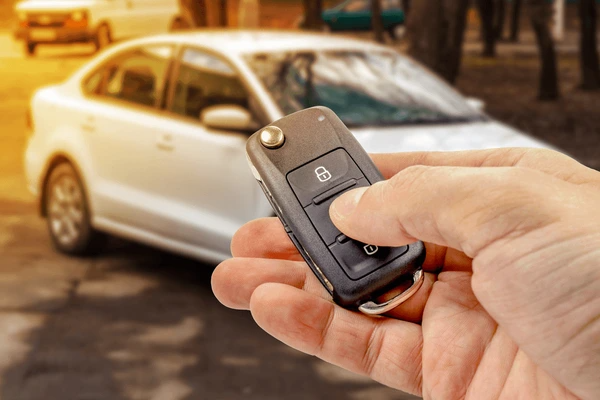
Upgrading or Replacing an Engine Immobilizer
- Assessment: Evaluate the current system’s capabilities and identify areas for improvement. Consider factors like security level, integration with other vehicle systems, and compatibility with advanced features like keyless entry or smartphone app control.
- Choose a New System: Select a system that offers advanced features such as biometric authentication (fingerprint or facial recognition), improved encryption methods, and better integration with the vehicle’s CAN/LIN network.
- Installation: Work with a professional to ensure proper installation. This involves wiring the new system to the vehicle’s ECU and other relevant components, and programming the new transponder keys.
- Testing: Thoroughly test the new system to ensure it functions correctly under various conditions, including starting the engine, remote start functionality, and emergency override features.
- Integration: Ensure the new system integrates well with existing vehicle electronics, such as the infotainment system, to provide a seamless user experience.
- Training: Provide training to the vehicle’s owner on how to use the new system, including how to register new keys, troubleshoot common issues, and use any additional features.
Common Issues with Engine Immobilizers
- Bypassing by Thieves: Some thieves may bypass the system by towing the vehicle to a secluded location. To counter this, integrate advanced motion sensors and alarm systems.
- False Alarms: Accurate sensor calibration and seamless system integration help minimize the occurrence of false alarms, ensuring reliability.
- Cost and Reliability: Using robust, cost-effective components and prioritizing proper installation and maintenance addresses high costs and reliability concerns.
- Security Vulnerabilities: Regularly update the system to protect against emerging security vulnerabilities and ensure the challenge/response mechanism remains unpredictable and secure.
Maintenance Tips for Engine Immobilizers
- Software Updates: Regularly update the system software to fix bugs and enhance security.
- Component Replacement: Replace worn-out or faulty components, such as batteries in transponders.
- System Diagnostics: Perform regular diagnostics to identify and address potential issues before they become major problems.
- User Training: Educate users on proper handling and maintenance of the immobilizer system.
Latest Technical Innovations in Engine Immobilizer
Advanced Encryption Methods
Modern engine immobilizers utilize highly secure encryption algorithms to ensure that only the vehicle’s authorized key can start the engine. These encryption methods are constantly evolving to counteract potential hacking attempts.
Biometric Authentication
Some vehicles now incorporate biometric authentication methods, such as fingerprint or facial recognition, to add an extra layer of security. This ensures that even if the key is stolen, the engine cannot be started without the owner’s biometric data.
RFID and NFC Technology
Radio Frequency Identification (RFID) and Near Field Communication (NFC) technologies are being integrated into immobilizers for more secure and convenient keyless entry systems. These technologies allow for secure communication between the key and the vehicle without the need for physical contact.
Machine Learning and AI
The integration of machine learning and artificial intelligence (AI) is enhancing the ability of immobilizers to detect and prevent unauthorized access. These systems can learn and adapt to new patterns and behaviors, improving overall security.
Blockchain Technology
Some companies are exploring the use of blockchain technology to create immutable records of key transactions, further securing the immobilizer system against tampering and unauthorized access.
Enhanced Keyless Entry Systems
Advanced keyless entry systems that use cryptographic protocols to ensure secure communication between the key fob and the vehicle’s immobilizer. These systems are designed to be highly resistant to hacking and eavesdropping.
Smartphone Integration
Many modern immobilizers now allow for smartphone-based keyless entry and engine start, using Bluetooth or other wireless technologies. This provides convenience and additional security features, such as remote engine start and vehicle tracking.
Advanced Key Management Systems
These systems use secure key storage and management protocols to ensure that keys are not easily duplicated or compromised. They often include features like keyless entry and push-button start.
To get detailed scientific explanations of engine immobilizer, try Patsnap Eureka.

Learn more
2024 Toyota Hilux Review: Everything You Need to Know
The LS3 Engine: Unleashing Power and Efficiency in Automobile
V12 Engine: Unleashing Ultimate Power, Performance, and Luxury
The LQ9 Engine: Specifications, Advantages, and Innovations
V10 Engine: A Blend of Power and Performance Precision