


Introduction
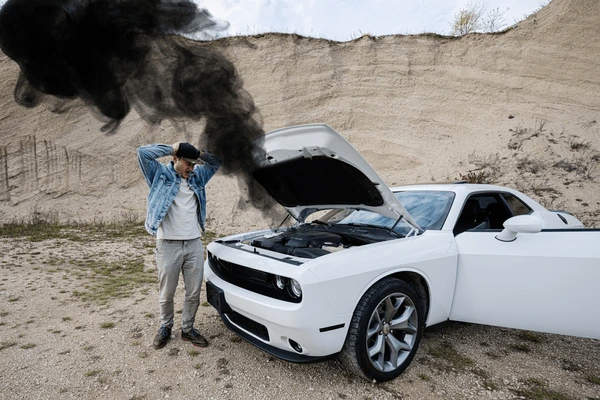
Engine overheating occurs when the engine’s temperature surpasses safe operating levels, often due to issues in the cooling system. Warning signs like a rising temperature gauge, steam from the hood, or a burning smell should never be ignored, as prolonged overheating can lead to severe damage, such as warped cylinder heads or a blown gasket. By understanding the causes—ranging from low coolant levels to faulty fans—and taking proactive measures, drivers can protect their engines and ensure smooth, reliable performance.
What Are the Signs of Engine Overheating?
- Temperature Gauge Reading: The most obvious sign is a temperature gauge that exceeds the normal operating range, typically above 100°C (212°F).
- Radiator Steam and Boiling Water: Visible steam or boiling water from the radiator is a clear indication that the cooling system is failing to keep the engine at a safe temperature.
- Unusual Engine Sounds: Accelerating metal tapping sounds from the engine can indicate that the engine is under excessive stress due to high temperatures.
- Delayed Shutdown: If the engine does not cool down immediately when the ignition switch is turned off, it suggests that the cooling system is not functioning properly.
- Thermal Expansion and Wear: Prolonged high temperatures can cause thermal expansion, leading to clearance issues between moving parts, such as cylinder liners and pistons, which can result in increased wear and potential sticking.
- Coolant Leaks: Signs of coolant leaks around the radiator, water pump, thermostat housing, or other components of the cooling system can indicate a malfunction.
- Performance Issues: Engine performance problems, including poor fuel economy and emissions, can also be linked to overheating as the engine may not operate efficiently at higher temperatures.
- Oil Cooler Issues: In some cases, overheating can be related to the automatic transmission oil cooler or other components like the head gasket or freeze plugs.
Common Causes of Engine Overheating
- Cooling System Leaks: Leaks in the radiator, hoses, water pump, or thermostat housing can prevent coolant from circulating properly.
- Faulty Thermostat: A stuck or damaged thermostat can prevent the engine from reaching its optimal operating temperature.
- Failed Radiator Fan: A malfunctioning radiator fan can prevent the coolant from being properly circulated through the radiator.
- Water Pump Failure: A failing or clogged water pump can reduce coolant flow, leading to overheating.
- Head Gasket Issues: A blown head gasket can cause coolant to mix with engine oil, leading to overheating and severe damage.
- Blockages: Blockages in the radiator or coolant passages can restrict coolant flow.
- Ignition Timing Issues: Incorrect ignition timing can cause the engine to run hotter than normal.
- Low Coolant Levels: Running low on coolant can prevent the engine from cooling properly.
- Clogged Air Filter: A clogged air filter can reduce airflow through the radiator, leading to overheating.
- Malfunctioning Temperature Sensor: A faulty temperature sensor can prevent the engine control unit from accurately monitoring the engine temperature.
What to Do When Your Engine Overheats
- Pull Over Safely: If the temperature gauge indicates overheating, pull over to a safe location as soon as possible.
- Turn Off Engine: Switch off the engine to prevent further damage.
- Allow to Cool: Let the engine cool down completely before attempting any repairs.
- Check for Damage: Inspect the cooling system for any obvious damage or leaks.
- Refill Coolant: If the coolant level is low, refill it to the recommended level.
- Seek Professional Help: If the issue persists, consult a professional mechanic to diagnose and repair the problem.
Potential Damage from Overheating
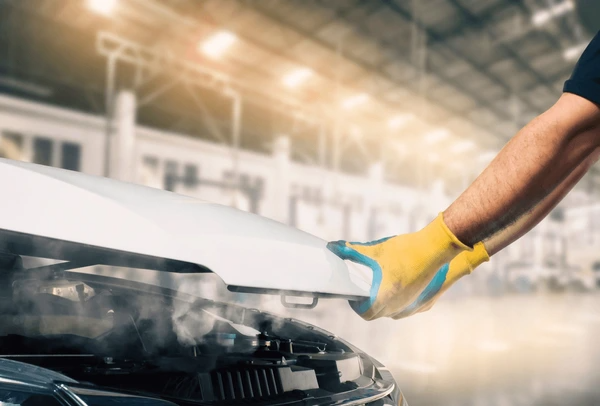
- Engine Damage: Prolonged overheating can cause damage to the engine’s internal components, such as the cylinder head, block, and piston rings.
- Head Gasket Failure: Overheating can lead to a blown head gasket, requiring expensive repairs.
- Warped Engine Components: High temperatures can cause metal components to warp or deform, affecting engine performance.
- Oil Degradation: Overheating can degrade engine oil, leading to loss of lubrication and increased wear on moving parts.
- Electrical System Damage: Overheating can damage electrical components, such as the alternator and starter motor.
Preventing Engine Overheating
- Regular Maintenance: Regularly check and maintain the cooling system, including coolant levels and condition.
- Inspect Hoses and Belts: Regularly inspect cooling system hoses and belts for signs of wear or damage.
- Monitor for Signs: Be aware of unusual noises, smells, or dashboard warnings that could indicate overheating issues.
- Avoid Overloading: Avoid overloading the engine, especially in hot weather, to reduce the risk of overheating.
When to See a Mechanic
- Persistent Issues: If you notice persistent overheating issues despite your efforts to address them, it’s time to consult a mechanic.
- Visible Damage: If you see visible damage to the radiator, hoses, or other cooling system components, seek professional help.
- Unusual Noises: Unusual noises from the cooling system, such as hissing or clunking sounds, indicate potential issues that need attention.
- Repeated Overheating: If your car repeatedly overheats, even after minor repairs, it’s a sign of a more serious underlying issue that requires professional diagnosis.

Advanced Cooling System Solutions
- Check Coolant Level: Regularly check the coolant level and top it off as needed.
- Inspect Hoses and Radiator: Look for signs of wear, cracks, or leaks in the hoses and radiator.
- Replace Thermostat: Replace the thermostat every 60,000 to 100,000 miles or as recommended by the manufacturer.
- Flush Coolant: Have the coolant system flushed and refilled every 30,000 to 50,000 miles.
- Check Fans: Ensure that the radiator and electric cooling fans are working properly.
To get detailed scientific explanations of engine overheating, try Patsnap Eureka.

Learn more
2024 Toyota Hilux Review: Everything You Need to Know
The LS3 Engine: Unleashing Power and Efficiency in Automobile
V12 Engine: Unleashing Ultimate Power, Performance, and Luxury
The LQ9 Engine: Specifications, Advantages, and Innovations
V10 Engine: A Blend of Power and Performance Precision