


What Is the L92 Engine?
The L92 engine, a 6.2-liter V8 powerhouse from General Motors (GM), is renowned for its performance and versatility. Found in vehicles like the Chevrolet Corvette and Cadillac CTS-V, this engine delivers impressive power and efficiency. In this article, we’ll explore the key features, performance benefits, and reasons why the L92 stands out in the world of V8 engines.
What is the L92 engine? Eureka Technical Q&A provides expert insights into this high-performance 6.2L V8, highlighting its power output, advanced cylinder head design, and applications in GM vehicles.

Specifications of the L92 Engine
- Displacement: 6.2 liters
- Cylinders: 8
- Configuration: V8
- Fuel Type: Gasoline
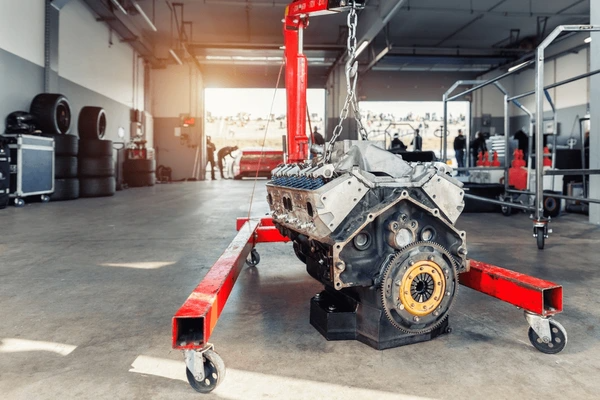
Applications of the L92 Engine in GM Vehicles
Chevrolet Silverado 1500
The Chevrolet Silverado 1500 features the L92 engine, delivering impressive performance and excellent towing capabilities. This combination makes it a top choice for truck enthusiasts seeking both power and reliability.
Chevrolet Tahoe
The Chevrolet Tahoe benefits from the L92’s robust power, ensuring strong performance for this full-size SUV. It provides the capability needed for family adventures and heavy-duty tasks alike.
Chevrolet Suburban
In the Chevrolet Suburban, the L92 engine offers exceptional power to handle the demands of a large SUV. Its performance ensures smooth drives, even when fully loaded with passengers or cargo.
GMC Sierra 1500
The GMC Sierra 1500 matches the Silverado in performance with its use of the L92 engine. It provides the same reliable power and capabilities, making it ideal for towing, hauling, and daily driving.
GMC Yukon

The GMC Yukon pairs its full-size SUV design with the L92 engine for remarkable performance. Whether on city streets or rugged terrain, it delivers the strength needed for every journey.
Cadillac Escalade
The Cadillac Escalade combines luxury with the power of the L92 engine. Its smooth performance and ample strength enhance the driving experience, ensuring it meets the needs of premium SUV drivers.
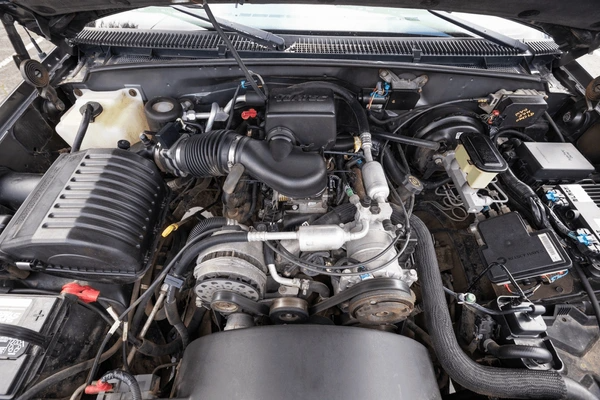
Advantages of the L92 Engine
Power and Performance
This engine delivers impressive power for its size, making it versatile for both passenger vehicles and heavy-duty tasks. It produces around 290 horsepower and 320 lb-ft of torque, a standout performance for a 5.3-liter design.
Fuel Efficiency
Despite its power, this engine remains relatively fuel-efficient compared to others with similar output. This balance of strength and economy makes it a practical choice for personal and commercial use.
Reliability and Durability
Renowned for its reliability, the engine has a strong track record for durability. Many owners report achieving high mileage without major issues, making it ideal for those seeking long-lasting performance.
Emissions Compliance
Designed to meet strict emissions standards, including those set by the EPA, this engine operates cleanly and efficiently. It performs well in various environments while minimizing environmental impact.
Cost-Effectiveness
With a lower production and maintenance cost than many competitors, this engine offers excellent value. Its affordability appeals to manufacturers and consumers alike, making it a cost-efficient solution for various needs.
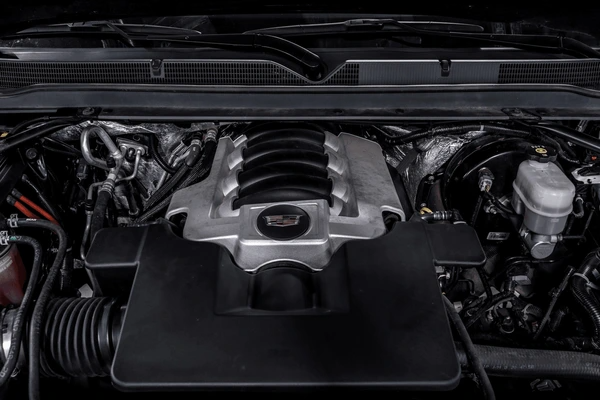
Common Problems and Maintenance Tips for the L92 Engine
Common Problems and Solutions
Oil Leaks
Oil leaks are a frequent issue, often originating from the valve cover, oil pan, or front cover gaskets.
- Causes: Wear and tear over time or improper gasket installation during repairs.
- Solutions: Inspect gaskets regularly and replace them as needed. Use high-quality gaskets and ensure proper installation to minimize leaks.
Coolant Leaks
Coolant leaks can lead to engine overheating and potential damage if not addressed.
- Causes: Cracked radiators, damaged hoses, or a faulty water pump.
- Solutions: Check the radiator, hoses, and water pump for leaks or damage. Replace any defective components immediately to prevent overheating.
Intake Manifold Issues
Problems with the intake manifold can reduce performance and fuel efficiency.
- Causes: Carbon buildup, vacuum leaks, or physical damage to the manifold.
- Solutions: Clean the intake manifold to remove carbon deposits. Inspect for vacuum leaks and repair or replace the manifold as needed.
Fuel System Problems
Fuel system issues can cause rough idling, poor performance, and reduced fuel efficiency.
- Causes: Clogged injectors, a failing fuel pressure regulator, or a malfunctioning fuel pump.
- Solutions: Service the fuel system regularly. Clean the injectors and check the regulator and pump for proper function.
Ignition System Issues
Ignition problems often lead to starting difficulties and rough engine performance.
- Causes: Worn spark plugs, a failing ignition coil, or a faulty ignition module.
- Solutions: Replace spark plugs as recommended by the manufacturer. Inspect the ignition coil and module and replace them if necessary.
Maintenance Tips
Regular Oil Changes
- Tip: Change the oil and filter every 5,000 to 7,500 miles.
- Why: Fresh oil prevents wear on moving parts and keeps the engine running smoothly.
Coolant Maintenance
- Tip: Check and replace coolant every 30,000 to 50,000 miles.
- Why: Proper coolant levels and condition are crucial for maintaining the engine’s temperature.
Air Filter Maintenance
- Tip: Replace the air filter every 15,000 to 30,000 miles.
- Why: A clean air filter improves engine performance and fuel efficiency.
Spark Plug Replacement
- Tip: Replace spark plugs every 30,000 to 100,000 miles, depending on the type.
- Why: Worn spark plugs reduce performance and fuel efficiency.
Battery Maintenance
- Tip: Clean battery terminals regularly and replace the battery every 3 to 5 years.
- Why: A reliable battery is essential for starting the engine and powering electrical systems.
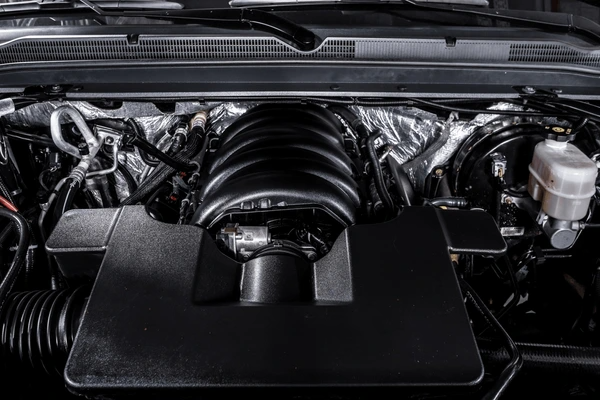
Tuning Potential of the L92 Engine
Engine Modifications
- Camshaft Upgrades: Upgrading to a performance camshaft can boost power by optimizing valve timing and duration. This improves airflow and enhances combustion efficiency, resulting in significant performance gains.
- Pistons and Connecting Rods: Lightweight pistons and connecting rods reduce the weight of the engine’s moving parts. This allows higher RPMs and improves the power-to-weight ratio for better overall performance.
- Cylinder Heads: Installing performance cylinder heads with larger intake and exhaust ports increases airflow. Enhanced airflow improves both power output and engine efficiency.
Intake and Exhaust Systems
- Cold Air Intakes: Cold air intakes bring more oxygen into the engine, improving power and torque, especially at higher RPMs.
- Performance Exhaust Systems: A high-flow exhaust system reduces backpressure, helping the engine breathe efficiently. This leads to noticeable power gains and smoother performance.
Fuel System Upgrades
- Fuel Injectors: High-flow fuel injectors deliver the correct amount of fuel during demanding driving conditions. This ensures optimal performance without risking fuel starvation.
- Fuel Pumps and Lines: Upgraded fuel pumps and high-pressure lines support the increased fuel demands of a tuned engine. These upgrades ensure a consistent and reliable fuel supply.
L92 Engine vs Other LS Engines: Key Comparisons
LQ4 Engine
- Displacement: 6.0 liters
- Cylinder Heads: Similar to L92, with slight design differences
- Fuel System: Throttle-body injection (TBI) or sequential fuel injection
- Applications: Chevrolet Silverado, GMC Sierra
- Key Differences:
- Displacement: L92 has a larger displacement (6.2L vs 6.0L).
- Fuel System: L92 uses sequential fuel injection, offering better efficiency and performance.
LY6 Engine
- Displacement: 5.3 liters
- Cylinder Heads: Aluminum, 2-valve per cylinder design
- Fuel System: Sequential fuel injection
- Applications: Chevrolet Silverado, GMC Sierra, Cadillac Escalade
- Key Differences:
- Displacement: L92 has a larger displacement (6.2L vs 5.3L).
- Power Output: L92 generally delivers higher power compared to the LY6.
LSA Engine
- Type: Supercharged V8
- Displacement: 6.2 liters
- Cylinder Heads: Aluminum, 4-valve per cylinder design
- Fuel System: Sequential fuel injection
- Applications: Cadillac CTS-V
- Key Differences:
- Supercharging: LSA is supercharged, providing significantly more power and torque.
- Cylinder Heads: LSA has advanced 4-valve cylinder heads for improved airflow and performance.
Conclusion: Why the L92 Engine Is a Popular LS-Series Motor
The L92 engine remains a popular choice among LS-series motors due to its balance of power, efficiency, and versatility. Its robust design, impressive performance, and compatibility with heavy-duty trucks make it a reliable option for various applications. Whether for towing, durability, or fuel efficiency, the L92 offers a well-rounded package that continues to meet the demands of drivers and enthusiasts alike.
To get detailed scientific explanations of the L92 engine, try Patsnap Eureka.
