


What Is the LS4 Engine?
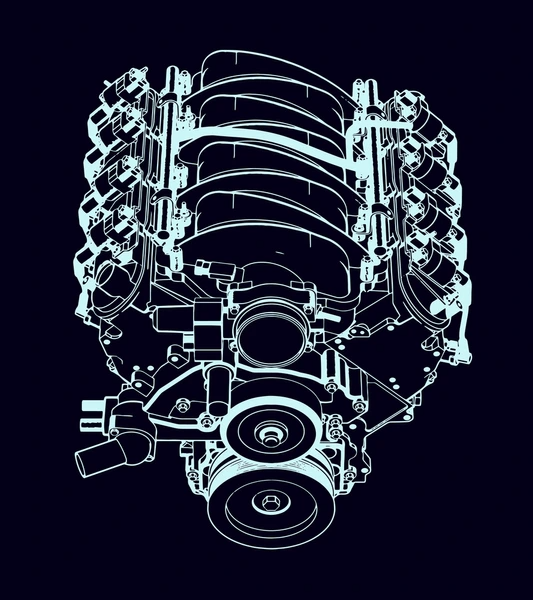
The LS4 engine, a member of General Motors’ renowned LS engine family, is celebrated for its impressive performance and reliability. This V8 engine is specifically engineered for trucks and SUVs, delivering a seamless blend of power and efficiency. Known for its compact design and adaptability, the LS4 has become a go-to choice for those seeking a robust yet versatile engine solution. This article will explore the LS4 engine’s specifications, performance, applications, and why it remains a popular option among enthusiasts and manufacturers alike.
Specifications of the LS4 Engine
Manufacturer and Legacy
General Motors (GM) developed the LS4 engine as a versatile V8 designed to deliver high performance and reliability. Its robust engineering makes it a standout in GM’s lineup of engines.
Vehicle Applications
The LS4 engine powers vehicles like the 2008 Chevrolet Impala, Chevrolet Monte Carlo, Pontiac Grand Prix, and Buick LaCrosse. These models benefit from the engine’s blend of power, efficiency, and compact design.
Performance Testing and Certification
The LS4 engine undergoes rigorous testing, with certified data available for performance validation. Testing locations vary but ensure compliance with industry standards. Detailed specifications, including horsepower and torque, are categorized into levels, with Level 2 offering the most comprehensive insights.
Applications of the LS4 Engine in GM Vehicles
Pontiac G8
The LS4 engine powered the Pontiac G8, a rear-wheel-drive sedan aimed at revitalizing the Pontiac brand. Delivering 361 horsepower and 385 lb-ft of torque, the LS4 added significant performance to the G8, making it a standout choice for enthusiasts.
Chevrolet Camaro SS
Although not the standard engine for the Chevrolet Camaro SS, the LS4 was available as a high-performance upgrade. Its robust powertrain enhanced the Camaro’s capabilities, making it even more appealing to drivers seeking a thrilling experience.
Other GM Models
While less common than the LS2 or LS3 engines, the LS4 found its place in select GM vehicles. It was occasionally featured in performance packages and limited editions, showcasing its versatility as a strong V8 powerplant.
Advantages of the LS4 Engine
Power Efficiency and Performance
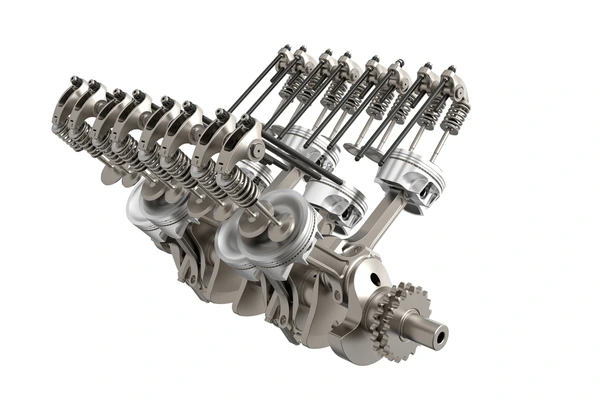
This engine delivers outstanding power and efficiency, thanks to its four-stroke combustion cycle. Its advanced design improves output and fuel efficiency compared to older models. With impressive horsepower and torque ratings, it’s a solid choice for vehicles like the 2008 Chevrolet Impala and Buick LaCrosse.
Emission Control and Environmental Impact
Designed to meet strict emission standards, this engine minimizes harmful pollutants like nitrogen oxides (NOx). Advanced combustion systems and lean-burn technology enhance thermal efficiency while maintaining low emissions, even during extended low-load operation. This makes it both high-performing and eco-friendly.
Curious about the benefits of the LS4 engine? Eureka Technical Q&A provides expert insights into its compact design, front-wheel-drive compatibility, and performance potential, helping you understand why this small-block V8 stands out in automotive applications.

Fuel Economy and Lubrication
Fuel economy sees a significant boost due to reduced internal friction. Special low-sulfur, low-ash, and low-phosphorus lubricants further enhance performance by minimizing wear and friction. These features ensure better efficiency and longevity while cutting operating costs.
Combustion Stability and Ignition Systems
The engine excels in combustion stability, especially under low-load conditions. Innovative systems like Turbulent Jet Ignition (TJI) and Radio Frequency Corona Ignition (RFCI) improve ignitability and flame speed. This allows for leaner fuel mixtures without sacrificing reliability or performance.
Technical Design and Economic Benefits
Its cutting-edge design, featuring multi-link press technology, offers both technical and financial benefits. It operates efficiently under varying load conditions, reducing fuel consumption while improving overall performance. This ensures lasting value and lower long-term costs for users.
Common Problems and Maintenance Tips for the LS4 Engine
Oil Leaks
Oil leaks are a frequent problem in many engines.
- Causes: Worn gaskets, damaged seals, or aging engine components. High mileage, improper repairs, or manufacturing defects can worsen the issue.
- Solutions: Inspect gaskets and seals regularly. Replace any worn components promptly and ensure proper maintenance practices.
Coolant Leaks
Coolant leaks can lead to overheating and severe engine damage.
- Causes: Cracked hoses, loose connections, or worn-out gaskets are common culprits.
- Solutions: Check coolant lines and connections frequently. Replace damaged parts immediately to maintain proper engine temperature.
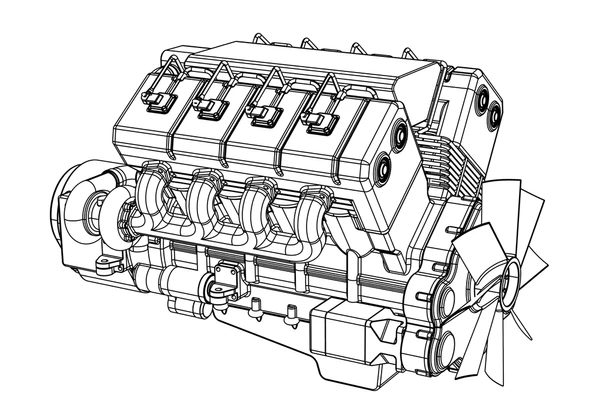
Turbocharger Issues
Turbochargers can fail over time, reducing performance and efficiency.
- Causes: Poor installation, insufficient maintenance, or excessive wear are typical reasons.
- Solutions: Follow manufacturer guidelines for installation and upkeep. Conduct regular inspections to identify and address potential issues early.
Fuel System Problems
Issues with the fuel system can disrupt engine performance.
- Causes: Contaminated fuel, high mileage, or general wear and tear often result in clogged injectors or faulty fuel pumps.
- Solutions: Clean or replace fuel injectors as needed. Ensure the fuel system is free from contaminants and regularly check the fuel pump.
Maintenance Tips
- Regular Oil Changes: Change the oil on schedule to protect moving parts and prevent wear.
- Coolant Maintenance: Monitor and replace coolant as recommended to maintain optimal engine temperature.
- Turbocharger Care: Follow proper installation and maintenance steps to extend the turbocharger’s life and maintain performance.
- Fuel System Cleaning: Periodically clean the fuel system to avoid clogs and ensure smooth fuel delivery.
- Gasket and Seal Inspections: Regularly inspect gaskets and seals for wear. Replace them promptly to prevent leaks and ensure engine integrity.
Tuning Potential of the LS4 Engine
Performance Optimization
- Engine Operating Conditions: Adjusting key parameters, such as equivalence ratio, compression ratio, and engine load, significantly improves performance. For example, optimizing these settings enhances brake power (BP) and brake thermal efficiency (BTE). At the same time, it minimizes brake specific fuel consumption (BSFC) and reduces emissions like CO, UHC, CO₂, and NOx. Making these adjustments ensures better engine performance and efficiency.
- Response Surface Methodology (RSM): Response Surface Methodology (RSM) offers a reliable way to optimize multiple variables simultaneously. This statistical tool helps identify the best input settings for maximum performance. By using RSM, engineers can achieve balanced outcomes, such as better power output and lower fuel consumption, without compromising emissions.
Fuel Efficiency and Emissions
- Fuel Consumption: Fine-tuning engine conditions reduces fuel consumption significantly. For instance, combining low-grade coal-based producer gas with diesel can save substantial amounts of diesel. Compression ratios of 16, 17, and 18 deliver fuel savings of 14.38%, 22.48%, and 49.05%, respectively. Optimizing these conditions helps drivers cut costs and conserve fuel.
- Emissions Reduction: Optimizing engine parameters also minimizes harmful exhaust emissions. Lowering CO, UHC, CO₂, and NOx levels ensures cleaner operation and better efficiency. By reducing emissions, the engine becomes more environmentally friendly and compliant with stricter standards.
Technical Challenges and Considerations
- Variable Selection: Choosing the right variables to adjust plays a critical role in optimization. Important factors like equivalence ratio, compression ratio, and engine load must be carefully balanced. Proper tuning of these variables ensures enhanced performance and reduced emissions.
- Experimental Design: A well-structured experimental matrix is essential for determining optimal conditions. Methods like the Response Surface Methodology rely on detailed experimental designs to deliver accurate results. These designs ensure consistent and reliable improvements in engine performance.
Conclusion: Why the LS4 Engine Is Unique Among LS Motors
The LS4 stands out among LS motors for its compact design, front-wheel-drive compatibility, and balance of power and efficiency. Its innovative features, such as advanced combustion systems and optimization potential, make it versatile for various applications. With strong performance, improved fuel economy, and reduced emissions, this engine continues to be a reliable choice for enthusiasts and everyday drivers alike.
To get detailed scientific explanations of LS4 Engine, try Patsnap Eureka.
