


Introduction
Choosing the right material is a crucial step in any 3D printing project. PETG and ABS are two of the most popular options, each offering unique benefits and challenges. PETG is known for its strength, durability, and ease of use, while ABS excels in heat resistance and flexibility. Deciding between these materials depends on factors like your project’s requirements, environmental conditions, and printing expertise. This article will compare PETG vs. ABS in key areas to help you select the best material for your 3D printing needs.
Key Features of PETG Material
Physical Properties of PETG
- Transparency: PETG stands out for its clarity, with a light transmission rate of up to 92%. This makes it ideal for projects requiring clear and visually appealing materials.
- Mechanical Strength: Known for its durability and impact resistance, PETG offers excellent toughness compared to modified acrylics. Its high elongation at break and tensile strength ensure reliable performance in demanding applications.
- Chemical Resistance: PETG resists chemicals effectively and absorbs minimal moisture, enhancing its durability and long-term performance in various environments.
Processing Characteristics
- Ease of Processing: PETG’s low forming temperature simplifies manufacturing methods like fused deposition modeling (FDM), injection molding, and blow molding. This versatility makes it an accessible choice for diverse projects.
- Sustainability: As a fully recyclable material, PETG supports sustainable manufacturing practices. This property appeals to environmentally conscious industries looking for eco-friendly options.
Key Features of ABS Material
Material Composition and Structure
- Three-Component Copolymer: ABS is a versatile material made from acrylonitrile (A), butadiene (B), and styrene (S). The ratio of these components determines the final properties of the material.
- Microstructure: Its structure features a long polybutadiene chain combined with shorter poly(styrene-co-acrylonitrile) chains. This unique composition enhances toughness, strength, and durability.
Mechanical Properties
- Impact Resistance: ABS offers exceptional impact resistance, making it ideal for applications exposed to mechanical stress.
- Toughness and Hardness: It balances toughness, rigidity, and hardness, ensuring reliable performance in engineering and industrial applications.
- Dimensional Stability: With a low thermal expansion coefficient, ABS maintains dimensional stability during manufacturing and use.
Chemical and Thermal Resistance
- Chemical Durability: ABS resists hydrocarbons and oils effectively, making it suitable for use in harsh chemical environments.
- Heat Resistance: The acrylonitrile content improves heat tolerance, enabling stability even at high temperatures.
- Weather Resistance: ABS has moderate resistance to weathering, which can be enhanced by UV stabilizers or protective coatings.
Processing Characteristics
- Easy Moldability: ABS is simple to process, with a molding temperature range of 200-230°C. This ease of use makes it cost-effective for mass production.
- Improved Flowability: High-flow-emulsion-process ABS resin enhances material flow, reducing internal stresses and improving manufacturing efficiency.
PETG vs. ABS: Strength and Durability Comparison
Mechanical Strength
- PETG Tensile Strength: PETG’s tensile strength ranges from 18.88 MPa to 41.96 MPa, depending on printing conditions. It also offers exceptional flexibility, with elongation at break exceeding 180%.
- PETG Impact Strength: Its impact resistance is 3 to 10 times higher than modified acrylics, making it suitable for demanding applications.
- ABS Tensile Strength: ABS provides tensile strength between 35-40 MPa, offering solid performance for thermoplastics. However, it has lower flexibility, with elongation at break between 2-5%.
- ABS Impact Strength: ABS delivers good impact resistance but may fall short of PETG in some scenarios.
Performance in Extreme Temperatures
- PETG Low-Temperature Performance: PETG retains its mechanical properties in cold environments, ensuring durability across varying conditions.
- ABS Temperature Sensitivity: ABS has a lower heat deflection temperature, which can limit its performance in colder settings.
Durability and Wear Resistance
- PETG Durability: PETG is highly durable, with excellent resistance to scratches and abrasions. It becomes even tougher when reinforced with carbon fibers.
- ABS Durability: ABS offers reliable durability and impact resistance, making it ideal for applications requiring toughness. However, it may degrade when exposed to solvents.
- Wear Resistance Comparison: While both materials resist wear, PETG shows superior longevity, especially under abrasive conditions.
Processing and Applications
- Processing PETG: PETG is easy to process using techniques like injection molding and 3D printing. Its versatility makes it suitable for various applications.
- Common Uses for PETG: PETG is ideal for products requiring transparency, impact resistance, and dimensional stability, such as packaging, electronics, and consumer goods.
- Processing ABS: ABS is equally easy to process and bonds well, making it popular for rapid prototyping and manufacturing.
- Common Uses for ABS: ABS is widely used in automotive parts, electronics, and consumer products due to its mechanical properties and ease of use.
Choosing the Right Material for Your 3D Printing Project
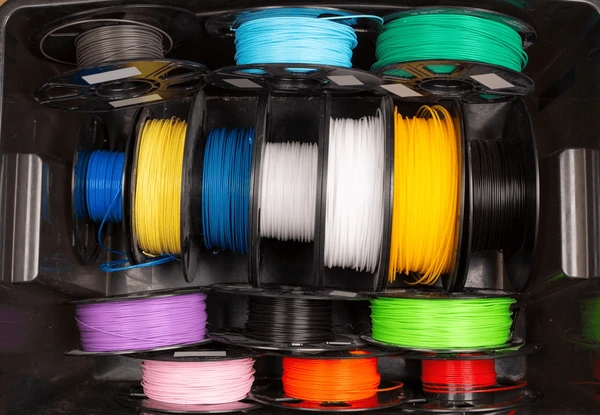
Selecting the best material for your 3D printing project depends on your specific needs, such as strength, durability, flexibility, and environmental factors. PETG and ABS are two popular choices, each with unique properties that cater to different applications.
Evaluate Mechanical Requirements
- Strength and Durability: If your project demands high impact resistance and toughness, PETG offers excellent performance. ABS, while strong, may be better suited for rigid components.
- Flexibility Needs: Choose PETG for applications requiring greater flexibility, as it has higher elongation at break compared to ABS.
Consider Environmental Factors
- Temperature Performance: For projects in varying temperatures, PETG excels with better low-temperature durability. ABS, on the other hand, handles higher heat but may perform poorly in extreme cold.
- Chemical Resistance: If your project involves exposure to chemicals or oils, PETG’s superior resistance makes it a more reliable option.
Focus on Aesthetics and Surface Finish
- Transparency: PETG is the go-to material for applications requiring clarity, such as packaging and display items.
- Surface Finish Options: ABS supports electroplating and other enhancements, making it ideal for projects needing a metallic finish or polished look.
Evaluate Processing Ease
- Ease of Printing: PETG is easier to print and offers less warping, making it beginner-friendly. ABS requires more precise settings but delivers excellent results in skilled hands.
- Recyclability: PETG’s recyclable nature makes it an eco-friendly choice for sustainable projects.
Match Material to Application
- PETG Applications: Ideal for packaging, consumer goods, electronics, and medical devices due to its strength and clarity.
- ABS Applications: Perfect for automotive parts, industrial prototypes, and durable components needing higher rigidity.
To get detailed scientific explanations of PETG vs. ABS, try Patsnap Eureka.
