


What Is The Superposition Theorem?
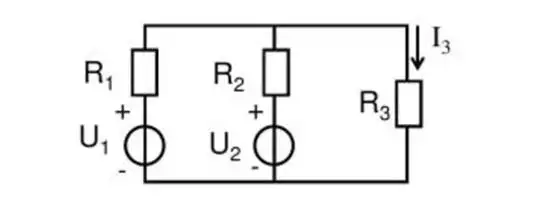
The Superposition Theorem is a key principle in circuit analysis, especially for linear electrical circuits. It simplifies the process of analyzing circuits with multiple voltage and current sources. According to this theorem, the voltage or current in any element of the circuit can be determined by considering the effect of each source individually. Once the contributions of all sources are calculated, their algebraic sum provides the total response. This powerful tool is widely used in electrical engineering to analyze complex circuits more efficiently and accurately. This article will explore how the Superposition Theorem works, its applications, and practical steps for implementation.
Key Aspects of the Superposition Theorem
- 1. Linearity Requirement
This principle works only in linear circuits, where the rules of superposition are valid. Non-linear circuits, which don’t follow this behavior, require different analysis methods. - 2. Independent Sources
The method assumes all sources are independent, meaning the operation of one source doesn’t influence another. This independence is crucial for accurate analysis. - 3. Simplifying Complex Circuits
The technique simplifies analyzing complicated circuits by breaking them into smaller parts. Turn off all but one source at a time, then calculate the contribution of each source separately. - 4. Power Dissipation Analysis
For resistive networks, it’s useful for evaluating total power dissipation. Replace current sources with open circuits and voltage sources with short circuits to determine individual power contributions. - 5. Limitations
This approach doesn’t work for non-linear circuits. In such cases, alternative methods are required to achieve accurate results.
Step-by-Step Guide to Using the Superposition Theorem
1. Identify Independent Sources
Start by identifying all independent voltage and current sources in the circuit. These sources can be analyzed individually.
2. Replace Dependent Sources
Simplify the circuit by replacing dependent sources, like voltage-controlled sources, with their short-circuit equivalents. This step makes the analysis easier.
3. Analyze Each Source Independently
Examine the circuit one source at a time. For each analysis, replace other voltage sources with short circuits and current sources with open circuits.
4. Calculate Individual Currents and Voltages
For each independent source, calculate the resulting currents and voltages in the circuit. Use simplified circuit equations to solve for these values.
5. Combine the Results
After calculating the contributions from each source, sum the individual results. This final step gives the actual currents and voltages when all sources are active.
Real-Life Applications of the Superposition Theorem
Electrical Circuits in Domestic Appliances
Circuit analysis plays a vital role in the design of everyday appliances like televisions, microwaves, and computers. By analyzing each independent source individually, engineers can simplify calculations and better understand how circuits function.
AC/DC Circuit Analysis
This method is especially helpful for circuits with multiple independent sources. Evaluating each source separately makes it easier to determine the total response in AC or DC circuits.
Telephone and Computer Networks
The principle is essential for analyzing electrical signals in telephone lines and computer cables. It allows engineers to break down signals into components, making it easier to understand their transmission and reception.
Electromagnetic Waves
In optics and photonics, the principle helps analyze electromagnetic waves, including light. This approach is critical for studying wave behaviors by evaluating multiple wave components individually.
Example Applications in Circuit Analysis
- 1. Low-Frequency Small Signal Amplifiers
Analyzing small signal amplifiers becomes simpler by treating each source independently. This method helps engineers solve complex amplifier circuits with ease. - 2. AC Load Line Analysis
This approach is often used to solve AC load line equations in circuit design. It provides a straightforward alternative to methods like Thevenin’s theorem, making calculations more efficient and manageable.
To get detailed scientific explanations of the superposition theorem, try Patsnap Eureka.
