


What Is HDMI 2.0b?
First introduced in 2013, HDMI 2.0b focuses on enhancing audio capabilities while retaining its core features. One of the most significant improvements is support for Dolby Atmos, a feature that delivers immersive, theater-quality sound. This makes HDMI 2.0b an excellent choice for users seeking a superior audio experience in their home entertainment systems.
While core features like 4K resolution at 60Hz, High Dynamic Range (HDR), and increased bandwidth remain unchanged, the added audio enhancements elevate its overall performance. These improvements make it ideal for modern setups that demand both high-quality video and immersive sound.
This article will explore HDMI 2.0b’s key features, benefits, and practical applications, guiding you in deciding whether this version meets your entertainment needs.

Improvements and Enhancements in HDMI 2.0b
- Higher Bandwidth: With 18 Gbps, HDMI 2.0b doubles the bandwidth of HDMI 1.4. This enables smooth 4K content at 60 Hz and 1080p at 120 Hz.
- 4K Resolution Support: HDMI 2.0b supports 4K at 60 Hz, ideal for high-definition video, compared to HDMI 1.4’s 4K at 30 Hz.
- Dynamic HDR: Dynamic HDR provides precise control over brightness and color for a more immersive viewing experience.
- Enhanced Audio Features: Enjoy up to 32 audio channels and advanced formats like DTS:X and Dolby Atmos for theater-quality sound.
- ARC for Simplicity: The enhanced Audio Return Channel (ARC) simplifies setups by sending audio from the TV to external sound systems.
- Wider Color Gamut: A broader color range delivers vivid, lifelike images, making every scene more realistic.
- Improved HDMI-CEC: HDMI-CEC now offers better control over multiple connected devices, streamlining the user experience.
- Increased Data Throughput: Faster data transfer benefits applications like gaming and virtual reality, ensuring smooth performance.
HDMI 2.0b and HDR Support Explained
HDR (High Dynamic Range) technology elevates video quality by enhancing contrast, color accuracy, and brightness. It creates more vivid visuals with richer colors and deeper blacks, transforming your entertainment experience. HDMI 2.0b brings full support for multiple HDR formats, making it a versatile option for modern displays.
Key HDR Formats Supported by HDMI 2.0b
- HDR10: This open standard is widely adopted by popular streaming platforms like Netflix and Amazon Prime. It delivers high-quality visuals without licensing fees.
- Dolby Vision: Known for its advanced color grading and dynamic metadata, Dolby Vision adjusts brightness and color on a scene-by-scene basis.
- HDR10+: Building on HDR10, this format uses dynamic metadata to optimize brightness and color for every scene.
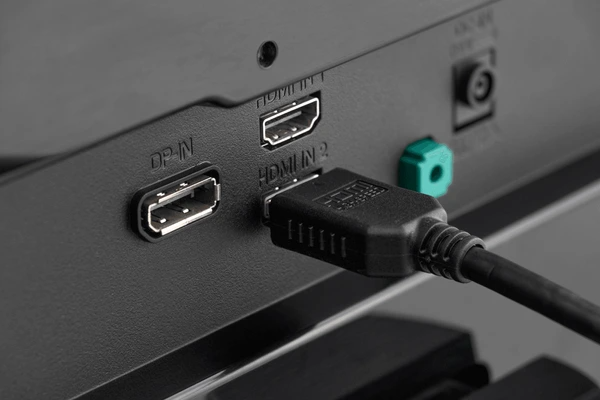
Device Compatibility with HDMI 2.0b
Devices built to this HDMI standard must meet strict requirements to deliver seamless performance and compatibility with other equipment.
Key Compatibility Features
- Compliance Testing: Every device undergoes rigorous compliance testing to ensure it meets established performance and interoperability standards.
- Backward Compatibility: These devices integrate effortlessly with older HDMI versions, allowing for smooth connections in mixed setups.
- EDID Support: Many devices support multiple EDID modes, enabling seamless operation with transmitters using HDMI 1.4, 2.0, and 2.1.
Practical Applications
- 4K and 8K Displays: It supports high-resolution video transmission, catering to the needs of ultra-high-definition screens.
- Home Theater Systems: The enhanced bandwidth makes it ideal for delivering immersive audio and video in modern entertainment setups.
- Professional A/V Equipment: Widely used in advanced systems, it ensures high-quality video and multi-channel audio for professional use.
Is HDMI 2.0b Still Relevant Today?
HDMI 2.0b continues to be a practical choice for many users due to its balance of features, compatibility, and affordability.
A Balanced Choice for Today’s Needs
For many users, HDMI 2.0b remains a practical and reliable option due to its well-rounded features, wide compatibility, and affordability. It offers advanced capabilities that meet the needs of most modern applications without the higher cost of newer versions.
Enhanced Support for HDR
This version of HDMI enhances image quality by supporting additional HDR formats. These formats provide richer colors and better contrast, making them essential for both home entertainment and professional setups where high visual fidelity is a priority.
Sufficient Bandwidth for Most Applications
While newer HDMI versions boast higher bandwidth, the 18 Gbps offered here is more than adequate for most users. It supports 4K resolution at 60 Hz and even some 8K content, making it suitable for many modern devices and scenarios.
Seamless Compatibility with Older Devices
Backward compatibility is a key advantage. Devices using this HDMI standard can connect effortlessly with older versions, allowing users to enjoy new features without worrying about compatibility issues with existing equipment.
Affordable and Accessible
This HDMI version is widely available and costs less than its newer counterparts. It provides an excellent option for users who want to upgrade their setup without spending excessively, making it a cost-effective solution.
Comprehensive Features for Audio and Video
Despite the advancements in newer versions, this HDMI standard still supports a range of powerful features. With audio formats like Dolby Atmos and DTS:X, it ensures an immersive experience for both video and sound, making it a robust choice for various applications.
To get detailed scientific explanations of HDMI 2.0b, try Patsnap Eureka.
