


When selecting a database system for your application, one of the key decisions is whether to use SQL or NoSQL. Both types of databases offer distinct advantages depending on your requirements for scalability, flexibility, and the complexity of the data model. In this article, we will delve deep into the differences between SQL vs. NoSQL databases, explore their use cases, and compare their performance.
What is SQL?
SQL (Structured Query Language) databases are relational database management systems (RDBMS) that use a structured schema to store data in tables with rows and columns. SQL databases have been around since the 1970s and remain a robust choice for applications requiring ACID compliance (Atomicity, Consistency, Isolation, Durability).

Key Features of SQL Databases
- Structured Data: SQL databases are ideal for structured data with predefined schemas.
- ACID Compliance: SQL databases guarantee ACID transactions, making them suitable for applications where data integrity is critical.
- Data Relationships: They are effective for applications requiring complex joins and relationships across tables.
Examples of SQL Databases
- MySQL
- PostgreSQL
- Microsoft SQL Server
- Oracle Database
What is NoSQL?
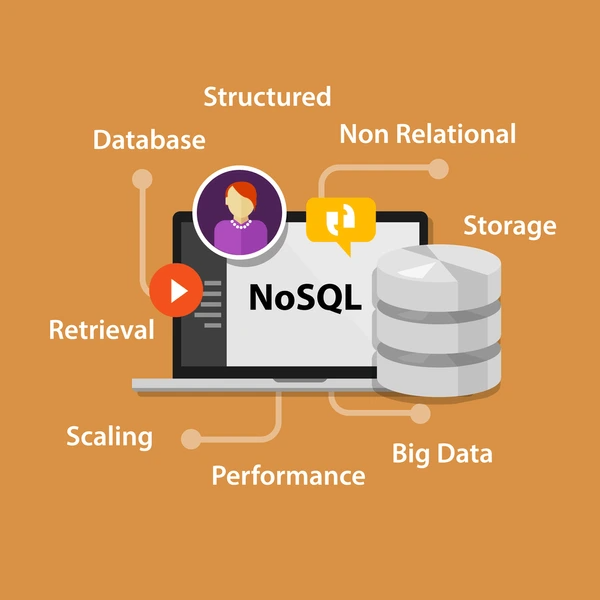
NoSQL (Not Only SQL) databases are non-relational databases designed to handle unstructured or semi-structured data. These databases do not require a predefined schema, making them more flexible in handling diverse data types. They are often chosen for applications that require horizontal scalability and fast read/write operations.
Key Features of NoSQL Databases
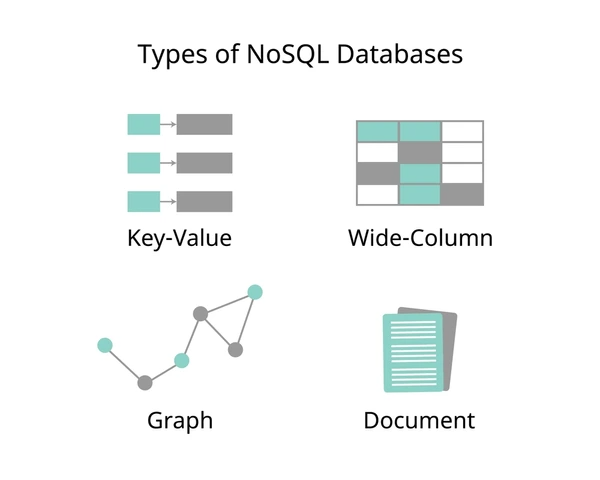
- Flexibility: NoSQL databases can store data in various formats, including key-value, document, column-family, and graph models.
- Horizontal Scalability: These databases can scale out across multiple servers with ease, making them suitable for big data and real-time web applications.
- Eventual Consistency: NoSQL systems often use eventual consistency models, which trade strict consistency for availability and partition tolerance.
Examples of NoSQL Databases
- MongoDB (Document Store)
- Cassandra (Column Store)
- Redis (Key-Value Store)
- Neo4j (Graph Database)
Key Differences Between SQL and NoSQL
| Feature | SQL Databases | NoSQL Databases |
|---|---|---|
| Data Model | Relational (Tables, Rows, Columns) | Non-relational (Document, Key-Value, Graph, etc.) |
| Schema | Fixed Schema | Flexible Schema |
| Scalability | Vertical Scaling (scale-up) | Horizontal Scaling (scale-out) |
| Transactions | ACID Compliant | BASE (Basically Available, Soft state, Eventually consistent) |
| Use Cases | Complex queries, Financial Apps | Big Data, Real-time Applications, Social Networks |
| Examples | MySQL, PostgreSQL, Oracle, SQL Server | MongoDB, Cassandra, Redis, Neo4j |
When to Use SQL vs. NoSQL
💡 Unsure whether to use SQL or NoSQL for your project? Eureka Technical Q&A offers expert guidance on choosing the right database solution, helping you understand the strengths of each system for scalability, flexibility, and performance in various applications.

SQL Databases
- Best for Structured Data: SQL is the go-to option when you need to work with structured data that fits neatly into tables.
- Strong Consistency Needs: SQL databases are ideal for applications where data consistency is a priority, such as financial transactions and accounting systems.
- Complex Queries: SQL excels in environments that require complex querying with multiple joins and aggregations.
NoSQL Databases
- Handling Unstructured Data: NoSQL is suited for applications dealing with unstructured or semi-structured data, such as documents, images, or JSON.
- Scalable Web Apps: NoSQL is often used for highly scalable applications like social media platforms and real-time analytics that need to handle large volumes of data with low latency.
- Rapid Development: NoSQL databases allow for quicker iterations and changes in the data model, which is particularly useful in agile development environments.
Performance Comparison: SQL vs. NoSQL
In terms of performance, SQL and NoSQL databases excel in different scenarios. SQL databases generally provide strong consistency and are optimized for complex queries with relational data. However, they may experience slower performance as data volume grows and horizontal scalability becomes necessary.
On the other hand, NoSQL databases are designed for high availability and performance at scale. They excel in handling large datasets, distributed environments, and real-time data operations. NoSQL databases often provide lower latency and can scale across multiple servers.
Real-World Cases: SQL and NoSQL in Action
SQL Example: Financial Systems
Banks and financial institutions often rely on SQL databases to manage their transactional data, such as accounts and transactions. For instance, a system that tracks deposits and withdrawals in real-time requires ACID-compliant transactions to ensure data integrity. SQL databases like PostgreSQL are commonly used in these scenarios.
NoSQL Example: Social Media Platforms
NoSQL databases are widely used in social media platforms, such as Facebook, Twitter, and Instagram, to manage massive amounts of user-generated content. These platforms store data in various formats, including images, posts, and interactions, making NoSQL databases like MongoDB or Cassandra a suitable choice.
SQL vs. NoSQL: Which One Should You Choose?
The decision to use SQL or NoSQL should depend on the requirements of your project. Here are some guidelines:
- If you need strong consistency and relational data modeling, SQL is the better choice.
- If you are building a scalable system that needs to handle large amounts of unstructured or semi-structured data, NoSQL could be more appropriate.
Conclusion
In conclusion, both SQL and NoSQL databases offer unique advantages depending on the needs of the application. SQL databases are ideal for traditional applications requiring relational data and strong consistency, while NoSQL databases excel in handling large-scale, unstructured data with flexible schemas. Understanding your application’s requirements will help you choose the right database system to meet both your current and future needs.
To get detailed scientific explanations of SQL vs. NoSQL, try Patsnap Eureka.
