
A method for improving the connection efficiency of building steel skeleton
A technology of building steel bars and steel bar skeletons, which is applied in the direction of buildings, building components, building reinforcements, etc., and can solve problems such as cumbersome operations, complex structure of steel bar connection devices, and affecting the connection efficiency of steel bar structures
Patent Information
- Authority / Receiving Office
- CN · China
- Patent Type
- Patents(China)
- Current Assignee / Owner
- Publication Date
- 2021-01-08
Smart Images
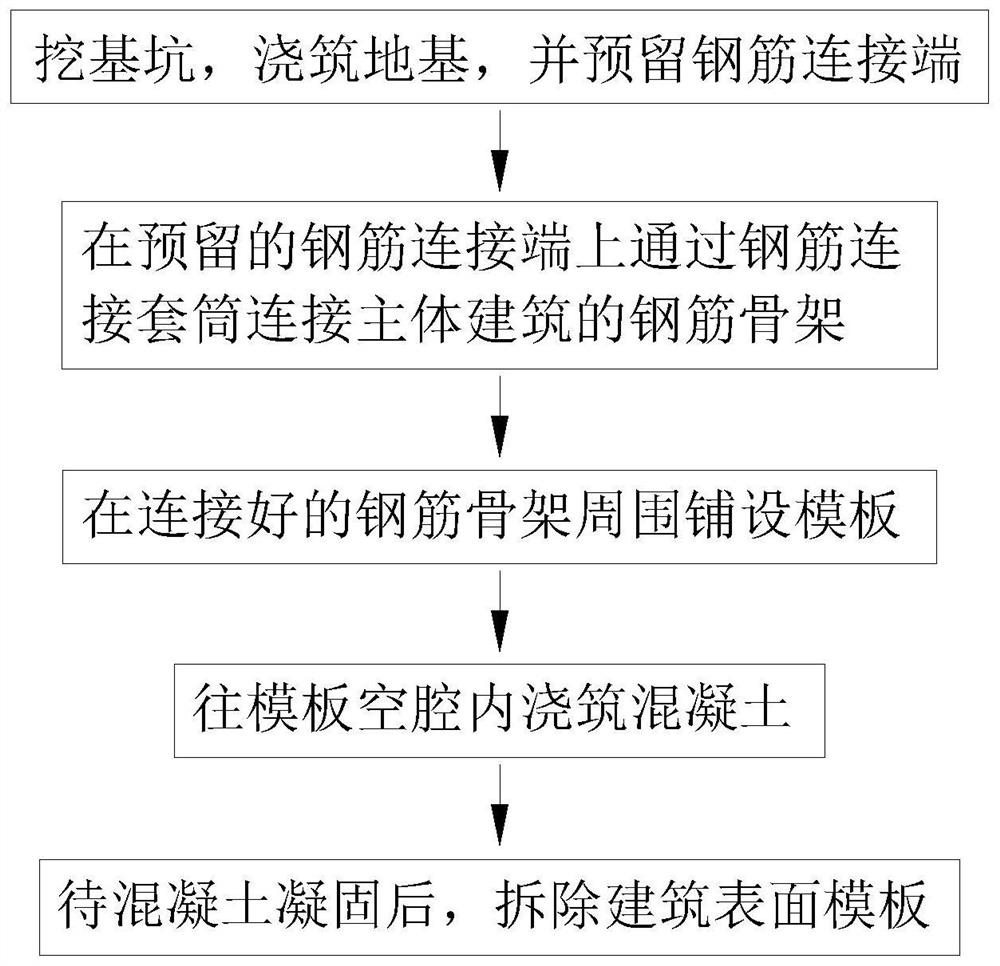
Figure 1 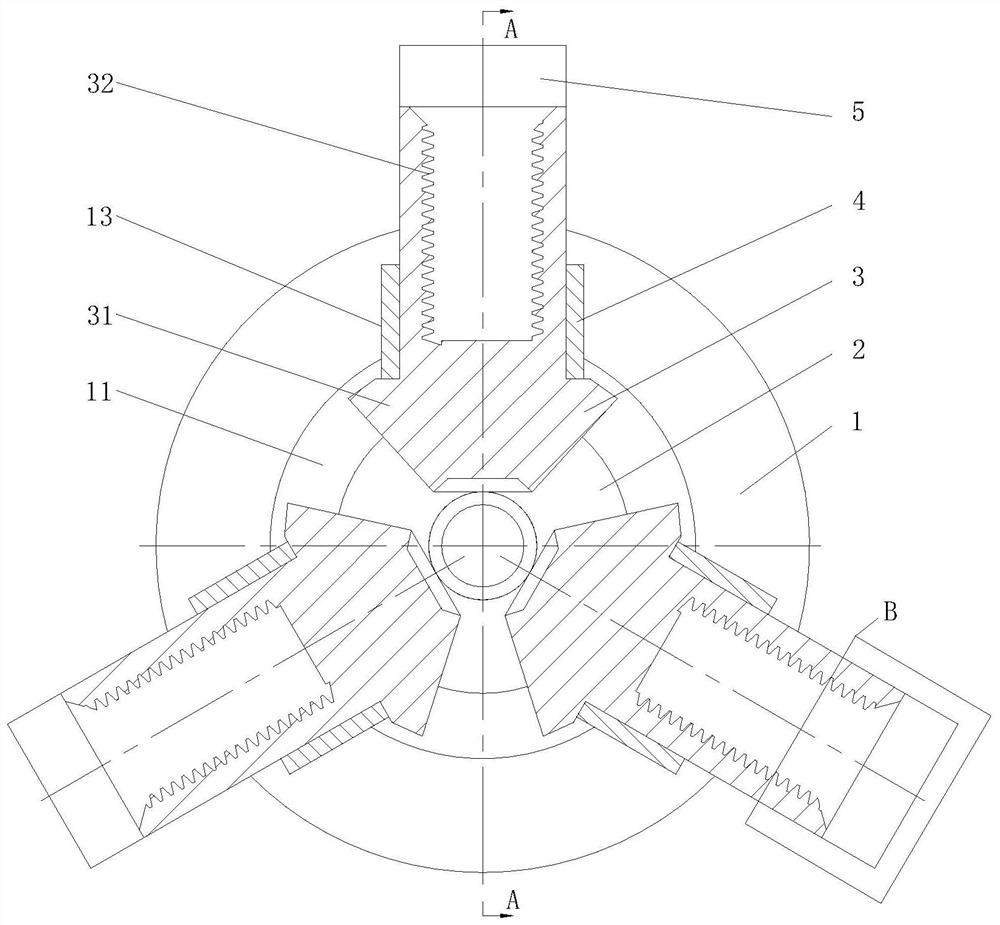
Figure 2 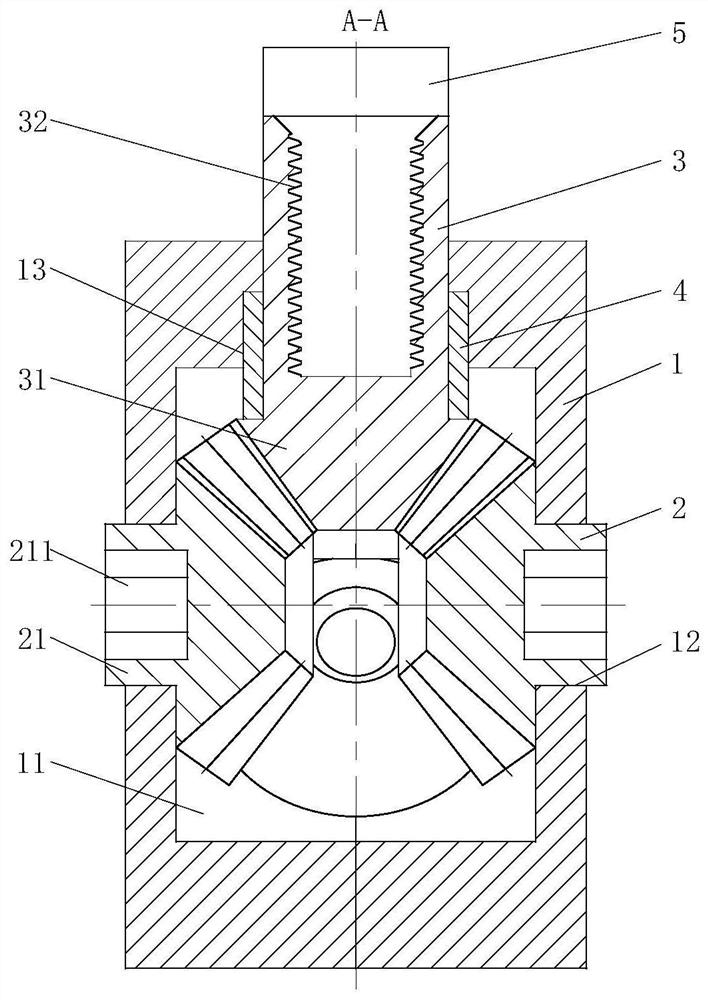
Figure 3
Abstract
Description
technical field
[0001] The invention belongs to the technical field of engineering construction, and specifically relates to a method for improving the connection efficiency of building steel bar skeletons. Background technique
[0002] In the prior art, concrete methods such as welding, binding and overlapping, and mechanical connection can be used for connection of steel bars. The connection of prefabricated reinforced concrete components is usually to realize the connection of steel bars first, and then realize the connection of other parts on this premise. For example, in the connection process of prefabricated components, the steel bars are connected first, and then the surrounding structures such as concrete are poured and connected. If electric welding is used, equipment such as electric welding machine and power cord are needed. The process is complicated and inconvenient to use, especially when working at heights, it is even more inconvenient to pull the power cord...
Examples
Embodiment approach
[0041] When in use, the steel bar is inserted into the transitional helical module 5, and the transitional helical module 5 realizes the clamping of the steel bar, and then an inner hexagonal wrench is inserted into the inner hexagonal concave hole 211 at the end of the short shaft 21 of the driving bevel gear 2 to rotate to drive the driving bevel gear 2 Rotate, drive bevel gear 2 to drive threaded pipe 3 to rotate through gear meshing, threaded pipe 3 drives transitional helical module 5 to rotate, transitional helical module 5 transmits the steel bar to the threaded blind hole 32 of threaded pipe 3, and then realizes the connection between the steel bar skeleton Herringbone connection, at the same time, the three steel bars can be directly inserted into the sleeve without external force clamping, and synchronous locking can be realized; the first implementation of the transitional helical module 5: after the steel bar is inserted into the transitional helical module 5, the ot...