Abscisic Acid's Evolutionary Role in Drought Tolerance Across Species
JUL 14, 20259 MIN READ
Generate Your Research Report Instantly with AI Agent
Patsnap Eureka helps you evaluate technical feasibility & market potential.
ABA Evolution and Drought Adaptation Goals
Abscisic acid (ABA) has played a pivotal role in the evolution of drought tolerance across various plant species. This phytohormone, first discovered in the 1960s, has been a key player in plant adaptation to water-limited environments. The primary goal of studying ABA's evolutionary role is to unravel the complex mechanisms that have allowed plants to survive and thrive in diverse ecological niches, particularly those characterized by water scarcity.
The evolutionary trajectory of ABA signaling mechanisms spans millions of years, from early land plants to modern-day angiosperms. This long history has resulted in a sophisticated network of ABA-mediated responses that enable plants to cope with drought stress. Understanding this evolutionary path is crucial for developing strategies to enhance crop resilience in the face of climate change and increasing water scarcity.
One of the key objectives in ABA research is to elucidate the conservation and diversification of ABA-related genes across plant lineages. This comparative approach aims to identify core components of the ABA signaling pathway that have been preserved throughout evolution, as well as species-specific adaptations that have arisen in response to particular environmental pressures.
Another important goal is to decipher the molecular mechanisms underlying ABA-induced stomatal closure, a critical process in drought tolerance. By tracing the evolution of guard cell responsiveness to ABA, researchers hope to uncover novel targets for improving water use efficiency in crops. This knowledge could lead to the development of plants with enhanced drought tolerance without compromising overall productivity.
Furthermore, investigating the co-evolution of ABA biosynthesis, catabolism, and signaling pathways is essential for a comprehensive understanding of drought adaptation. This holistic approach seeks to reveal how plants have fine-tuned their ABA responses over time to optimize growth and survival under water-limited conditions.
The ultimate aim of studying ABA's evolutionary role is to translate this knowledge into practical applications for agriculture and ecosystem management. By identifying key genetic elements and regulatory networks that have contributed to drought tolerance across species, researchers can develop targeted breeding strategies and biotechnological interventions to create more resilient crops and natural plant communities.
In conclusion, the exploration of ABA's evolutionary role in drought tolerance is a multifaceted endeavor with far-reaching implications for both basic plant biology and applied agricultural sciences. As we continue to unravel the intricate tapestry of ABA-mediated adaptations, we move closer to developing sustainable solutions for food security and ecosystem preservation in a changing climate.
The evolutionary trajectory of ABA signaling mechanisms spans millions of years, from early land plants to modern-day angiosperms. This long history has resulted in a sophisticated network of ABA-mediated responses that enable plants to cope with drought stress. Understanding this evolutionary path is crucial for developing strategies to enhance crop resilience in the face of climate change and increasing water scarcity.
One of the key objectives in ABA research is to elucidate the conservation and diversification of ABA-related genes across plant lineages. This comparative approach aims to identify core components of the ABA signaling pathway that have been preserved throughout evolution, as well as species-specific adaptations that have arisen in response to particular environmental pressures.
Another important goal is to decipher the molecular mechanisms underlying ABA-induced stomatal closure, a critical process in drought tolerance. By tracing the evolution of guard cell responsiveness to ABA, researchers hope to uncover novel targets for improving water use efficiency in crops. This knowledge could lead to the development of plants with enhanced drought tolerance without compromising overall productivity.
Furthermore, investigating the co-evolution of ABA biosynthesis, catabolism, and signaling pathways is essential for a comprehensive understanding of drought adaptation. This holistic approach seeks to reveal how plants have fine-tuned their ABA responses over time to optimize growth and survival under water-limited conditions.
The ultimate aim of studying ABA's evolutionary role is to translate this knowledge into practical applications for agriculture and ecosystem management. By identifying key genetic elements and regulatory networks that have contributed to drought tolerance across species, researchers can develop targeted breeding strategies and biotechnological interventions to create more resilient crops and natural plant communities.
In conclusion, the exploration of ABA's evolutionary role in drought tolerance is a multifaceted endeavor with far-reaching implications for both basic plant biology and applied agricultural sciences. As we continue to unravel the intricate tapestry of ABA-mediated adaptations, we move closer to developing sustainable solutions for food security and ecosystem preservation in a changing climate.
Market Demand for Drought-Resistant Crops
The global market for drought-resistant crops has been experiencing significant growth in recent years, driven by increasing concerns over climate change and water scarcity. As extreme weather events become more frequent and severe, farmers and agricultural companies are seeking innovative solutions to maintain crop yields and food security.
The demand for drought-resistant crops is particularly high in regions prone to water stress, such as parts of Africa, the Middle East, and South Asia. These areas are facing growing challenges in maintaining agricultural productivity due to prolonged dry spells and unpredictable rainfall patterns. Consequently, there is a strong market pull for crops that can thrive under water-limited conditions.
Major agricultural companies have recognized this trend and are investing heavily in the development of drought-tolerant varieties. For instance, seed companies are focusing on breeding programs that incorporate traits for improved water use efficiency and stress tolerance. This has led to the introduction of several drought-resistant crop varieties in recent years, including maize, soybeans, and wheat.
The market for drought-resistant crops extends beyond traditional food crops. There is also growing interest in drought-tolerant varieties of cash crops such as cotton and biofuel feedstocks. This diversification reflects the broader impact of water scarcity on various agricultural sectors and the need for resilient crop options across different farming systems.
Government policies and initiatives are further driving market demand for drought-resistant crops. Many countries have implemented programs to promote the adoption of climate-smart agricultural practices, including the use of drought-tolerant varieties. These policies often include subsidies or incentives for farmers who adopt such crops, creating additional market opportunities for seed companies and agricultural technology providers.
The potential economic impact of drought-resistant crops is substantial. By reducing yield losses during dry periods, these crops can help stabilize farm incomes and contribute to overall food security. This has attracted attention from international development organizations and private investors, who see drought-resistant crops as a key component of sustainable agriculture strategies in vulnerable regions.
However, the market for drought-resistant crops also faces challenges. There are concerns about the potential environmental impacts of genetically modified drought-tolerant varieties, which has led to regulatory hurdles in some markets. Additionally, the higher cost of drought-resistant seeds compared to conventional varieties can be a barrier to adoption, particularly for smallholder farmers in developing countries.
The demand for drought-resistant crops is particularly high in regions prone to water stress, such as parts of Africa, the Middle East, and South Asia. These areas are facing growing challenges in maintaining agricultural productivity due to prolonged dry spells and unpredictable rainfall patterns. Consequently, there is a strong market pull for crops that can thrive under water-limited conditions.
Major agricultural companies have recognized this trend and are investing heavily in the development of drought-tolerant varieties. For instance, seed companies are focusing on breeding programs that incorporate traits for improved water use efficiency and stress tolerance. This has led to the introduction of several drought-resistant crop varieties in recent years, including maize, soybeans, and wheat.
The market for drought-resistant crops extends beyond traditional food crops. There is also growing interest in drought-tolerant varieties of cash crops such as cotton and biofuel feedstocks. This diversification reflects the broader impact of water scarcity on various agricultural sectors and the need for resilient crop options across different farming systems.
Government policies and initiatives are further driving market demand for drought-resistant crops. Many countries have implemented programs to promote the adoption of climate-smart agricultural practices, including the use of drought-tolerant varieties. These policies often include subsidies or incentives for farmers who adopt such crops, creating additional market opportunities for seed companies and agricultural technology providers.
The potential economic impact of drought-resistant crops is substantial. By reducing yield losses during dry periods, these crops can help stabilize farm incomes and contribute to overall food security. This has attracted attention from international development organizations and private investors, who see drought-resistant crops as a key component of sustainable agriculture strategies in vulnerable regions.
However, the market for drought-resistant crops also faces challenges. There are concerns about the potential environmental impacts of genetically modified drought-tolerant varieties, which has led to regulatory hurdles in some markets. Additionally, the higher cost of drought-resistant seeds compared to conventional varieties can be a barrier to adoption, particularly for smallholder farmers in developing countries.
Current ABA Research Challenges
Despite significant advancements in understanding Abscisic Acid (ABA) and its role in drought tolerance, researchers still face several challenges in fully elucidating its evolutionary significance across species. One of the primary obstacles is the complexity of ABA signaling pathways, which vary considerably among different plant species. This diversity makes it difficult to establish a unified model of ABA action that applies universally across the plant kingdom.
Another challenge lies in the intricate interplay between ABA and other plant hormones. While ABA is known to be a key player in drought response, its interactions with auxins, cytokinins, and ethylene, among others, create a complex hormonal network that is not yet fully understood. Deciphering these interactions and their evolutionary implications requires sophisticated experimental designs and advanced analytical tools.
The genetic basis of ABA-mediated drought tolerance also presents significant research hurdles. Although many ABA-responsive genes have been identified, their functional roles and evolutionary conservation across species remain unclear. Comparative genomic studies are needed to trace the evolutionary history of these genes and understand how they have been adapted or co-opted for drought tolerance in different lineages.
Furthermore, the environmental context in which ABA operates poses challenges for researchers. ABA responses can vary significantly depending on factors such as soil composition, temperature, and light intensity. This environmental complexity makes it difficult to isolate and study the specific effects of ABA on drought tolerance, particularly when comparing responses across diverse species adapted to different ecological niches.
The translation of ABA research from model organisms to crop plants represents another significant challenge. While much of our understanding comes from studies on Arabidopsis thaliana, applying this knowledge to improve drought tolerance in economically important crops is not straightforward. Differences in plant architecture, life history, and genetic background can all influence ABA responses, necessitating species-specific investigations.
Lastly, the temporal and spatial dynamics of ABA action within plants remain an area of active research. Understanding how ABA signaling changes over time and across different plant tissues during drought stress is crucial for developing a comprehensive picture of its evolutionary role. However, current techniques for real-time monitoring of ABA levels and signaling in intact plants are limited, hindering progress in this area.
Another challenge lies in the intricate interplay between ABA and other plant hormones. While ABA is known to be a key player in drought response, its interactions with auxins, cytokinins, and ethylene, among others, create a complex hormonal network that is not yet fully understood. Deciphering these interactions and their evolutionary implications requires sophisticated experimental designs and advanced analytical tools.
The genetic basis of ABA-mediated drought tolerance also presents significant research hurdles. Although many ABA-responsive genes have been identified, their functional roles and evolutionary conservation across species remain unclear. Comparative genomic studies are needed to trace the evolutionary history of these genes and understand how they have been adapted or co-opted for drought tolerance in different lineages.
Furthermore, the environmental context in which ABA operates poses challenges for researchers. ABA responses can vary significantly depending on factors such as soil composition, temperature, and light intensity. This environmental complexity makes it difficult to isolate and study the specific effects of ABA on drought tolerance, particularly when comparing responses across diverse species adapted to different ecological niches.
The translation of ABA research from model organisms to crop plants represents another significant challenge. While much of our understanding comes from studies on Arabidopsis thaliana, applying this knowledge to improve drought tolerance in economically important crops is not straightforward. Differences in plant architecture, life history, and genetic background can all influence ABA responses, necessitating species-specific investigations.
Lastly, the temporal and spatial dynamics of ABA action within plants remain an area of active research. Understanding how ABA signaling changes over time and across different plant tissues during drought stress is crucial for developing a comprehensive picture of its evolutionary role. However, current techniques for real-time monitoring of ABA levels and signaling in intact plants are limited, hindering progress in this area.
Existing ABA-based Drought Solutions
01 Genetic modification for enhanced ABA signaling
Genetic engineering techniques are used to modify plants for improved abscisic acid (ABA) signaling pathways. This enhances drought tolerance by increasing the plant's sensitivity to ABA, leading to better water conservation and stress response mechanisms.- Genetic modification for enhanced ABA signaling: Genetic engineering techniques are used to modify plants for improved abscisic acid (ABA) signaling pathways. This enhances the plant's ability to respond to drought stress by regulating stomatal closure and water conservation mechanisms, ultimately improving drought tolerance.
- ABA-responsive gene expression: Identification and manipulation of genes involved in ABA-responsive pathways are crucial for developing drought-tolerant crops. These genes regulate various physiological processes, including stress response and adaptation, leading to improved plant performance under water-limited conditions.
- Exogenous application of ABA and analogs: The external application of ABA or its synthetic analogs to plants can enhance drought tolerance. These compounds trigger drought response mechanisms, such as stomatal closure and osmotic adjustment, helping plants withstand periods of water scarcity.
- ABA-mediated stress signaling pathways: Research focuses on understanding and manipulating ABA-mediated stress signaling pathways. This includes studying receptors, transcription factors, and downstream effectors involved in drought response, with the aim of developing more resilient crop varieties.
- Integration of ABA with other drought tolerance mechanisms: Combining ABA-related strategies with other drought tolerance mechanisms, such as osmolyte accumulation or root architecture modification, can provide synergistic effects. This integrated approach aims to create more comprehensive and effective drought tolerance in plants.
02 ABA-responsive gene expression
Identification and manipulation of genes that are responsive to ABA during drought stress. These genes are involved in various physiological processes that contribute to drought tolerance, such as stomatal closure and osmotic adjustment.Expand Specific Solutions03 Exogenous ABA application
Development of methods for external application of ABA or ABA analogs to plants. This approach aims to enhance drought tolerance by supplementing the plant's natural ABA levels, triggering drought response mechanisms without genetic modification.Expand Specific Solutions04 ABA biosynthesis enhancement
Strategies to increase the plant's ability to produce ABA, particularly under drought conditions. This involves manipulating enzymes and precursors in the ABA biosynthetic pathway to elevate endogenous ABA levels and improve drought tolerance.Expand Specific Solutions05 ABA-mediated stress response pathways
Investigation and modification of downstream signaling cascades activated by ABA during drought stress. This includes targeting transcription factors, protein kinases, and other regulatory elements that control the plant's physiological and molecular responses to water deficit.Expand Specific Solutions
Key Players in ABA Research
The competitive landscape for Abscisic Acid's (ABA) evolutionary role in drought tolerance across species is in a growth phase, with increasing market size and technological advancements. The global market for ABA-related technologies is expanding as climate change drives demand for drought-resistant crops. Technologically, the field is progressing rapidly, with companies like Evogene, Performance Plants, and Valent BioSciences leading innovation. Academic institutions such as China Agricultural University and Purdue University are also contributing significantly to research. The involvement of major agrochemical companies like BASF, Syngenta, and Sumitomo Chemical indicates the technology's growing commercial potential. However, the complexity of ABA's role across species suggests that further research and development are needed to fully exploit its potential in improving drought tolerance.
Evogene Ltd.
Technical Solution: Evogene Ltd. has developed a comprehensive approach to enhancing drought tolerance in plants through the manipulation of Abscisic Acid (ABA) pathways. Their technology platform, Gene2Product™, utilizes computational biology and big data analytics to identify key genes involved in ABA biosynthesis, signaling, and response[1]. The company has successfully engineered plants with improved ABA-mediated drought responses, resulting in crops that can maintain yield under water-limited conditions. Evogene's approach includes modifying ABA receptors to enhance sensitivity, optimizing ABA catabolism to fine-tune hormone levels, and enhancing ABA-responsive transcription factors to amplify drought tolerance signaling cascades[2]. This multi-faceted strategy addresses the complex nature of drought tolerance across various plant species.
Strengths: Comprehensive approach targeting multiple aspects of ABA-mediated drought response; utilization of advanced computational tools for gene discovery. Weaknesses: Potential for unintended consequences in plant physiology due to alterations in hormone pathways; regulatory challenges for genetically modified crops.
Performance Plants, Inc.
Technical Solution: Performance Plants, Inc. has pioneered a novel approach to enhancing drought tolerance by focusing on the evolutionary role of Abscisic Acid (ABA) across species. Their proprietary Yield Protection Technology™ (YPT™) targets key regulatory elements in the ABA signaling pathway that are conserved across diverse plant species[3]. By modulating these conserved elements, Performance Plants has developed crops with enhanced drought tolerance without compromising overall plant growth and development. The company's technology involves fine-tuning ABA sensitivity in guard cells, which control stomatal closure, thereby optimizing water use efficiency under drought conditions[4]. Additionally, they have identified and manipulated ABA-responsive transcription factors that activate stress-protective genes, enhancing the plant's ability to withstand prolonged periods of water scarcity.
Strengths: Targeted approach focusing on evolutionarily conserved ABA signaling components; potential for broad applicability across multiple crop species. Weaknesses: May not address all aspects of drought tolerance; potential for reduced effectiveness in extreme drought conditions.
Core ABA Receptor Innovations
Polynucleotides encoding plant prenyl proteases
PatentInactiveUS20080072350A1
Innovation
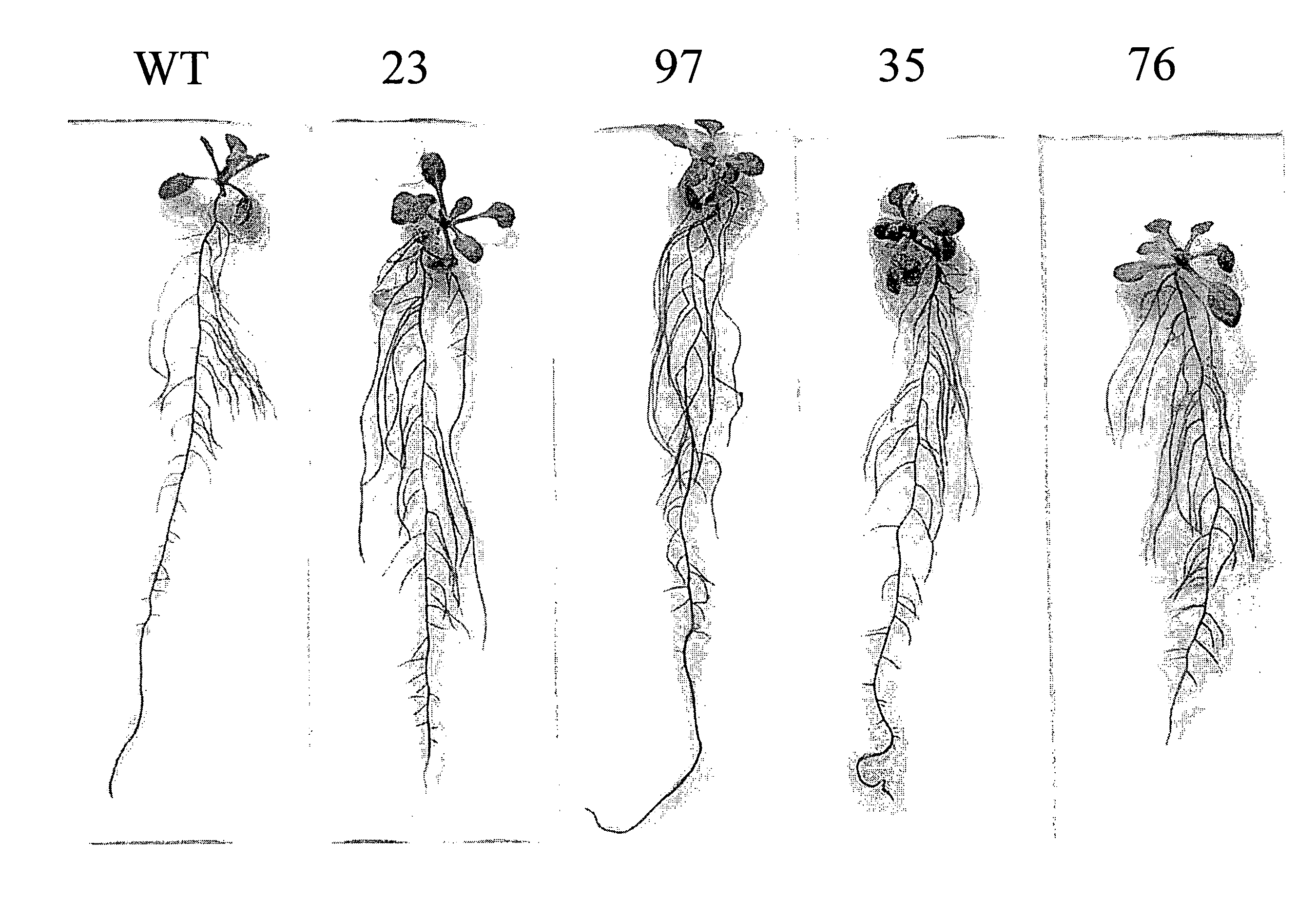
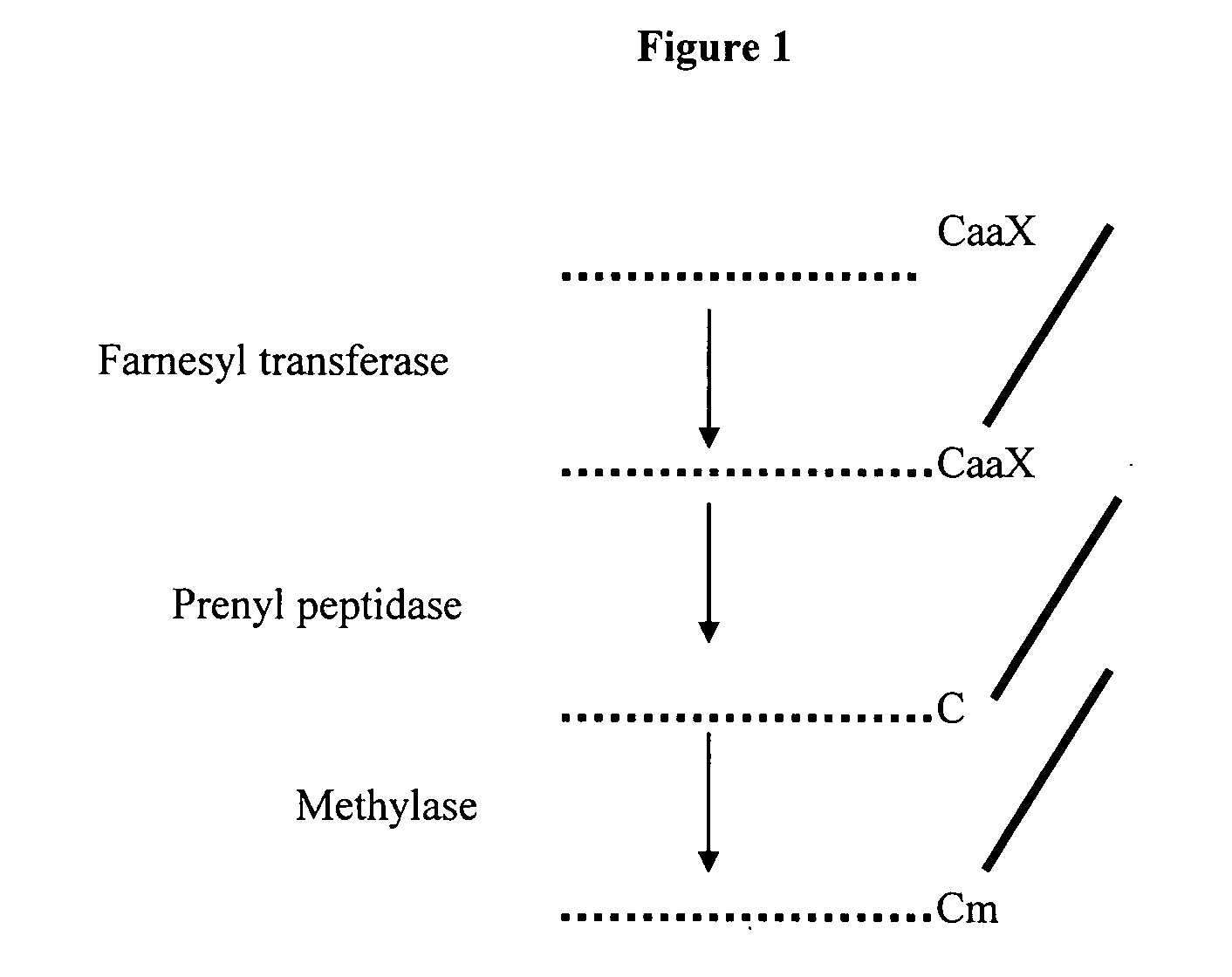
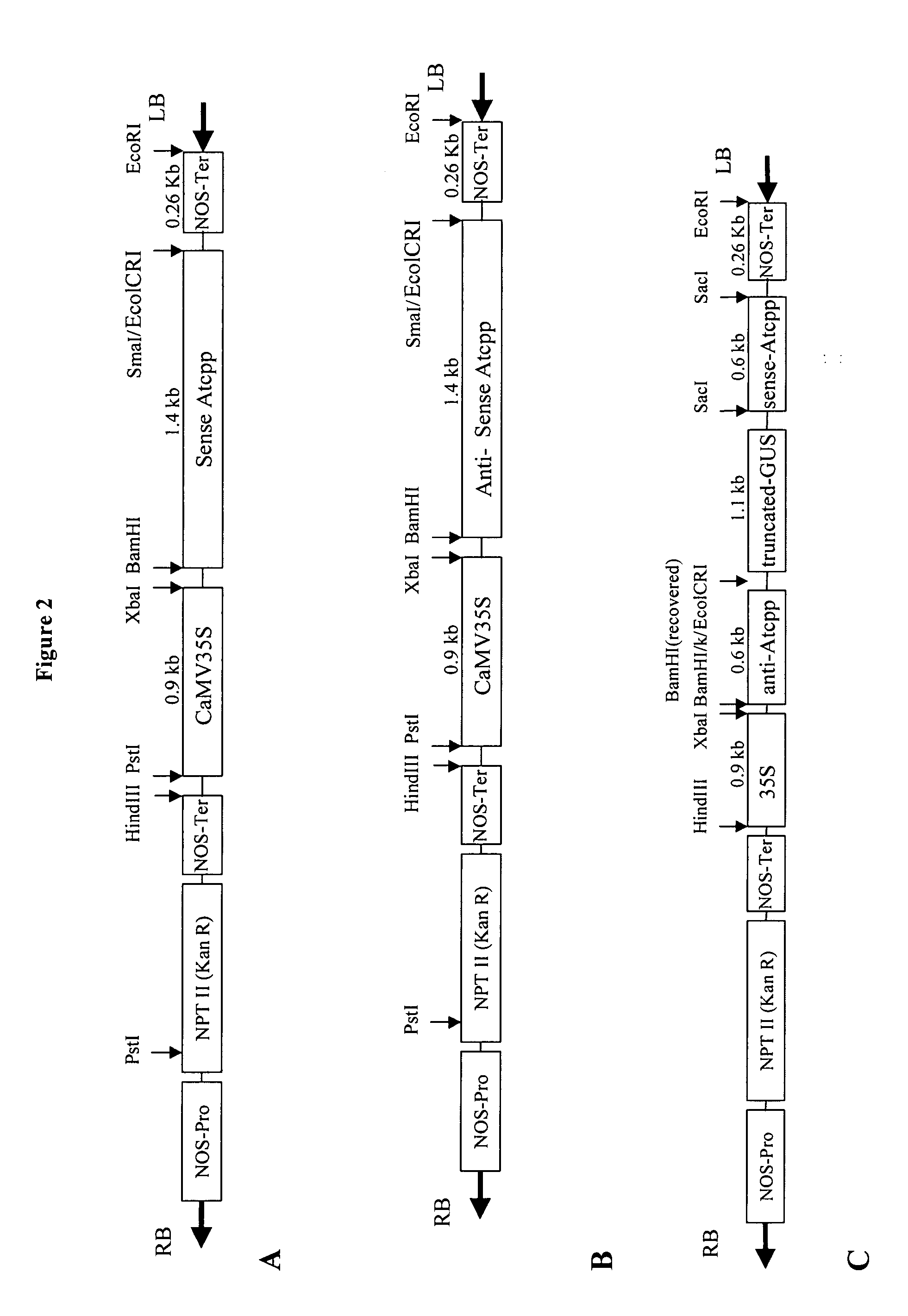
- Development of novel polynucleotides encoding prenyl protease polypeptides and their use in transgenic plants to enhance drought tolerance through modulation of PrPase gene expression, including the use of specific promoters and inhibitors to regulate ABA sensitivity and stomata closure.
Climate Change Impact on ABA Research
Climate change is significantly impacting the research landscape surrounding Abscisic Acid (ABA) and its role in drought tolerance across species. As global temperatures rise and precipitation patterns become increasingly erratic, understanding the evolutionary adaptations of plants to water stress has become paramount. This shift in environmental conditions is driving an intensified focus on ABA research, particularly in its capacity to enhance drought resilience in crops and natural ecosystems.
The increasing frequency and severity of droughts worldwide have accelerated the urgency of ABA-related studies. Researchers are now exploring the evolutionary history of ABA signaling pathways across diverse plant species, seeking to uncover how different organisms have adapted their ABA responses to varying levels of water stress. This comparative approach is yielding valuable insights into the conservation and divergence of ABA-mediated drought tolerance mechanisms across evolutionary time scales.
Climate change is also pushing scientists to investigate the potential for manipulating ABA pathways to develop more drought-resistant crops. As traditional agricultural regions face changing climate patterns, there is a growing need for plants that can maintain productivity under water-limited conditions. This has led to increased funding and resources being allocated to ABA research, with a particular emphasis on translating evolutionary insights into practical applications for crop improvement.
Furthermore, the altered climate is providing new opportunities to study ABA's role in real-time evolutionary adaptations. Researchers are monitoring how plant populations in drought-affected areas are naturally selecting for enhanced ABA responses, offering a unique window into the ongoing evolution of drought tolerance mechanisms. This research is not only advancing our understanding of plant biology but also informing conservation strategies for vulnerable ecosystems.
The impact of climate change on ABA research extends beyond plant science, influencing interdisciplinary collaborations. Climatologists, ecologists, and molecular biologists are increasingly working together to model how changing environmental conditions might affect ABA-related gene expression and signaling across different species and ecosystems. These collaborative efforts are essential for predicting and mitigating the impacts of climate change on global biodiversity and food security.
As climate change continues to reshape the planet's hydrology, the study of ABA's evolutionary role in drought tolerance is becoming increasingly intertwined with broader questions of ecological resilience and agricultural sustainability. This convergence is driving innovation in research methodologies, from high-throughput phenotyping techniques to advanced genomic analyses, all aimed at deciphering the complex interplay between ABA, drought stress, and evolutionary adaptation in a rapidly changing world.
The increasing frequency and severity of droughts worldwide have accelerated the urgency of ABA-related studies. Researchers are now exploring the evolutionary history of ABA signaling pathways across diverse plant species, seeking to uncover how different organisms have adapted their ABA responses to varying levels of water stress. This comparative approach is yielding valuable insights into the conservation and divergence of ABA-mediated drought tolerance mechanisms across evolutionary time scales.
Climate change is also pushing scientists to investigate the potential for manipulating ABA pathways to develop more drought-resistant crops. As traditional agricultural regions face changing climate patterns, there is a growing need for plants that can maintain productivity under water-limited conditions. This has led to increased funding and resources being allocated to ABA research, with a particular emphasis on translating evolutionary insights into practical applications for crop improvement.
Furthermore, the altered climate is providing new opportunities to study ABA's role in real-time evolutionary adaptations. Researchers are monitoring how plant populations in drought-affected areas are naturally selecting for enhanced ABA responses, offering a unique window into the ongoing evolution of drought tolerance mechanisms. This research is not only advancing our understanding of plant biology but also informing conservation strategies for vulnerable ecosystems.
The impact of climate change on ABA research extends beyond plant science, influencing interdisciplinary collaborations. Climatologists, ecologists, and molecular biologists are increasingly working together to model how changing environmental conditions might affect ABA-related gene expression and signaling across different species and ecosystems. These collaborative efforts are essential for predicting and mitigating the impacts of climate change on global biodiversity and food security.
As climate change continues to reshape the planet's hydrology, the study of ABA's evolutionary role in drought tolerance is becoming increasingly intertwined with broader questions of ecological resilience and agricultural sustainability. This convergence is driving innovation in research methodologies, from high-throughput phenotyping techniques to advanced genomic analyses, all aimed at deciphering the complex interplay between ABA, drought stress, and evolutionary adaptation in a rapidly changing world.
Biosynthetic Engineering of ABA
Biosynthetic engineering of abscisic acid (ABA) represents a significant frontier in enhancing drought tolerance across various plant species. The pathway for ABA biosynthesis in plants has been well-characterized, involving a series of enzymatic reactions that convert zeaxanthin to ABA. Key enzymes in this pathway include zeaxanthin epoxidase (ZEP), 9-cis-epoxycarotenoid dioxygenase (NCED), and abscisic aldehyde oxidase (AAO).
Recent advances in genetic engineering techniques have enabled researchers to manipulate these biosynthetic pathways to increase ABA production in plants. One approach involves overexpressing key enzymes in the ABA biosynthetic pathway. For instance, studies have shown that overexpression of NCED genes in various plant species, including Arabidopsis, tomato, and tobacco, leads to increased ABA levels and enhanced drought tolerance.
Another strategy focuses on modifying regulatory elements that control ABA biosynthesis. Transcription factors such as ABA-responsive element binding factors (ABFs) and ABA-insensitive (ABI) proteins play crucial roles in regulating ABA-responsive genes. Engineering these regulatory elements can lead to more efficient ABA production and improved stress responses.
Metabolic engineering approaches have also been explored to redirect carbon flux towards ABA biosynthesis. This involves manipulating precursor availability and optimizing the allocation of resources within the plant. For example, enhancing the production of carotenoids, which serve as precursors for ABA, can potentially increase ABA biosynthesis capacity.
Recent developments in synthetic biology offer new possibilities for ABA biosynthetic engineering. Synthetic gene circuits and modular assembly of biosynthetic pathways allow for more precise control over ABA production. These approaches enable the creation of synthetic regulatory networks that can fine-tune ABA levels in response to environmental cues.
Genome editing technologies, particularly CRISPR-Cas9, have revolutionized the field of biosynthetic engineering. These tools allow for targeted modifications of ABA biosynthetic genes, enabling researchers to create plants with enhanced drought tolerance more efficiently. CRISPR-based approaches have been used to modify ABA-related genes in various crops, demonstrating the potential for rapid improvement of drought tolerance traits.
While significant progress has been made in biosynthetic engineering of ABA, challenges remain. These include potential pleiotropic effects of altered ABA levels on plant growth and development, as well as the need to fine-tune ABA production to avoid negative impacts on yield under non-stress conditions. Future research directions may focus on developing more sophisticated regulatory systems that allow for dynamic control of ABA biosynthesis in response to changing environmental conditions.
Recent advances in genetic engineering techniques have enabled researchers to manipulate these biosynthetic pathways to increase ABA production in plants. One approach involves overexpressing key enzymes in the ABA biosynthetic pathway. For instance, studies have shown that overexpression of NCED genes in various plant species, including Arabidopsis, tomato, and tobacco, leads to increased ABA levels and enhanced drought tolerance.
Another strategy focuses on modifying regulatory elements that control ABA biosynthesis. Transcription factors such as ABA-responsive element binding factors (ABFs) and ABA-insensitive (ABI) proteins play crucial roles in regulating ABA-responsive genes. Engineering these regulatory elements can lead to more efficient ABA production and improved stress responses.
Metabolic engineering approaches have also been explored to redirect carbon flux towards ABA biosynthesis. This involves manipulating precursor availability and optimizing the allocation of resources within the plant. For example, enhancing the production of carotenoids, which serve as precursors for ABA, can potentially increase ABA biosynthesis capacity.
Recent developments in synthetic biology offer new possibilities for ABA biosynthetic engineering. Synthetic gene circuits and modular assembly of biosynthetic pathways allow for more precise control over ABA production. These approaches enable the creation of synthetic regulatory networks that can fine-tune ABA levels in response to environmental cues.
Genome editing technologies, particularly CRISPR-Cas9, have revolutionized the field of biosynthetic engineering. These tools allow for targeted modifications of ABA biosynthetic genes, enabling researchers to create plants with enhanced drought tolerance more efficiently. CRISPR-based approaches have been used to modify ABA-related genes in various crops, demonstrating the potential for rapid improvement of drought tolerance traits.
While significant progress has been made in biosynthetic engineering of ABA, challenges remain. These include potential pleiotropic effects of altered ABA levels on plant growth and development, as well as the need to fine-tune ABA production to avoid negative impacts on yield under non-stress conditions. Future research directions may focus on developing more sophisticated regulatory systems that allow for dynamic control of ABA biosynthesis in response to changing environmental conditions.
Unlock deeper insights with Patsnap Eureka Quick Research — get a full tech report to explore trends and direct your research. Try now!
Generate Your Research Report Instantly with AI Agent
Supercharge your innovation with Patsnap Eureka AI Agent Platform!