

Access Control Systems vs Mechanical Locks: Strength Analysis
FEB 27, 20269 MIN READ
Generate Your Research Report Instantly with AI Agent
PatSnap Eureka helps you evaluate technical feasibility & market potential.
Access Control vs Mechanical Lock Security Background
The evolution of security mechanisms has been fundamentally shaped by the perpetual tension between protection needs and technological capabilities. Traditional mechanical locks emerged in ancient civilizations, with the earliest wooden pin tumbler locks dating back to ancient Egypt around 4000 years ago. These systems relied purely on physical mechanisms, establishing the foundation for centuries of mechanical security solutions that dominated until the late 20th century.
The transition from purely mechanical systems to electronic access control represents one of the most significant paradigm shifts in security technology. This transformation was catalyzed by the convergence of several technological advances: the miniaturization of electronic components, the development of reliable power systems, and the emergence of digital communication protocols. The first electronic access control systems appeared in the 1960s, initially serving high-security government and military installations.
Modern access control systems encompass a broad spectrum of technologies, from basic keypad entry systems to sophisticated biometric authentication platforms. These systems leverage digital credentials, encrypted communications, and centralized management capabilities that were impossible with traditional mechanical approaches. The integration of network connectivity has enabled real-time monitoring, audit trails, and remote management capabilities that fundamentally alter the security landscape.
The core distinction between these approaches lies in their operational philosophy. Mechanical locks operate on the principle of physical key-lock matching, where security depends entirely on the physical integrity of the mechanism and the control of physical keys. Access control systems, conversely, rely on digital authentication processes that can incorporate multiple verification factors, temporal restrictions, and dynamic credential management.
Contemporary security challenges have intensified the debate between these approaches. Cybersecurity threats pose new vulnerabilities to electronic systems, while traditional concerns about key duplication and lock picking remain relevant for mechanical solutions. The increasing sophistication of both attack methods and defensive technologies continues to reshape the comparative security landscape.
The market demand for enhanced security features, audit capabilities, and integration with broader building management systems has driven significant investment in access control technologies. However, mechanical locks maintain relevance in scenarios where power reliability, simplicity, and independence from digital infrastructure remain paramount considerations.
This technological dichotomy reflects broader trends in security philosophy, balancing the enhanced capabilities of digital systems against the proven reliability and simplicity of mechanical solutions.
The transition from purely mechanical systems to electronic access control represents one of the most significant paradigm shifts in security technology. This transformation was catalyzed by the convergence of several technological advances: the miniaturization of electronic components, the development of reliable power systems, and the emergence of digital communication protocols. The first electronic access control systems appeared in the 1960s, initially serving high-security government and military installations.
Modern access control systems encompass a broad spectrum of technologies, from basic keypad entry systems to sophisticated biometric authentication platforms. These systems leverage digital credentials, encrypted communications, and centralized management capabilities that were impossible with traditional mechanical approaches. The integration of network connectivity has enabled real-time monitoring, audit trails, and remote management capabilities that fundamentally alter the security landscape.
The core distinction between these approaches lies in their operational philosophy. Mechanical locks operate on the principle of physical key-lock matching, where security depends entirely on the physical integrity of the mechanism and the control of physical keys. Access control systems, conversely, rely on digital authentication processes that can incorporate multiple verification factors, temporal restrictions, and dynamic credential management.
Contemporary security challenges have intensified the debate between these approaches. Cybersecurity threats pose new vulnerabilities to electronic systems, while traditional concerns about key duplication and lock picking remain relevant for mechanical solutions. The increasing sophistication of both attack methods and defensive technologies continues to reshape the comparative security landscape.
The market demand for enhanced security features, audit capabilities, and integration with broader building management systems has driven significant investment in access control technologies. However, mechanical locks maintain relevance in scenarios where power reliability, simplicity, and independence from digital infrastructure remain paramount considerations.
This technological dichotomy reflects broader trends in security philosophy, balancing the enhanced capabilities of digital systems against the proven reliability and simplicity of mechanical solutions.
Market Demand for Advanced Security Solutions
The global security market is experiencing unprecedented growth driven by escalating security threats, regulatory compliance requirements, and technological advancement. Organizations across various sectors are increasingly recognizing that traditional mechanical lock systems cannot adequately address modern security challenges, creating substantial demand for sophisticated access control solutions.
Commercial real estate and corporate facilities represent the largest market segment for advanced security solutions. Enterprises are investing heavily in integrated access control systems that provide comprehensive monitoring, audit trails, and centralized management capabilities. The shift toward hybrid work models has further amplified this demand, as organizations require flexible security systems that can accommodate dynamic access patterns while maintaining robust protection.
Healthcare facilities constitute another rapidly expanding market segment, driven by stringent regulatory requirements and the need to protect sensitive patient data and controlled substances. Hospitals and medical centers are transitioning from mechanical locks to electronic access control systems that offer granular permission management, time-based access restrictions, and detailed activity logging capabilities.
Educational institutions are increasingly adopting advanced access control technologies following heightened security concerns and campus safety initiatives. Universities and schools require systems that can manage large populations of users while providing emergency lockdown capabilities and integration with existing safety infrastructure.
The residential market is witnessing significant growth in smart lock adoption, fueled by consumer demand for convenience, remote monitoring capabilities, and integration with home automation systems. Property management companies are particularly driving demand for scalable access control solutions that reduce operational costs while enhancing tenant security.
Government and critical infrastructure sectors continue to represent high-value market opportunities, with agencies requiring the highest levels of security assurance. These organizations demand access control systems that meet stringent security standards and provide advanced features such as biometric authentication and anti-tampering mechanisms.
Financial institutions remain a cornerstone market segment, requiring access control solutions that comply with banking regulations while protecting valuable assets and sensitive financial data. The increasing sophistication of security threats has prompted banks to upgrade from traditional mechanical systems to multi-factor authentication platforms.
Manufacturing and industrial facilities are experiencing growing demand for access control systems that can integrate with operational technology networks while maintaining cybersecurity standards. These environments require robust solutions capable of withstanding harsh conditions while providing precise access management for different operational zones.
Commercial real estate and corporate facilities represent the largest market segment for advanced security solutions. Enterprises are investing heavily in integrated access control systems that provide comprehensive monitoring, audit trails, and centralized management capabilities. The shift toward hybrid work models has further amplified this demand, as organizations require flexible security systems that can accommodate dynamic access patterns while maintaining robust protection.
Healthcare facilities constitute another rapidly expanding market segment, driven by stringent regulatory requirements and the need to protect sensitive patient data and controlled substances. Hospitals and medical centers are transitioning from mechanical locks to electronic access control systems that offer granular permission management, time-based access restrictions, and detailed activity logging capabilities.
Educational institutions are increasingly adopting advanced access control technologies following heightened security concerns and campus safety initiatives. Universities and schools require systems that can manage large populations of users while providing emergency lockdown capabilities and integration with existing safety infrastructure.
The residential market is witnessing significant growth in smart lock adoption, fueled by consumer demand for convenience, remote monitoring capabilities, and integration with home automation systems. Property management companies are particularly driving demand for scalable access control solutions that reduce operational costs while enhancing tenant security.
Government and critical infrastructure sectors continue to represent high-value market opportunities, with agencies requiring the highest levels of security assurance. These organizations demand access control systems that meet stringent security standards and provide advanced features such as biometric authentication and anti-tampering mechanisms.
Financial institutions remain a cornerstone market segment, requiring access control solutions that comply with banking regulations while protecting valuable assets and sensitive financial data. The increasing sophistication of security threats has prompted banks to upgrade from traditional mechanical systems to multi-factor authentication platforms.
Manufacturing and industrial facilities are experiencing growing demand for access control systems that can integrate with operational technology networks while maintaining cybersecurity standards. These environments require robust solutions capable of withstanding harsh conditions while providing precise access management for different operational zones.
Current State of Lock Technology Strength Analysis
The contemporary lock technology landscape presents a complex dichotomy between traditional mechanical systems and modern electronic access control solutions, each demonstrating distinct strength characteristics across multiple security dimensions. Current mechanical lock technology continues to rely on precision-engineered physical mechanisms, with high-security variants incorporating hardened steel components, anti-drill plates, and sophisticated pin tumbler configurations that can withstand significant physical attack attempts.
Electronic access control systems have evolved to integrate multiple authentication factors, including biometric scanners, proximity cards, and mobile credentials, creating layered security architectures that extend beyond pure physical resistance. These systems demonstrate superior strength in access logging, real-time monitoring, and remote management capabilities, while maintaining reasonable physical durability through reinforced electronic components and tamper-resistant housings.
Physical strength analysis reveals that premium mechanical locks, particularly those meeting ANSI Grade 1 specifications, can withstand over 250,000 operational cycles and resist drilling, picking, and bumping attacks through advanced cylinder designs and hardened materials. However, their strength remains static once installed, with no capability for adaptive security responses or breach detection.
Modern access control systems exhibit dynamic strength characteristics, automatically adjusting security protocols based on threat levels, time schedules, and user behavior patterns. Their electronic components typically demonstrate operational reliability exceeding 100,000 cycles, while software-based security features provide continuous updates against emerging vulnerabilities.
The integration of IoT connectivity in contemporary access control systems introduces both enhanced monitoring capabilities and potential cybersecurity vulnerabilities, creating a dual-nature strength profile where physical robustness must be balanced against digital security requirements. Current implementations increasingly employ encrypted communication protocols and secure element hardware to maintain system integrity.
Hybrid solutions are emerging as a significant trend, combining mechanical backup systems with electronic primary controls, thereby leveraging the inherent reliability of mechanical components while capturing the advanced functionality of digital systems. This approach addresses the fundamental weakness of pure electronic systems during power failures while maintaining sophisticated access management capabilities.
Electronic access control systems have evolved to integrate multiple authentication factors, including biometric scanners, proximity cards, and mobile credentials, creating layered security architectures that extend beyond pure physical resistance. These systems demonstrate superior strength in access logging, real-time monitoring, and remote management capabilities, while maintaining reasonable physical durability through reinforced electronic components and tamper-resistant housings.
Physical strength analysis reveals that premium mechanical locks, particularly those meeting ANSI Grade 1 specifications, can withstand over 250,000 operational cycles and resist drilling, picking, and bumping attacks through advanced cylinder designs and hardened materials. However, their strength remains static once installed, with no capability for adaptive security responses or breach detection.
Modern access control systems exhibit dynamic strength characteristics, automatically adjusting security protocols based on threat levels, time schedules, and user behavior patterns. Their electronic components typically demonstrate operational reliability exceeding 100,000 cycles, while software-based security features provide continuous updates against emerging vulnerabilities.
The integration of IoT connectivity in contemporary access control systems introduces both enhanced monitoring capabilities and potential cybersecurity vulnerabilities, creating a dual-nature strength profile where physical robustness must be balanced against digital security requirements. Current implementations increasingly employ encrypted communication protocols and secure element hardware to maintain system integrity.
Hybrid solutions are emerging as a significant trend, combining mechanical backup systems with electronic primary controls, thereby leveraging the inherent reliability of mechanical components while capturing the advanced functionality of digital systems. This approach addresses the fundamental weakness of pure electronic systems during power failures while maintaining sophisticated access management capabilities.
Existing Solutions for Enhanced Lock Security
01 Electronic access control systems with enhanced security features
Electronic access control systems incorporate advanced authentication methods such as biometric verification, smart cards, and encrypted communication protocols. These systems provide multiple layers of security that can be remotely monitored and managed, offering superior protection compared to traditional mechanical locks. The systems can log access attempts, provide real-time alerts, and integrate with broader security infrastructure for comprehensive protection.- Electronic access control systems with enhanced security features: Electronic access control systems incorporate advanced authentication methods such as biometric verification, smart cards, and encrypted communication protocols. These systems provide multiple layers of security that can be remotely monitored and managed, offering superior protection against unauthorized access compared to traditional mechanical solutions. The systems can log access attempts, integrate with alarm systems, and provide real-time notifications of security breaches.
- Physical strength and tamper resistance of mechanical locking mechanisms: Mechanical locks rely on physical components such as hardened steel bolts, reinforced strike plates, and anti-drill cylinders to provide security. The strength of these locks is determined by material composition, manufacturing precision, and design features that resist forced entry methods including picking, bumping, and drilling. High-security mechanical locks incorporate additional features such as sidebar mechanisms and complex pin configurations to enhance resistance against manipulation.
- Hybrid systems combining electronic and mechanical security: Hybrid access control solutions integrate electronic authentication with mechanical locking components to leverage the advantages of both technologies. These systems typically feature electronically controlled mechanical locks that require both valid credentials and physical key mechanisms. This dual-layer approach provides redundancy and maintains security even during power failures or electronic system malfunctions, while offering the convenience and monitoring capabilities of electronic systems.
- Vulnerability assessment and attack resistance comparison: Different access control technologies exhibit varying vulnerabilities to specific attack methods. Electronic systems may be susceptible to hacking, signal interception, and power disruptions, while mechanical locks face risks from lock picking, key duplication, and physical force attacks. Comprehensive security evaluations consider factors such as resistance to bypass techniques, time required for unauthorized entry, and the skill level needed to compromise each system type. Testing standards and certification processes help quantify the relative strength of different locking technologies.
- Remote management and access credential flexibility: Modern access control systems provide capabilities for remote administration, temporary access provisioning, and dynamic credential management that mechanical locks cannot match. Administrators can instantly grant or revoke access permissions, schedule time-based access restrictions, and maintain detailed audit trails without physical key distribution. These systems support multiple credential types and can be integrated with building management systems for centralized security control, offering operational advantages that enhance overall security posture beyond pure physical strength considerations.
02 Physical strength and tamper resistance of mechanical locking mechanisms
Mechanical locks utilize robust physical components including hardened steel bolts, reinforced strike plates, and anti-drill cylinders to resist forced entry attempts. These locks are designed with specific metallurgical properties and structural configurations to withstand physical attacks such as drilling, picking, and impact forces. The mechanical strength is achieved through material selection, precision manufacturing, and innovative design features that create multiple points of engagement.Expand Specific Solutions03 Hybrid systems combining electronic and mechanical security
Hybrid locking systems integrate electronic access control with mechanical locking components to leverage the advantages of both technologies. These systems feature electronic authentication mechanisms backed by robust mechanical deadbolts and latches, providing both convenience and physical security. The combination allows for flexible access management while maintaining fail-safe mechanical protection in case of electronic system failure or power loss.Expand Specific Solutions04 Vulnerability assessment and attack resistance comparison
Comparative analysis of security systems examines resistance to various attack methods including lock picking, bumping, electronic hacking, and brute force entry. Electronic systems may be vulnerable to cyber attacks and power failures, while mechanical locks can be susceptible to physical manipulation techniques. Testing methodologies evaluate the time and skill required to bypass each type of system, considering factors such as lock grade ratings, encryption strength, and physical construction quality.Expand Specific Solutions05 Installation and structural reinforcement requirements
The effectiveness of both access control and mechanical locking systems depends significantly on proper installation and door frame reinforcement. This includes the use of long mounting screws, reinforced strike plates, door frame strengthening, and proper alignment of locking components. The overall security strength is determined not only by the lock mechanism itself but also by the integrity of the surrounding structure, including door material, hinge security, and frame construction.Expand Specific Solutions
Key Players in Security and Lock Industry
The access control systems versus mechanical locks market represents a mature industry undergoing significant technological transformation, with the sector experiencing steady growth driven by increasing security demands and digital integration trends. The market demonstrates a bifurcated landscape where traditional mechanical lock manufacturers like dormakaba, Ojmar SA, KFV Karl Fliether, and EMKA Beschlagteile maintain strong positions in conventional security solutions, while technology-forward companies such as Honeywell International, Johnson Controls (Tyco Fire & Security), and KEBA AG are advancing electronic access control systems with IoT connectivity and smart building integration. The technology maturity varies significantly across segments, with mechanical locks representing well-established, reliable technology, while electronic access control systems are rapidly evolving through biometric authentication, mobile credentials, and cloud-based management platforms, creating competitive advantages for companies that successfully bridge traditional hardware expertise with emerging digital security technologies.
Honeywell International Technologies Ltd.
Technical Solution: Honeywell develops comprehensive access control systems that integrate electronic authentication, biometric verification, and cloud-based management platforms. Their solutions combine RFID card readers, PIN keypads, and fingerprint scanners with centralized software that enables real-time monitoring, audit trails, and remote access management. The system provides multi-factor authentication capabilities and can integrate with existing building management systems. Their access control technology offers scalable solutions from single-door applications to enterprise-wide deployments, featuring encrypted communication protocols and fail-safe mechanisms that ensure security even during power outages.
Strengths: Advanced integration capabilities, comprehensive audit trails, scalable architecture, robust security protocols. Weaknesses: Higher initial investment costs, dependency on power supply, potential cybersecurity vulnerabilities, complex installation requirements.
dormakaba Canada, Inc.
Technical Solution: Dormakaba specializes in hybrid access control solutions that bridge electronic and mechanical security systems. Their technology incorporates smart locks with mechanical backup mechanisms, featuring mobile credential management through smartphone applications and traditional key override capabilities. The system utilizes AES encryption for wireless communication and provides battery-powered operation with low-energy Bluetooth connectivity. Their solutions include time-based access permissions, temporary credential generation, and integration with property management systems. The technology emphasizes user convenience while maintaining high security standards through multi-layered authentication processes.
Strengths: Hybrid approach combining electronic and mechanical benefits, mobile integration, energy-efficient operation, flexible credential management. Weaknesses: Limited range for wireless connectivity, potential smartphone dependency, battery replacement requirements, higher complexity than traditional locks.
Core Innovations in Access Control Strength
Lock-bumping and lock-picking detection
PatentInactiveUS7958647B2
Innovation
- A security system that includes a lock with electronically measurable pins, an electronic access device to analyze pin movement, and a control device to compare pin movement data sets to predetermined patterns, initiating a tamper alert when unauthorized techniques are detected.


Electrical/mechanical access control systems and methods
PatentInactiveUS6064316A
Innovation
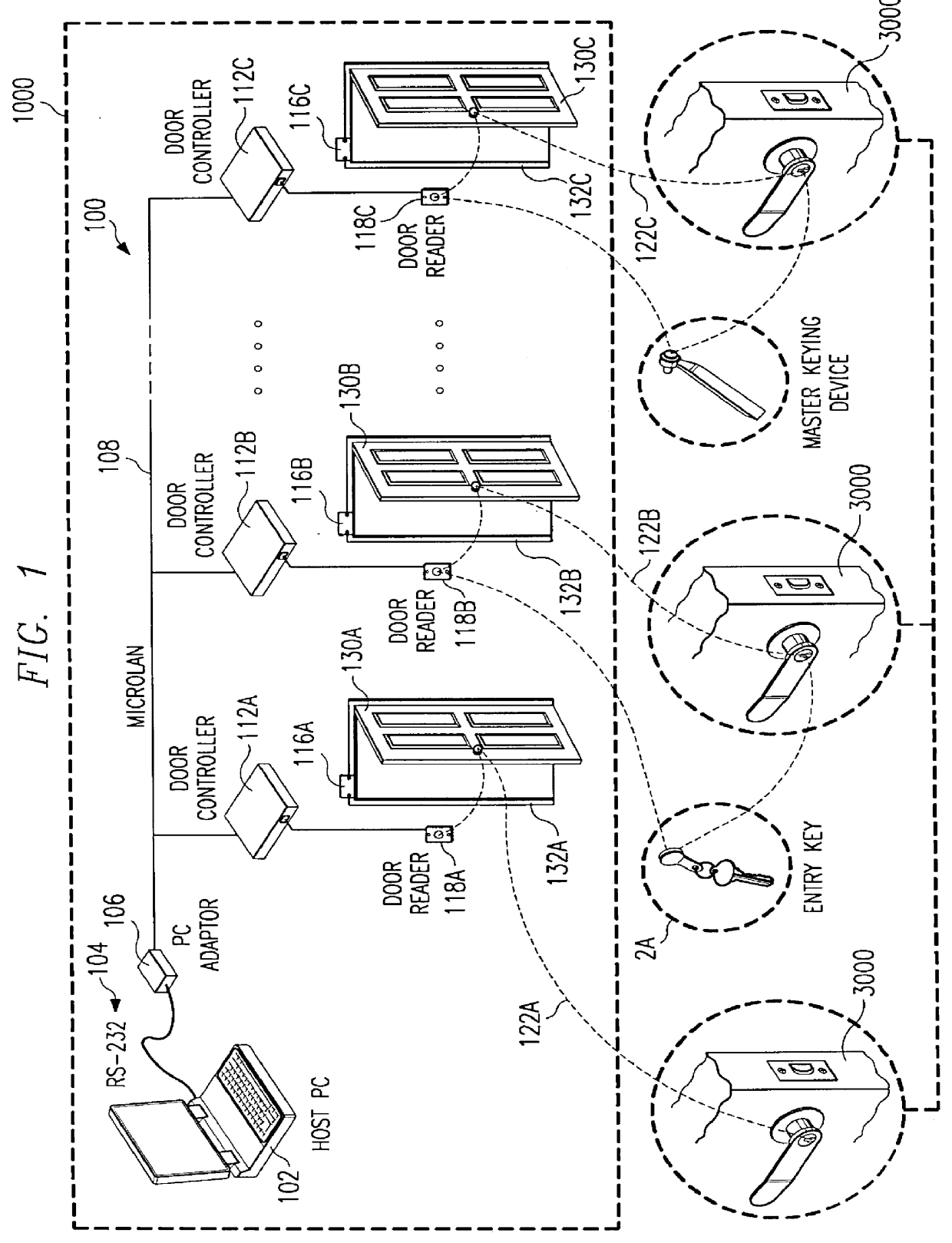
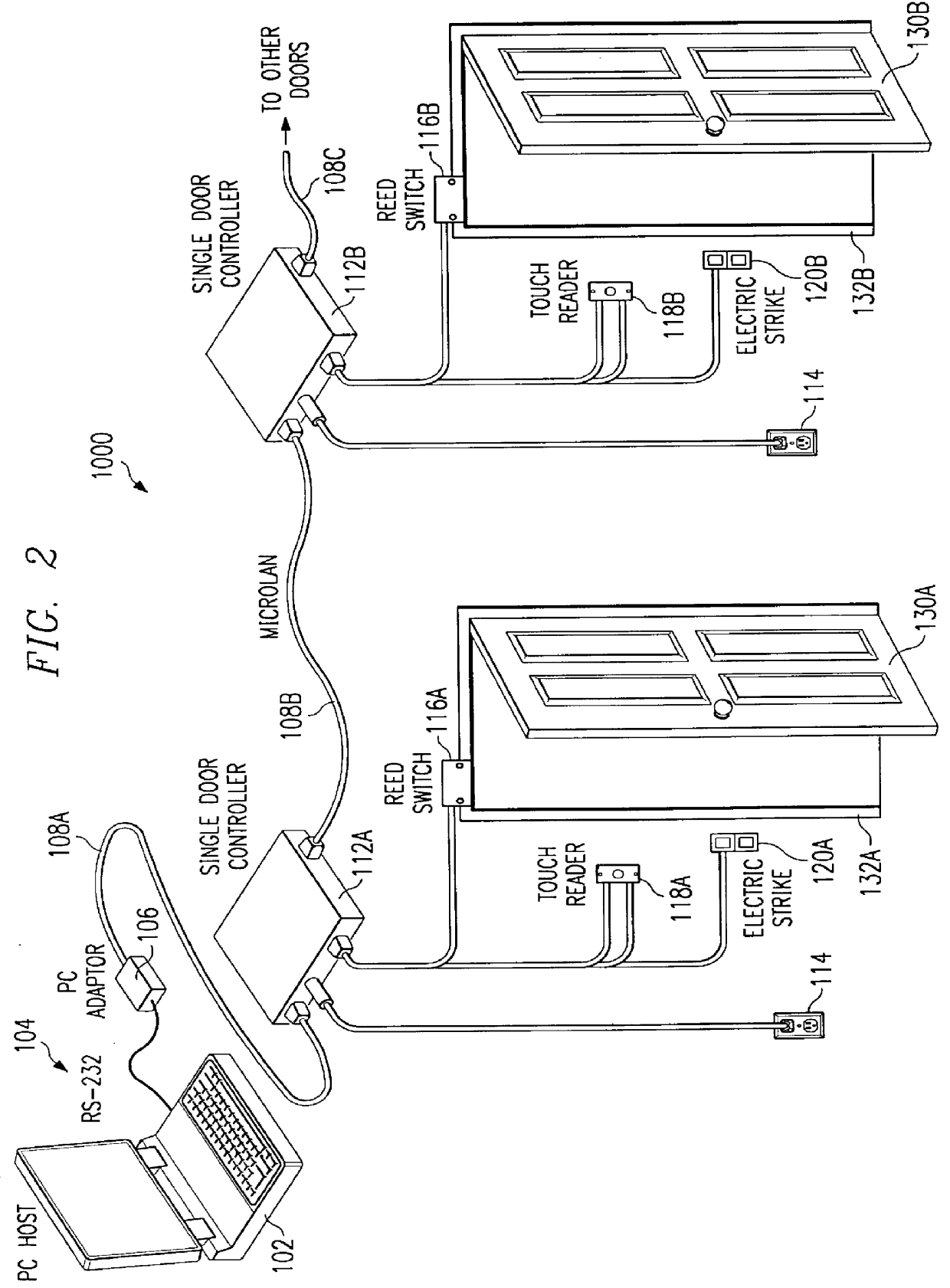
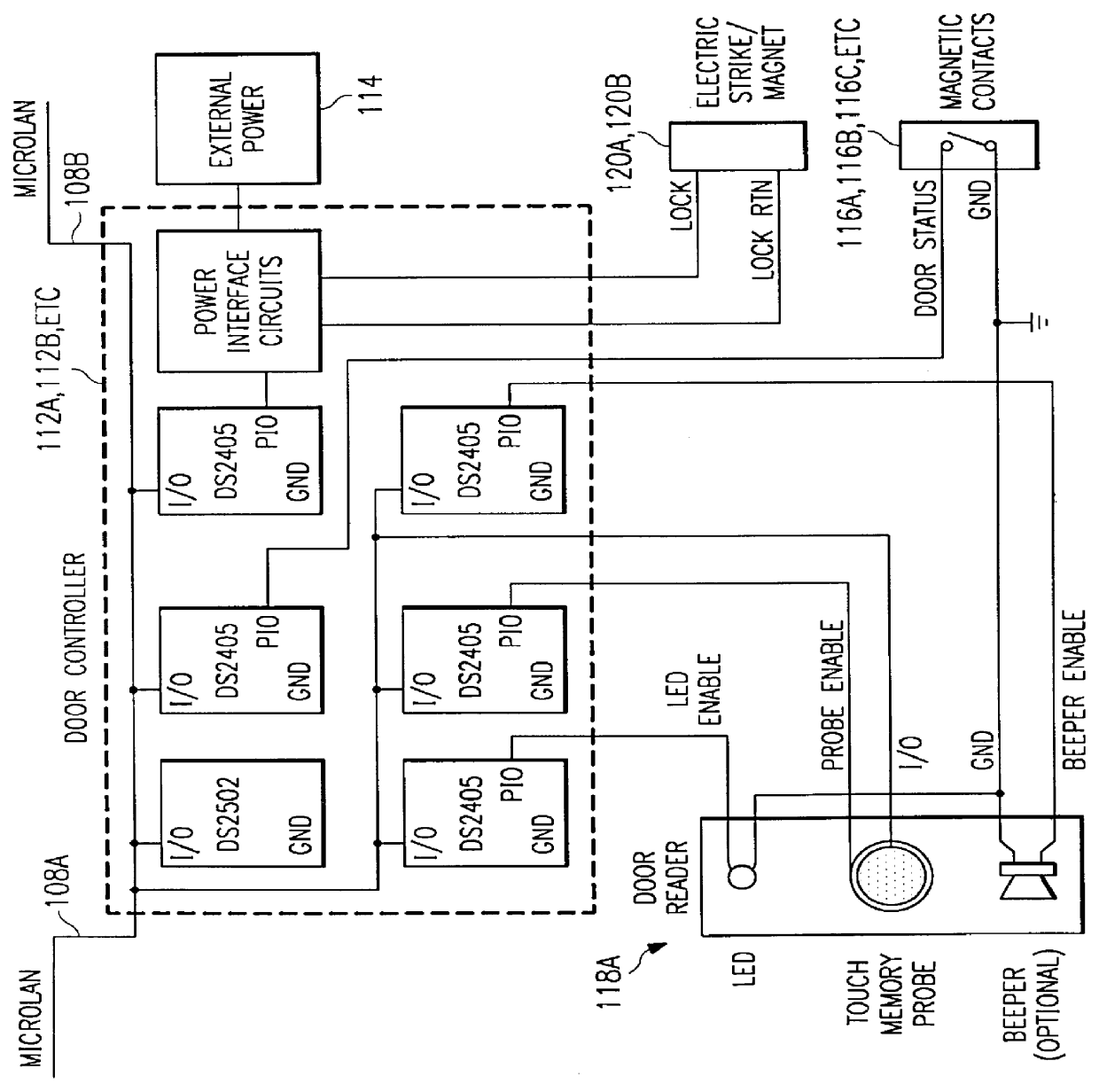
- The development of an integrated electrical/mechanical access control system incorporating a centrally controlled system with door controllers, TOUCH MEMORY.TM. keys, and a master rekeying device, which uses electronic circuitry to enhance security, accountability, and ease of use by allowing for error-free data transfer and seamless coexistence with mechanical locks.

Security Standards and Compliance Requirements
Access control systems and mechanical locks must comply with a comprehensive framework of security standards and regulatory requirements that vary significantly across industries and geographical regions. The International Organization for Standardization (ISO) provides foundational guidelines through ISO 27001 for information security management systems and ISO 21434 for automotive cybersecurity, while the National Institute of Standards and Technology (NIST) offers detailed frameworks for federal and commercial applications.
Physical security standards such as ANSI/ALOA PRP-1 and UL 437 establish minimum performance criteria for mechanical locking mechanisms, including resistance to picking, drilling, and forced entry. These standards define specific testing protocols and certification requirements that manufacturers must meet to ensure product reliability and security effectiveness.
Electronic access control systems face additional compliance challenges under regulations like the General Data Protection Regulation (GDPR) in Europe and the California Consumer Privacy Act (CCPA) in the United States. These frameworks mandate strict data protection measures for biometric information, access logs, and personal identification data collected by smart lock systems and card-based access controls.
Industry-specific requirements further complicate the compliance landscape. Healthcare facilities must adhere to HIPAA regulations for protecting patient information, while financial institutions operate under SOX compliance requirements. Government and defense applications require FIPS 140-2 certification for cryptographic modules and Common Criteria evaluations for high-security implementations.
The Federal Communications Commission (FCC) regulates wireless communication protocols used in modern access control systems, ensuring electromagnetic compatibility and preventing interference with critical infrastructure. Similarly, the Underwriters Laboratories (UL) certification process validates both mechanical and electronic security devices against fire safety, electrical safety, and performance standards.
Emerging regulations addressing Internet of Things (IoT) security are reshaping compliance requirements for connected access control systems. The European Union's Cybersecurity Act and proposed IoT security legislation establish mandatory security-by-design principles and vulnerability disclosure requirements that directly impact smart lock manufacturers and system integrators.
Physical security standards such as ANSI/ALOA PRP-1 and UL 437 establish minimum performance criteria for mechanical locking mechanisms, including resistance to picking, drilling, and forced entry. These standards define specific testing protocols and certification requirements that manufacturers must meet to ensure product reliability and security effectiveness.
Electronic access control systems face additional compliance challenges under regulations like the General Data Protection Regulation (GDPR) in Europe and the California Consumer Privacy Act (CCPA) in the United States. These frameworks mandate strict data protection measures for biometric information, access logs, and personal identification data collected by smart lock systems and card-based access controls.
Industry-specific requirements further complicate the compliance landscape. Healthcare facilities must adhere to HIPAA regulations for protecting patient information, while financial institutions operate under SOX compliance requirements. Government and defense applications require FIPS 140-2 certification for cryptographic modules and Common Criteria evaluations for high-security implementations.
The Federal Communications Commission (FCC) regulates wireless communication protocols used in modern access control systems, ensuring electromagnetic compatibility and preventing interference with critical infrastructure. Similarly, the Underwriters Laboratories (UL) certification process validates both mechanical and electronic security devices against fire safety, electrical safety, and performance standards.
Emerging regulations addressing Internet of Things (IoT) security are reshaping compliance requirements for connected access control systems. The European Union's Cybersecurity Act and proposed IoT security legislation establish mandatory security-by-design principles and vulnerability disclosure requirements that directly impact smart lock manufacturers and system integrators.
Vulnerability Assessment and Risk Management
Vulnerability assessment in access control systems versus mechanical locks requires a comprehensive evaluation framework that addresses both physical and digital attack vectors. Traditional mechanical locks face well-documented vulnerabilities including lock picking, bumping, drilling, and key duplication. These physical attacks typically require direct access and specialized tools, creating natural barriers for unauthorized entry attempts.
Electronic access control systems introduce additional vulnerability dimensions through their digital components. Network-connected systems face cybersecurity threats such as credential theft, replay attacks, man-in-the-middle interceptions, and firmware exploitation. Wireless communication protocols used in modern access systems can be susceptible to signal jamming, eavesdropping, and unauthorized cloning of access credentials.
Risk assessment methodologies must account for the probability and impact of different attack scenarios. Mechanical locks present concentrated risk points where physical compromise results in immediate access loss. Electronic systems distribute risk across multiple components including readers, controllers, network infrastructure, and management software, creating both redundancy opportunities and expanded attack surfaces.
Environmental factors significantly influence vulnerability profiles for both system types. Mechanical locks may degrade under weather exposure, while electronic systems face risks from power failures, electromagnetic interference, and temperature fluctuations. Battery-powered components introduce additional failure modes that require proactive monitoring and maintenance protocols.
Risk management strategies differ substantially between mechanical and electronic approaches. Mechanical systems rely primarily on physical hardening, key control procedures, and regular hardware replacement cycles. Electronic systems enable dynamic risk mitigation through real-time monitoring, automated threat detection, credential revocation capabilities, and audit trail analysis.
Multi-layered security architectures increasingly combine both mechanical and electronic elements to address complementary vulnerability patterns. This hybrid approach allows organizations to maintain physical backup access methods while leveraging electronic systems for enhanced monitoring, access logging, and centralized management capabilities across distributed facilities.
Electronic access control systems introduce additional vulnerability dimensions through their digital components. Network-connected systems face cybersecurity threats such as credential theft, replay attacks, man-in-the-middle interceptions, and firmware exploitation. Wireless communication protocols used in modern access systems can be susceptible to signal jamming, eavesdropping, and unauthorized cloning of access credentials.
Risk assessment methodologies must account for the probability and impact of different attack scenarios. Mechanical locks present concentrated risk points where physical compromise results in immediate access loss. Electronic systems distribute risk across multiple components including readers, controllers, network infrastructure, and management software, creating both redundancy opportunities and expanded attack surfaces.
Environmental factors significantly influence vulnerability profiles for both system types. Mechanical locks may degrade under weather exposure, while electronic systems face risks from power failures, electromagnetic interference, and temperature fluctuations. Battery-powered components introduce additional failure modes that require proactive monitoring and maintenance protocols.
Risk management strategies differ substantially between mechanical and electronic approaches. Mechanical systems rely primarily on physical hardening, key control procedures, and regular hardware replacement cycles. Electronic systems enable dynamic risk mitigation through real-time monitoring, automated threat detection, credential revocation capabilities, and audit trail analysis.
Multi-layered security architectures increasingly combine both mechanical and electronic elements to address complementary vulnerability patterns. This hybrid approach allows organizations to maintain physical backup access methods while leveraging electronic systems for enhanced monitoring, access logging, and centralized management capabilities across distributed facilities.
Unlock deeper insights with PatSnap Eureka Quick Research — get a full tech report to explore trends and direct your research. Try now!
Generate Your Research Report Instantly with AI Agent
Supercharge your innovation with PatSnap Eureka AI Agent Platform!