

Advanced Coating Durability Techniques for Coolant Manifolds
MAY 27, 20269 MIN READ
Generate Your Research Report Instantly with AI Agent
PatSnap Eureka helps you evaluate technical feasibility & market potential.
Coating Technology Background and Durability Goals
Coating technology for coolant manifolds has evolved significantly over the past several decades, driven by increasingly demanding operating conditions in automotive, aerospace, and industrial applications. Traditional coating approaches primarily focused on basic corrosion resistance, utilizing simple metallic plating or basic polymer coatings. However, modern coolant systems operate under extreme temperature fluctuations, aggressive chemical environments, and high-pressure conditions that exceed the capabilities of conventional protective measures.
The evolution of coating technology has been marked by several key phases. Early developments in the 1980s introduced electroplated nickel and chromium coatings, which provided adequate protection for less demanding applications. The 1990s saw the emergence of thermal spray coatings and ceramic-based solutions, offering improved thermal barrier properties. The 2000s brought advanced polymer chemistry and nanocomposite materials, enabling multi-functional coating systems that could address multiple failure modes simultaneously.
Contemporary coating systems must withstand coolant temperatures ranging from -40°C to 150°C, with some specialized applications requiring performance up to 200°C. Chemical compatibility challenges include resistance to ethylene glycol, propylene glycol, various corrosion inhibitors, and pH variations that can range from 7 to 11 in different coolant formulations. Additionally, coatings must maintain integrity under thermal cycling conditions that can exceed 10,000 cycles in automotive applications.
Current durability goals center on achieving coating lifespans that match or exceed the operational life of the manifold substrate, typically 15-20 years for automotive applications and up to 30 years for industrial systems. Performance targets include maintaining less than 5% coating degradation after standardized accelerated aging tests, zero delamination under thermal shock conditions, and retention of at least 90% of initial protective properties throughout the service life.
The primary technical objectives driving modern coating development include enhanced adhesion mechanisms that can withstand differential thermal expansion, improved barrier properties to prevent coolant penetration, and self-healing capabilities to address minor mechanical damage. Advanced coating systems are increasingly required to provide multi-layered protection, combining primer layers for adhesion, barrier layers for chemical resistance, and topcoat layers for mechanical durability and surface functionality.
The evolution of coating technology has been marked by several key phases. Early developments in the 1980s introduced electroplated nickel and chromium coatings, which provided adequate protection for less demanding applications. The 1990s saw the emergence of thermal spray coatings and ceramic-based solutions, offering improved thermal barrier properties. The 2000s brought advanced polymer chemistry and nanocomposite materials, enabling multi-functional coating systems that could address multiple failure modes simultaneously.
Contemporary coating systems must withstand coolant temperatures ranging from -40°C to 150°C, with some specialized applications requiring performance up to 200°C. Chemical compatibility challenges include resistance to ethylene glycol, propylene glycol, various corrosion inhibitors, and pH variations that can range from 7 to 11 in different coolant formulations. Additionally, coatings must maintain integrity under thermal cycling conditions that can exceed 10,000 cycles in automotive applications.
Current durability goals center on achieving coating lifespans that match or exceed the operational life of the manifold substrate, typically 15-20 years for automotive applications and up to 30 years for industrial systems. Performance targets include maintaining less than 5% coating degradation after standardized accelerated aging tests, zero delamination under thermal shock conditions, and retention of at least 90% of initial protective properties throughout the service life.
The primary technical objectives driving modern coating development include enhanced adhesion mechanisms that can withstand differential thermal expansion, improved barrier properties to prevent coolant penetration, and self-healing capabilities to address minor mechanical damage. Advanced coating systems are increasingly required to provide multi-layered protection, combining primer layers for adhesion, barrier layers for chemical resistance, and topcoat layers for mechanical durability and surface functionality.
Market Demand for Enhanced Coolant Manifold Performance
The automotive industry represents the largest market segment driving demand for enhanced coolant manifold performance, particularly as electric vehicle adoption accelerates globally. Electric vehicle manufacturers require coolant manifolds with superior thermal management capabilities to handle the complex cooling requirements of battery packs, power electronics, and electric motors. The transition from traditional internal combustion engines to electric powertrains has fundamentally altered cooling system requirements, creating substantial demand for manifolds that can operate efficiently across wider temperature ranges while maintaining structural integrity.
Data center and cloud computing infrastructure constitute another rapidly expanding market segment. The exponential growth in data processing demands has led to increasingly powerful server configurations that generate substantial heat loads. Modern data centers require coolant manifolds capable of handling higher flow rates and pressures while maintaining consistent performance over extended operational periods. The shift toward liquid cooling solutions in high-performance computing applications has created specific requirements for manifolds with enhanced durability characteristics.
Industrial manufacturing sectors, including aerospace, semiconductor fabrication, and precision machinery, demonstrate consistent demand for high-performance coolant manifolds. These applications often involve extreme operating conditions, including elevated temperatures, corrosive environments, and high-pressure scenarios. Manufacturing processes in these industries cannot tolerate cooling system failures, driving demand for manifolds with proven long-term reliability and resistance to degradation.
The renewable energy sector, particularly concentrated solar power and geothermal systems, presents emerging opportunities for advanced coolant manifold technologies. These applications require components capable of withstanding harsh environmental conditions while maintaining thermal efficiency over decades of operation. The growing emphasis on sustainable energy solutions has increased focus on cooling system components that can deliver reliable performance throughout extended service lives.
Market drivers include increasingly stringent environmental regulations that mandate improved energy efficiency and reduced maintenance requirements. Industries face mounting pressure to minimize downtime and extend equipment service intervals, creating demand for coolant manifolds with enhanced durability characteristics. The total cost of ownership considerations have become paramount, with end-users prioritizing components that deliver superior long-term performance despite higher initial investment costs.
Emerging applications in quantum computing, advanced manufacturing processes, and next-generation telecommunications infrastructure continue to expand market opportunities for enhanced coolant manifold performance, establishing a foundation for sustained growth in this specialized component market.
Data center and cloud computing infrastructure constitute another rapidly expanding market segment. The exponential growth in data processing demands has led to increasingly powerful server configurations that generate substantial heat loads. Modern data centers require coolant manifolds capable of handling higher flow rates and pressures while maintaining consistent performance over extended operational periods. The shift toward liquid cooling solutions in high-performance computing applications has created specific requirements for manifolds with enhanced durability characteristics.
Industrial manufacturing sectors, including aerospace, semiconductor fabrication, and precision machinery, demonstrate consistent demand for high-performance coolant manifolds. These applications often involve extreme operating conditions, including elevated temperatures, corrosive environments, and high-pressure scenarios. Manufacturing processes in these industries cannot tolerate cooling system failures, driving demand for manifolds with proven long-term reliability and resistance to degradation.
The renewable energy sector, particularly concentrated solar power and geothermal systems, presents emerging opportunities for advanced coolant manifold technologies. These applications require components capable of withstanding harsh environmental conditions while maintaining thermal efficiency over decades of operation. The growing emphasis on sustainable energy solutions has increased focus on cooling system components that can deliver reliable performance throughout extended service lives.
Market drivers include increasingly stringent environmental regulations that mandate improved energy efficiency and reduced maintenance requirements. Industries face mounting pressure to minimize downtime and extend equipment service intervals, creating demand for coolant manifolds with enhanced durability characteristics. The total cost of ownership considerations have become paramount, with end-users prioritizing components that deliver superior long-term performance despite higher initial investment costs.
Emerging applications in quantum computing, advanced manufacturing processes, and next-generation telecommunications infrastructure continue to expand market opportunities for enhanced coolant manifold performance, establishing a foundation for sustained growth in this specialized component market.
Current Coating Challenges and Thermal Cycling Issues
Coolant manifold coatings face unprecedented challenges in modern thermal management systems, where operating temperatures can fluctuate between -40°C and 150°C within minutes. Traditional coating materials, including conventional epoxy-based and polyurethane systems, demonstrate significant degradation under these extreme conditions. The primary failure mechanisms include thermal expansion mismatch, coating delamination, and chemical breakdown due to coolant interaction.
Thermal cycling represents the most critical challenge for coating durability in coolant manifolds. During rapid temperature transitions, differential thermal expansion between the substrate material and coating creates substantial mechanical stress. Aluminum manifolds typically exhibit thermal expansion coefficients of 23×10⁻⁶/°C, while many protective coatings show significantly different expansion rates, leading to crack initiation and propagation.
Chemical compatibility issues compound thermal cycling problems. Modern coolants contain corrosion inhibitors, anti-freeze compounds, and pH stabilizers that can chemically attack coating matrices. Ethylene glycol-based coolants, operating at elevated temperatures, become particularly aggressive toward organic coating systems. This chemical degradation accelerates under thermal stress, creating a synergistic failure mode.
Adhesion failure represents another critical challenge, particularly at coating-substrate interfaces. Poor surface preparation, inadequate primer systems, or incompatible surface treatments can result in catastrophic coating delamination during thermal cycling. The combination of thermal stress and coolant penetration through micro-defects creates ideal conditions for adhesion failure propagation.
Current coating systems also struggle with thickness uniformity across complex manifold geometries. Spray application techniques often result in variable coating thickness, creating stress concentration points during thermal cycling. Thin areas become vulnerable to breakthrough corrosion, while thick areas may develop internal stress-induced cracking.
Electrochemical corrosion presents additional complications in multi-metal cooling systems. Galvanic coupling between dissimilar metals, combined with conductive coolant solutions, can accelerate coating degradation through localized electrochemical attack. This phenomenon becomes more pronounced at elevated operating temperatures typical in high-performance cooling applications.
The emergence of hybrid and electric vehicle cooling systems introduces new challenges, including higher operating pressures and more aggressive coolant formulations. These systems demand coating solutions that can withstand pressures exceeding 2 bar while maintaining chemical resistance to advanced coolant additives designed for extended service intervals.
Thermal cycling represents the most critical challenge for coating durability in coolant manifolds. During rapid temperature transitions, differential thermal expansion between the substrate material and coating creates substantial mechanical stress. Aluminum manifolds typically exhibit thermal expansion coefficients of 23×10⁻⁶/°C, while many protective coatings show significantly different expansion rates, leading to crack initiation and propagation.
Chemical compatibility issues compound thermal cycling problems. Modern coolants contain corrosion inhibitors, anti-freeze compounds, and pH stabilizers that can chemically attack coating matrices. Ethylene glycol-based coolants, operating at elevated temperatures, become particularly aggressive toward organic coating systems. This chemical degradation accelerates under thermal stress, creating a synergistic failure mode.
Adhesion failure represents another critical challenge, particularly at coating-substrate interfaces. Poor surface preparation, inadequate primer systems, or incompatible surface treatments can result in catastrophic coating delamination during thermal cycling. The combination of thermal stress and coolant penetration through micro-defects creates ideal conditions for adhesion failure propagation.
Current coating systems also struggle with thickness uniformity across complex manifold geometries. Spray application techniques often result in variable coating thickness, creating stress concentration points during thermal cycling. Thin areas become vulnerable to breakthrough corrosion, while thick areas may develop internal stress-induced cracking.
Electrochemical corrosion presents additional complications in multi-metal cooling systems. Galvanic coupling between dissimilar metals, combined with conductive coolant solutions, can accelerate coating degradation through localized electrochemical attack. This phenomenon becomes more pronounced at elevated operating temperatures typical in high-performance cooling applications.
The emergence of hybrid and electric vehicle cooling systems introduces new challenges, including higher operating pressures and more aggressive coolant formulations. These systems demand coating solutions that can withstand pressures exceeding 2 bar while maintaining chemical resistance to advanced coolant additives designed for extended service intervals.
Existing Coating Solutions for Coolant Manifolds
01 Surface treatment and preparation methods for enhanced coating adhesion
Various surface treatment techniques can be employed to improve the adhesion between coatings and substrates, thereby enhancing coating durability. These methods include chemical etching, plasma treatment, mechanical roughening, and primer application. Proper surface preparation removes contaminants and creates optimal surface conditions for coating bonding, resulting in improved long-term performance and resistance to delamination.- Surface treatment and preparation methods for enhanced coating adhesion: Various surface treatment techniques can be employed to improve the adhesion between coatings and substrates, thereby enhancing coating durability. These methods include chemical etching, plasma treatment, mechanical roughening, and primer application. Proper surface preparation removes contaminants and creates optimal surface conditions for coating bonding, which significantly extends the service life of the coating system.
- Advanced coating composition formulations: The development of specialized coating formulations incorporating advanced polymers, crosslinking agents, and additives can significantly improve coating durability. These formulations may include epoxy resins, polyurethane systems, fluoropolymers, and hybrid organic-inorganic materials that provide enhanced resistance to environmental factors such as UV radiation, temperature fluctuations, and chemical exposure.
- Multi-layer coating systems and barrier technologies: Implementation of multi-layer coating architectures with specific barrier properties can enhance overall coating durability. These systems typically consist of primer layers, intermediate coats, and topcoats, each designed for specific functions such as corrosion protection, adhesion promotion, and environmental resistance. The synergistic effect of multiple layers provides superior protection compared to single-layer systems.
- Nanoparticle reinforcement and composite coating technologies: Incorporation of nanoparticles and nanomaterials into coating matrices can significantly improve mechanical properties and durability. These reinforcing agents include silica nanoparticles, carbon nanotubes, graphene, and ceramic nanoparticles that enhance scratch resistance, wear resistance, and barrier properties. The uniform dispersion of these materials creates composite coatings with superior performance characteristics.
- Environmental resistance and weathering protection strategies: Development of coating systems specifically designed to withstand harsh environmental conditions including UV exposure, thermal cycling, humidity, and chemical attack. These strategies involve the use of UV stabilizers, antioxidants, corrosion inhibitors, and weather-resistant polymers. Advanced testing methods and accelerated aging protocols are employed to evaluate and optimize long-term performance under various environmental stresses.
02 Advanced coating formulations with durability enhancing additives
Specialized additives and formulation modifications can significantly improve coating durability by enhancing resistance to environmental factors. These include UV stabilizers, antioxidants, corrosion inhibitors, and crosslinking agents that strengthen the coating matrix. The incorporation of nanoparticles and polymer modifiers also contributes to improved mechanical properties and longevity of the coating system.Expand Specific Solutions03 Multi-layer coating systems for extended service life
Multi-layer coating architectures provide superior durability through the combination of different functional layers, each designed for specific protective properties. These systems typically include primer layers for adhesion, barrier layers for protection, and topcoats for environmental resistance. The synergistic effect of multiple layers creates enhanced overall performance compared to single-layer systems.Expand Specific Solutions04 Environmental resistance and weathering protection technologies
Coating durability can be enhanced through technologies that specifically address environmental degradation factors such as moisture, temperature cycling, chemical exposure, and UV radiation. These approaches include the development of barrier coatings, hydrophobic treatments, and thermally stable formulations that maintain their protective properties under harsh environmental conditions.Expand Specific Solutions05 Testing and evaluation methods for coating durability assessment
Comprehensive testing methodologies are essential for evaluating and predicting coating durability performance. These include accelerated weathering tests, adhesion measurements, corrosion resistance evaluations, and long-term exposure studies. Advanced characterization techniques help optimize coating formulations and processing parameters to achieve maximum durability in real-world applications.Expand Specific Solutions
Key Players in Coating and Thermal Management Industry
The advanced coating durability techniques for coolant manifolds market represents a mature yet evolving technological landscape driven by increasing demands for thermal management efficiency across semiconductor, automotive, and industrial applications. The industry is experiencing steady growth with market expansion fueled by electrification trends and advanced manufacturing requirements. Technology maturity varies significantly among key players, with established leaders like Applied Materials, RTX Corp., and Mitsubishi Heavy Industries leveraging decades of materials engineering expertise, while specialized coating companies such as Oerlikon Surface Solutions and Coreshell Technologies focus on breakthrough nanolayer technologies. Research institutions including Tsinghua University and Shanghai Institute of Ceramics are advancing fundamental coating science, while emerging players like Nanowin and Xi'an Eastart are developing niche ceramic coating solutions. The competitive landscape shows consolidation around proven thermal barrier and protective coating technologies, with innovation concentrated in nanostructured materials and application-specific durability enhancements.
Applied Materials, Inc.
Technical Solution: Applied Materials develops advanced Physical Vapor Deposition (PVD) and Chemical Vapor Deposition (CVD) coating technologies specifically designed for coolant manifold applications. Their proprietary multi-layer coating systems combine ceramic and metallic layers to provide superior corrosion resistance and thermal barrier properties. The company's Endura platform enables precise control of coating thickness and composition, achieving coating durability that exceeds 10,000 thermal cycles in aggressive coolant environments. Their advanced plasma-enhanced coating processes create dense, adherent films with excellent chemical inertness against ethylene glycol-based coolants and other automotive fluids.
Strengths: Industry-leading PVD/CVD equipment and processes, extensive R&D capabilities, proven track record in harsh environment coatings. Weaknesses: High capital equipment costs, complex process optimization requirements for specific coolant chemistries.
Oerlikon Surface Solutions AG
Technical Solution: Oerlikon specializes in thermal spray and PVD coating solutions for coolant manifold durability enhancement. Their BALINIT coating family includes specialized variants for fluid handling applications, featuring chromium-based and diamond-like carbon (DLC) coatings that provide exceptional wear resistance and chemical stability. The company's advanced arc evaporation technology produces coatings with hardness values exceeding 2000 HV and corrosion resistance superior to traditional electroplated surfaces. Their coating systems are specifically engineered to withstand temperature cycling from -40°C to 150°C while maintaining adhesion strength above 60N in scratch tests.
Strengths: Comprehensive coating portfolio, strong automotive industry presence, excellent technical support and customization capabilities. Weaknesses: Limited presence in emerging markets, higher costs compared to conventional coating methods.
Core Innovations in Durability Enhancement Coatings
Coating tube plates and coolant tube
PatentInactiveUS6254930B1
Innovation
- A coating system where the coolant tube coating is reactively affixed to the tube sheet coating with increased elasticity, forming a strong chemical bond and enhanced mechanical resistance, using multiple layers of cold-setting epoxy with PTFE and a sealant to ensure durability and prevent corrosion, while maintaining flexibility to avoid brittleness.


Dual layer ceramic coating
PatentInactiveUS20080044663A1
Innovation
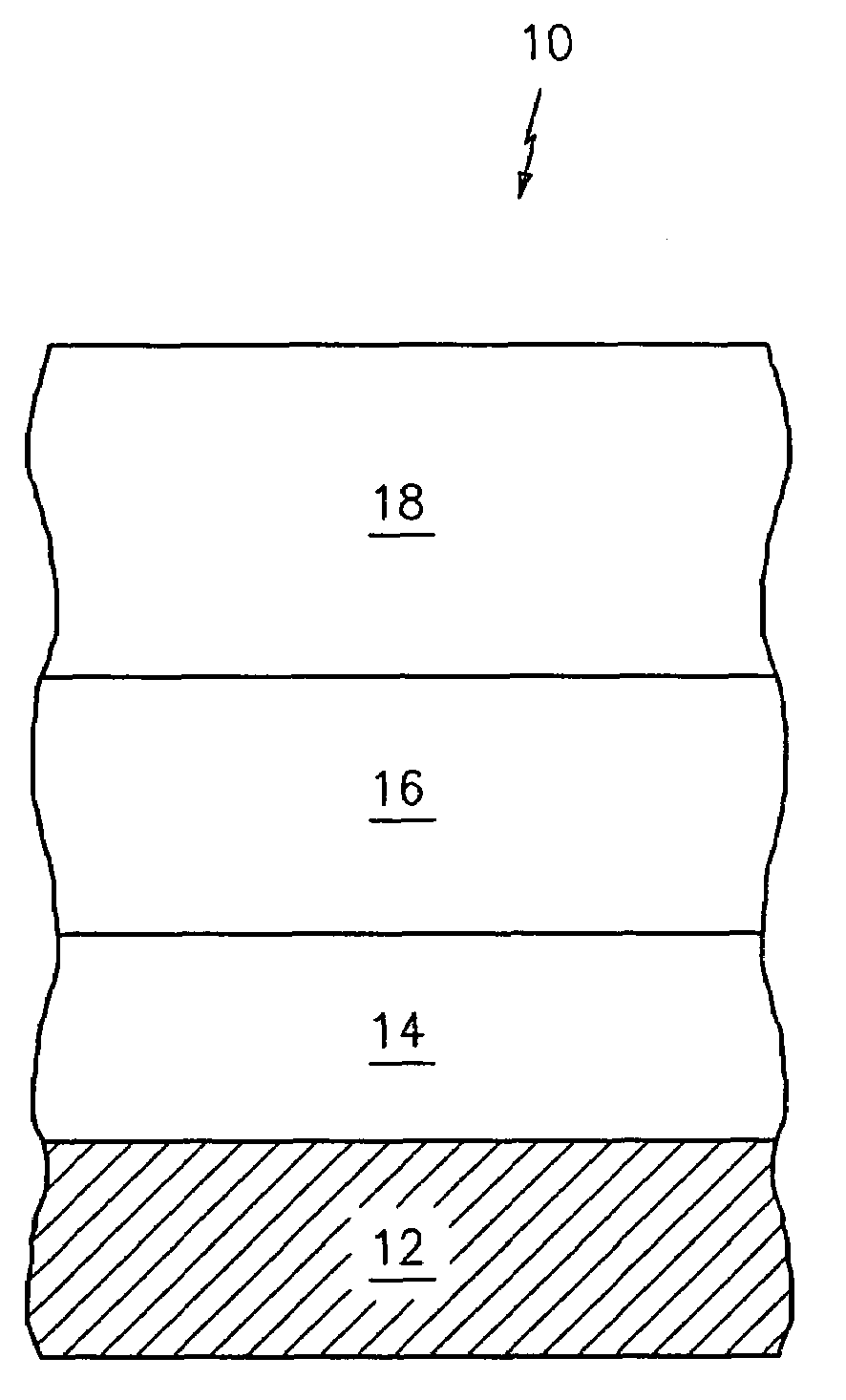
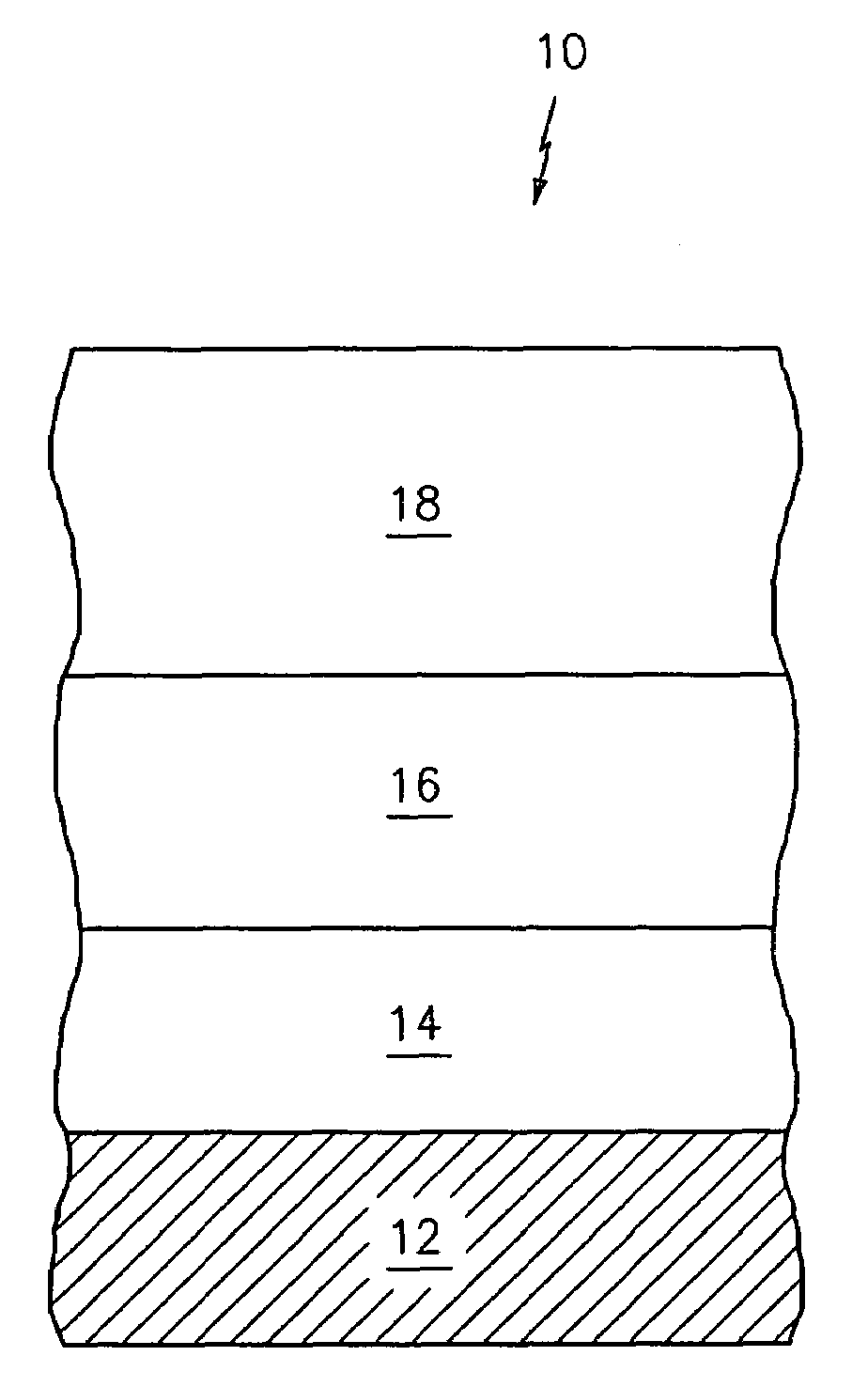
- A dual layer ceramic coating system is applied, comprising a substrate with a bond coat and two ceramic layers - a first layer of yttria stabilized zirconia and a second layer of gadolinia stabilized zirconia, both with a cracked structure, allowing for thermal expansion and contraction, thereby enhancing strain tolerance and durability.
Environmental Regulations for Industrial Coatings
The regulatory landscape for industrial coatings, particularly those applied to coolant manifolds, has become increasingly stringent as environmental concerns intensify globally. The European Union's REACH regulation stands as one of the most comprehensive frameworks, requiring extensive documentation of chemical substances used in coating formulations. This regulation directly impacts the selection of advanced coating materials for coolant manifolds, as manufacturers must demonstrate the safety profile of each component throughout its lifecycle.
In the United States, the Environmental Protection Agency enforces volatile organic compound limits through the National Emission Standards for Hazardous Air Pollutants, significantly affecting solvent-based coating systems traditionally used in manifold applications. These restrictions have accelerated the adoption of waterborne and powder coating technologies, though challenges remain in achieving equivalent performance characteristics for high-temperature coolant environments.
The Montreal Protocol's ongoing amendments continue to phase out ozone-depleting substances commonly found in surface preparation and cleaning agents used prior to coating application. This has necessitated the development of alternative pre-treatment processes that maintain adhesion quality while complying with environmental mandates. Additionally, the Stockholm Convention's restrictions on persistent organic pollutants have eliminated several fluorinated compounds previously valued for their exceptional chemical resistance in coolant manifold coatings.
Regional variations in environmental standards create additional complexity for global manufacturers. China's National Standards for Air Pollutant Emissions impose specific limits on coating operations, while Japan's Chemical Substances Control Law requires comprehensive risk assessments for new coating formulations. These divergent requirements often necessitate region-specific coating solutions, increasing development costs and complexity.
Emerging regulations focus increasingly on end-of-life considerations, with the European Waste Framework Directive emphasizing recyclability and hazardous substance minimization. This trend is driving innovation toward bio-based coating components and improved coating removal techniques that facilitate manifold recycling. Compliance with these evolving standards requires continuous monitoring of regulatory developments and proactive adaptation of coating technologies to ensure market access while maintaining performance requirements for demanding coolant manifold applications.
In the United States, the Environmental Protection Agency enforces volatile organic compound limits through the National Emission Standards for Hazardous Air Pollutants, significantly affecting solvent-based coating systems traditionally used in manifold applications. These restrictions have accelerated the adoption of waterborne and powder coating technologies, though challenges remain in achieving equivalent performance characteristics for high-temperature coolant environments.
The Montreal Protocol's ongoing amendments continue to phase out ozone-depleting substances commonly found in surface preparation and cleaning agents used prior to coating application. This has necessitated the development of alternative pre-treatment processes that maintain adhesion quality while complying with environmental mandates. Additionally, the Stockholm Convention's restrictions on persistent organic pollutants have eliminated several fluorinated compounds previously valued for their exceptional chemical resistance in coolant manifold coatings.
Regional variations in environmental standards create additional complexity for global manufacturers. China's National Standards for Air Pollutant Emissions impose specific limits on coating operations, while Japan's Chemical Substances Control Law requires comprehensive risk assessments for new coating formulations. These divergent requirements often necessitate region-specific coating solutions, increasing development costs and complexity.
Emerging regulations focus increasingly on end-of-life considerations, with the European Waste Framework Directive emphasizing recyclability and hazardous substance minimization. This trend is driving innovation toward bio-based coating components and improved coating removal techniques that facilitate manifold recycling. Compliance with these evolving standards requires continuous monitoring of regulatory developments and proactive adaptation of coating technologies to ensure market access while maintaining performance requirements for demanding coolant manifold applications.
Cost-Benefit Analysis of Advanced Coating Implementation
The implementation of advanced coating technologies for coolant manifolds requires a comprehensive financial evaluation to justify the substantial initial investment against long-term operational benefits. Initial capital expenditure typically ranges from $50,000 to $200,000 per production line, depending on the coating technology selected and application complexity. This includes equipment procurement, installation costs, and necessary facility modifications to accommodate specialized coating processes.
Direct material costs represent a significant ongoing expense, with advanced ceramic and polymer-based coatings commanding premium prices of $15-45 per square meter compared to $3-8 for conventional coatings. However, these costs must be evaluated against the extended service life, with advanced coatings demonstrating 3-5 times longer durability in harsh coolant environments, effectively reducing the cost-per-service-hour metric.
Labor cost implications vary significantly based on coating complexity. While some advanced techniques require specialized technician training and certification, adding 15-25% to labor costs, automated application systems can reduce long-term labor requirements by up to 40%. The learning curve typically spans 6-12 months before achieving optimal efficiency levels.
Operational benefits manifest through reduced maintenance frequency, with advanced coatings extending service intervals from 12-18 months to 36-60 months. This translates to annual maintenance cost reductions of 35-55%, considering both direct repair costs and production downtime expenses. Improved thermal efficiency from enhanced coating performance can yield 2-4% energy savings in cooling system operations.
Risk mitigation represents a crucial but often undervalued benefit. Advanced coatings reduce catastrophic failure probability by 60-75%, preventing costly emergency repairs and unplanned production shutdowns that can cost $10,000-50,000 per incident depending on facility size and production criticality.
Return on investment calculations typically show payback periods of 18-36 months for high-utilization applications, with net present value becoming positive within the second operational year. The total cost of ownership analysis over a five-year period demonstrates 25-40% cost advantages for advanced coating implementations in demanding industrial environments.
Direct material costs represent a significant ongoing expense, with advanced ceramic and polymer-based coatings commanding premium prices of $15-45 per square meter compared to $3-8 for conventional coatings. However, these costs must be evaluated against the extended service life, with advanced coatings demonstrating 3-5 times longer durability in harsh coolant environments, effectively reducing the cost-per-service-hour metric.
Labor cost implications vary significantly based on coating complexity. While some advanced techniques require specialized technician training and certification, adding 15-25% to labor costs, automated application systems can reduce long-term labor requirements by up to 40%. The learning curve typically spans 6-12 months before achieving optimal efficiency levels.
Operational benefits manifest through reduced maintenance frequency, with advanced coatings extending service intervals from 12-18 months to 36-60 months. This translates to annual maintenance cost reductions of 35-55%, considering both direct repair costs and production downtime expenses. Improved thermal efficiency from enhanced coating performance can yield 2-4% energy savings in cooling system operations.
Risk mitigation represents a crucial but often undervalued benefit. Advanced coatings reduce catastrophic failure probability by 60-75%, preventing costly emergency repairs and unplanned production shutdowns that can cost $10,000-50,000 per incident depending on facility size and production criticality.
Return on investment calculations typically show payback periods of 18-36 months for high-utilization applications, with net present value becoming positive within the second operational year. The total cost of ownership analysis over a five-year period demonstrates 25-40% cost advantages for advanced coating implementations in demanding industrial environments.
Unlock deeper insights with PatSnap Eureka Quick Research — get a full tech report to explore trends and direct your research. Try now!
Generate Your Research Report Instantly with AI Agent
Supercharge your innovation with PatSnap Eureka AI Agent Platform!