

AI vs Rasterization: Which for Better Image Quality?
MAR 30, 20269 MIN READ
Generate Your Research Report Instantly with AI Agent
Patsnap Eureka helps you evaluate technical feasibility & market potential.
AI vs Rasterization Background and Quality Goals
The evolution of computer graphics has been fundamentally shaped by the pursuit of photorealistic image quality, with rasterization serving as the dominant rendering paradigm for over four decades. Traditional rasterization techniques convert 3D geometric data into 2D pixel representations through mathematical projections, triangle processing, and fragment shading operations. This approach has enabled real-time graphics applications ranging from video games to professional visualization software, establishing a mature ecosystem of hardware acceleration and software optimization.
However, the inherent limitations of rasterization in handling complex lighting phenomena, global illumination, and physically accurate material interactions have created persistent quality gaps compared to offline ray tracing methods. These constraints have driven continuous innovation in approximation techniques, including shadow mapping, screen-space reflections, and ambient occlusion methods, yet fundamental compromises in visual fidelity remain unavoidable.
The emergence of artificial intelligence-driven rendering represents a paradigmatic shift in addressing these quality limitations. Machine learning approaches, particularly neural networks trained on high-quality reference imagery, offer unprecedented capabilities in image enhancement, denoising, upscaling, and even complete scene reconstruction. AI-based techniques can potentially overcome traditional rasterization bottlenecks by learning complex visual patterns and generating missing information that conventional algorithms struggle to compute efficiently.
The convergence of these technologies has created a critical inflection point where the graphics industry must evaluate fundamental trade-offs between computational efficiency, visual quality, and implementation complexity. Modern graphics pipelines increasingly incorporate hybrid approaches, combining rasterization's computational efficiency with AI's quality enhancement capabilities and selective ray tracing for specific visual effects.
The primary technical objectives driving this comparison center on achieving maximum visual fidelity while maintaining real-time performance constraints. Key quality metrics include temporal stability, spatial resolution accuracy, lighting consistency, material representation fidelity, and artifact minimization. Additionally, scalability across diverse hardware configurations and content types represents a crucial consideration for widespread adoption.
Understanding the optimal balance between these approaches requires comprehensive analysis of their respective strengths, limitations, and evolutionary trajectories, as the industry transitions toward next-generation rendering architectures that may fundamentally redefine image quality standards.
However, the inherent limitations of rasterization in handling complex lighting phenomena, global illumination, and physically accurate material interactions have created persistent quality gaps compared to offline ray tracing methods. These constraints have driven continuous innovation in approximation techniques, including shadow mapping, screen-space reflections, and ambient occlusion methods, yet fundamental compromises in visual fidelity remain unavoidable.
The emergence of artificial intelligence-driven rendering represents a paradigmatic shift in addressing these quality limitations. Machine learning approaches, particularly neural networks trained on high-quality reference imagery, offer unprecedented capabilities in image enhancement, denoising, upscaling, and even complete scene reconstruction. AI-based techniques can potentially overcome traditional rasterization bottlenecks by learning complex visual patterns and generating missing information that conventional algorithms struggle to compute efficiently.
The convergence of these technologies has created a critical inflection point where the graphics industry must evaluate fundamental trade-offs between computational efficiency, visual quality, and implementation complexity. Modern graphics pipelines increasingly incorporate hybrid approaches, combining rasterization's computational efficiency with AI's quality enhancement capabilities and selective ray tracing for specific visual effects.
The primary technical objectives driving this comparison center on achieving maximum visual fidelity while maintaining real-time performance constraints. Key quality metrics include temporal stability, spatial resolution accuracy, lighting consistency, material representation fidelity, and artifact minimization. Additionally, scalability across diverse hardware configurations and content types represents a crucial consideration for widespread adoption.
Understanding the optimal balance between these approaches requires comprehensive analysis of their respective strengths, limitations, and evolutionary trajectories, as the industry transitions toward next-generation rendering architectures that may fundamentally redefine image quality standards.
Market Demand for Advanced Rendering Technologies
The global rendering technology market is experiencing unprecedented growth driven by the convergence of multiple high-demand sectors. Gaming industry continues to be the primary catalyst, with consumers increasingly expecting photorealistic graphics and immersive visual experiences across platforms ranging from mobile devices to high-end gaming PCs. The rise of virtual reality and augmented reality applications has further intensified the demand for advanced rendering capabilities that can deliver convincing visual fidelity while maintaining the performance requirements necessary for real-time interaction.
Enterprise applications represent another significant growth vector, particularly in architectural visualization, product design, and digital twin implementations. Manufacturing companies are increasingly adopting advanced rendering technologies to create detailed product prototypes and conduct virtual testing scenarios. The automotive industry specifically demonstrates strong demand for sophisticated rendering solutions to support autonomous vehicle simulation and advanced driver assistance systems development.
The entertainment and media sector continues to push the boundaries of rendering technology requirements. Streaming platforms and content creators demand solutions that can produce cinema-quality visuals while managing production costs and timelines. This has created a substantial market for hybrid rendering approaches that combine traditional rasterization efficiency with AI-enhanced quality improvements.
Cloud computing and edge computing trends are reshaping market demand patterns. Organizations seek rendering solutions that can scale dynamically and leverage distributed computing resources effectively. This shift has created opportunities for both traditional rasterization technologies optimized for parallel processing and AI-based rendering methods that can benefit from specialized hardware acceleration.
The democratization of content creation tools has expanded the market beyond traditional professional users. Independent developers, small studios, and individual creators now require access to advanced rendering capabilities previously available only to large organizations. This trend has increased demand for cost-effective solutions that balance quality output with accessibility and ease of implementation.
Mobile and embedded device markets present unique challenges and opportunities. The proliferation of high-resolution displays on smartphones and tablets creates demand for rendering technologies that can deliver superior image quality while operating within strict power and thermal constraints. This requirement has sparked innovation in both optimized rasterization techniques and lightweight AI rendering approaches specifically designed for resource-constrained environments.
Enterprise applications represent another significant growth vector, particularly in architectural visualization, product design, and digital twin implementations. Manufacturing companies are increasingly adopting advanced rendering technologies to create detailed product prototypes and conduct virtual testing scenarios. The automotive industry specifically demonstrates strong demand for sophisticated rendering solutions to support autonomous vehicle simulation and advanced driver assistance systems development.
The entertainment and media sector continues to push the boundaries of rendering technology requirements. Streaming platforms and content creators demand solutions that can produce cinema-quality visuals while managing production costs and timelines. This has created a substantial market for hybrid rendering approaches that combine traditional rasterization efficiency with AI-enhanced quality improvements.
Cloud computing and edge computing trends are reshaping market demand patterns. Organizations seek rendering solutions that can scale dynamically and leverage distributed computing resources effectively. This shift has created opportunities for both traditional rasterization technologies optimized for parallel processing and AI-based rendering methods that can benefit from specialized hardware acceleration.
The democratization of content creation tools has expanded the market beyond traditional professional users. Independent developers, small studios, and individual creators now require access to advanced rendering capabilities previously available only to large organizations. This trend has increased demand for cost-effective solutions that balance quality output with accessibility and ease of implementation.
Mobile and embedded device markets present unique challenges and opportunities. The proliferation of high-resolution displays on smartphones and tablets creates demand for rendering technologies that can deliver superior image quality while operating within strict power and thermal constraints. This requirement has sparked innovation in both optimized rasterization techniques and lightweight AI rendering approaches specifically designed for resource-constrained environments.
Current State of AI and Rasterization Rendering
The contemporary rendering landscape is characterized by a fundamental dichotomy between traditional rasterization techniques and emerging AI-driven approaches, each representing distinct paradigms in pursuit of superior image quality. Rasterization, the cornerstone of real-time graphics for decades, continues to dominate mainstream applications through its deterministic, hardware-optimized pipeline that converts geometric primitives into pixel representations with predictable performance characteristics.
Modern rasterization has evolved significantly beyond basic triangle rendering, incorporating sophisticated techniques such as physically-based rendering (PBR), advanced shading models, and real-time ray tracing acceleration. Current GPU architectures from NVIDIA, AMD, and Intel integrate dedicated RT cores and tensor units, enabling hybrid approaches that combine traditional rasterization with selective ray tracing for reflections, shadows, and global illumination effects.
AI-based rendering represents a paradigm shift, leveraging machine learning algorithms to generate, enhance, or accelerate image synthesis processes. Neural rendering techniques encompass diverse methodologies including neural radiance fields (NeRFs), generative adversarial networks (GANs), and deep learning-based denoising and upscaling solutions. These approaches demonstrate remarkable capabilities in producing photorealistic imagery, particularly excelling in complex lighting scenarios and material interactions that traditionally challenge rasterization pipelines.
The integration of AI acceleration in contemporary graphics workflows has gained substantial momentum, with technologies like NVIDIA's DLSS, AMD's FSR, and Intel's XeSS demonstrating practical applications of neural networks in real-time rendering. These solutions address fundamental limitations of rasterization by intelligently reconstructing high-resolution images from lower-resolution inputs, effectively bridging performance gaps while maintaining visual fidelity.
Current industry implementations reveal a convergence trend where pure rasterization and AI-driven approaches are increasingly complementary rather than competitive. Leading game engines and professional rendering software now incorporate hybrid architectures that dynamically allocate computational resources between traditional rasterization and AI-enhanced processing based on scene complexity and quality requirements.
The technological maturity gap between these approaches remains significant, with rasterization benefiting from decades of optimization and standardization, while AI rendering techniques are rapidly evolving but still face challenges in consistency, computational overhead, and integration complexity within established production pipelines.
Modern rasterization has evolved significantly beyond basic triangle rendering, incorporating sophisticated techniques such as physically-based rendering (PBR), advanced shading models, and real-time ray tracing acceleration. Current GPU architectures from NVIDIA, AMD, and Intel integrate dedicated RT cores and tensor units, enabling hybrid approaches that combine traditional rasterization with selective ray tracing for reflections, shadows, and global illumination effects.
AI-based rendering represents a paradigm shift, leveraging machine learning algorithms to generate, enhance, or accelerate image synthesis processes. Neural rendering techniques encompass diverse methodologies including neural radiance fields (NeRFs), generative adversarial networks (GANs), and deep learning-based denoising and upscaling solutions. These approaches demonstrate remarkable capabilities in producing photorealistic imagery, particularly excelling in complex lighting scenarios and material interactions that traditionally challenge rasterization pipelines.
The integration of AI acceleration in contemporary graphics workflows has gained substantial momentum, with technologies like NVIDIA's DLSS, AMD's FSR, and Intel's XeSS demonstrating practical applications of neural networks in real-time rendering. These solutions address fundamental limitations of rasterization by intelligently reconstructing high-resolution images from lower-resolution inputs, effectively bridging performance gaps while maintaining visual fidelity.
Current industry implementations reveal a convergence trend where pure rasterization and AI-driven approaches are increasingly complementary rather than competitive. Leading game engines and professional rendering software now incorporate hybrid architectures that dynamically allocate computational resources between traditional rasterization and AI-enhanced processing based on scene complexity and quality requirements.
The technological maturity gap between these approaches remains significant, with rasterization benefiting from decades of optimization and standardization, while AI rendering techniques are rapidly evolving but still face challenges in consistency, computational overhead, and integration complexity within established production pipelines.
Current AI and Rasterization Solutions
01 AI-based image enhancement and upscaling techniques
Artificial intelligence and machine learning algorithms can be employed to enhance rasterized image quality through intelligent upscaling, super-resolution, and detail reconstruction. These techniques analyze image patterns and use trained neural networks to predict and generate higher quality pixels, reducing artifacts commonly associated with rasterization. Deep learning models can learn from large datasets to improve edge definition, reduce aliasing, and enhance overall visual fidelity of rasterized images.- AI-based image enhancement and upscaling techniques: Artificial intelligence and machine learning algorithms can be employed to enhance rasterized image quality through intelligent upscaling, super-resolution, and detail reconstruction. These techniques analyze image patterns and use trained neural networks to predict and generate higher quality pixels, reducing artifacts commonly associated with rasterization. Deep learning models can learn from large datasets to improve edge definition, reduce aliasing, and enhance overall visual fidelity of rasterized images.
- Anti-aliasing methods for rasterization quality improvement: Advanced anti-aliasing techniques are utilized to smooth jagged edges and improve the visual quality of rasterized images. These methods include multi-sampling approaches, adaptive sampling strategies, and post-processing filters that reduce staircase effects along diagonal lines and curves. By analyzing pixel neighborhoods and applying intelligent smoothing algorithms, these techniques significantly enhance the perceived quality of rasterized graphics while maintaining computational efficiency.
- Neural network-based rendering optimization: Neural networks are applied to optimize the rendering pipeline and improve rasterization output quality. These systems use trained models to predict optimal rendering parameters, adjust shading calculations, and refine pixel values in real-time. The approach combines traditional rasterization techniques with AI-driven decision making to balance performance and visual quality, enabling adaptive quality adjustments based on scene complexity and hardware capabilities.
- Texture and detail preservation in rasterized images: Specialized algorithms focus on preserving fine textures and details during the rasterization process. These techniques employ intelligent filtering, adaptive resolution management, and detail-aware sampling to maintain visual information that might otherwise be lost in standard rasterization. The methods analyze texture characteristics and apply context-sensitive processing to ensure that important visual features are retained even at lower resolutions or during scaling operations.
- Real-time quality assessment and adaptive rendering: Systems implement real-time quality assessment mechanisms that evaluate rasterized image output and dynamically adjust rendering parameters to maintain desired quality levels. These solutions use perceptual metrics and AI-driven analysis to identify quality degradation and automatically apply corrective measures. The adaptive approach enables efficient resource allocation by focusing computational power on areas requiring higher quality while optimizing performance in less critical regions.
02 Anti-aliasing methods for rasterization quality improvement
Advanced anti-aliasing techniques are utilized to smooth jagged edges and improve the visual quality of rasterized images. These methods include multi-sampling, adaptive sampling, and post-processing filters that reduce staircase effects along diagonal lines and curves. By analyzing pixel boundaries and applying intelligent smoothing algorithms, these techniques significantly enhance the perceived quality of rasterized graphics while maintaining computational efficiency.Expand Specific Solutions03 Machine learning for rasterization optimization
Machine learning models are applied to optimize the rasterization process itself, predicting optimal rendering parameters and adapting rasterization strategies based on image content. These systems can learn to allocate computational resources efficiently, determine appropriate sampling rates for different image regions, and select optimal rasterization algorithms for specific content types. This intelligent approach results in improved image quality while maintaining or reducing processing time.Expand Specific Solutions04 Adaptive resolution and detail preservation techniques
Adaptive techniques dynamically adjust rasterization resolution and detail levels based on image content importance and viewing conditions. These methods identify critical image regions requiring higher quality rendering and allocate resources accordingly. By preserving fine details in important areas while optimizing less critical regions, these approaches achieve superior overall image quality. Content-aware algorithms analyze texture complexity, edge information, and semantic importance to guide the rasterization process.Expand Specific Solutions05 Neural network-based artifact reduction
Neural networks are specifically trained to identify and reduce common rasterization artifacts such as moiré patterns, banding, and pixelation. These systems process rasterized images through trained models that have learned to recognize and correct quality degradation patterns. By applying learned transformations, these techniques can restore image quality, smooth transitions, and recover details that may be lost during the rasterization process, resulting in cleaner and more visually appealing output.Expand Specific Solutions
Key Players in AI and Rasterization Industry
The AI versus rasterization debate for image quality represents a rapidly evolving competitive landscape within the graphics and visual computing industry. The market is currently in a transitional phase, shifting from traditional rasterization-dominated rendering to AI-enhanced and hybrid approaches, with significant growth potential driven by gaming, professional visualization, and real-time applications. Technology maturity varies considerably across market players, with NVIDIA leading AI-accelerated graphics through RTX and DLSS technologies, while Intel and Qualcomm are advancing integrated AI-graphics solutions. Traditional leaders like Canon and Samsung maintain strong positions in imaging hardware, whereas companies like Microsoft, Meta Platforms Technologies, and Sony Interactive Entertainment are pushing software-based AI rendering innovations. The competitive dynamics show established semiconductor giants competing with emerging AI-focused startups, creating a diverse ecosystem where both pure AI approaches and hybrid rasterization-AI solutions are gaining market traction simultaneously.
NVIDIA Corp.
Technical Solution: NVIDIA has developed comprehensive AI-based rendering solutions through their RTX technology, combining real-time ray tracing with AI-powered DLSS (Deep Learning Super Sampling). Their approach uses tensor cores to accelerate AI inference for image upscaling and denoising, achieving up to 2x performance improvement while maintaining superior image quality compared to traditional rasterization. The RTX platform integrates OptiX AI-accelerated denoising with hardware-accelerated ray tracing, enabling photorealistic rendering in real-time applications. Their latest Ada Lovelace architecture features third-generation RT cores and fourth-generation tensor cores, providing enhanced AI processing capabilities for advanced rendering techniques including neural radiance fields and AI-driven material synthesis.
Strengths: Market-leading GPU architecture with dedicated AI acceleration, comprehensive software ecosystem, proven performance gains. Weaknesses: High power consumption, premium pricing, dependency on proprietary technologies.
Intel Corp.
Technical Solution: Intel's approach focuses on hybrid rendering solutions through their Arc GPU architecture and XeSS (Xe Super Sampling) technology. XeSS utilizes machine learning algorithms to upscale lower-resolution images to higher resolutions, competing directly with NVIDIA's DLSS while maintaining compatibility across different GPU vendors. Their solution employs temporal accumulation and AI-based reconstruction to enhance image quality beyond native rasterization capabilities. Intel's integrated graphics solutions also incorporate AI-accelerated post-processing techniques for improved visual fidelity in mainstream computing devices. The company emphasizes open standards and cross-platform compatibility, supporting both DirectX and Vulkan APIs for broader adoption across gaming and professional applications.
Strengths: Open-standard approach, broad hardware compatibility, competitive pricing strategy. Weaknesses: Limited market penetration in high-end graphics, newer technology with less optimization, smaller software ecosystem.
Core Innovations in AI-Enhanced Rendering
Multithreaded software rendering pipeline with dynamic performance-based reallocation of raster threads
PatentInactiveUS20110316864A1
Innovation
- A multithreaded rendering software pipeline architecture dynamically reallocates regions of an image space to threads based on performance data, allowing for resizing and reassignment of regions to balance workloads, thereby optimizing thread utilization.
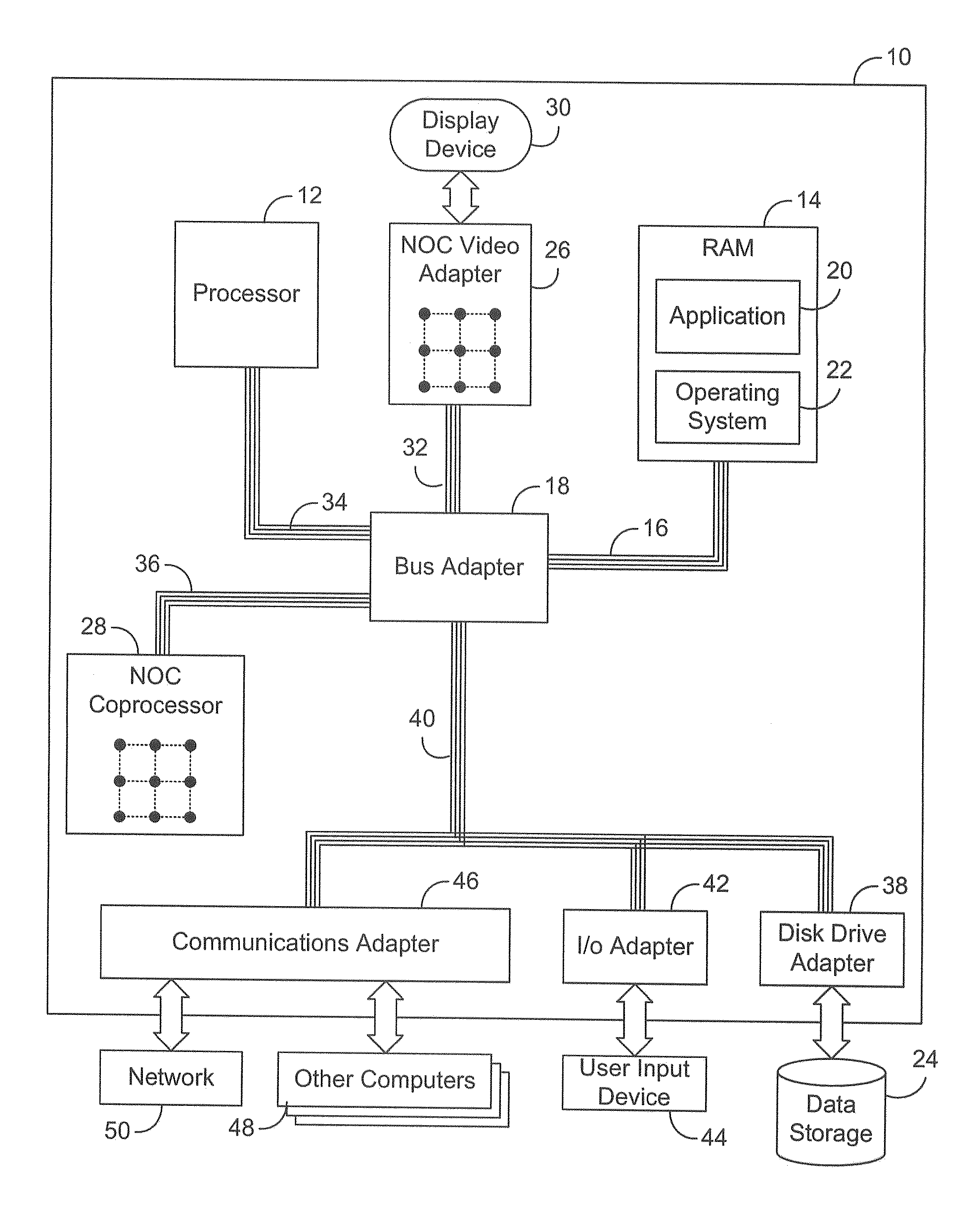
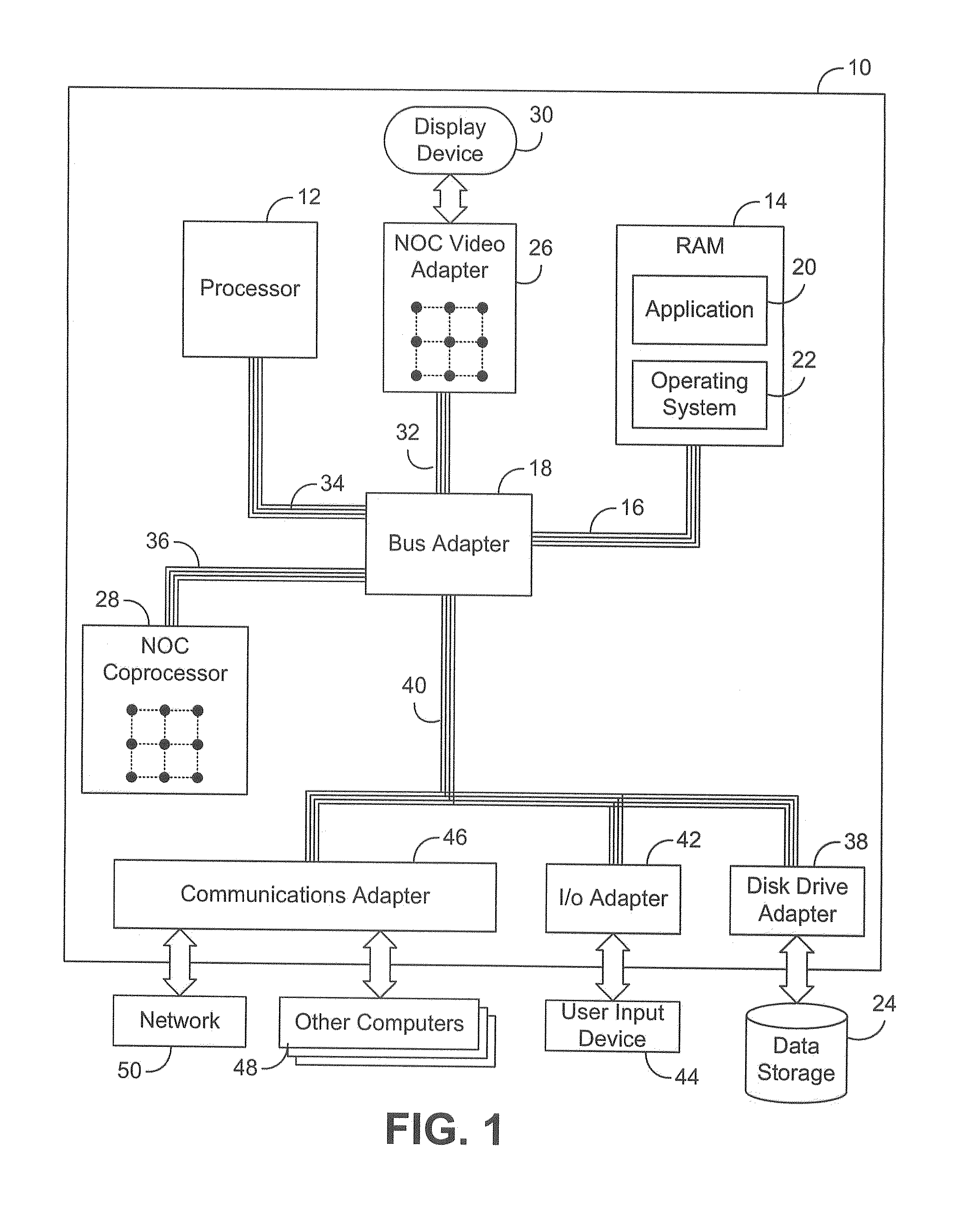
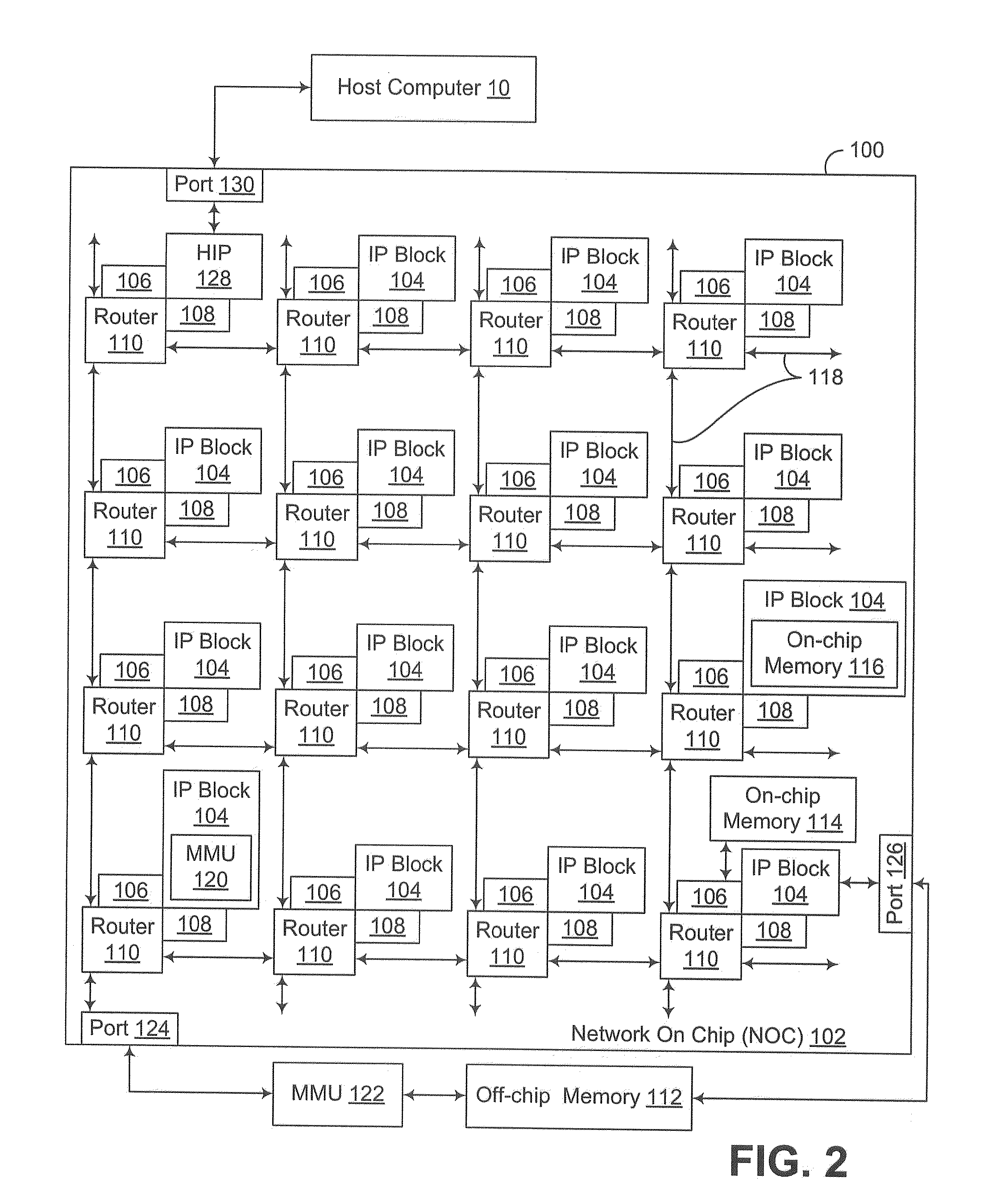

Image quality enhancing
PatentPendingUS20220301108A1
Innovation
- The method involves determining regions-of-interest (ROI) and regions-of-non-interest (RONI) in images, using separate image quality enhancement models for each to produce more targeted enhancements, blending the outputs for improved overall image or video quality.


Performance Benchmarking Standards
Establishing standardized performance benchmarking frameworks for AI-based rendering versus traditional rasterization requires comprehensive evaluation methodologies that address both quantitative metrics and qualitative assessments. Current industry practices lack unified standards, creating challenges in objectively comparing these fundamentally different rendering approaches across diverse application scenarios.
Frame rate consistency represents a critical benchmark parameter, measuring not only peak performance but also temporal stability. Traditional rasterization typically demonstrates predictable performance patterns with linear scaling based on scene complexity, while AI-based rendering exhibits variable computational loads depending on neural network inference requirements. Standardized testing protocols must account for these behavioral differences through extended sampling periods and statistical variance analysis.
Image quality assessment standards require multi-dimensional evaluation frameworks incorporating both objective metrics and perceptual quality measures. Peak Signal-to-Noise Ratio (PSNR) and Structural Similarity Index (SSIM) provide quantitative baselines, but emerging standards increasingly emphasize perceptual metrics like LPIPS (Learned Perceptual Image Patch Similarity) that better correlate with human visual perception. AI rendering evaluation particularly benefits from these advanced metrics given its emphasis on perceptual optimization.
Memory utilization benchmarking presents unique challenges due to the contrasting resource allocation patterns between approaches. Rasterization memory usage scales predictably with geometric complexity and texture resolution, while AI methods require substantial model storage and dynamic memory allocation for inference operations. Standardized testing must differentiate between static memory footprints and dynamic allocation patterns during rendering operations.
Latency measurement standards must distinguish between different types of computational delays inherent to each approach. Rasterization latency primarily stems from geometric processing and pixel shading operations, while AI rendering introduces neural network inference delays that may vary significantly based on hardware acceleration capabilities and model complexity. Benchmark protocols should establish separate measurement categories for initialization overhead, per-frame processing time, and end-to-end pipeline latency to provide meaningful comparative analysis across different rendering paradigms.
Frame rate consistency represents a critical benchmark parameter, measuring not only peak performance but also temporal stability. Traditional rasterization typically demonstrates predictable performance patterns with linear scaling based on scene complexity, while AI-based rendering exhibits variable computational loads depending on neural network inference requirements. Standardized testing protocols must account for these behavioral differences through extended sampling periods and statistical variance analysis.
Image quality assessment standards require multi-dimensional evaluation frameworks incorporating both objective metrics and perceptual quality measures. Peak Signal-to-Noise Ratio (PSNR) and Structural Similarity Index (SSIM) provide quantitative baselines, but emerging standards increasingly emphasize perceptual metrics like LPIPS (Learned Perceptual Image Patch Similarity) that better correlate with human visual perception. AI rendering evaluation particularly benefits from these advanced metrics given its emphasis on perceptual optimization.
Memory utilization benchmarking presents unique challenges due to the contrasting resource allocation patterns between approaches. Rasterization memory usage scales predictably with geometric complexity and texture resolution, while AI methods require substantial model storage and dynamic memory allocation for inference operations. Standardized testing must differentiate between static memory footprints and dynamic allocation patterns during rendering operations.
Latency measurement standards must distinguish between different types of computational delays inherent to each approach. Rasterization latency primarily stems from geometric processing and pixel shading operations, while AI rendering introduces neural network inference delays that may vary significantly based on hardware acceleration capabilities and model complexity. Benchmark protocols should establish separate measurement categories for initialization overhead, per-frame processing time, and end-to-end pipeline latency to provide meaningful comparative analysis across different rendering paradigms.
Hardware Requirements and Compatibility
The hardware requirements for AI-based rendering and traditional rasterization differ significantly in terms of computational architecture and resource allocation. AI rendering techniques, particularly those utilizing neural networks for image enhancement and generation, demand substantial parallel processing capabilities. Modern GPUs with dedicated tensor processing units, such as NVIDIA's RTX series with RT cores and Tensor cores, provide optimal performance for AI workloads. These specialized units can accelerate matrix operations essential for neural network inference, requiring minimum 8GB VRAM for basic AI rendering tasks and up to 24GB for advanced real-time applications.
Traditional rasterization relies heavily on shader cores and raster operations units found in conventional graphics processors. While less demanding in terms of specialized AI hardware, high-quality rasterization still requires powerful GPUs with substantial memory bandwidth and fill rates. The computational load scales primarily with resolution and geometric complexity rather than algorithmic sophistication.
Memory requirements present another critical distinction between these approaches. AI rendering systems typically maintain large neural network models in memory, consuming 2-8GB of dedicated storage depending on model complexity. Additionally, intermediate feature maps and training data require substantial RAM allocation, often exceeding 16GB for professional applications. Rasterization workflows generally exhibit more predictable memory usage patterns, scaling linearly with scene complexity and texture resolution.
Compatibility considerations reveal significant disparities across hardware generations. AI rendering capabilities are largely restricted to recent GPU architectures supporting mixed-precision computing and dedicated AI acceleration. Legacy hardware lacks the computational efficiency required for real-time AI inference, limiting adoption in existing systems. Conversely, rasterization maintains broad compatibility across multiple hardware generations, ensuring consistent performance on older platforms.
The integration of both technologies presents unique compatibility challenges. Hybrid rendering pipelines combining AI enhancement with traditional rasterization require careful resource management to prevent bottlenecks. Dynamic load balancing between AI processing units and conventional shader cores becomes essential for maintaining optimal performance across diverse hardware configurations and varying computational demands.
Traditional rasterization relies heavily on shader cores and raster operations units found in conventional graphics processors. While less demanding in terms of specialized AI hardware, high-quality rasterization still requires powerful GPUs with substantial memory bandwidth and fill rates. The computational load scales primarily with resolution and geometric complexity rather than algorithmic sophistication.
Memory requirements present another critical distinction between these approaches. AI rendering systems typically maintain large neural network models in memory, consuming 2-8GB of dedicated storage depending on model complexity. Additionally, intermediate feature maps and training data require substantial RAM allocation, often exceeding 16GB for professional applications. Rasterization workflows generally exhibit more predictable memory usage patterns, scaling linearly with scene complexity and texture resolution.
Compatibility considerations reveal significant disparities across hardware generations. AI rendering capabilities are largely restricted to recent GPU architectures supporting mixed-precision computing and dedicated AI acceleration. Legacy hardware lacks the computational efficiency required for real-time AI inference, limiting adoption in existing systems. Conversely, rasterization maintains broad compatibility across multiple hardware generations, ensuring consistent performance on older platforms.
The integration of both technologies presents unique compatibility challenges. Hybrid rendering pipelines combining AI enhancement with traditional rasterization require careful resource management to prevent bottlenecks. Dynamic load balancing between AI processing units and conventional shader cores becomes essential for maintaining optimal performance across diverse hardware configurations and varying computational demands.
Unlock deeper insights with Patsnap Eureka Quick Research — get a full tech report to explore trends and direct your research. Try now!
Generate Your Research Report Instantly with AI Agent
Supercharge your innovation with Patsnap Eureka AI Agent Platform!