Analyze Nuclear Battery Efficiency in Remote Locations
JAN 29, 20269 MIN READ
Generate Your Research Report Instantly with AI Agent
Patsnap Eureka helps you evaluate technical feasibility & market potential.
Nuclear Battery Tech Background and Efficiency Goals
Nuclear battery technology, also known as radioisotope power systems, represents a specialized energy solution that has evolved significantly since its inception in the 1950s. The fundamental principle involves converting energy released from radioactive decay into electrical power through thermoelectric or photovoltaic conversion mechanisms. Early applications were primarily driven by space exploration needs, where conventional power sources proved impractical for long-duration missions beyond Earth's orbit.
The technology gained prominence through NASA's deployment of radioisotope thermoelectric generators in deep space missions, including the Voyager probes and Mars rovers. These systems demonstrated exceptional longevity and reliability, operating continuously for decades without maintenance. The core advantage lies in their ability to provide stable power output independent of environmental conditions such as sunlight availability, temperature extremes, or atmospheric composition.
In recent decades, the focus has expanded from aerospace applications to terrestrial remote locations where grid connectivity remains unfeasible or economically prohibitive. These include polar research stations, deep-sea monitoring equipment, remote sensing networks, and telecommunications infrastructure in geographically isolated regions. The technology's evolution has been characterized by improvements in conversion efficiency, miniaturization efforts, and enhanced safety protocols.
Current efficiency goals center on maximizing the conversion rate from thermal energy to electrical output, which traditionally ranges between 5-7% for thermoelectric systems. Advanced research targets efficiency improvements to 15-20% through innovative materials and conversion technologies. Additionally, objectives include extending operational lifespans beyond 30 years, reducing system mass-to-power ratios, and developing scalable designs suitable for varying power requirements from milliwatts to kilowatts.
The strategic importance of efficiency optimization in remote deployments cannot be overstated, as these locations demand autonomous, maintenance-free operation over extended periods. Enhanced efficiency directly translates to reduced radioisotope fuel requirements, lower costs, improved safety margins, and broader applicability across diverse operational scenarios where conventional power infrastructure remains impractical or impossible to implement.
The technology gained prominence through NASA's deployment of radioisotope thermoelectric generators in deep space missions, including the Voyager probes and Mars rovers. These systems demonstrated exceptional longevity and reliability, operating continuously for decades without maintenance. The core advantage lies in their ability to provide stable power output independent of environmental conditions such as sunlight availability, temperature extremes, or atmospheric composition.
In recent decades, the focus has expanded from aerospace applications to terrestrial remote locations where grid connectivity remains unfeasible or economically prohibitive. These include polar research stations, deep-sea monitoring equipment, remote sensing networks, and telecommunications infrastructure in geographically isolated regions. The technology's evolution has been characterized by improvements in conversion efficiency, miniaturization efforts, and enhanced safety protocols.
Current efficiency goals center on maximizing the conversion rate from thermal energy to electrical output, which traditionally ranges between 5-7% for thermoelectric systems. Advanced research targets efficiency improvements to 15-20% through innovative materials and conversion technologies. Additionally, objectives include extending operational lifespans beyond 30 years, reducing system mass-to-power ratios, and developing scalable designs suitable for varying power requirements from milliwatts to kilowatts.
The strategic importance of efficiency optimization in remote deployments cannot be overstated, as these locations demand autonomous, maintenance-free operation over extended periods. Enhanced efficiency directly translates to reduced radioisotope fuel requirements, lower costs, improved safety margins, and broader applicability across diverse operational scenarios where conventional power infrastructure remains impractical or impossible to implement.
Remote Power Demand Analysis
Remote locations present unique and demanding power requirements that conventional energy infrastructure struggles to address effectively. These environments include polar research stations, deep-sea monitoring installations, space exploration equipment, remote telecommunications infrastructure, and isolated military outposts. The geographical isolation, extreme environmental conditions, and logistical constraints inherent to these settings create substantial challenges for traditional power delivery methods, making reliable and long-lasting energy sources critically important.
The power demand profile in remote locations varies significantly based on application type and operational requirements. Scientific research stations typically require continuous power ranging from several hundred watts to multiple kilowatts for instrumentation, data collection systems, environmental controls, and communication equipment. Deep-sea sensors and oceanographic monitoring devices operate with lower power requirements but demand exceptional reliability over extended deployment periods without maintenance access. Space missions and planetary exploration rovers necessitate compact, lightweight power sources capable of delivering consistent energy output across extreme temperature variations and radiation exposure.
Telecommunications infrastructure deployed in geographically isolated regions represents a growing segment of remote power demand. The expansion of global connectivity initiatives and the deployment of remote sensor networks for environmental monitoring, disaster warning systems, and infrastructure surveillance have intensified the need for autonomous power solutions. These applications typically require power outputs in the range of tens to hundreds of watts with operational lifespans extending beyond a decade.
Current power solutions for remote locations face significant limitations. Solar panels suffer from seasonal variations, dust accumulation, and complete ineffectiveness during polar winters. Diesel generators require regular fuel resupply, which becomes prohibitively expensive and logistically complex in isolated environments. Battery systems provide limited operational duration and degrade under extreme temperatures. These constraints result in substantial operational costs, frequent maintenance interventions, and potential system failures that compromise mission objectives.
The economic implications of power supply failures in remote locations extend beyond direct replacement costs. Communication blackouts, data loss, and interrupted scientific observations can invalidate years of research investment. Military and security applications face operational vulnerabilities when power systems prove unreliable. The cumulative cost of logistics, maintenance personnel deployment, and system redundancy measures creates compelling economic drivers for alternative power technologies that offer extended operational lifespans and minimal maintenance requirements.
The power demand profile in remote locations varies significantly based on application type and operational requirements. Scientific research stations typically require continuous power ranging from several hundred watts to multiple kilowatts for instrumentation, data collection systems, environmental controls, and communication equipment. Deep-sea sensors and oceanographic monitoring devices operate with lower power requirements but demand exceptional reliability over extended deployment periods without maintenance access. Space missions and planetary exploration rovers necessitate compact, lightweight power sources capable of delivering consistent energy output across extreme temperature variations and radiation exposure.
Telecommunications infrastructure deployed in geographically isolated regions represents a growing segment of remote power demand. The expansion of global connectivity initiatives and the deployment of remote sensor networks for environmental monitoring, disaster warning systems, and infrastructure surveillance have intensified the need for autonomous power solutions. These applications typically require power outputs in the range of tens to hundreds of watts with operational lifespans extending beyond a decade.
Current power solutions for remote locations face significant limitations. Solar panels suffer from seasonal variations, dust accumulation, and complete ineffectiveness during polar winters. Diesel generators require regular fuel resupply, which becomes prohibitively expensive and logistically complex in isolated environments. Battery systems provide limited operational duration and degrade under extreme temperatures. These constraints result in substantial operational costs, frequent maintenance interventions, and potential system failures that compromise mission objectives.
The economic implications of power supply failures in remote locations extend beyond direct replacement costs. Communication blackouts, data loss, and interrupted scientific observations can invalidate years of research investment. Military and security applications face operational vulnerabilities when power systems prove unreliable. The cumulative cost of logistics, maintenance personnel deployment, and system redundancy measures creates compelling economic drivers for alternative power technologies that offer extended operational lifespans and minimal maintenance requirements.
Nuclear Battery Status and Technical Challenges
Nuclear battery technology has experienced significant advancement since its inception in the 1950s, evolving from basic radioisotope thermoelectric generators to sophisticated energy conversion systems. Contemporary nuclear batteries primarily utilize betavoltaic and alphavoltaic effects, converting radioactive decay energy directly into electrical power. The global landscape shows concentrated development in the United States, Russia, China, and several European nations, with each region pursuing distinct technical approaches based on available isotope sources and application requirements.
Current nuclear battery efficiency remains substantially below theoretical limits, typically ranging between 0.5% to 6% for commercially viable systems. This efficiency gap represents the most critical technical challenge facing the industry. Betavoltaic devices using tritium or nickel-63 achieve approximately 1-3% conversion efficiency, while plutonium-238 based thermoelectric systems reach 5-7% under optimal conditions. The disparity between theoretical maximum efficiency of 20-30% and actual performance stems from fundamental energy conversion losses and material limitations.
Material degradation under sustained radiation exposure constitutes another major obstacle. Semiconductor junctions and thermoelectric materials experience structural damage from continuous particle bombardment, leading to progressive performance decline. This radiation-induced degradation accelerates in remote deployment scenarios where temperature fluctuations and environmental stresses compound the damage mechanisms. Current protective strategies add significant mass and volume, contradicting the compactness advantages nuclear batteries offer for remote applications.
Thermal management presents unique challenges in isolated environments. Nuclear batteries generate continuous heat regardless of electrical load demand, requiring sophisticated dissipation systems. In remote locations with extreme ambient temperatures, maintaining optimal operating ranges becomes problematic. Arctic deployments face heat retention issues, while desert applications struggle with excessive thermal buildup, both scenarios directly impacting conversion efficiency and system longevity.
Isotope availability and cost factors severely constrain widespread adoption. Plutonium-238 production remains limited globally, with annual output insufficient for expanding applications beyond critical space missions and specialized military uses. Alternative isotopes like strontium-90 or americium-241 offer lower specific power densities, necessitating larger system volumes that challenge deployment logistics in remote locations. Regulatory frameworks governing radioactive material transportation and installation further complicate field deployment, particularly in environmentally sensitive or politically restricted regions.
Current nuclear battery efficiency remains substantially below theoretical limits, typically ranging between 0.5% to 6% for commercially viable systems. This efficiency gap represents the most critical technical challenge facing the industry. Betavoltaic devices using tritium or nickel-63 achieve approximately 1-3% conversion efficiency, while plutonium-238 based thermoelectric systems reach 5-7% under optimal conditions. The disparity between theoretical maximum efficiency of 20-30% and actual performance stems from fundamental energy conversion losses and material limitations.
Material degradation under sustained radiation exposure constitutes another major obstacle. Semiconductor junctions and thermoelectric materials experience structural damage from continuous particle bombardment, leading to progressive performance decline. This radiation-induced degradation accelerates in remote deployment scenarios where temperature fluctuations and environmental stresses compound the damage mechanisms. Current protective strategies add significant mass and volume, contradicting the compactness advantages nuclear batteries offer for remote applications.
Thermal management presents unique challenges in isolated environments. Nuclear batteries generate continuous heat regardless of electrical load demand, requiring sophisticated dissipation systems. In remote locations with extreme ambient temperatures, maintaining optimal operating ranges becomes problematic. Arctic deployments face heat retention issues, while desert applications struggle with excessive thermal buildup, both scenarios directly impacting conversion efficiency and system longevity.
Isotope availability and cost factors severely constrain widespread adoption. Plutonium-238 production remains limited globally, with annual output insufficient for expanding applications beyond critical space missions and specialized military uses. Alternative isotopes like strontium-90 or americium-241 offer lower specific power densities, necessitating larger system volumes that challenge deployment logistics in remote locations. Regulatory frameworks governing radioactive material transportation and installation further complicate field deployment, particularly in environmentally sensitive or politically restricted regions.
Current Nuclear Battery Solutions
01 Radioisotope selection and configuration for enhanced energy conversion
Nuclear batteries utilize specific radioisotopes with optimal decay characteristics to maximize energy output. The selection of appropriate radioactive materials such as tritium, nickel-63, or promethium-147, along with their physical configuration and concentration, directly impacts the conversion efficiency. The geometric arrangement and thickness of the radioisotope layer are optimized to balance energy emission with self-absorption losses, thereby improving overall battery performance.- Radioisotope selection and configuration for enhanced energy conversion: Nuclear batteries utilize specific radioisotopes with optimal decay characteristics to maximize energy output. The selection of appropriate radioactive materials such as tritium, nickel-63, or promethium-147, along with their physical configuration and concentration, directly impacts the conversion efficiency. The geometric arrangement and thickness of the radioisotope layer are optimized to ensure maximum particle emission while minimizing self-absorption losses.
- Semiconductor junction design and material optimization: The efficiency of nuclear batteries depends significantly on the semiconductor materials and junction structures used to convert radiation energy into electrical energy. Advanced semiconductor materials with wide bandgaps and optimized p-n junction configurations enhance charge carrier collection and reduce recombination losses. The use of specialized materials and multi-layer structures improves the overall energy conversion efficiency by better matching the energy spectrum of emitted particles.
- Three-dimensional and micro-structured architectures: Implementing three-dimensional structures and micro-scale architectures significantly increases the active surface area for energy conversion. These designs include porous structures, columnar arrays, and micro-channel configurations that maximize the interaction between radiation particles and conversion materials. The enhanced surface-to-volume ratio and optimized particle path lengths result in improved energy capture and conversion efficiency.
- Voltage multiplication and power management circuits: Nuclear batteries typically produce low voltage output, requiring sophisticated power management systems to achieve practical voltage levels. Voltage multiplication circuits, DC-DC converters, and impedance matching networks are integrated to boost and regulate the output. These circuits are designed to operate efficiently with the low current and high impedance characteristics of nuclear batteries, minimizing power losses during conversion and regulation stages.
- Encapsulation and thermal management systems: Effective encapsulation techniques and thermal management are critical for maintaining optimal operating conditions and preventing efficiency degradation. Advanced packaging materials provide radiation shielding while allowing efficient heat dissipation from the conversion process. Temperature control systems maintain the semiconductor junctions within optimal operating ranges, preventing thermal degradation and ensuring stable long-term performance of the nuclear battery.
02 Advanced semiconductor materials and junction structures
The efficiency of nuclear batteries depends significantly on the semiconductor materials used to convert radiation into electrical energy. Wide bandgap semiconductors, silicon carbide, gallium nitride, and diamond-based structures offer superior radiation hardness and conversion efficiency. P-N junction designs, Schottky barriers, and heterojunction configurations are employed to optimize charge carrier collection and minimize recombination losses, resulting in higher power conversion efficiency.Expand Specific Solutions03 Three-dimensional and multilayer architecture designs
Innovative structural designs incorporating three-dimensional configurations and multilayer stacking arrangements significantly enhance nuclear battery efficiency. These architectures increase the effective surface area for energy conversion, improve radiation utilization, and reduce dead zones. Microfabrication techniques enable the creation of porous structures, pillar arrays, and interdigitated designs that maximize the interaction between radiation and conversion materials while minimizing energy losses.Expand Specific Solutions04 Energy conversion enhancement through intermediate conversion layers
Intermediate conversion layers such as phosphors, scintillators, or photovoltaic materials are integrated to improve energy conversion efficiency. These layers convert high-energy radiation into photons or secondary particles that can be more efficiently captured by the conversion device. The use of fluorescent materials, quantum dots, or specialized coatings optimizes the spectral matching between the radiation source and the energy converter, thereby increasing overall system efficiency.Expand Specific Solutions05 Thermal management and packaging optimization
Effective thermal management is crucial for maintaining high efficiency in nuclear batteries, as temperature variations can significantly affect semiconductor performance and radiation stability. Advanced packaging techniques incorporate heat dissipation structures, thermal interface materials, and hermetic sealing to maintain optimal operating temperatures. The integration of thermal barriers, heat sinks, and temperature-stable encapsulation materials ensures long-term reliability and sustained efficiency under various environmental conditions.Expand Specific Solutions
Key Nuclear Battery Developers
The nuclear battery technology for remote locations is in an emerging growth phase, with market expansion driven by increasing demand for long-lasting, maintenance-free power sources in isolated applications. The competitive landscape features diverse players spanning energy storage specialists like LG Energy Solution and TWAICE Technologies, automotive component manufacturers including DENSO and Robert Bosch, nuclear engineering firms such as China Nuclear Power Engineering and Commissariat à l'énergie atomique, and research institutions like University of Rochester and Tongji University. Technology maturity varies significantly across participants, with established corporations like Hitachi and Honeywell leveraging cross-industry expertise, while specialized entities like BetaBatt focus on nuclear battery innovation. Chinese academic institutions and state enterprises demonstrate strong government-backed R&D initiatives, contrasting with Western private sector approaches. The market exhibits moderate consolidation with opportunities for breakthrough innovations in efficiency, miniaturization, and safety protocols.
China Nuclear Power Engineering Co., Ltd.
Technical Solution: China Nuclear Power Engineering Co., Ltd. has developed nuclear battery technology based on radioisotope power systems designed for remote infrastructure monitoring and off-grid applications. Their approach integrates nickel-63 and strontium-90 isotope sources with advanced thermoelectric conversion modules to deliver continuous microwatt to milliwatt power levels. The company's systems are specifically engineered for China's remote western regions, offshore platforms, and border monitoring stations where conventional power infrastructure is absent. Their nuclear battery designs incorporate robust encapsulation technology to withstand extreme temperature variations, sandstorms, and high humidity conditions typical of remote locations. The modular architecture allows scalability from single-sensor power supplies to distributed sensor network applications, with operational lifetimes projected at 25+ years and efficiency optimization for low ambient temperature environments common in high-altitude and polar deployments.
Strengths: Strong integration with national infrastructure projects providing extensive field testing opportunities in diverse remote Chinese territories. Weaknesses: Limited international market presence and potential regulatory barriers for cross-border deployment of nuclear-powered devices.
Commissariat à l´énergie atomique et aux énergies Alternatives
Technical Solution: CEA develops advanced radioisotope thermoelectric generator (RTG) and betavoltaic technologies for remote power applications, leveraging decades of nuclear research expertise. Their nuclear battery systems utilize americium-241 and other long-lived isotopes to provide reliable power generation in extreme remote environments. CEA's research focuses on improving conversion efficiency through advanced thermoelectric materials and optimized semiconductor junction designs. Their systems are engineered for autonomous operation in polar research stations, deep-sea monitoring equipment, and remote geological sensors where grid power is unavailable. The organization has demonstrated nuclear battery prototypes achieving operational lifespans exceeding 30 years with minimal degradation, incorporating multi-layer shielding designs that ensure radiation safety while maximizing energy conversion efficiency in temperatures ranging from -60°C to 200°C.
Strengths: Extensive nuclear research infrastructure and government backing enabling comprehensive safety testing and regulatory compliance for remote deployments. Weaknesses: Higher development costs and longer regulatory approval timelines compared to commercial battery alternatives.
Core Efficiency Enhancement Patents
Nanofluid Contact Potential Difference Battery
PatentActiveUS20220173458A1
Innovation
- A nanofluid contact potential difference (CPD) battery utilizing a plurality of nanofluid CPD cells with low work function electrodes and an inter-electrode gap-filling nanofluid, where thermally-induced Brownian motion drives electron pumping and charge transfer through collisions, enabling efficient electrical power generation from ambient heat sources.


Thermoelectric devices and applications for the same
PatentInactiveCN1890821A
Innovation
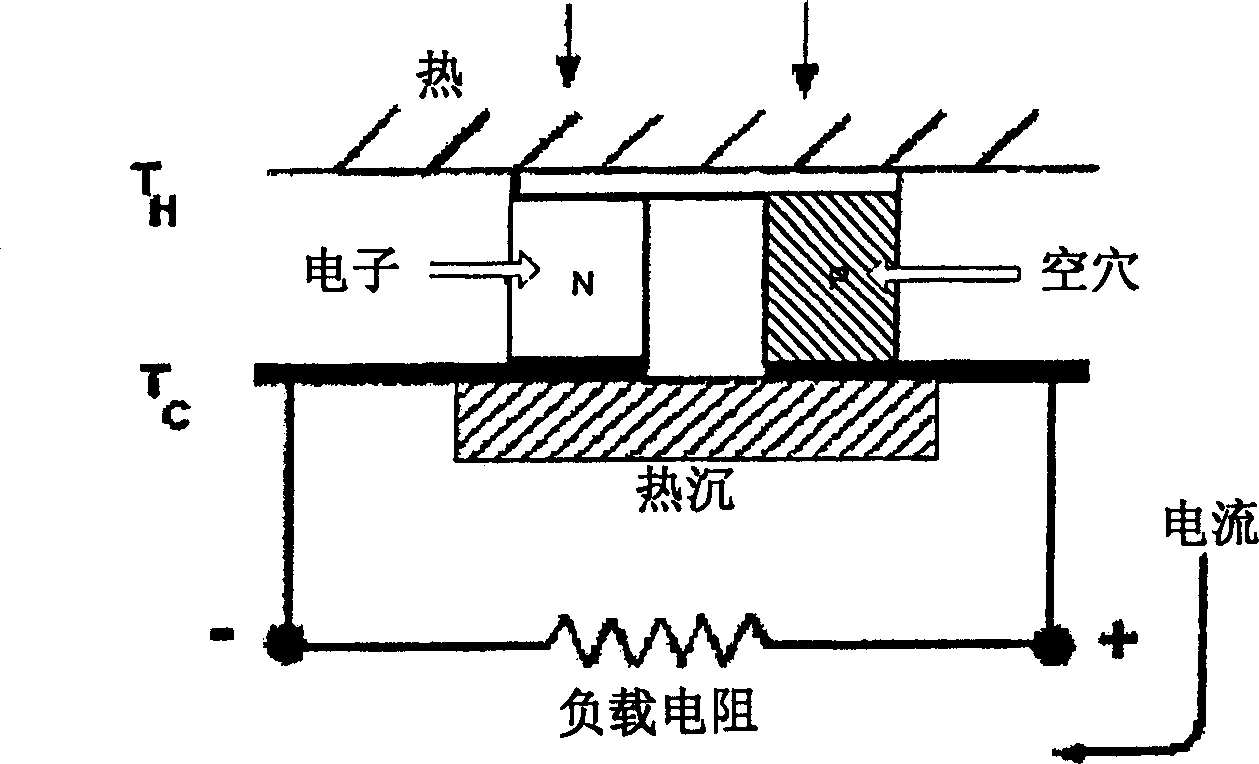
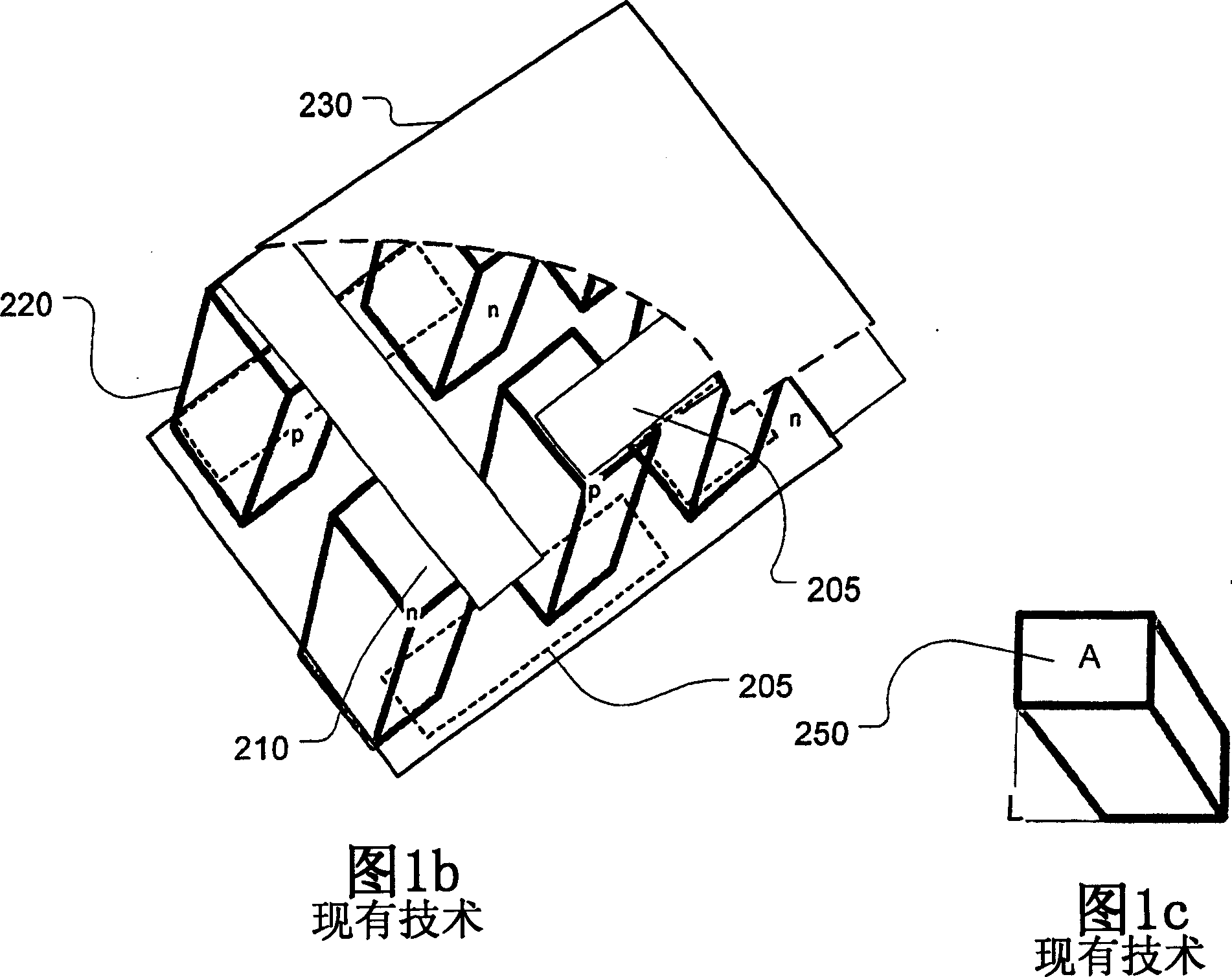
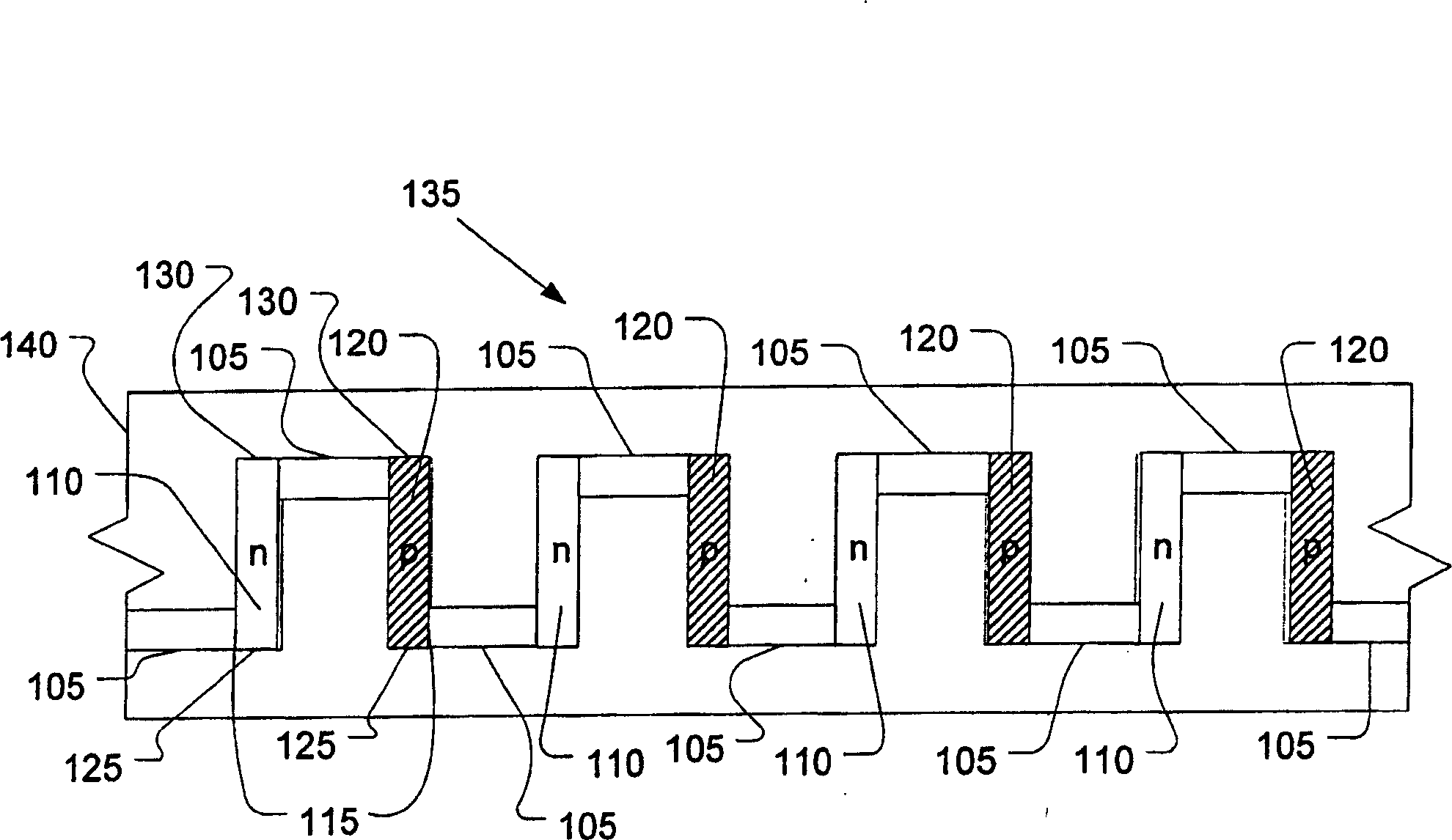
- Sputter deposition technology of BixTey, SbxTey and BixSey alloys is used to form thin film thermoelectric modules and power supplies with high L/A ratios, using arrays of multiple thermal elements and conductive components to connect in series or parallel, deposited on flexible substrates to improve voltage output and convert electrical energy through ambient temperature differences.

Nuclear Safety Regulations for Remote Deployment
Nuclear battery deployment in remote locations operates within a complex regulatory framework designed to ensure public safety, environmental protection, and security. International standards established by the International Atomic Energy Agency (IAEA) provide foundational guidelines for radioisotope thermoelectric generators (RTGs) and other nuclear power sources used in isolated environments. These regulations mandate comprehensive safety assessments, radiation shielding requirements, and containment protocols specific to autonomous operation scenarios where human oversight is limited or absent.
Regulatory compliance for remote nuclear batteries encompasses multiple jurisdictional layers, including national nuclear regulatory authorities, environmental protection agencies, and international transport conventions. The IAEA Safety Standards Series specifically addresses sealed radioactive sources in remote applications, requiring robust physical protection measures against unauthorized access, theft, or sabotage. Deployment permits typically necessitate detailed documentation of source characterization, dose rate calculations, emergency response procedures, and decommissioning plans tailored to the geographical and operational context of remote installations.
Environmental monitoring requirements constitute a critical regulatory component, mandating continuous or periodic assessment of radiation levels in surrounding ecosystems. Remote deployment scenarios often require enhanced monitoring systems capable of autonomous data transmission to regulatory bodies, ensuring real-time compliance verification despite geographical isolation. Regulations also specify containment integrity standards designed to withstand extreme environmental conditions common in remote locations, including temperature fluctuations, seismic activity, and potential impact scenarios.
Licensing procedures for remote nuclear battery deployment involve rigorous safety case development, demonstrating that radiological risks remain below acceptable thresholds throughout the operational lifecycle. Regulatory frameworks increasingly emphasize fail-safe design principles, requiring multiple independent barriers against radioactive material release and incorporating passive safety features that function without external power or human intervention. Post-deployment obligations include periodic safety reviews, maintenance protocols, and secure end-of-life management strategies that address the unique challenges of retrieving or decommissioning nuclear sources from inaccessible locations.
Regulatory compliance for remote nuclear batteries encompasses multiple jurisdictional layers, including national nuclear regulatory authorities, environmental protection agencies, and international transport conventions. The IAEA Safety Standards Series specifically addresses sealed radioactive sources in remote applications, requiring robust physical protection measures against unauthorized access, theft, or sabotage. Deployment permits typically necessitate detailed documentation of source characterization, dose rate calculations, emergency response procedures, and decommissioning plans tailored to the geographical and operational context of remote installations.
Environmental monitoring requirements constitute a critical regulatory component, mandating continuous or periodic assessment of radiation levels in surrounding ecosystems. Remote deployment scenarios often require enhanced monitoring systems capable of autonomous data transmission to regulatory bodies, ensuring real-time compliance verification despite geographical isolation. Regulations also specify containment integrity standards designed to withstand extreme environmental conditions common in remote locations, including temperature fluctuations, seismic activity, and potential impact scenarios.
Licensing procedures for remote nuclear battery deployment involve rigorous safety case development, demonstrating that radiological risks remain below acceptable thresholds throughout the operational lifecycle. Regulatory frameworks increasingly emphasize fail-safe design principles, requiring multiple independent barriers against radioactive material release and incorporating passive safety features that function without external power or human intervention. Post-deployment obligations include periodic safety reviews, maintenance protocols, and secure end-of-life management strategies that address the unique challenges of retrieving or decommissioning nuclear sources from inaccessible locations.
Environmental Impact Assessment of Nuclear Batteries
Nuclear batteries, while offering significant advantages for remote power applications, present distinct environmental considerations that require comprehensive assessment. The radioisotope thermoelectric generators (RTGs) and betavoltaic devices utilize radioactive materials, necessitating rigorous evaluation of their ecological footprint throughout their entire lifecycle from manufacturing to disposal.
The primary environmental concern centers on radiation safety and containment integrity. Modern nuclear batteries employ multiple containment layers designed to withstand extreme conditions including fires, impacts, and corrosion. Historical data from space missions and remote terrestrial installations demonstrates that properly engineered units maintain containment effectiveness exceeding 99.9% over operational lifetimes. However, the potential consequences of containment breach, though statistically minimal, demand continuous monitoring protocols and emergency response frameworks.
Manufacturing processes for nuclear batteries generate radioactive waste streams requiring specialized handling and long-term storage solutions. The extraction and refinement of isotopes such as plutonium-238 or strontium-90 involve energy-intensive procedures with associated carbon emissions and radioactive byproducts. Comparative lifecycle assessments indicate that while initial production impacts are substantial, the extended operational period without fuel replacement or maintenance significantly reduces the overall environmental burden compared to conventional battery systems requiring frequent replacement cycles.
Decommissioning and end-of-life management constitute critical environmental considerations. Nuclear batteries deployed in remote locations must incorporate retrieval strategies to prevent environmental contamination. Regulatory frameworks mandate secure recovery and disposal in licensed facilities, though practical implementation in inaccessible terrain presents logistical challenges. The development of biodegradable shielding materials and improved isotope recovery techniques represents ongoing research priorities to minimize long-term environmental legacy.
Thermal emissions from nuclear batteries, while modest compared to conventional generators, can affect localized microclimates in sensitive ecosystems. Studies in polar and deep-sea environments reveal minimal ecological disruption when proper thermal management systems are implemented, though site-specific assessments remain essential for deployment decisions in pristine habitats.
The primary environmental concern centers on radiation safety and containment integrity. Modern nuclear batteries employ multiple containment layers designed to withstand extreme conditions including fires, impacts, and corrosion. Historical data from space missions and remote terrestrial installations demonstrates that properly engineered units maintain containment effectiveness exceeding 99.9% over operational lifetimes. However, the potential consequences of containment breach, though statistically minimal, demand continuous monitoring protocols and emergency response frameworks.
Manufacturing processes for nuclear batteries generate radioactive waste streams requiring specialized handling and long-term storage solutions. The extraction and refinement of isotopes such as plutonium-238 or strontium-90 involve energy-intensive procedures with associated carbon emissions and radioactive byproducts. Comparative lifecycle assessments indicate that while initial production impacts are substantial, the extended operational period without fuel replacement or maintenance significantly reduces the overall environmental burden compared to conventional battery systems requiring frequent replacement cycles.
Decommissioning and end-of-life management constitute critical environmental considerations. Nuclear batteries deployed in remote locations must incorporate retrieval strategies to prevent environmental contamination. Regulatory frameworks mandate secure recovery and disposal in licensed facilities, though practical implementation in inaccessible terrain presents logistical challenges. The development of biodegradable shielding materials and improved isotope recovery techniques represents ongoing research priorities to minimize long-term environmental legacy.
Thermal emissions from nuclear batteries, while modest compared to conventional generators, can affect localized microclimates in sensitive ecosystems. Studies in polar and deep-sea environments reveal minimal ecological disruption when proper thermal management systems are implemented, though site-specific assessments remain essential for deployment decisions in pristine habitats.
Unlock deeper insights with Patsnap Eureka Quick Research — get a full tech report to explore trends and direct your research. Try now!
Generate Your Research Report Instantly with AI Agent
Supercharge your innovation with Patsnap Eureka AI Agent Platform!