

Analyzing Progressive Cavity Pump NPSH Requirements for Optimal Performance
APR 2, 20269 MIN READ
Generate Your Research Report Instantly with AI Agent
PatSnap Eureka helps you evaluate technical feasibility & market potential.
PCP NPSH Technology Background and Performance Goals
Progressive Cavity Pumps (PCPs) represent a critical technology in fluid handling applications, particularly in industries requiring precise flow control and the ability to handle viscous or abrasive fluids. The evolution of PCP technology has been driven by the need for reliable pumping solutions in challenging environments, from oil and gas extraction to wastewater treatment and food processing applications.
The historical development of PCPs traces back to René Moineau's original patent in 1930, establishing the fundamental principle of positive displacement through the interaction of a helical rotor within a double-helical stator. Over the decades, technological advancement has focused on materials science, precision manufacturing, and operational optimization. The integration of NPSH (Net Positive Suction Head) analysis into PCP design represents a significant evolution in understanding pump performance limitations and optimization strategies.
Current technological trends emphasize the convergence of traditional mechanical engineering principles with advanced computational fluid dynamics and real-time monitoring systems. The industry has witnessed a shift from empirical design approaches to data-driven optimization methodologies, enabling more precise prediction of NPSH requirements and cavitation thresholds. This evolution reflects broader industrial digitalization trends and the increasing demand for energy-efficient pumping solutions.
The primary performance goals for PCP NPSH optimization center on maximizing operational efficiency while preventing cavitation-induced damage. Key objectives include establishing accurate NPSH required (NPSHr) calculations specific to PCP geometry and operating conditions, developing predictive models for cavitation onset, and creating operational guidelines that balance performance with equipment longevity. These goals directly address industry challenges related to unplanned downtime, maintenance costs, and energy consumption.
Advanced performance targets encompass the development of adaptive control systems capable of real-time NPSH monitoring and automatic adjustment of operating parameters. The integration of machine learning algorithms for predictive maintenance and performance optimization represents a frontier goal, enabling proactive identification of suboptimal operating conditions before they impact system performance or equipment integrity.
The technological roadmap for PCP NPSH optimization includes enhanced computational modeling capabilities, improved materials for cavitation resistance, and sophisticated sensor integration for continuous monitoring. These developments aim to establish PCPs as the preferred solution for applications requiring precise flow control under challenging suction conditions, ultimately expanding their market penetration across diverse industrial sectors.
The historical development of PCPs traces back to René Moineau's original patent in 1930, establishing the fundamental principle of positive displacement through the interaction of a helical rotor within a double-helical stator. Over the decades, technological advancement has focused on materials science, precision manufacturing, and operational optimization. The integration of NPSH (Net Positive Suction Head) analysis into PCP design represents a significant evolution in understanding pump performance limitations and optimization strategies.
Current technological trends emphasize the convergence of traditional mechanical engineering principles with advanced computational fluid dynamics and real-time monitoring systems. The industry has witnessed a shift from empirical design approaches to data-driven optimization methodologies, enabling more precise prediction of NPSH requirements and cavitation thresholds. This evolution reflects broader industrial digitalization trends and the increasing demand for energy-efficient pumping solutions.
The primary performance goals for PCP NPSH optimization center on maximizing operational efficiency while preventing cavitation-induced damage. Key objectives include establishing accurate NPSH required (NPSHr) calculations specific to PCP geometry and operating conditions, developing predictive models for cavitation onset, and creating operational guidelines that balance performance with equipment longevity. These goals directly address industry challenges related to unplanned downtime, maintenance costs, and energy consumption.
Advanced performance targets encompass the development of adaptive control systems capable of real-time NPSH monitoring and automatic adjustment of operating parameters. The integration of machine learning algorithms for predictive maintenance and performance optimization represents a frontier goal, enabling proactive identification of suboptimal operating conditions before they impact system performance or equipment integrity.
The technological roadmap for PCP NPSH optimization includes enhanced computational modeling capabilities, improved materials for cavitation resistance, and sophisticated sensor integration for continuous monitoring. These developments aim to establish PCPs as the preferred solution for applications requiring precise flow control under challenging suction conditions, ultimately expanding their market penetration across diverse industrial sectors.
Market Demand for Enhanced PCP NPSH Solutions
The global progressive cavity pump market is experiencing significant growth driven by increasing demand for efficient fluid handling solutions across multiple industries. Oil and gas operations, particularly unconventional extraction methods, require pumps capable of handling viscous fluids and abrasive materials while maintaining consistent performance. The need for enhanced NPSH solutions has become critical as operators seek to minimize cavitation-related failures and extend equipment lifespan in challenging downhole environments.
Water and wastewater treatment facilities represent another substantial market segment demanding improved PCP NPSH performance. Municipal treatment plants and industrial facilities are increasingly adopting progressive cavity pumps for sludge handling and chemical dosing applications. These operations require reliable pumps that can maintain consistent flow rates while operating under varying suction conditions, making NPSH optimization essential for operational efficiency.
The chemical processing industry demonstrates growing interest in advanced PCP NPSH solutions due to the need for handling corrosive and temperature-sensitive fluids. Process engineers are seeking pumps that can operate reliably with minimal net positive suction head requirements, enabling more flexible system designs and reduced infrastructure costs. This demand is particularly pronounced in pharmaceutical and specialty chemical manufacturing where process reliability is paramount.
Food and beverage processing applications are driving demand for sanitary progressive cavity pumps with optimized NPSH characteristics. Manufacturers require pumps capable of handling viscous products like syrups, creams, and pastes without compromising product integrity. Enhanced NPSH solutions enable these processors to maintain consistent product quality while reducing energy consumption and maintenance requirements.
Mining and mineral processing operations increasingly rely on progressive cavity pumps for tailings management and slurry transport. The harsh operating conditions and abrasive nature of these applications create strong demand for robust NPSH solutions that can maintain performance while minimizing downtime. Operators are particularly interested in solutions that can handle varying fluid densities and viscosities without performance degradation.
The renewable energy sector, particularly geothermal applications, presents emerging opportunities for enhanced PCP NPSH solutions. Geothermal power plants require reliable pumps for handling high-temperature fluids with specific suction requirements, creating demand for specialized NPSH optimization technologies that can operate efficiently under extreme thermal conditions.
Water and wastewater treatment facilities represent another substantial market segment demanding improved PCP NPSH performance. Municipal treatment plants and industrial facilities are increasingly adopting progressive cavity pumps for sludge handling and chemical dosing applications. These operations require reliable pumps that can maintain consistent flow rates while operating under varying suction conditions, making NPSH optimization essential for operational efficiency.
The chemical processing industry demonstrates growing interest in advanced PCP NPSH solutions due to the need for handling corrosive and temperature-sensitive fluids. Process engineers are seeking pumps that can operate reliably with minimal net positive suction head requirements, enabling more flexible system designs and reduced infrastructure costs. This demand is particularly pronounced in pharmaceutical and specialty chemical manufacturing where process reliability is paramount.
Food and beverage processing applications are driving demand for sanitary progressive cavity pumps with optimized NPSH characteristics. Manufacturers require pumps capable of handling viscous products like syrups, creams, and pastes without compromising product integrity. Enhanced NPSH solutions enable these processors to maintain consistent product quality while reducing energy consumption and maintenance requirements.
Mining and mineral processing operations increasingly rely on progressive cavity pumps for tailings management and slurry transport. The harsh operating conditions and abrasive nature of these applications create strong demand for robust NPSH solutions that can maintain performance while minimizing downtime. Operators are particularly interested in solutions that can handle varying fluid densities and viscosities without performance degradation.
The renewable energy sector, particularly geothermal applications, presents emerging opportunities for enhanced PCP NPSH solutions. Geothermal power plants require reliable pumps for handling high-temperature fluids with specific suction requirements, creating demand for specialized NPSH optimization technologies that can operate efficiently under extreme thermal conditions.
Current NPSH Challenges in Progressive Cavity Pumps
Progressive cavity pumps face significant NPSH-related challenges that directly impact their operational efficiency and reliability. Unlike centrifugal pumps where cavitation occurs primarily at the impeller eye, PCPs experience unique suction-side phenomena due to their positive displacement mechanism and helical rotor-stator geometry.
The primary challenge stems from the pump's sensitivity to inlet pressure variations during the sealing line formation between rotor and stator. As the rotor rotates within the elastomeric stator, it creates progressive cavities that must be completely filled to maintain volumetric efficiency. Insufficient NPSH available can lead to incomplete cavity filling, resulting in reduced flow rates and increased slip between rotor and stator interfaces.
Temperature-induced viscosity changes present another critical challenge, particularly in applications involving heated fluids or varying ambient conditions. As fluid temperature increases, viscosity typically decreases, affecting the sealing characteristics and potentially reducing the effective NPSH margin. This phenomenon is especially problematic in oil and gas applications where wellhead temperatures can fluctuate significantly.
Elastomer degradation represents a long-term NPSH challenge unique to progressive cavity pumps. The stator's rubber compound can experience swelling, hardening, or chemical attack when exposed to aggressive fluids under low-pressure conditions. This degradation alters the rotor-stator clearances, potentially increasing the required NPSH and creating unpredictable performance variations over the pump's operational life.
Gas entrainment poses particular difficulties in PCP applications, as even small amounts of dissolved or free gas can significantly impact pump performance. The helical geometry can trap gas bubbles within the cavities, leading to compression and expansion cycles that affect both volumetric efficiency and mechanical stress on components.
Suction line design constraints often compound NPSH challenges in field installations. Many PCP applications involve complex piping configurations with multiple bends, reducers, and elevation changes that increase friction losses and reduce available NPSH. The requirement for flexible connections to accommodate pump movement during operation further complicates optimal suction system design.
Current monitoring and prediction methods for NPSH-related issues in PCPs remain inadequate compared to centrifugal pump technologies. Traditional vibration analysis and performance curve monitoring techniques are less effective due to the different failure modes and gradual performance degradation characteristics typical of progressive cavity pumps.
The primary challenge stems from the pump's sensitivity to inlet pressure variations during the sealing line formation between rotor and stator. As the rotor rotates within the elastomeric stator, it creates progressive cavities that must be completely filled to maintain volumetric efficiency. Insufficient NPSH available can lead to incomplete cavity filling, resulting in reduced flow rates and increased slip between rotor and stator interfaces.
Temperature-induced viscosity changes present another critical challenge, particularly in applications involving heated fluids or varying ambient conditions. As fluid temperature increases, viscosity typically decreases, affecting the sealing characteristics and potentially reducing the effective NPSH margin. This phenomenon is especially problematic in oil and gas applications where wellhead temperatures can fluctuate significantly.
Elastomer degradation represents a long-term NPSH challenge unique to progressive cavity pumps. The stator's rubber compound can experience swelling, hardening, or chemical attack when exposed to aggressive fluids under low-pressure conditions. This degradation alters the rotor-stator clearances, potentially increasing the required NPSH and creating unpredictable performance variations over the pump's operational life.
Gas entrainment poses particular difficulties in PCP applications, as even small amounts of dissolved or free gas can significantly impact pump performance. The helical geometry can trap gas bubbles within the cavities, leading to compression and expansion cycles that affect both volumetric efficiency and mechanical stress on components.
Suction line design constraints often compound NPSH challenges in field installations. Many PCP applications involve complex piping configurations with multiple bends, reducers, and elevation changes that increase friction losses and reduce available NPSH. The requirement for flexible connections to accommodate pump movement during operation further complicates optimal suction system design.
Current monitoring and prediction methods for NPSH-related issues in PCPs remain inadequate compared to centrifugal pump technologies. Traditional vibration analysis and performance curve monitoring techniques are less effective due to the different failure modes and gradual performance degradation characteristics typical of progressive cavity pumps.
Key Players in PCP and NPSH Technology Industry
The progressive cavity pump NPSH optimization market represents a mature industrial segment within the broader fluid handling industry, valued at several billion dollars globally. The industry is in a consolidation phase, characterized by established players focusing on technological refinement and digital integration rather than fundamental innovations. Technology maturity varies significantly across market participants, with industrial giants like Flowserve Management Co., KSB SE & Co. KGaA, and Sulzer demonstrating advanced NPSH calculation methodologies and predictive maintenance capabilities. Oil and gas leaders including PetroChina, Saudi Arabian Oil Co., and Baker Hughes Co. leverage extensive field experience to optimize pump performance in challenging applications. Meanwhile, diversified manufacturers such as ABB Ltd. and Mitsubishi Heavy Industries contribute sophisticated control systems and monitoring technologies. Academic institutions like Jiangsu University and South China University of Technology provide theoretical foundations and emerging research, while specialized companies like Schlumberger Technologies focus on application-specific solutions, creating a competitive landscape where technological differentiation increasingly centers on integrated digital solutions and predictive analytics.
Flowserve Management Co.
Technical Solution: Flowserve has developed advanced NPSH analysis methodologies for progressive cavity pumps, incorporating real-time monitoring systems that continuously assess suction conditions and cavitation risks. Their technology includes predictive algorithms that calculate optimal NPSH margins based on fluid properties, temperature variations, and operational parameters. The company's approach integrates computational fluid dynamics modeling with empirical testing to establish precise NPSH requirements for different rotor-stator configurations. Their systems feature automated adjustment capabilities that modify pump speed and suction pressure to maintain optimal NPSH conditions, preventing cavitation damage while maximizing efficiency. The technology also includes advanced sensor networks that monitor vibration, pressure pulsations, and acoustic signatures to detect early signs of NPSH-related issues.
Strengths: Comprehensive real-time monitoring and predictive capabilities, extensive field experience across industries. Weaknesses: High implementation costs, complex system integration requirements.
Sulzer Management AG
Technical Solution: Sulzer has pioneered innovative NPSH optimization techniques for progressive cavity pumps through their proprietary hydraulic design methodology. Their approach focuses on minimizing NPSH requirements through advanced rotor geometry optimization and specialized suction port configurations. The company has developed computational models that predict cavitation inception points and optimize pump geometry to reduce NPSH requirements by up to 25% compared to conventional designs. Their technology incorporates variable pitch rotor designs that adapt to different fluid conditions and flow rates, maintaining optimal NPSH performance across a wide operating range. Sulzer's systems also feature integrated condition monitoring that tracks NPSH-related parameters and provides predictive maintenance recommendations to prevent performance degradation.
Strengths: Advanced hydraulic design capabilities, proven track record in reducing NPSH requirements. Weaknesses: Limited to specific pump configurations, requires specialized maintenance expertise.
Core Innovations in PCP NPSH Optimization
System for reducing pump cavitation
PatentInactiveUS6834493B2
Innovation
- The use of a low-temperature heat source within the pump system to lower the temperature of the fluid before it enters the pump, thereby reducing the saturated vapor pressure and minimizing cavitation, is implemented. This involves employing a coolant or propellant with a lower temperature than the primary propellant for heat exchange, such as liquid hydrogen with liquid oxygen, to decrease the temperature of the fluid before it enters the pump.


Self-Priming Pump
PatentActiveUS20180058466A1
Innovation
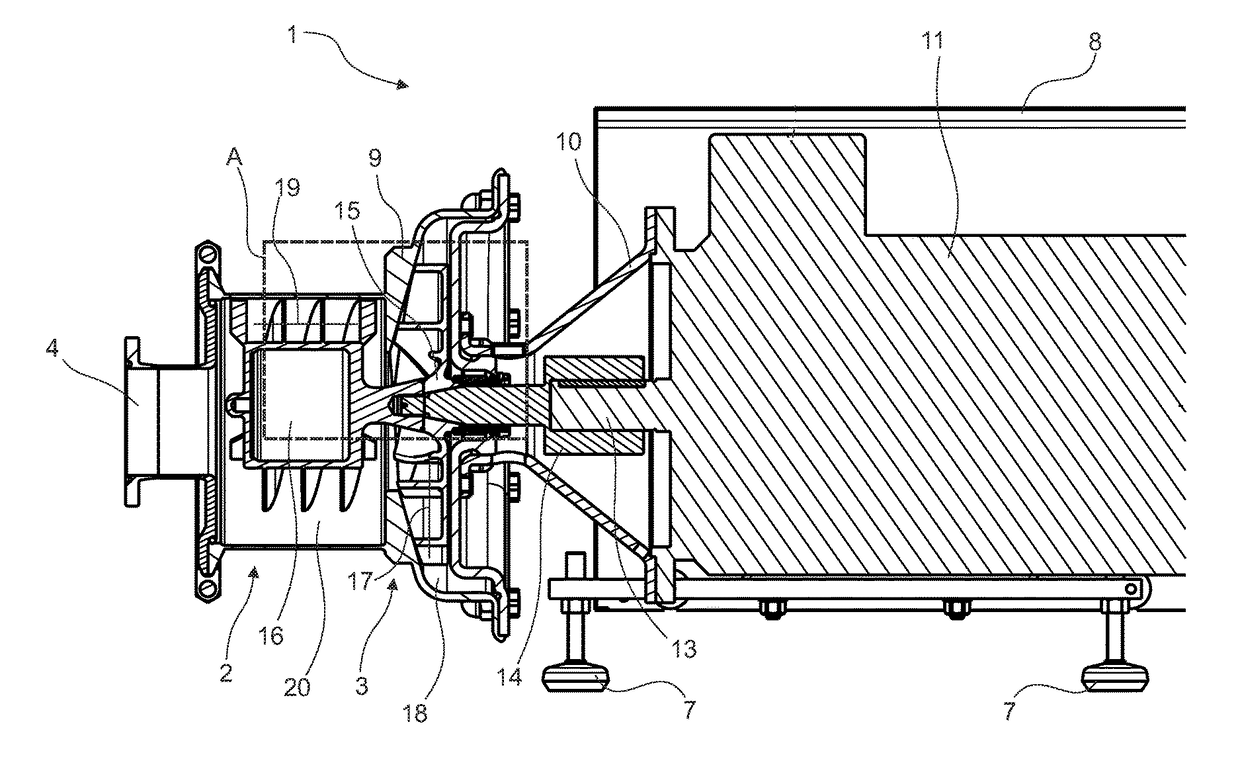
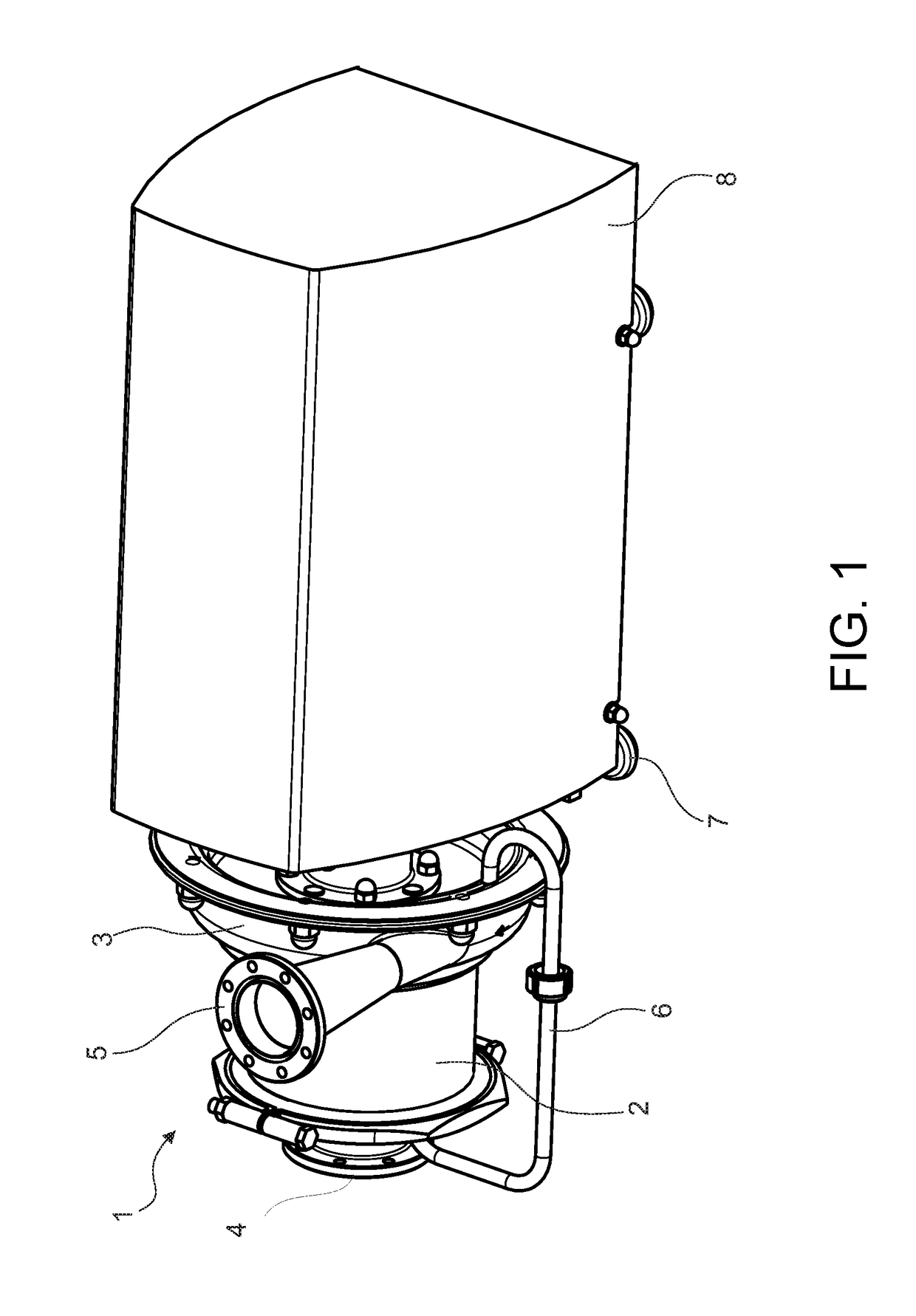
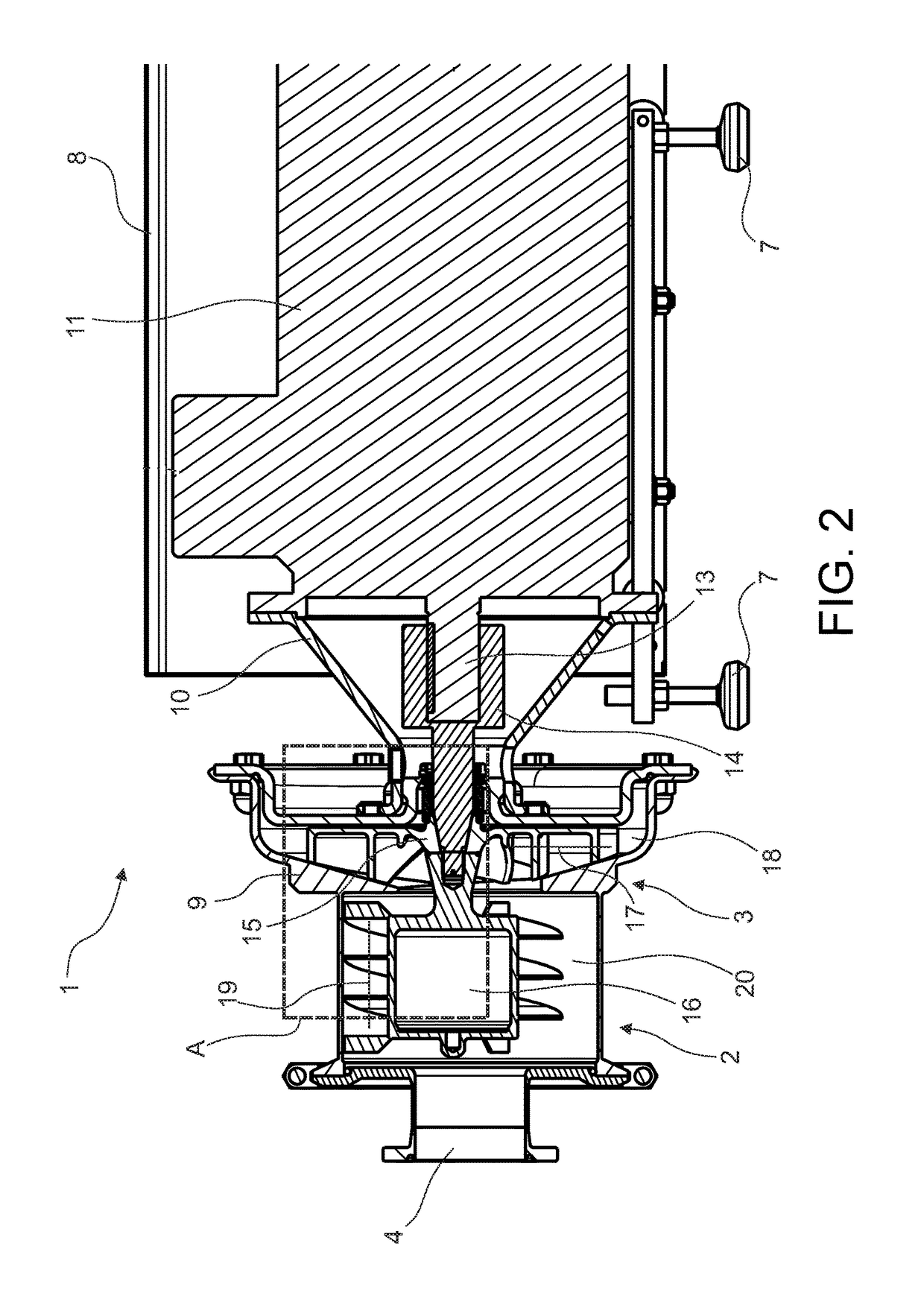
- The design incorporates a tapered shaft section with a smooth contour between the impellers, reducing flow resistance and swirling, and features a modular structure with overhung impellers and a helical blade configuration to enhance flow efficiency and reduce NPSH values.

Industry Standards for PCP NPSH Requirements
The establishment of industry standards for Progressive Cavity Pump (PCP) Net Positive Suction Head (NPSH) requirements represents a critical framework for ensuring reliable pump operation across diverse applications. Currently, the primary governing standards include API 676 for rotary positive displacement pumps, which provides fundamental guidelines for NPSH calculations and testing procedures. The American Petroleum Institute standard specifically addresses minimum NPSH requirements for PCPs in petroleum and chemical processing applications, establishing baseline performance criteria that manufacturers must meet.
International standards complement these regional specifications, with ISO 13709 offering global guidelines for centrifugal pumps that have been adapted for positive displacement applications. The European Committee for Standardization (CEN) has developed EN 12723, which addresses specific requirements for rotary positive displacement pumps including NPSH considerations. These standards collectively establish minimum safety margins, typically requiring available NPSH to exceed required NPSH by factors ranging from 1.1 to 1.5 depending on application criticality.
Industry-specific standards further refine these requirements based on operational environments. The American Water Works Association (AWWA) provides specialized guidelines for water and wastewater applications, while NACE International standards address corrosive service conditions that may affect NPSH performance. These sector-specific standards often incorporate additional safety factors and testing protocols to account for unique operational challenges.
Testing and verification procedures outlined in these standards mandate specific methodologies for determining NPSH requirements. Standard test conditions include controlled temperature, viscosity, and flow rate parameters, with prescribed measurement techniques for suction pressure monitoring. Compliance certification requires documented testing results demonstrating adherence to minimum NPSH margins under various operating conditions.
Recent developments in standardization efforts focus on incorporating advanced materials and design innovations that affect NPSH characteristics. Updated standards increasingly address variable speed drive applications and their impact on suction performance, reflecting modern pump system configurations and control strategies.
International standards complement these regional specifications, with ISO 13709 offering global guidelines for centrifugal pumps that have been adapted for positive displacement applications. The European Committee for Standardization (CEN) has developed EN 12723, which addresses specific requirements for rotary positive displacement pumps including NPSH considerations. These standards collectively establish minimum safety margins, typically requiring available NPSH to exceed required NPSH by factors ranging from 1.1 to 1.5 depending on application criticality.
Industry-specific standards further refine these requirements based on operational environments. The American Water Works Association (AWWA) provides specialized guidelines for water and wastewater applications, while NACE International standards address corrosive service conditions that may affect NPSH performance. These sector-specific standards often incorporate additional safety factors and testing protocols to account for unique operational challenges.
Testing and verification procedures outlined in these standards mandate specific methodologies for determining NPSH requirements. Standard test conditions include controlled temperature, viscosity, and flow rate parameters, with prescribed measurement techniques for suction pressure monitoring. Compliance certification requires documented testing results demonstrating adherence to minimum NPSH margins under various operating conditions.
Recent developments in standardization efforts focus on incorporating advanced materials and design innovations that affect NPSH characteristics. Updated standards increasingly address variable speed drive applications and their impact on suction performance, reflecting modern pump system configurations and control strategies.
Environmental Impact of PCP NPSH Optimization
The optimization of Net Positive Suction Head (NPSH) requirements in Progressive Cavity Pumps (PCPs) presents significant environmental implications that extend beyond operational efficiency improvements. As industrial facilities increasingly focus on sustainable operations, understanding these environmental impacts becomes crucial for comprehensive technology assessment and implementation strategies.
Energy consumption reduction represents the most immediate environmental benefit of PCP NPSH optimization. When pumps operate within optimal NPSH parameters, they experience reduced cavitation, leading to improved hydraulic efficiency and lower power consumption. This efficiency gain typically results in 8-15% energy savings, directly translating to reduced carbon emissions from power generation. For large-scale industrial applications, this reduction can amount to hundreds of tons of CO2 equivalent annually per installation.
Water resource conservation emerges as another critical environmental advantage. Optimized NPSH conditions minimize pump wear and mechanical failures, reducing the frequency of system shutdowns and associated fluid losses during maintenance operations. Additionally, improved pump reliability decreases the need for backup systems, which often operate at suboptimal efficiency levels and consume additional resources.
The reduction in maintenance requirements through proper NPSH management significantly impacts waste generation and resource consumption. Optimized operations extend component lifecycles, reducing the frequency of parts replacement and associated manufacturing demands. This translates to decreased material consumption, reduced industrial waste generation, and lower transportation-related emissions from spare parts logistics.
Chemical usage optimization represents an often-overlooked environmental benefit. Proper NPSH management reduces cavitation-induced corrosion, minimizing the need for chemical inhibitors and protective coatings. This reduction in chemical consumption decreases both direct environmental impact and the secondary effects associated with chemical production and disposal processes.
However, achieving optimal NPSH conditions may require initial infrastructure modifications, including suction line redesign or installation of additional equipment such as booster pumps or vacuum systems. These modifications involve material consumption and construction activities that generate temporary environmental impacts, though these are typically offset within 2-3 years of operation through efficiency gains and reduced maintenance requirements.
Energy consumption reduction represents the most immediate environmental benefit of PCP NPSH optimization. When pumps operate within optimal NPSH parameters, they experience reduced cavitation, leading to improved hydraulic efficiency and lower power consumption. This efficiency gain typically results in 8-15% energy savings, directly translating to reduced carbon emissions from power generation. For large-scale industrial applications, this reduction can amount to hundreds of tons of CO2 equivalent annually per installation.
Water resource conservation emerges as another critical environmental advantage. Optimized NPSH conditions minimize pump wear and mechanical failures, reducing the frequency of system shutdowns and associated fluid losses during maintenance operations. Additionally, improved pump reliability decreases the need for backup systems, which often operate at suboptimal efficiency levels and consume additional resources.
The reduction in maintenance requirements through proper NPSH management significantly impacts waste generation and resource consumption. Optimized operations extend component lifecycles, reducing the frequency of parts replacement and associated manufacturing demands. This translates to decreased material consumption, reduced industrial waste generation, and lower transportation-related emissions from spare parts logistics.
Chemical usage optimization represents an often-overlooked environmental benefit. Proper NPSH management reduces cavitation-induced corrosion, minimizing the need for chemical inhibitors and protective coatings. This reduction in chemical consumption decreases both direct environmental impact and the secondary effects associated with chemical production and disposal processes.
However, achieving optimal NPSH conditions may require initial infrastructure modifications, including suction line redesign or installation of additional equipment such as booster pumps or vacuum systems. These modifications involve material consumption and construction activities that generate temporary environmental impacts, though these are typically offset within 2-3 years of operation through efficiency gains and reduced maintenance requirements.
Unlock deeper insights with PatSnap Eureka Quick Research — get a full tech report to explore trends and direct your research. Try now!
Generate Your Research Report Instantly with AI Agent
Supercharge your innovation with PatSnap Eureka AI Agent Platform!