
Analyzing Reaction Rates in Membrane Electrode Efficiency
MAR 10, 20269 MIN READ
Generate Your Research Report Instantly with AI Agent
Patsnap Eureka helps you evaluate technical feasibility & market potential.
Membrane Electrode Technology Background and Objectives
Membrane electrode technology represents a cornerstone of modern electrochemical systems, with applications spanning fuel cells, electrolyzers, batteries, and various industrial electrochemical processes. This technology emerged from the fundamental need to create efficient interfaces where electrochemical reactions can occur with minimal energy losses and maximum conversion rates. The membrane electrode assembly (MEA) combines the functionality of ion-conducting membranes with catalytically active electrodes, creating a unified system that facilitates controlled electrochemical transformations.
The historical development of membrane electrode technology traces back to the mid-20th century when researchers began exploring polymer electrolyte membranes as alternatives to liquid electrolytes. Early developments focused on perfluorinated sulfonic acid membranes, which demonstrated exceptional chemical stability and ionic conductivity. The integration of these membranes with porous electrode structures marked a significant advancement, enabling the creation of compact, efficient electrochemical devices with improved performance characteristics.
Contemporary membrane electrode systems face increasing demands for enhanced efficiency, durability, and cost-effectiveness across diverse applications. The automotive industry's push toward hydrogen fuel cell vehicles has intensified research into high-performance MEAs capable of operating under varying temperature and humidity conditions. Similarly, the growing emphasis on renewable energy storage has driven innovations in membrane electrode designs for advanced battery systems and electrolytic hydrogen production.
The primary objective of analyzing reaction rates in membrane electrode efficiency centers on understanding the complex interplay between mass transport phenomena, electrochemical kinetics, and interfacial processes. This analysis aims to identify rate-limiting steps that constrain overall system performance and develop strategies to optimize reaction pathways. Key focus areas include catalyst utilization efficiency, proton and electron transport mechanisms, and the influence of membrane properties on reaction kinetics.
Advanced characterization techniques and computational modeling approaches are being developed to provide deeper insights into reaction rate dynamics within membrane electrode assemblies. These methodologies seek to establish quantitative relationships between material properties, operating conditions, and electrochemical performance metrics. The ultimate goal involves creating predictive frameworks that enable rational design of next-generation membrane electrode systems with superior efficiency and reliability characteristics.
The historical development of membrane electrode technology traces back to the mid-20th century when researchers began exploring polymer electrolyte membranes as alternatives to liquid electrolytes. Early developments focused on perfluorinated sulfonic acid membranes, which demonstrated exceptional chemical stability and ionic conductivity. The integration of these membranes with porous electrode structures marked a significant advancement, enabling the creation of compact, efficient electrochemical devices with improved performance characteristics.
Contemporary membrane electrode systems face increasing demands for enhanced efficiency, durability, and cost-effectiveness across diverse applications. The automotive industry's push toward hydrogen fuel cell vehicles has intensified research into high-performance MEAs capable of operating under varying temperature and humidity conditions. Similarly, the growing emphasis on renewable energy storage has driven innovations in membrane electrode designs for advanced battery systems and electrolytic hydrogen production.
The primary objective of analyzing reaction rates in membrane electrode efficiency centers on understanding the complex interplay between mass transport phenomena, electrochemical kinetics, and interfacial processes. This analysis aims to identify rate-limiting steps that constrain overall system performance and develop strategies to optimize reaction pathways. Key focus areas include catalyst utilization efficiency, proton and electron transport mechanisms, and the influence of membrane properties on reaction kinetics.
Advanced characterization techniques and computational modeling approaches are being developed to provide deeper insights into reaction rate dynamics within membrane electrode assemblies. These methodologies seek to establish quantitative relationships between material properties, operating conditions, and electrochemical performance metrics. The ultimate goal involves creating predictive frameworks that enable rational design of next-generation membrane electrode systems with superior efficiency and reliability characteristics.
Market Demand for High-Efficiency Membrane Electrodes
The global membrane electrode market is experiencing unprecedented growth driven by the urgent need for sustainable energy solutions and environmental remediation technologies. Fuel cell applications represent the largest demand segment, with automotive manufacturers accelerating their transition to hydrogen-powered vehicles and stationary power systems requiring more efficient energy conversion technologies. The automotive sector's commitment to zero-emission vehicles has created substantial demand for high-performance membrane electrode assemblies that can deliver superior power density and durability.
Industrial electrochemical processes constitute another significant demand driver, particularly in sectors such as water treatment, chemical manufacturing, and metal processing. Companies are increasingly seeking membrane electrodes that can operate at higher current densities while maintaining stable performance over extended periods. The water treatment industry specifically requires electrodes capable of efficient pollutant degradation and disinfection processes, creating opportunities for specialized membrane electrode designs.
Energy storage applications are emerging as a critical market segment, with grid-scale battery systems and renewable energy integration projects demanding advanced membrane technologies. The growing deployment of wind and solar power installations requires efficient energy storage solutions, where membrane electrodes play crucial roles in redox flow batteries and other electrochemical storage systems.
The semiconductor and electronics manufacturing industries present specialized demand for ultra-pure electrochemical processes, requiring membrane electrodes with exceptional precision and contamination resistance. These applications often justify premium pricing for high-efficiency solutions that can meet stringent quality requirements.
Geographically, demand patterns vary significantly, with developed markets focusing on performance optimization and emerging economies emphasizing cost-effective solutions. The Asia-Pacific region shows particularly strong growth in manufacturing applications, while North American and European markets prioritize advanced fuel cell and energy storage applications.
Market research indicates that end-users are increasingly willing to invest in higher-efficiency membrane electrodes despite elevated initial costs, recognizing the long-term operational benefits including reduced energy consumption, extended service life, and improved process reliability. This trend toward performance-based purchasing decisions is reshaping supplier strategies and driving innovation in membrane electrode design and manufacturing processes.
Industrial electrochemical processes constitute another significant demand driver, particularly in sectors such as water treatment, chemical manufacturing, and metal processing. Companies are increasingly seeking membrane electrodes that can operate at higher current densities while maintaining stable performance over extended periods. The water treatment industry specifically requires electrodes capable of efficient pollutant degradation and disinfection processes, creating opportunities for specialized membrane electrode designs.
Energy storage applications are emerging as a critical market segment, with grid-scale battery systems and renewable energy integration projects demanding advanced membrane technologies. The growing deployment of wind and solar power installations requires efficient energy storage solutions, where membrane electrodes play crucial roles in redox flow batteries and other electrochemical storage systems.
The semiconductor and electronics manufacturing industries present specialized demand for ultra-pure electrochemical processes, requiring membrane electrodes with exceptional precision and contamination resistance. These applications often justify premium pricing for high-efficiency solutions that can meet stringent quality requirements.
Geographically, demand patterns vary significantly, with developed markets focusing on performance optimization and emerging economies emphasizing cost-effective solutions. The Asia-Pacific region shows particularly strong growth in manufacturing applications, while North American and European markets prioritize advanced fuel cell and energy storage applications.
Market research indicates that end-users are increasingly willing to invest in higher-efficiency membrane electrodes despite elevated initial costs, recognizing the long-term operational benefits including reduced energy consumption, extended service life, and improved process reliability. This trend toward performance-based purchasing decisions is reshaping supplier strategies and driving innovation in membrane electrode design and manufacturing processes.
Current Status and Challenges in Reaction Rate Analysis
The analysis of reaction rates in membrane electrode systems has reached a critical juncture where traditional electrochemical characterization methods are being challenged by the complexity of modern fuel cell and electrolyzer technologies. Current analytical approaches primarily rely on cyclic voltammetry, electrochemical impedance spectroscopy, and polarization curve analysis to determine reaction kinetics. However, these conventional techniques often provide averaged measurements across the entire electrode surface, failing to capture the spatial heterogeneity and localized reaction dynamics that significantly influence overall membrane electrode assembly performance.
Contemporary research efforts have made substantial progress in developing in-situ diagnostic tools for real-time reaction rate monitoring. Advanced techniques such as segmented cell analysis, current density mapping, and operando spectroscopy have emerged as promising solutions for spatially resolved kinetic studies. Despite these advancements, the field continues to grapple with fundamental limitations in temporal resolution and the ability to decouple overlapping electrochemical processes occurring simultaneously at different catalyst sites.
The primary technical challenge lies in accurately quantifying reaction rates under realistic operating conditions where mass transport limitations, ohmic losses, and catalyst degradation phenomena interact in complex ways. Current analytical models often assume uniform catalyst distribution and homogeneous reaction environments, which poorly represent actual membrane electrode interfaces where catalyst loading variations, ionomer distribution gradients, and pore structure heterogeneities create significant local variations in electrochemical activity.
Measurement precision represents another critical bottleneck, particularly when attempting to resolve fast reaction kinetics in high-performance systems. Existing instrumentation struggles with the temporal resolution required to capture transient phenomena during dynamic operating conditions, such as load cycling or startup/shutdown sequences. This limitation severely constrains the development of accurate kinetic models for advanced control strategies and performance optimization algorithms.
The integration of multi-scale modeling approaches with experimental validation remains fragmented across different research groups and institutions. While significant computational advances have been made in molecular-level reaction mechanism modeling and continuum-scale transport simulations, the bridging of these scales for comprehensive reaction rate analysis continues to present formidable challenges. Current modeling frameworks often lack the sophistication needed to account for the dynamic evolution of catalyst surface properties and the complex interplay between electrochemical reactions and physical transport processes in realistic membrane electrode geometries.
Contemporary research efforts have made substantial progress in developing in-situ diagnostic tools for real-time reaction rate monitoring. Advanced techniques such as segmented cell analysis, current density mapping, and operando spectroscopy have emerged as promising solutions for spatially resolved kinetic studies. Despite these advancements, the field continues to grapple with fundamental limitations in temporal resolution and the ability to decouple overlapping electrochemical processes occurring simultaneously at different catalyst sites.
The primary technical challenge lies in accurately quantifying reaction rates under realistic operating conditions where mass transport limitations, ohmic losses, and catalyst degradation phenomena interact in complex ways. Current analytical models often assume uniform catalyst distribution and homogeneous reaction environments, which poorly represent actual membrane electrode interfaces where catalyst loading variations, ionomer distribution gradients, and pore structure heterogeneities create significant local variations in electrochemical activity.
Measurement precision represents another critical bottleneck, particularly when attempting to resolve fast reaction kinetics in high-performance systems. Existing instrumentation struggles with the temporal resolution required to capture transient phenomena during dynamic operating conditions, such as load cycling or startup/shutdown sequences. This limitation severely constrains the development of accurate kinetic models for advanced control strategies and performance optimization algorithms.
The integration of multi-scale modeling approaches with experimental validation remains fragmented across different research groups and institutions. While significant computational advances have been made in molecular-level reaction mechanism modeling and continuum-scale transport simulations, the bridging of these scales for comprehensive reaction rate analysis continues to present formidable challenges. Current modeling frameworks often lack the sophistication needed to account for the dynamic evolution of catalyst surface properties and the complex interplay between electrochemical reactions and physical transport processes in realistic membrane electrode geometries.
Current Solutions for Reaction Rate Optimization
01 Catalyst layer composition and structure optimization
The reaction rates at membrane electrodes can be enhanced by optimizing the composition and structure of the catalyst layer. This includes adjusting the catalyst loading, particle size distribution, and the ratio of catalyst to ionomer. The microstructure of the catalyst layer, including porosity and thickness, plays a crucial role in facilitating reactant transport and improving electrochemical reaction kinetics. Advanced catalyst materials with higher activity and stability can significantly increase the overall reaction rates.- Catalyst layer composition and structure optimization: The reaction rates at membrane electrodes can be enhanced by optimizing the catalyst layer composition, including the selection of catalyst materials, support structures, and ionomer content. The microstructure of the catalyst layer, such as porosity and thickness, significantly affects the accessibility of reactants to active sites and the overall electrochemical reaction kinetics. Advanced catalyst formulations with improved dispersion and utilization efficiency contribute to higher reaction rates.
- Membrane material and ionic conductivity enhancement: The membrane material plays a crucial role in determining reaction rates by affecting proton or ion transport between electrodes. Membranes with higher ionic conductivity and lower resistance facilitate faster ion transfer, thereby increasing reaction rates. Modifications to membrane chemistry, such as incorporating specific functional groups or composite materials, can improve both conductivity and durability under operating conditions.
- Three-phase boundary optimization: The three-phase boundary where the catalyst, electrolyte, and reactant gas meet is critical for electrochemical reactions. Optimizing this interface through improved electrode architecture, better ionomer distribution, and enhanced gas diffusion pathways increases the effective reaction sites and accelerates reaction kinetics. Techniques to maximize the three-phase boundary area directly correlate with improved reaction rates.
- Operating conditions and mass transport optimization: Reaction rates at membrane electrodes are significantly influenced by operating parameters such as temperature, pressure, humidity, and reactant flow rates. Optimizing these conditions enhances mass transport of reactants to the electrode surface and removal of products, reducing concentration polarization. Improved gas diffusion layer design and flow field configurations contribute to better mass transport and higher reaction rates.
- Electrode surface treatment and activation methods: Surface treatment techniques and activation methods can significantly improve membrane electrode reaction rates by increasing the number of active sites and improving their accessibility. These methods include plasma treatment, chemical activation, electrochemical conditioning, and the application of surface modifiers. Such treatments enhance the electrochemical activity and stability of the electrode, leading to sustained high reaction rates over extended operation periods.
02 Membrane material and ionic conductivity enhancement
The membrane material directly affects the ionic conductivity and thus influences the reaction rates at the electrode-membrane interface. Modifications to membrane chemistry, such as incorporating specific functional groups or using composite membranes, can improve proton or ion transport. Enhanced ionic conductivity reduces ohmic losses and enables faster electrochemical reactions. The membrane thickness and water management properties also impact the overall reaction kinetics.Expand Specific Solutions03 Three-phase boundary optimization
The three-phase boundary where the catalyst, electrolyte, and reactant gas meet is critical for electrochemical reactions. Optimizing this interface through improved electrode fabrication methods, such as controlled deposition techniques or specific binder materials, can increase the active reaction sites. Enhanced contact between the catalyst particles and the membrane improves charge transfer and mass transport, leading to higher reaction rates. The distribution and accessibility of reaction sites are key factors in this optimization.Expand Specific Solutions04 Operating conditions and mass transport management
Reaction rates at membrane electrodes are significantly influenced by operating conditions including temperature, pressure, and reactant flow rates. Proper management of mass transport through optimized flow field designs and gas diffusion layers ensures adequate reactant supply to the catalyst sites. Humidity control and water management strategies prevent flooding or dehydration, maintaining optimal reaction conditions. Temperature gradients and pressure distributions across the membrane electrode assembly affect the local reaction kinetics.Expand Specific Solutions05 Interface engineering and surface modification
Surface modification techniques and interface engineering between the membrane and electrode can enhance reaction rates by improving electronic and ionic conductivity at the interface. This includes surface treatments, interlayer additions, or gradient structures that facilitate charge transfer. Reducing interfacial resistance through optimized bonding methods or intermediate layers improves the overall electrochemical performance. The chemical compatibility and adhesion between membrane and electrode materials are critical for maintaining high reaction rates during operation.Expand Specific Solutions
Key Players in Membrane Electrode Industry
The membrane electrode efficiency analysis field represents a mature technology sector experiencing steady growth, driven by expanding applications in fuel cells, electrolyzers, and energy storage systems. The market demonstrates significant scale with established players spanning automotive, electronics, and materials industries. Major automotive manufacturers like Toyota Motor Corp., Nissan Motor Co., Hyundai Motor Co., and Kia Corp. are advancing fuel cell technologies, while industrial giants such as Panasonic Holdings Corp., Hitachi Ltd., and Samsung Electro-Mechanics Co. contribute sophisticated electronic components and manufacturing capabilities. Materials specialists including Umicore SA, Mitsubishi Materials Corp., and Asahi Kasei Corp. provide critical electrode materials and catalysts. The technology maturity is evidenced by strong academic research foundations from institutions like Tsinghua University, KAIST, and Beijing University of Chemical Technology, coupled with government research support from organizations like CNRS and CEA. This convergence of automotive electrification demands, established manufacturing infrastructure, and ongoing materials innovation positions the sector for continued technological advancement and market expansion.
Samsung Electro-Mechanics Co., Ltd.
Technical Solution: Samsung Electro-Mechanics focuses on advanced electrode materials and manufacturing processes for various electrochemical applications. Their technology emphasizes precise control of electrode microstructure through innovative coating techniques and surface modification methods. The company develops proprietary analytical methods to measure reaction kinetics using advanced characterization tools including scanning electrochemical microscopy and in-situ spectroscopic techniques. Their approach integrates machine learning algorithms to optimize electrode composition and predict performance based on reaction rate analysis.
Strengths: Advanced manufacturing capabilities, strong materials science expertise, integration with electronics industry. Weaknesses: Limited fuel cell market presence, focus primarily on consumer electronics applications.
Toyota Motor Corp.
Technical Solution: Toyota has developed advanced membrane electrode assembly (MEA) technologies for fuel cell vehicles, focusing on platinum catalyst optimization and reaction kinetics analysis. Their approach involves multi-layer electrode structures with controlled porosity to enhance mass transport and reaction rates. The company utilizes computational fluid dynamics modeling combined with electrochemical impedance spectroscopy to analyze reaction mechanisms at the catalyst-electrolyte interface. Toyota's MEA design incorporates gradient catalyst loading and optimized ionomer distribution to maximize electrochemically active surface area while minimizing ohmic losses.
Strengths: Extensive automotive fuel cell experience, proven commercial deployment, strong R&D capabilities. Weaknesses: High manufacturing costs, dependency on platinum catalysts, limited to automotive applications.
Core Technologies in Membrane Electrode Kinetics
Electrochemical method for measuring chemical reaction rates
PatentInactiveUS7022217B2
Innovation
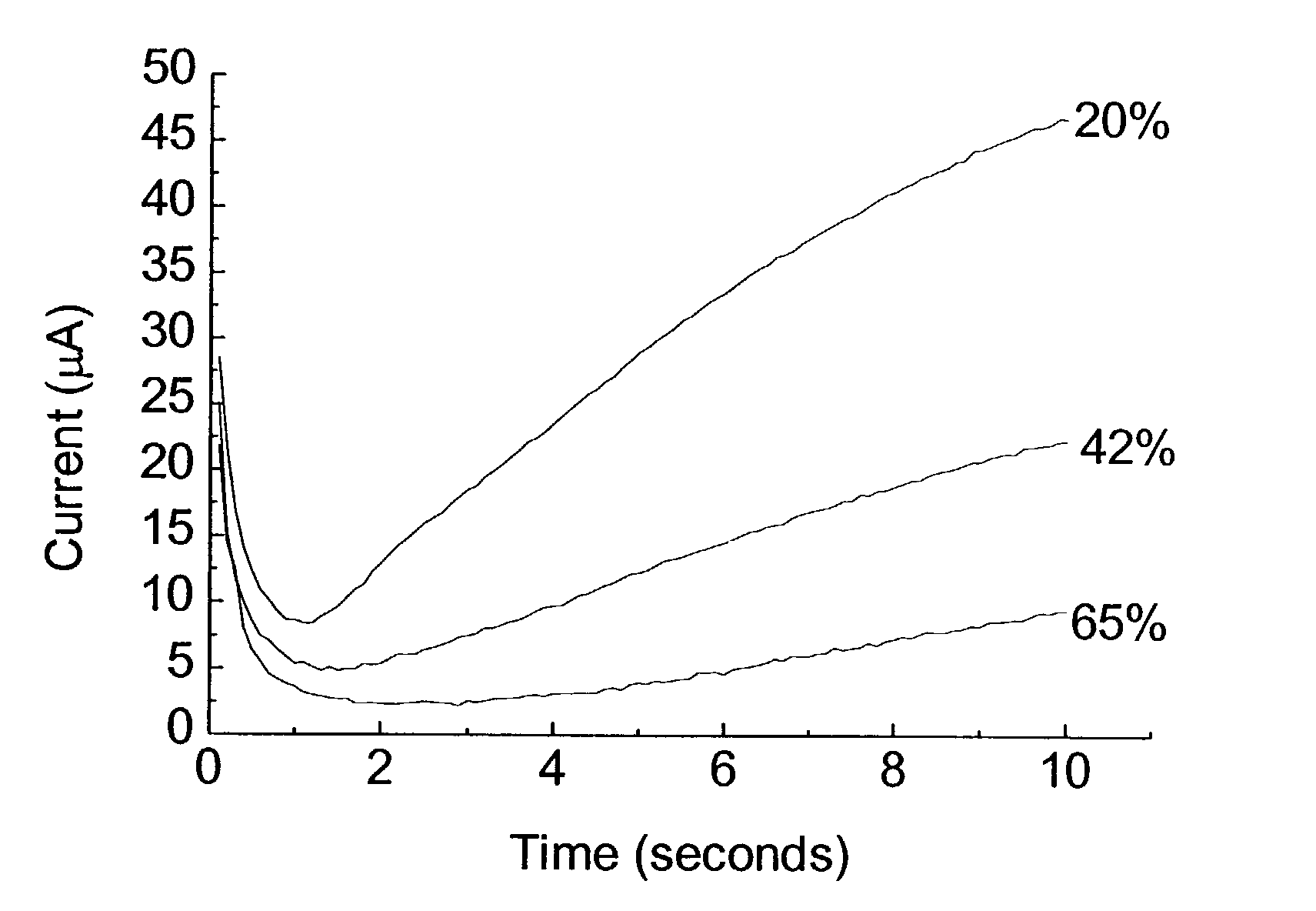
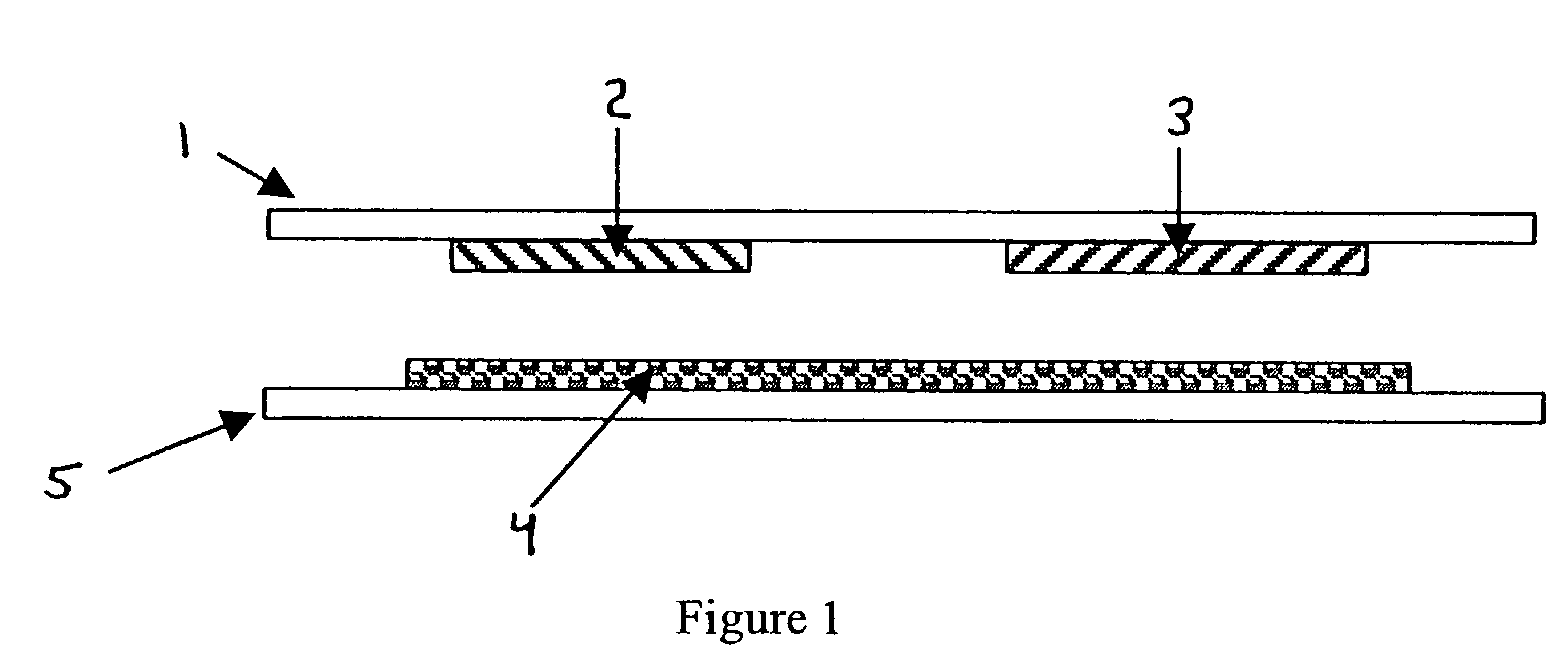
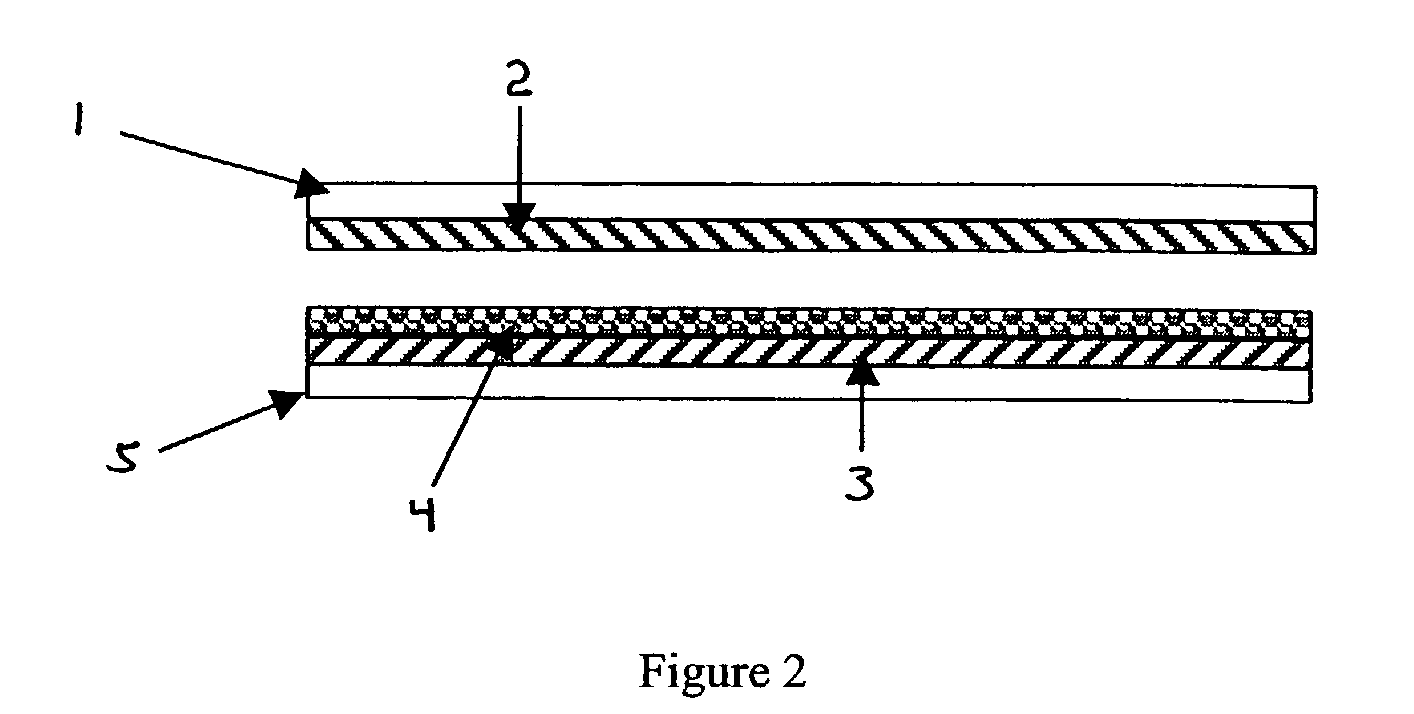
- An electrochemical cell design with a working electrode and a counter electrode spaced sufficiently apart, where the reagent is immobilized at a site remote from the working electrode to control diffusion of electroactive species, allowing for the measurement of current or charge passed to determine the chemical reaction rate, using materials like platinum, palladium, and carbon for the electrodes and a redox mediator like ferricyanide.

Methods for forming magnetically modified electrodes and articles produced thereby
PatentInactiveUS20050213187A1
Innovation
- The development of magnetically modified electrodes with magnetic composites, comprising ion exchange polymers and magnetic microbeads, which create magnetic gradients to enhance the flux of magnetic species and separate them based on magnetic susceptibility, allowing for passive oxygen pressurization and improved flux in fuel cells.


Environmental Regulations for Electrochemical Systems
The regulatory landscape for electrochemical systems has evolved significantly in response to growing environmental concerns and the need for sustainable energy technologies. Current environmental regulations primarily focus on material safety, waste management, and emissions control for electrochemical devices including fuel cells, batteries, and electrolyzers. These regulations vary considerably across different jurisdictions, with the European Union leading through comprehensive frameworks such as the RoHS Directive and REACH regulation, which restrict hazardous substances and require extensive chemical registration processes.
In the United States, the Environmental Protection Agency oversees electrochemical system regulations through multiple acts including the Clean Air Act and the Resource Conservation and Recovery Act. These regulations particularly impact membrane electrode assembly manufacturing, where volatile organic compounds and heavy metals used in catalyst preparation must comply with strict emission standards. The regulatory framework also addresses end-of-life management, requiring manufacturers to establish recycling programs and proper disposal methods for electrochemical components.
Emerging regulations are increasingly focusing on lifecycle environmental impact assessments for electrochemical systems. The European Battery Regulation, implemented in 2023, introduces mandatory carbon footprint declarations and recycling targets that directly affect membrane electrode technologies. Similar regulatory trends are observed in Asia-Pacific regions, where countries like Japan and South Korea have established comprehensive guidelines for electrochemical device environmental performance.
The regulatory environment is becoming more stringent regarding perfluorinated compounds commonly used in membrane technologies. Recent restrictions on PFAS substances have prompted significant research into alternative membrane materials and manufacturing processes. These regulatory changes are driving innovation in environmentally friendly electrode materials and sustainable manufacturing techniques.
Future regulatory developments are expected to emphasize circular economy principles, requiring electrochemical system manufacturers to demonstrate material recovery rates and environmental impact reduction. Compliance with these evolving regulations necessitates continuous monitoring of reaction rate optimization techniques to ensure both performance efficiency and environmental sustainability in membrane electrode systems.
In the United States, the Environmental Protection Agency oversees electrochemical system regulations through multiple acts including the Clean Air Act and the Resource Conservation and Recovery Act. These regulations particularly impact membrane electrode assembly manufacturing, where volatile organic compounds and heavy metals used in catalyst preparation must comply with strict emission standards. The regulatory framework also addresses end-of-life management, requiring manufacturers to establish recycling programs and proper disposal methods for electrochemical components.
Emerging regulations are increasingly focusing on lifecycle environmental impact assessments for electrochemical systems. The European Battery Regulation, implemented in 2023, introduces mandatory carbon footprint declarations and recycling targets that directly affect membrane electrode technologies. Similar regulatory trends are observed in Asia-Pacific regions, where countries like Japan and South Korea have established comprehensive guidelines for electrochemical device environmental performance.
The regulatory environment is becoming more stringent regarding perfluorinated compounds commonly used in membrane technologies. Recent restrictions on PFAS substances have prompted significant research into alternative membrane materials and manufacturing processes. These regulatory changes are driving innovation in environmentally friendly electrode materials and sustainable manufacturing techniques.
Future regulatory developments are expected to emphasize circular economy principles, requiring electrochemical system manufacturers to demonstrate material recovery rates and environmental impact reduction. Compliance with these evolving regulations necessitates continuous monitoring of reaction rate optimization techniques to ensure both performance efficiency and environmental sustainability in membrane electrode systems.
Cost-Benefit Analysis of Advanced Membrane Technologies
The economic evaluation of advanced membrane technologies for electrode applications requires a comprehensive assessment of both capital expenditures and operational costs. Initial investment considerations include membrane material costs, which vary significantly based on composition and manufacturing complexity. Proton exchange membranes typically range from $200-800 per square meter, while advanced ceramic membranes can exceed $1,500 per square meter. Manufacturing equipment and facility setup represent substantial upfront investments, often requiring specialized clean room environments and precision coating systems.
Operational cost analysis reveals that membrane replacement frequency significantly impacts long-term economics. Standard polymer membranes require replacement every 2-3 years under normal operating conditions, while advanced composite membranes may extend operational life to 5-7 years. Energy consumption patterns also influence cost structures, as improved membrane efficiency can reduce overall system power requirements by 15-25%, translating to substantial savings in large-scale applications.
Performance-based economic benefits demonstrate compelling value propositions for advanced membrane technologies. Enhanced reaction rate efficiency directly correlates with increased throughput and reduced processing time. Systems utilizing next-generation membranes show 30-40% improvement in current density compared to conventional alternatives, enabling higher production rates without proportional increases in facility footprint or labor costs.
Risk assessment factors include technology maturity levels and supply chain stability. Emerging membrane technologies may offer superior performance metrics but carry higher implementation risks due to limited commercial track records. Market volatility in raw material costs, particularly for rare earth elements used in specialized membranes, introduces additional economic uncertainties that must be factored into long-term financial projections.
Return on investment calculations typically show payback periods of 3-5 years for advanced membrane implementations in industrial applications. However, this timeline can be significantly shortened in high-value applications where performance improvements directly translate to revenue generation, such as in pharmaceutical manufacturing or specialty chemical production processes.
Operational cost analysis reveals that membrane replacement frequency significantly impacts long-term economics. Standard polymer membranes require replacement every 2-3 years under normal operating conditions, while advanced composite membranes may extend operational life to 5-7 years. Energy consumption patterns also influence cost structures, as improved membrane efficiency can reduce overall system power requirements by 15-25%, translating to substantial savings in large-scale applications.
Performance-based economic benefits demonstrate compelling value propositions for advanced membrane technologies. Enhanced reaction rate efficiency directly correlates with increased throughput and reduced processing time. Systems utilizing next-generation membranes show 30-40% improvement in current density compared to conventional alternatives, enabling higher production rates without proportional increases in facility footprint or labor costs.
Risk assessment factors include technology maturity levels and supply chain stability. Emerging membrane technologies may offer superior performance metrics but carry higher implementation risks due to limited commercial track records. Market volatility in raw material costs, particularly for rare earth elements used in specialized membranes, introduces additional economic uncertainties that must be factored into long-term financial projections.
Return on investment calculations typically show payback periods of 3-5 years for advanced membrane implementations in industrial applications. However, this timeline can be significantly shortened in high-value applications where performance improvements directly translate to revenue generation, such as in pharmaceutical manufacturing or specialty chemical production processes.
Unlock deeper insights with Patsnap Eureka Quick Research — get a full tech report to explore trends and direct your research. Try now!
Generate Your Research Report Instantly with AI Agent
Supercharge your innovation with Patsnap Eureka AI Agent Platform!