

Applying CF4 in Cloud Computing Infrastructure: Energy Savings
MAR 20, 20269 MIN READ
Generate Your Research Report Instantly with AI Agent
PatSnap Eureka helps you evaluate technical feasibility & market potential.
CF4 Cloud Computing Background and Energy Goals
Cloud computing infrastructure has experienced unprecedented growth over the past two decades, evolving from simple virtualization concepts to complex distributed systems that power modern digital economies. This evolution has been driven by increasing demands for scalable, flexible, and cost-effective computing resources. However, the rapid expansion of cloud services has brought significant energy consumption challenges, with data centers now accounting for approximately 1-2% of global electricity usage.
The integration of CF4 (Carbon Tetrafluoride) technology into cloud computing infrastructure represents an emerging approach to address energy efficiency concerns. CF4, traditionally used in semiconductor manufacturing and as a refrigerant, possesses unique thermodynamic properties that make it potentially valuable for advanced cooling systems in high-density computing environments. Its exceptional heat transfer capabilities and chemical stability offer promising applications in next-generation thermal management solutions.
Current cloud computing infrastructure faces mounting pressure to reduce energy consumption while maintaining performance standards. Traditional air-cooling systems are reaching their efficiency limits as processor densities increase and computational demands grow. The industry has witnessed a gradual shift toward liquid cooling solutions, immersion cooling technologies, and advanced heat exchanger systems to manage thermal loads more effectively.
The primary energy goals for CF4 implementation in cloud computing infrastructure center on achieving substantial reductions in cooling-related power consumption, which typically represents 30-40% of total data center energy usage. Target objectives include reducing Power Usage Effectiveness (PUE) ratios from industry averages of 1.5-1.8 to below 1.2, while simultaneously improving computational density and system reliability.
Secondary objectives encompass enhancing thermal management precision to enable higher processor utilization rates and reducing the need for redundant cooling infrastructure. The technology aims to support the industry's broader sustainability commitments, including carbon neutrality goals and renewable energy integration initiatives that major cloud service providers have established for the coming decade.
The strategic implementation of CF4 technology aligns with the industry's transition toward more sustainable computing paradigms, where energy efficiency becomes a competitive differentiator rather than merely a cost consideration. This technological approach represents a convergence of advanced materials science with practical infrastructure optimization needs.
The integration of CF4 (Carbon Tetrafluoride) technology into cloud computing infrastructure represents an emerging approach to address energy efficiency concerns. CF4, traditionally used in semiconductor manufacturing and as a refrigerant, possesses unique thermodynamic properties that make it potentially valuable for advanced cooling systems in high-density computing environments. Its exceptional heat transfer capabilities and chemical stability offer promising applications in next-generation thermal management solutions.
Current cloud computing infrastructure faces mounting pressure to reduce energy consumption while maintaining performance standards. Traditional air-cooling systems are reaching their efficiency limits as processor densities increase and computational demands grow. The industry has witnessed a gradual shift toward liquid cooling solutions, immersion cooling technologies, and advanced heat exchanger systems to manage thermal loads more effectively.
The primary energy goals for CF4 implementation in cloud computing infrastructure center on achieving substantial reductions in cooling-related power consumption, which typically represents 30-40% of total data center energy usage. Target objectives include reducing Power Usage Effectiveness (PUE) ratios from industry averages of 1.5-1.8 to below 1.2, while simultaneously improving computational density and system reliability.
Secondary objectives encompass enhancing thermal management precision to enable higher processor utilization rates and reducing the need for redundant cooling infrastructure. The technology aims to support the industry's broader sustainability commitments, including carbon neutrality goals and renewable energy integration initiatives that major cloud service providers have established for the coming decade.
The strategic implementation of CF4 technology aligns with the industry's transition toward more sustainable computing paradigms, where energy efficiency becomes a competitive differentiator rather than merely a cost consideration. This technological approach represents a convergence of advanced materials science with practical infrastructure optimization needs.
Market Demand for Energy-Efficient Cloud Infrastructure
The global cloud computing market continues to experience unprecedented growth, driven by digital transformation initiatives across industries and the increasing adoption of remote work models. This expansion has created substantial demand for energy-efficient cloud infrastructure solutions as organizations seek to balance performance requirements with environmental sustainability goals and operational cost optimization.
Enterprise customers are increasingly prioritizing energy efficiency in their cloud infrastructure procurement decisions. Large corporations face mounting pressure from stakeholders, regulatory bodies, and environmental compliance requirements to reduce their carbon footprint. This has translated into specific technical requirements for cloud service providers to demonstrate measurable energy savings and sustainability metrics in their infrastructure offerings.
Data center operators represent another critical market segment driving demand for energy-efficient solutions. With electricity costs accounting for a significant portion of operational expenses, these operators actively seek technologies that can reduce power consumption while maintaining or improving cooling efficiency. The rising costs of energy and stricter environmental regulations in key markets have intensified this demand.
Government and public sector organizations have emerged as influential market drivers through policy initiatives and procurement requirements that mandate energy efficiency standards for cloud infrastructure. These policies create cascading effects throughout the supply chain, compelling private sector adoption of similar standards to remain competitive in government contracts.
The hyperscale cloud providers segment demonstrates particularly strong demand for innovative energy-saving technologies. These organizations operate massive data centers where even marginal efficiency improvements can result in substantial cost savings and environmental impact reductions. Their scale creates opportunities for rapid technology adoption and market validation.
Small and medium-sized enterprises increasingly recognize energy efficiency as a competitive differentiator when selecting cloud services. Cost-conscious organizations view energy-efficient infrastructure as a means to achieve predictable operational expenses while supporting corporate sustainability initiatives that enhance brand reputation and customer loyalty.
The market demand extends beyond immediate cost savings to encompass long-term strategic considerations. Organizations seek future-proof infrastructure solutions that can adapt to evolving environmental regulations and sustainability reporting requirements while supporting business growth objectives.
Enterprise customers are increasingly prioritizing energy efficiency in their cloud infrastructure procurement decisions. Large corporations face mounting pressure from stakeholders, regulatory bodies, and environmental compliance requirements to reduce their carbon footprint. This has translated into specific technical requirements for cloud service providers to demonstrate measurable energy savings and sustainability metrics in their infrastructure offerings.
Data center operators represent another critical market segment driving demand for energy-efficient solutions. With electricity costs accounting for a significant portion of operational expenses, these operators actively seek technologies that can reduce power consumption while maintaining or improving cooling efficiency. The rising costs of energy and stricter environmental regulations in key markets have intensified this demand.
Government and public sector organizations have emerged as influential market drivers through policy initiatives and procurement requirements that mandate energy efficiency standards for cloud infrastructure. These policies create cascading effects throughout the supply chain, compelling private sector adoption of similar standards to remain competitive in government contracts.
The hyperscale cloud providers segment demonstrates particularly strong demand for innovative energy-saving technologies. These organizations operate massive data centers where even marginal efficiency improvements can result in substantial cost savings and environmental impact reductions. Their scale creates opportunities for rapid technology adoption and market validation.
Small and medium-sized enterprises increasingly recognize energy efficiency as a competitive differentiator when selecting cloud services. Cost-conscious organizations view energy-efficient infrastructure as a means to achieve predictable operational expenses while supporting corporate sustainability initiatives that enhance brand reputation and customer loyalty.
The market demand extends beyond immediate cost savings to encompass long-term strategic considerations. Organizations seek future-proof infrastructure solutions that can adapt to evolving environmental regulations and sustainability reporting requirements while supporting business growth objectives.
Current State and Challenges of CF4 in Data Centers
CF4 (carbon tetrafluoride) has emerged as a promising dielectric gas for electrical equipment in data centers, offering superior insulation properties compared to traditional alternatives like SF6. Currently, CF4 is primarily deployed in high-voltage switchgear, transformers, and gas-insulated substations within cloud computing facilities. Major cloud service providers including Amazon Web Services, Microsoft Azure, and Google Cloud have begun pilot implementations of CF4-based electrical systems in select data centers across North America and Europe.
The adoption rate of CF4 technology in data centers remains relatively low, with less than 5% of global facilities incorporating CF4-based systems as of 2024. Most implementations are concentrated in regions with stringent environmental regulations, particularly in the European Union and parts of Asia-Pacific. The technology distribution shows significant geographical variation, with Nordic countries leading adoption due to their focus on sustainable data center operations and favorable regulatory frameworks.
Several technical challenges currently limit widespread CF4 deployment in cloud computing infrastructure. The primary constraint involves the high initial capital investment required for CF4-compatible equipment, which can be 30-40% more expensive than conventional alternatives. Additionally, the limited availability of CF4-certified technicians and maintenance specialists creates operational bottlenecks for data center operators seeking to implement this technology.
Equipment compatibility represents another significant hurdle, as existing electrical infrastructure often requires substantial modifications or complete replacement to accommodate CF4 systems. The gas handling and recovery systems necessary for CF4 operations demand specialized storage facilities and safety protocols, adding complexity to data center design and operations. Furthermore, the long-term stability of CF4 under varying temperature and humidity conditions in data center environments requires additional research and validation.
Regulatory uncertainty poses additional challenges, as CF4 classification and handling requirements vary significantly across different jurisdictions. While CF4 offers lower global warming potential compared to SF6, regulatory bodies continue to evaluate its environmental impact, creating hesitation among data center operators regarding long-term compliance requirements. Supply chain limitations also constrain adoption, with only a handful of manufacturers currently producing CF4-grade gas suitable for electrical applications.
Despite these challenges, ongoing technological developments show promise for addressing current limitations. Advanced gas recovery systems and improved equipment designs are gradually reducing operational complexity and costs associated with CF4 implementation in data center environments.
The adoption rate of CF4 technology in data centers remains relatively low, with less than 5% of global facilities incorporating CF4-based systems as of 2024. Most implementations are concentrated in regions with stringent environmental regulations, particularly in the European Union and parts of Asia-Pacific. The technology distribution shows significant geographical variation, with Nordic countries leading adoption due to their focus on sustainable data center operations and favorable regulatory frameworks.
Several technical challenges currently limit widespread CF4 deployment in cloud computing infrastructure. The primary constraint involves the high initial capital investment required for CF4-compatible equipment, which can be 30-40% more expensive than conventional alternatives. Additionally, the limited availability of CF4-certified technicians and maintenance specialists creates operational bottlenecks for data center operators seeking to implement this technology.
Equipment compatibility represents another significant hurdle, as existing electrical infrastructure often requires substantial modifications or complete replacement to accommodate CF4 systems. The gas handling and recovery systems necessary for CF4 operations demand specialized storage facilities and safety protocols, adding complexity to data center design and operations. Furthermore, the long-term stability of CF4 under varying temperature and humidity conditions in data center environments requires additional research and validation.
Regulatory uncertainty poses additional challenges, as CF4 classification and handling requirements vary significantly across different jurisdictions. While CF4 offers lower global warming potential compared to SF6, regulatory bodies continue to evaluate its environmental impact, creating hesitation among data center operators regarding long-term compliance requirements. Supply chain limitations also constrain adoption, with only a handful of manufacturers currently producing CF4-grade gas suitable for electrical applications.
Despite these challenges, ongoing technological developments show promise for addressing current limitations. Advanced gas recovery systems and improved equipment designs are gradually reducing operational complexity and costs associated with CF4 implementation in data center environments.
Existing CF4 Solutions for Cloud Energy Optimization
01 CF4 abatement systems for semiconductor manufacturing
Technologies focused on reducing CF4 emissions during semiconductor fabrication processes through abatement systems that decompose or capture CF4 gas before release. These systems utilize thermal, catalytic, or plasma-based methods to break down CF4 molecules, significantly reducing greenhouse gas emissions and improving energy efficiency in semiconductor manufacturing facilities.- CF4 abatement systems for semiconductor manufacturing: Technologies focused on reducing CF4 emissions during semiconductor fabrication processes through abatement systems that decompose or capture CF4 gases. These systems utilize thermal, catalytic, or plasma-based methods to break down CF4 into less harmful compounds, significantly reducing greenhouse gas emissions and improving energy efficiency in semiconductor manufacturing facilities.
- Energy recovery from CF4 treatment processes: Methods for recovering and reusing energy generated during CF4 abatement and treatment processes. These approaches capture heat energy produced during the decomposition of CF4 and convert it into usable forms, improving overall system efficiency and reducing operational costs associated with CF4 emission control.
- Optimized plasma chamber designs for reduced CF4 consumption: Advanced plasma chamber configurations and process control methods that minimize CF4 usage in etching and cleaning operations. These designs incorporate improved gas flow patterns, enhanced plasma generation efficiency, and precise process parameter control to reduce the amount of CF4 required while maintaining process quality.
- CF4 recycling and reclamation systems: Technologies for capturing, purifying, and recycling CF4 gases from manufacturing processes. These systems separate and recover unreacted CF4 from exhaust streams, purify it to required specifications, and return it to the process, thereby reducing fresh CF4 consumption and associated energy costs.
- Alternative chemistries to replace CF4 usage: Development of substitute gases and chemical processes that reduce or eliminate the need for CF4 in industrial applications. These alternatives offer comparable performance characteristics while providing better energy efficiency profiles and lower environmental impact, enabling facilities to achieve energy savings through process substitution.
02 Energy recovery from CF4 treatment processes
Methods for recovering and reusing energy generated during CF4 abatement and treatment processes. These approaches capture thermal energy produced during CF4 decomposition reactions and convert it into usable forms, improving overall system efficiency and reducing operational costs associated with CF4 emission control.Expand Specific Solutions03 Optimized plasma chamber designs for reduced CF4 consumption
Innovations in plasma chamber architecture and operational parameters that minimize CF4 gas usage during etching and cleaning processes. These designs incorporate improved gas flow dynamics, enhanced plasma generation efficiency, and optimized process recipes to achieve desired results with lower CF4 volumes.Expand Specific Solutions04 CF4 recycling and reclamation systems
Technologies for capturing, purifying, and recycling CF4 gas from manufacturing processes for reuse. These systems employ separation techniques, purification methods, and storage solutions that enable CF4 to be recovered from exhaust streams and returned to production processes, reducing both emissions and fresh gas consumption.Expand Specific Solutions05 Alternative chemistries and process modifications to reduce CF4 dependency
Development of substitute gases, alternative process chemistries, and modified manufacturing procedures that reduce or eliminate CF4 usage. These innovations include replacement fluorinated compounds with lower global warming potential, process optimization techniques, and equipment modifications that achieve similar manufacturing outcomes with reduced environmental impact.Expand Specific Solutions
Key Players in CF4 Cloud Infrastructure Industry
The cloud computing infrastructure sector for CF4 energy savings applications is in its early development stage, characterized by emerging market opportunities and nascent technology adoption. The market remains relatively small but shows significant growth potential as organizations increasingly prioritize energy efficiency in data centers. Technology maturity varies considerably across different player categories. Academic institutions like South China University of Technology, Nanchang University, and King Abdulaziz University are conducting foundational research, while established technology companies such as IBM, Intel, and Amazon Technologies are exploring practical implementations. State Grid companies including State Grid Corp. of China and regional subsidiaries are investigating grid-level applications. Cloud service providers like Huawei Cloud Computing Technology are beginning to integrate energy-saving solutions. The competitive landscape suggests the technology is transitioning from research phase to early commercial deployment, with significant opportunities for innovation and market leadership.
International Business Machines Corp.
Technical Solution: IBM has developed comprehensive CF4-based cooling solutions for cloud data centers, implementing liquid cooling systems that utilize CF4's superior thermal properties to achieve 40-50% energy reduction in cooling operations. Their approach combines CF4 immersion cooling with AI-driven thermal management systems, enabling dynamic temperature control and optimized heat dissipation across server racks. The technology integrates with IBM's cloud infrastructure management platform to provide real-time monitoring and automated cooling adjustments based on workload demands.
Strengths: Proven enterprise-scale implementation, integrated AI management, significant energy savings. Weaknesses: High initial investment costs, complex maintenance requirements for CF4 systems.
Intel Corp.
Technical Solution: Intel has pioneered CF4-enhanced processor cooling technologies specifically designed for cloud computing environments, developing specialized heat sinks and thermal interface materials that leverage CF4's exceptional heat transfer capabilities. Their solution includes CF4-based vapor chamber cooling systems integrated directly into server processors, achieving 35% improvement in thermal efficiency while reducing overall data center cooling energy consumption by 25-30%. The technology is optimized for Intel's Xeon processors used in cloud infrastructure, providing enhanced performance under high-density computing loads.
Strengths: Hardware-level integration, optimized for high-performance processors, proven thermal efficiency gains. Weaknesses: Limited to Intel-based systems, requires specialized CF4 handling infrastructure.
Core CF4 Innovations for Data Center Cooling
Suggesting migration to a cloud computing infrastructure
PatentInactiveUS20130205007A1
Innovation
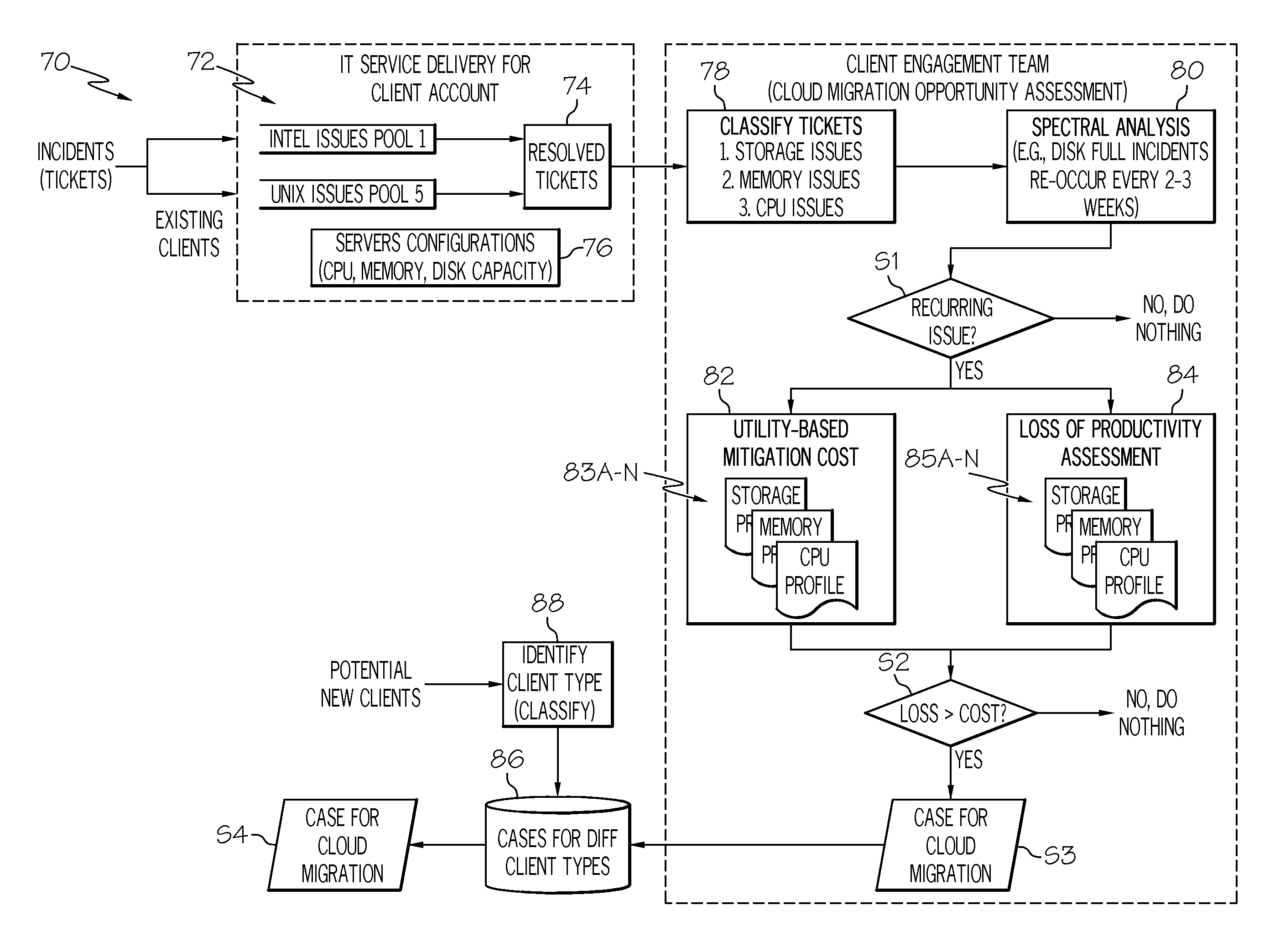
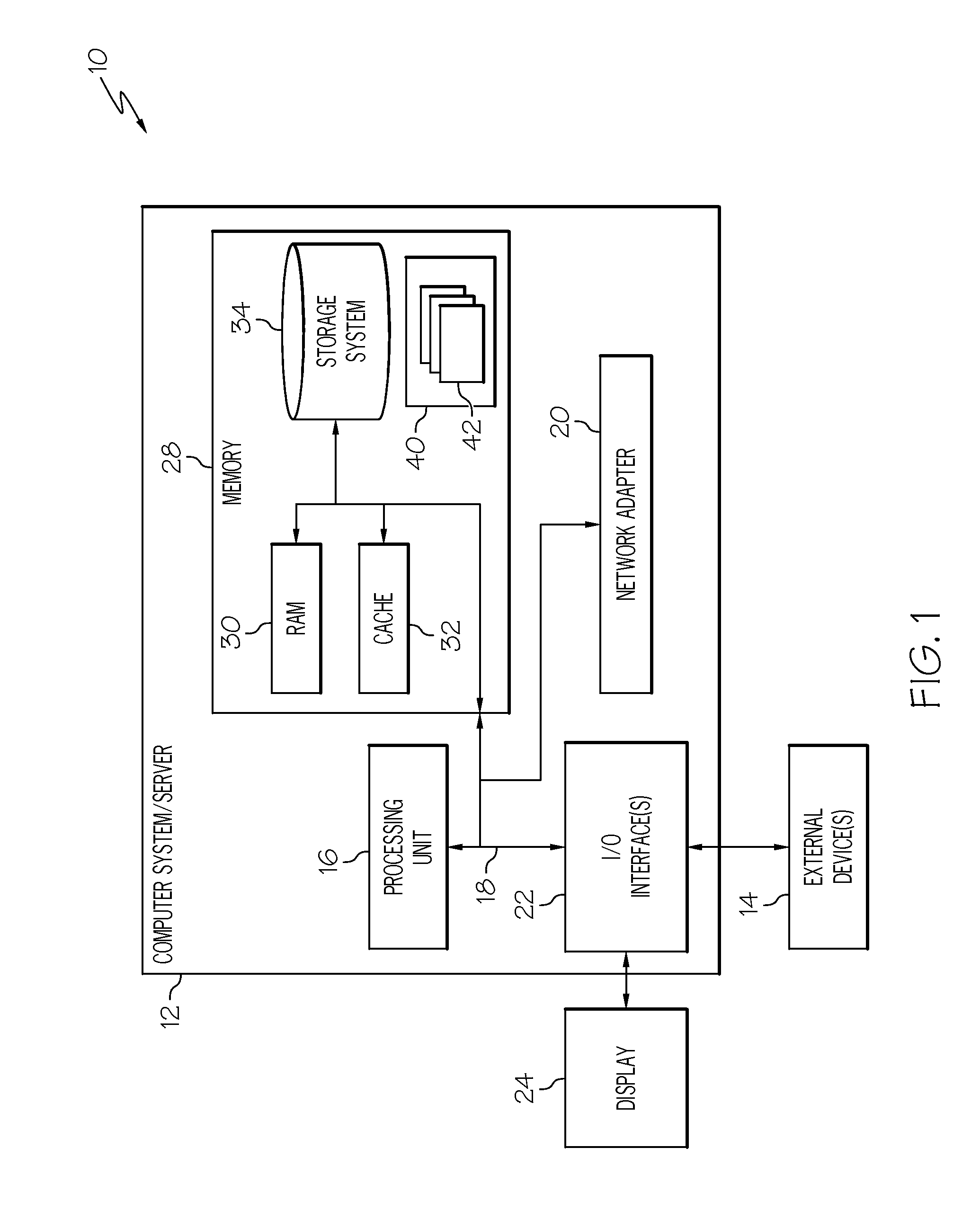
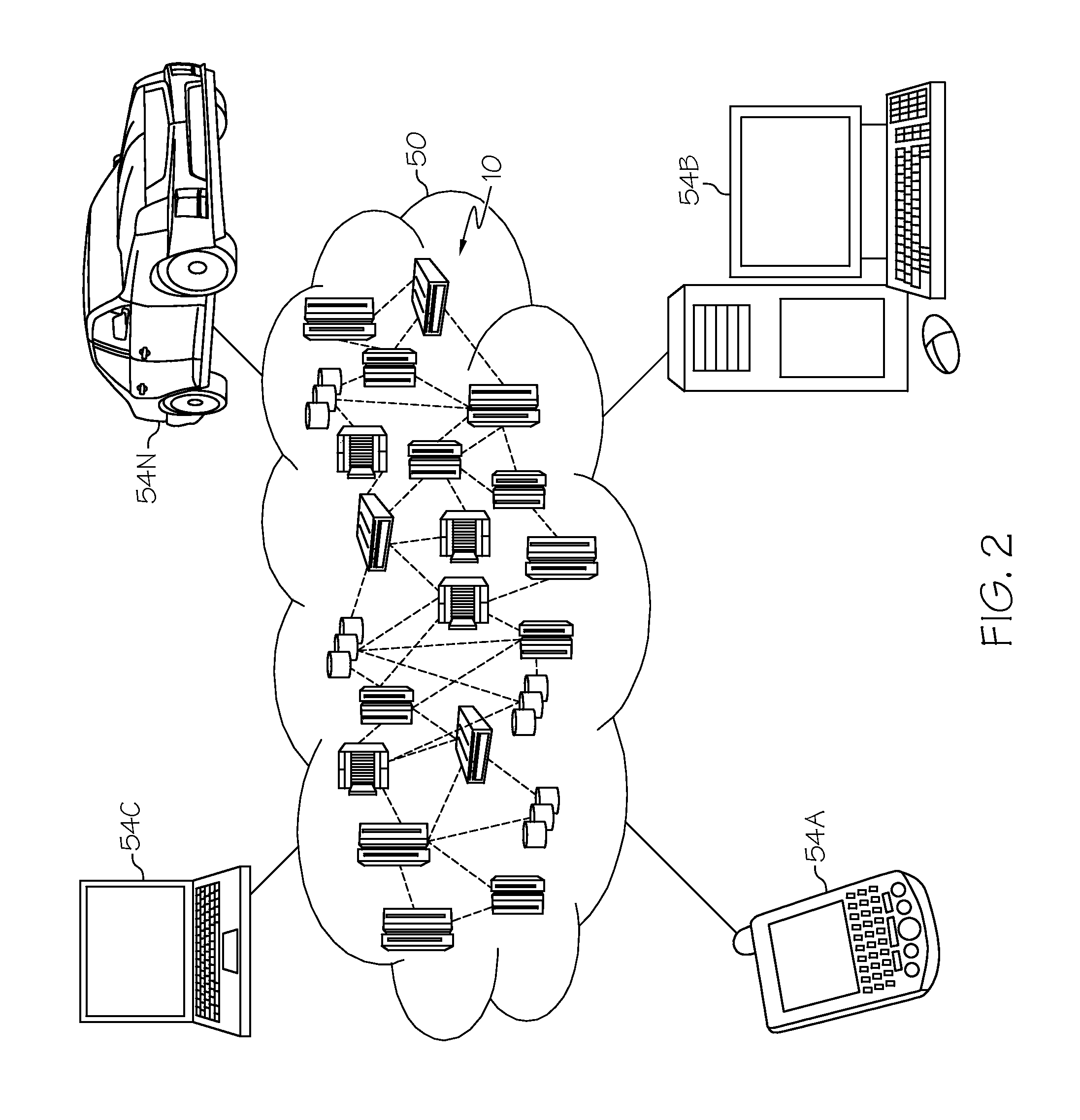
- Analyzing historical incident data to identify recurring problems and determining if these can be mitigated more cost-effectively in a cloud computing infrastructure, generating a report that outlines the benefits of migration.

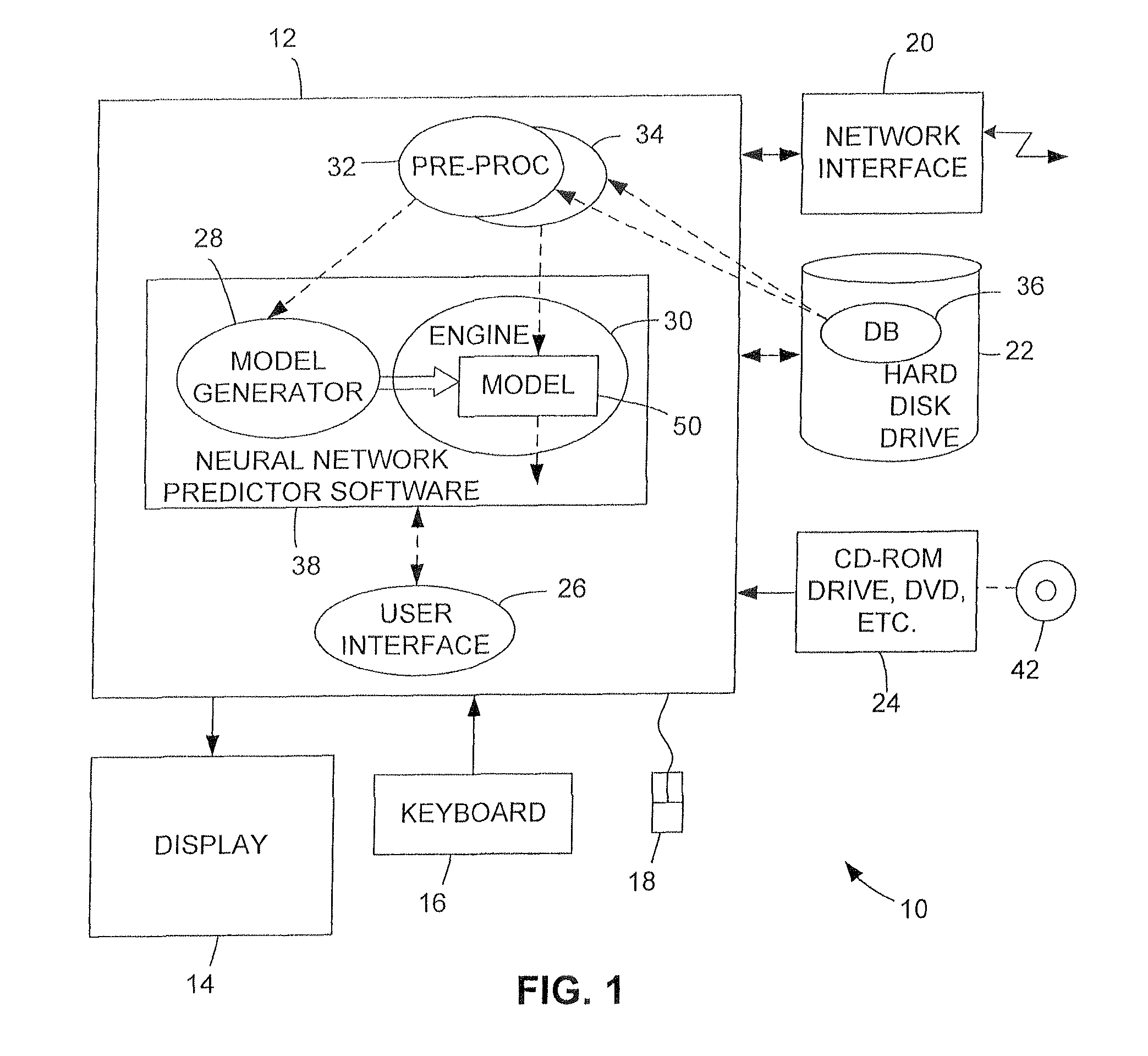
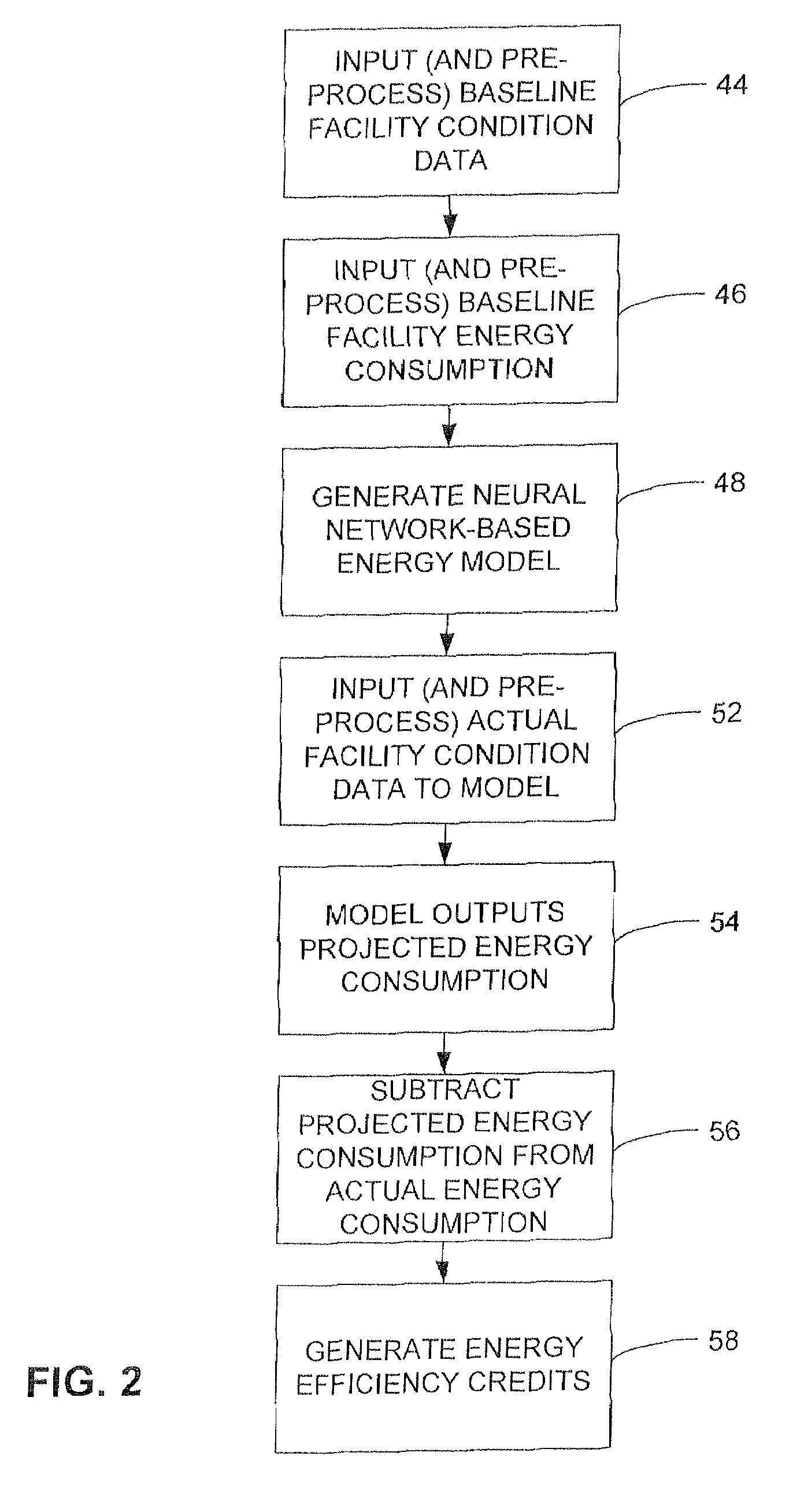
Method and apparatus for determining energy savings by using a baseline energy use model that incorporates an artificial intelligence algorithm
PatentActiveUS7881889B2
Innovation
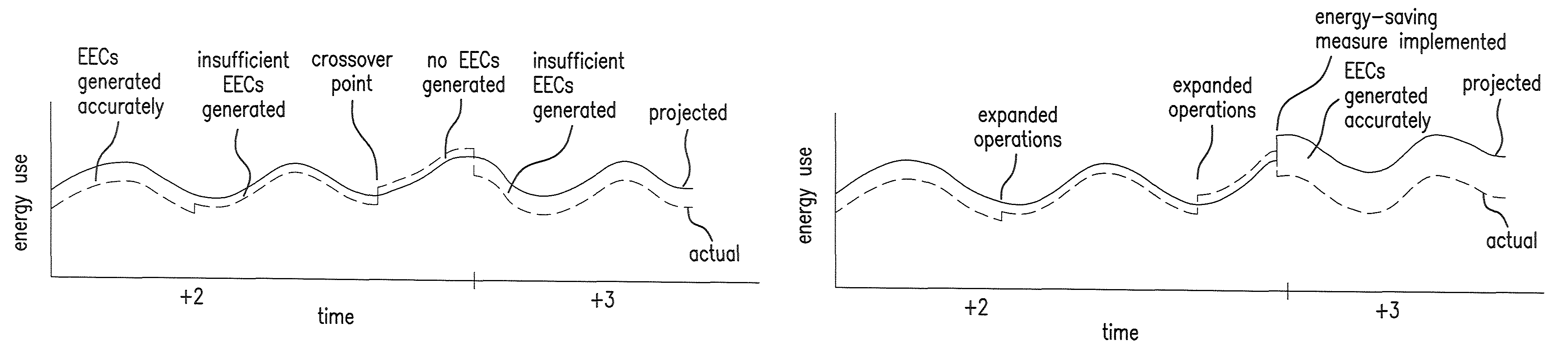
- An artificial intelligence-based energy use model, specifically a neural network model, is used to calculate baseline energy use and estimate energy savings by inputting baseline facility condition and energy consumption data, allowing for accurate determination of energy savings through a computer-based system.

Environmental Regulations for CF4 Usage in Computing
The regulatory landscape surrounding CF4 usage in cloud computing infrastructure is becoming increasingly complex as environmental concerns intensify globally. CF4, while offering significant energy efficiency benefits in cooling systems and electrical insulation applications, faces stringent oversight due to its classification as a potent greenhouse gas with a global warming potential approximately 7,390 times greater than CO2.
Current international frameworks primarily operate under the Montreal Protocol's amendments and the Kyoto Protocol's provisions, which establish baseline restrictions on fluorinated gas emissions. The European Union's F-Gas Regulation 517/2014 sets specific quotas and phase-down schedules for high-GWP substances, directly impacting data center operators utilizing CF4-based cooling solutions. These regulations mandate comprehensive reporting mechanisms, leak detection protocols, and certified technician requirements for handling CF4 systems.
Regional variations in regulatory approaches create additional complexity for multinational cloud service providers. The United States Environmental Protection Agency enforces reporting requirements under the Greenhouse Gas Reporting Program, while individual states like California implement more restrictive measures through their cap-and-trade programs. Asian markets, particularly Japan and South Korea, have established similar monitoring frameworks with varying enforcement mechanisms and penalty structures.
Emerging regulatory trends indicate a shift toward performance-based standards rather than substance-specific bans. Proposed legislation in several jurisdictions focuses on overall carbon intensity metrics for data centers, potentially allowing CF4 usage if net energy savings demonstrate measurable environmental benefits. This approach recognizes the complex trade-offs between direct emissions and indirect energy consumption reductions.
Compliance requirements are evolving to include lifecycle assessments, mandatory offset programs, and technology transition timelines. Organizations must navigate permit applications, environmental impact assessments, and regular auditing processes while maintaining operational efficiency. The regulatory trajectory suggests increasing emphasis on circular economy principles, requiring CF4 recovery and recycling capabilities in future computing infrastructure deployments.
Current international frameworks primarily operate under the Montreal Protocol's amendments and the Kyoto Protocol's provisions, which establish baseline restrictions on fluorinated gas emissions. The European Union's F-Gas Regulation 517/2014 sets specific quotas and phase-down schedules for high-GWP substances, directly impacting data center operators utilizing CF4-based cooling solutions. These regulations mandate comprehensive reporting mechanisms, leak detection protocols, and certified technician requirements for handling CF4 systems.
Regional variations in regulatory approaches create additional complexity for multinational cloud service providers. The United States Environmental Protection Agency enforces reporting requirements under the Greenhouse Gas Reporting Program, while individual states like California implement more restrictive measures through their cap-and-trade programs. Asian markets, particularly Japan and South Korea, have established similar monitoring frameworks with varying enforcement mechanisms and penalty structures.
Emerging regulatory trends indicate a shift toward performance-based standards rather than substance-specific bans. Proposed legislation in several jurisdictions focuses on overall carbon intensity metrics for data centers, potentially allowing CF4 usage if net energy savings demonstrate measurable environmental benefits. This approach recognizes the complex trade-offs between direct emissions and indirect energy consumption reductions.
Compliance requirements are evolving to include lifecycle assessments, mandatory offset programs, and technology transition timelines. Organizations must navigate permit applications, environmental impact assessments, and regular auditing processes while maintaining operational efficiency. The regulatory trajectory suggests increasing emphasis on circular economy principles, requiring CF4 recovery and recycling capabilities in future computing infrastructure deployments.
Sustainability Impact of CF4 in Cloud Infrastructure
The implementation of CF4 in cloud computing infrastructure presents a complex sustainability paradigm that requires careful evaluation of both environmental benefits and potential risks. While CF4 applications in cooling systems and fire suppression can deliver significant energy efficiency improvements, the compound's extremely high global warming potential of 7,390 times that of CO2 demands rigorous environmental stewardship throughout its lifecycle.
From a carbon footprint perspective, CF4-enabled energy savings in data centers can substantially reduce operational emissions. Advanced cooling systems utilizing CF4's superior thermodynamic properties can achieve 15-25% energy reduction compared to traditional refrigerants, translating to meaningful decreases in scope 2 emissions from electricity consumption. However, this benefit is contingent upon zero-leakage operations, as even minimal CF4 releases can negate years of energy-related carbon savings.
The circular economy implications of CF4 deployment require comprehensive consideration of material flows and end-of-life management. Effective CF4 recovery and recycling systems must be integrated into infrastructure design from the outset, ensuring that decommissioned equipment undergoes proper refrigerant recapture. Industry best practices indicate that closed-loop systems with continuous monitoring can achieve leak rates below 0.1% annually, maintaining the sustainability value proposition.
Regulatory compliance frameworks increasingly emphasize the precautionary principle regarding high-GWP substances. The EU F-Gas Regulation and similar policies worldwide are driving phase-down schedules that may impact long-term CF4 availability and cost structures. Cloud infrastructure operators must therefore balance immediate energy efficiency gains against future regulatory constraints and potential stranded asset risks.
The broader environmental justice considerations encompass both local air quality improvements from reduced energy consumption and global climate impact mitigation. Data centers implementing CF4-based efficiency measures contribute to grid-level demand reduction, potentially decreasing reliance on peak-load fossil fuel generation. This systemic benefit extends beyond individual facility boundaries, supporting regional decarbonization objectives while maintaining critical digital infrastructure reliability and performance standards.
From a carbon footprint perspective, CF4-enabled energy savings in data centers can substantially reduce operational emissions. Advanced cooling systems utilizing CF4's superior thermodynamic properties can achieve 15-25% energy reduction compared to traditional refrigerants, translating to meaningful decreases in scope 2 emissions from electricity consumption. However, this benefit is contingent upon zero-leakage operations, as even minimal CF4 releases can negate years of energy-related carbon savings.
The circular economy implications of CF4 deployment require comprehensive consideration of material flows and end-of-life management. Effective CF4 recovery and recycling systems must be integrated into infrastructure design from the outset, ensuring that decommissioned equipment undergoes proper refrigerant recapture. Industry best practices indicate that closed-loop systems with continuous monitoring can achieve leak rates below 0.1% annually, maintaining the sustainability value proposition.
Regulatory compliance frameworks increasingly emphasize the precautionary principle regarding high-GWP substances. The EU F-Gas Regulation and similar policies worldwide are driving phase-down schedules that may impact long-term CF4 availability and cost structures. Cloud infrastructure operators must therefore balance immediate energy efficiency gains against future regulatory constraints and potential stranded asset risks.
The broader environmental justice considerations encompass both local air quality improvements from reduced energy consumption and global climate impact mitigation. Data centers implementing CF4-based efficiency measures contribute to grid-level demand reduction, potentially decreasing reliance on peak-load fossil fuel generation. This systemic benefit extends beyond individual facility boundaries, supporting regional decarbonization objectives while maintaining critical digital infrastructure reliability and performance standards.
Unlock deeper insights with PatSnap Eureka Quick Research — get a full tech report to explore trends and direct your research. Try now!
Generate Your Research Report Instantly with AI Agent
Supercharge your innovation with PatSnap Eureka AI Agent Platform!