

Applying Smart Algorithms To Haptic Signal Analysis
APR 20, 20269 MIN READ
Generate Your Research Report Instantly with AI Agent
PatSnap Eureka helps you evaluate technical feasibility & market potential.
Haptic Algorithm Background and Objectives
Haptic technology has evolved from simple vibration feedback mechanisms to sophisticated tactile communication systems that bridge the gap between digital and physical interactions. The field emerged in the 1960s with early force feedback devices and has progressively advanced through mechanical, electromagnetic, and now smart algorithm-driven approaches. This evolution reflects humanity's persistent quest to enhance human-computer interaction through the sense of touch, creating more immersive and intuitive digital experiences.
The integration of smart algorithms into haptic signal analysis represents a paradigm shift from traditional rule-based processing to adaptive, intelligent systems. Machine learning algorithms, particularly deep learning networks, have demonstrated remarkable capabilities in pattern recognition, signal classification, and real-time processing of complex haptic data streams. These algorithms can identify subtle tactile patterns, predict user intentions, and generate contextually appropriate haptic responses with unprecedented accuracy and responsiveness.
Current technological trends indicate a convergence of artificial intelligence, sensor miniaturization, and advanced materials science in haptic applications. Neural networks are increasingly employed for gesture recognition, surface texture simulation, and force feedback optimization. Reinforcement learning algorithms enable haptic systems to adapt to individual user preferences and behaviors, while convolutional neural networks excel at processing spatial haptic information from multi-point touch interfaces.
The primary objective of applying smart algorithms to haptic signal analysis centers on achieving real-time, high-fidelity tactile feedback that seamlessly integrates with human sensory perception. This involves developing algorithms capable of processing complex multi-dimensional haptic data, including force vectors, surface textures, temperature variations, and temporal dynamics. The goal extends beyond mere signal processing to creating intelligent systems that can interpret user intent, predict desired interactions, and generate appropriate tactile responses.
Another critical objective involves enhancing the precision and efficiency of haptic signal interpretation across diverse application domains. Smart algorithms must demonstrate robustness in handling noisy sensor data, adapting to varying environmental conditions, and maintaining consistent performance across different hardware platforms. The ultimate aim is to create haptic systems that feel natural and intuitive to users while providing rich, informative tactile feedback that enhances task performance and user satisfaction in applications ranging from medical robotics to virtual reality environments.
The integration of smart algorithms into haptic signal analysis represents a paradigm shift from traditional rule-based processing to adaptive, intelligent systems. Machine learning algorithms, particularly deep learning networks, have demonstrated remarkable capabilities in pattern recognition, signal classification, and real-time processing of complex haptic data streams. These algorithms can identify subtle tactile patterns, predict user intentions, and generate contextually appropriate haptic responses with unprecedented accuracy and responsiveness.
Current technological trends indicate a convergence of artificial intelligence, sensor miniaturization, and advanced materials science in haptic applications. Neural networks are increasingly employed for gesture recognition, surface texture simulation, and force feedback optimization. Reinforcement learning algorithms enable haptic systems to adapt to individual user preferences and behaviors, while convolutional neural networks excel at processing spatial haptic information from multi-point touch interfaces.
The primary objective of applying smart algorithms to haptic signal analysis centers on achieving real-time, high-fidelity tactile feedback that seamlessly integrates with human sensory perception. This involves developing algorithms capable of processing complex multi-dimensional haptic data, including force vectors, surface textures, temperature variations, and temporal dynamics. The goal extends beyond mere signal processing to creating intelligent systems that can interpret user intent, predict desired interactions, and generate appropriate tactile responses.
Another critical objective involves enhancing the precision and efficiency of haptic signal interpretation across diverse application domains. Smart algorithms must demonstrate robustness in handling noisy sensor data, adapting to varying environmental conditions, and maintaining consistent performance across different hardware platforms. The ultimate aim is to create haptic systems that feel natural and intuitive to users while providing rich, informative tactile feedback that enhances task performance and user satisfaction in applications ranging from medical robotics to virtual reality environments.
Market Demand for Smart Haptic Solutions
The global haptic technology market is experiencing unprecedented growth driven by the convergence of artificial intelligence, machine learning, and tactile feedback systems. Smart haptic solutions are becoming increasingly essential across multiple industries as digital transformation accelerates and user experience expectations evolve. The integration of intelligent algorithms with haptic signal processing represents a critical technological advancement that addresses growing demands for more sophisticated and responsive touch-based interfaces.
Consumer electronics manufacturers are driving substantial demand for smart haptic solutions, particularly in smartphones, tablets, and wearable devices. The shift toward buttonless designs and immersive user interfaces has created a pressing need for advanced haptic feedback systems that can simulate various textures, pressures, and tactile sensations. Gaming and entertainment sectors are equally demanding, seeking haptic technologies that can provide realistic force feedback and enhance virtual reality experiences through intelligent signal processing.
Healthcare applications represent one of the fastest-growing market segments for smart haptic solutions. Medical device manufacturers require precise tactile feedback systems for surgical simulators, rehabilitation equipment, and telemedicine applications. The ability to analyze and interpret haptic signals using smart algorithms enables more accurate force measurement, improved training effectiveness, and enhanced remote diagnostic capabilities.
Automotive industry demand continues to expand as vehicle manufacturers integrate advanced human-machine interfaces into their designs. Smart haptic solutions enable safer driver interactions with infotainment systems, navigation controls, and autonomous vehicle interfaces. The technology allows for contextual feedback that adapts to driving conditions and user preferences through intelligent signal analysis.
Industrial automation and robotics sectors are increasingly adopting smart haptic technologies for applications requiring precise force control and tactile sensing. Manufacturing processes benefit from haptic-enabled quality control systems, while collaborative robots require sophisticated touch sensing capabilities to safely interact with human workers.
The market demand is further amplified by emerging applications in augmented reality, virtual training systems, and remote operation technologies. These applications require real-time haptic signal processing capabilities that can adapt to dynamic environments and provide meaningful tactile feedback across various operational contexts.
Consumer electronics manufacturers are driving substantial demand for smart haptic solutions, particularly in smartphones, tablets, and wearable devices. The shift toward buttonless designs and immersive user interfaces has created a pressing need for advanced haptic feedback systems that can simulate various textures, pressures, and tactile sensations. Gaming and entertainment sectors are equally demanding, seeking haptic technologies that can provide realistic force feedback and enhance virtual reality experiences through intelligent signal processing.
Healthcare applications represent one of the fastest-growing market segments for smart haptic solutions. Medical device manufacturers require precise tactile feedback systems for surgical simulators, rehabilitation equipment, and telemedicine applications. The ability to analyze and interpret haptic signals using smart algorithms enables more accurate force measurement, improved training effectiveness, and enhanced remote diagnostic capabilities.
Automotive industry demand continues to expand as vehicle manufacturers integrate advanced human-machine interfaces into their designs. Smart haptic solutions enable safer driver interactions with infotainment systems, navigation controls, and autonomous vehicle interfaces. The technology allows for contextual feedback that adapts to driving conditions and user preferences through intelligent signal analysis.
Industrial automation and robotics sectors are increasingly adopting smart haptic technologies for applications requiring precise force control and tactile sensing. Manufacturing processes benefit from haptic-enabled quality control systems, while collaborative robots require sophisticated touch sensing capabilities to safely interact with human workers.
The market demand is further amplified by emerging applications in augmented reality, virtual training systems, and remote operation technologies. These applications require real-time haptic signal processing capabilities that can adapt to dynamic environments and provide meaningful tactile feedback across various operational contexts.
Current Haptic Signal Processing Challenges
Haptic signal processing faces significant computational complexity challenges when dealing with real-time tactile feedback systems. Traditional signal processing methods struggle to handle the multi-dimensional nature of haptic data, which encompasses force, texture, temperature, and vibration information simultaneously. The computational overhead required for processing these complex signals often leads to latency issues that compromise the user experience in applications such as virtual reality, robotic surgery, and teleoperation systems.
Signal noise and interference present another critical challenge in haptic signal analysis. Haptic sensors are particularly susceptible to environmental disturbances, electromagnetic interference, and mechanical vibrations that can corrupt the original tactile information. Current filtering techniques often fail to distinguish between meaningful haptic signals and unwanted noise, especially in dynamic environments where signal characteristics change rapidly. This limitation significantly impacts the accuracy and reliability of haptic feedback systems.
The heterogeneity of haptic devices and sensors creates substantial standardization challenges across the industry. Different manufacturers employ varying signal formats, sampling rates, and data structures, making it difficult to develop universal processing algorithms. This fragmentation leads to compatibility issues and increases development costs for applications that need to support multiple haptic devices simultaneously.
Real-time processing requirements impose severe constraints on current haptic signal processing systems. Many applications demand sub-millisecond response times to maintain the illusion of natural touch interaction. However, existing algorithms often require extensive computational resources and processing time, creating bottlenecks that prevent seamless real-time operation. This challenge is particularly pronounced in mobile and embedded systems with limited processing capabilities.
Data fusion and integration challenges arise when combining haptic signals with other sensory modalities such as visual and auditory feedback. Current processing methods lack sophisticated mechanisms to correlate and synchronize multi-modal sensory data effectively. This limitation restricts the development of comprehensive immersive experiences and reduces the overall effectiveness of haptic applications.
Adaptive signal processing represents another significant challenge, as current systems struggle to adjust their processing parameters based on changing user preferences, environmental conditions, or application requirements. The lack of intelligent adaptation mechanisms results in suboptimal performance across different usage scenarios and user demographics, limiting the widespread adoption of haptic technologies in consumer applications.
Signal noise and interference present another critical challenge in haptic signal analysis. Haptic sensors are particularly susceptible to environmental disturbances, electromagnetic interference, and mechanical vibrations that can corrupt the original tactile information. Current filtering techniques often fail to distinguish between meaningful haptic signals and unwanted noise, especially in dynamic environments where signal characteristics change rapidly. This limitation significantly impacts the accuracy and reliability of haptic feedback systems.
The heterogeneity of haptic devices and sensors creates substantial standardization challenges across the industry. Different manufacturers employ varying signal formats, sampling rates, and data structures, making it difficult to develop universal processing algorithms. This fragmentation leads to compatibility issues and increases development costs for applications that need to support multiple haptic devices simultaneously.
Real-time processing requirements impose severe constraints on current haptic signal processing systems. Many applications demand sub-millisecond response times to maintain the illusion of natural touch interaction. However, existing algorithms often require extensive computational resources and processing time, creating bottlenecks that prevent seamless real-time operation. This challenge is particularly pronounced in mobile and embedded systems with limited processing capabilities.
Data fusion and integration challenges arise when combining haptic signals with other sensory modalities such as visual and auditory feedback. Current processing methods lack sophisticated mechanisms to correlate and synchronize multi-modal sensory data effectively. This limitation restricts the development of comprehensive immersive experiences and reduces the overall effectiveness of haptic applications.
Adaptive signal processing represents another significant challenge, as current systems struggle to adjust their processing parameters based on changing user preferences, environmental conditions, or application requirements. The lack of intelligent adaptation mechanisms results in suboptimal performance across different usage scenarios and user demographics, limiting the widespread adoption of haptic technologies in consumer applications.
Existing Smart Haptic Signal Analysis Methods
01 Machine learning algorithms for signal processing and classification
Advanced machine learning techniques are employed to analyze and classify various types of signals. These algorithms can automatically extract features from raw signal data and perform pattern recognition tasks. The methods include supervised and unsupervised learning approaches that improve signal interpretation accuracy and enable automated decision-making based on signal characteristics.- Machine learning algorithms for signal processing and classification: Advanced machine learning techniques are employed to analyze and classify various types of signals. These algorithms can automatically extract features from raw signal data, identify patterns, and perform classification tasks. The methods include neural networks, deep learning architectures, and supervised learning approaches that improve signal recognition accuracy and enable automated decision-making in complex signal environments.
- Adaptive signal filtering and noise reduction techniques: Smart algorithms are utilized to implement adaptive filtering methods that can dynamically adjust to changing signal conditions and effectively reduce noise interference. These techniques employ intelligent processing methods to enhance signal quality by separating desired signals from background noise and interference. The algorithms can learn from signal characteristics and automatically optimize filtering parameters to maintain high signal-to-noise ratios across different operating conditions.
- Real-time signal monitoring and anomaly detection: Intelligent algorithms enable continuous monitoring of signal streams and automatic detection of anomalies or abnormal patterns. These systems can process signals in real-time, identify deviations from normal behavior, and trigger alerts when unusual conditions are detected. The algorithms utilize statistical analysis, pattern recognition, and predictive modeling to distinguish between normal signal variations and genuine anomalies that require attention.
- Multi-dimensional signal analysis and feature extraction: Advanced computational methods are applied to analyze signals across multiple dimensions and extract relevant features for further processing. These algorithms can handle complex signal structures, perform time-frequency analysis, and identify key characteristics that are important for signal interpretation. The techniques enable comprehensive signal understanding by examining various signal properties simultaneously and extracting meaningful information from high-dimensional data.
- Intelligent signal prediction and forecasting systems: Predictive algorithms are developed to forecast future signal behavior based on historical data and identified patterns. These systems use time-series analysis, regression models, and artificial intelligence techniques to predict signal trends and anticipate future states. The algorithms can adapt to changing conditions and improve prediction accuracy over time through continuous learning, enabling proactive decision-making and system optimization.
02 Deep learning neural networks for signal analysis
Deep neural network architectures are utilized for complex signal analysis tasks. These systems can process multi-dimensional signal data and identify intricate patterns that traditional methods might miss. The approaches include convolutional neural networks and recurrent neural networks specifically designed for temporal and spatial signal processing applications.Expand Specific Solutions03 Real-time signal monitoring and anomaly detection
Smart algorithms enable continuous monitoring of signal streams and automatic detection of anomalies or irregular patterns. These systems can identify deviations from normal signal behavior in real-time and trigger alerts or corrective actions. The technology incorporates adaptive thresholding and statistical analysis methods to minimize false positives while maintaining high detection sensitivity.Expand Specific Solutions04 Signal enhancement and noise reduction techniques
Intelligent algorithms are applied to improve signal quality by reducing noise and enhancing relevant signal components. These methods use adaptive filtering, wavelet transforms, and other signal processing techniques to separate useful information from interference. The approaches can automatically adjust parameters based on signal characteristics to optimize the enhancement process.Expand Specific Solutions05 Multi-modal signal fusion and integration
Advanced algorithms combine information from multiple signal sources or modalities to provide comprehensive analysis results. These fusion techniques can integrate data from different sensors or signal types to improve overall system performance and reliability. The methods employ sophisticated correlation and synchronization algorithms to align and merge heterogeneous signal data effectively.Expand Specific Solutions
Key Players in Smart Haptic Industry
The haptic signal analysis technology landscape is in a rapid growth phase, driven by expanding applications across consumer electronics, automotive, and VR/AR sectors. The market demonstrates significant scale potential with established players like Immersion Corp. leading specialized haptic solutions, while tech giants including Meta Platforms, Sony Group, and LG Electronics integrate haptic capabilities into their broader product ecosystems. Technology maturity varies considerably across the competitive landscape - semiconductor specialists like Goodix Technology and Dongwoon Anatech provide foundational components, consumer device manufacturers such as Honor Device, Xiaomi, and Razer implement haptic features in smartphones and gaming peripherals, while automotive leaders Mercedes-Benz, Ford Global Technologies, Hyundai Motor, and Kia Corp. advance tactile feedback systems for vehicle interfaces. Academic institutions like Tianjin University and Tongji University contribute fundamental research, indicating strong innovation pipeline support for continued technological advancement.
Immersion Corp.
Technical Solution: Immersion Corporation is a pioneer in haptic technology, developing advanced smart algorithms for haptic signal analysis and processing. Their technology stack includes machine learning-based haptic pattern recognition systems that can analyze complex tactile feedback signals in real-time. The company's algorithms utilize neural networks to classify different types of haptic events, enabling more precise and responsive touch experiences across various devices. Their smart signal processing techniques incorporate adaptive filtering and predictive modeling to optimize haptic response timing and intensity based on user interaction patterns and device characteristics.
Strengths: Industry-leading expertise in haptic technology with extensive patent portfolio and proven commercial applications. Weaknesses: Limited integration with emerging AI frameworks and dependency on proprietary hardware solutions.
Goodix Technology (HK) Co. Ltd.
Technical Solution: Goodix has developed smart algorithms for haptic signal analysis integrated into their touch controller and fingerprint sensor solutions. Their technology focuses on analyzing touch patterns and pressure variations to enhance user interface experiences on mobile devices and other consumer electronics. The company's algorithms employ signal processing techniques to filter noise and improve haptic feedback accuracy, utilizing machine learning models to adapt to different user interaction styles. Their smart analysis systems can distinguish between intentional touches and accidental contacts, optimizing device responsiveness and power consumption through intelligent haptic signal interpretation and processing.
Strengths: Strong focus on mobile and consumer electronics with cost-effective solutions and high-volume manufacturing capabilities. Weaknesses: Limited scope compared to specialized haptic companies and focus primarily on touch-based applications rather than complex haptic systems.
Core AI Innovations in Haptic Processing
Haptic analysis device, haptic information provision system, haptic analysis method, and haptic analysis program
PatentWO2021111964A1
Innovation
- The approach involves dividing target information into equal intervals, calculating multiple types of tactile features in each interval, and performing diversity analysis using a tactile feature calculation unit to analyze the tactile quality of the entire information set while reflecting characteristics in each interval.


Haptic signal generating method and device using audio signal pattern
PatentActiveUS20210383661A1
Innovation
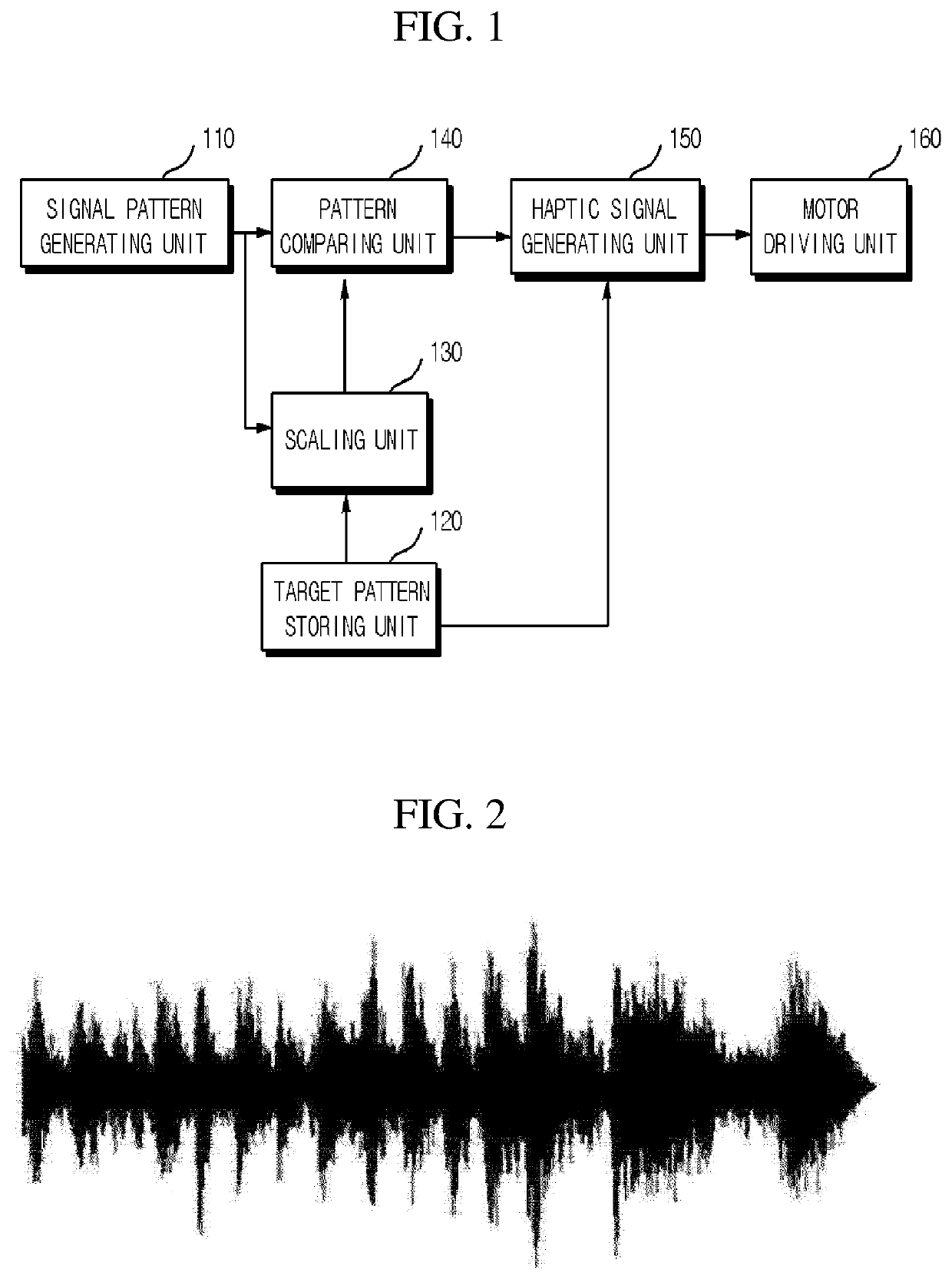
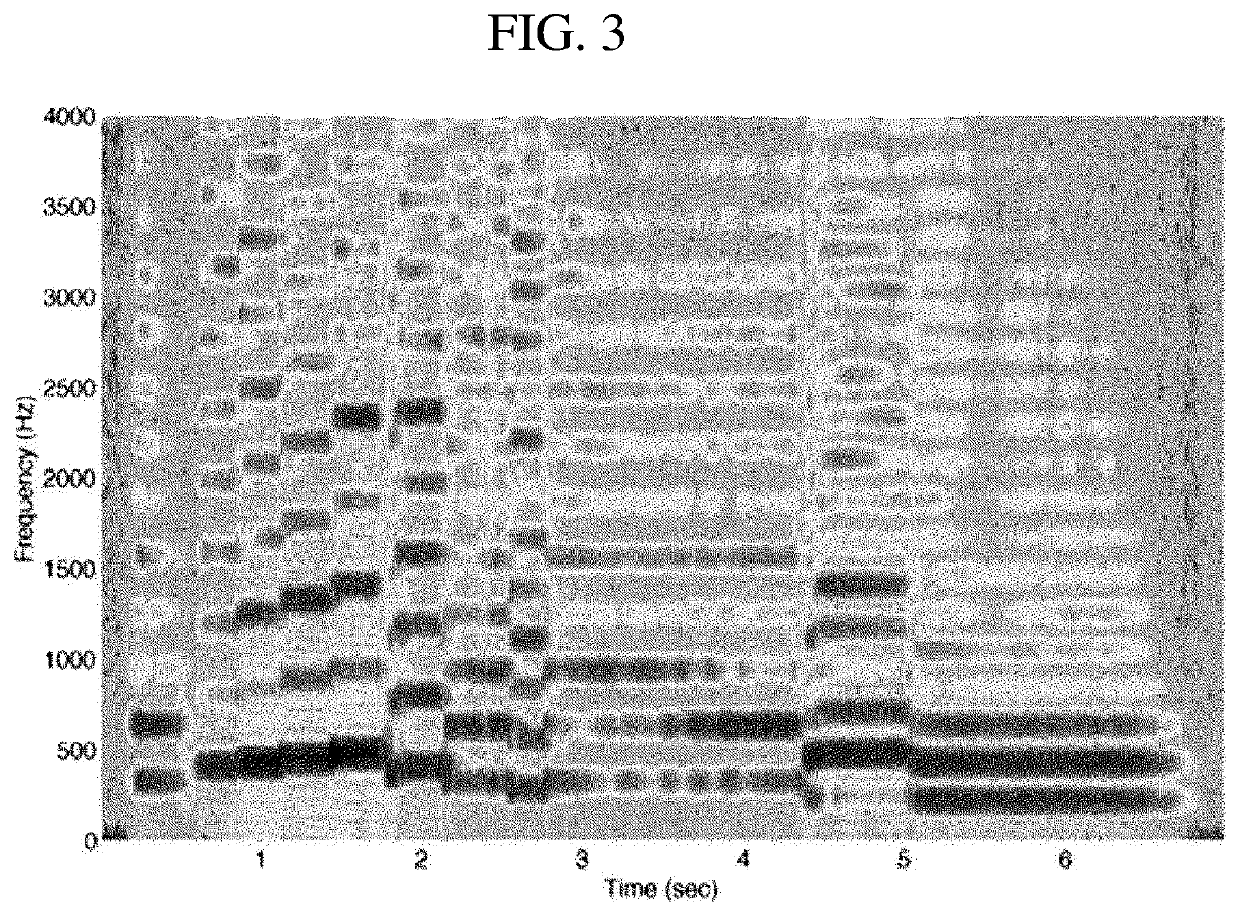
- A method and device that analyze audio signals to generate signal patterns in time and frequency bands, compare these patterns with target patterns, and produce haptic signals only when a matching rate exceeds a threshold, thereby reducing unwanted haptic outputs and enhancing user input responsiveness.

Real-time Processing Requirements Analysis
Real-time processing requirements for haptic signal analysis present unique challenges that distinguish this domain from traditional signal processing applications. Haptic systems demand exceptionally low latency to maintain the illusion of natural touch interaction, typically requiring end-to-end processing delays of less than 1 millisecond for force feedback applications and under 20 milliseconds for tactile feedback systems. This stringent timing constraint necessitates careful consideration of computational complexity when implementing smart algorithms.
The temporal characteristics of haptic signals impose specific sampling rate requirements that directly impact processing demands. Force feedback systems typically operate at 1 kHz sampling rates, while tactile systems may require rates up to 10 kHz or higher for high-fidelity applications. Smart algorithms must be designed to process these high-frequency data streams continuously without introducing perceptible delays that could break the haptic illusion or cause system instability.
Memory bandwidth and computational resource allocation become critical factors when deploying machine learning algorithms for haptic analysis. Real-time constraints limit the feasibility of complex deep learning models that require extensive matrix operations or large memory footprints. Instead, optimized algorithms such as lightweight neural networks, efficient filtering techniques, and streamlined feature extraction methods must be employed to meet processing deadlines while maintaining analytical accuracy.
Hardware acceleration emerges as a fundamental requirement for achieving real-time performance in haptic signal analysis. Graphics Processing Units (GPUs), Field-Programmable Gate Arrays (FPGAs), and specialized Digital Signal Processors (DSPs) offer parallel processing capabilities essential for handling multiple haptic channels simultaneously. The selection of appropriate hardware platforms must balance computational power, power consumption, and cost considerations while ensuring deterministic processing behavior.
Buffering strategies and data flow management play crucial roles in maintaining consistent real-time performance. Circular buffers, double-buffering techniques, and predictive processing approaches help mitigate timing variations and ensure smooth haptic rendering. Smart algorithms must be designed with these architectural considerations in mind, incorporating adaptive processing techniques that can dynamically adjust computational load based on available processing time and system resources.
The temporal characteristics of haptic signals impose specific sampling rate requirements that directly impact processing demands. Force feedback systems typically operate at 1 kHz sampling rates, while tactile systems may require rates up to 10 kHz or higher for high-fidelity applications. Smart algorithms must be designed to process these high-frequency data streams continuously without introducing perceptible delays that could break the haptic illusion or cause system instability.
Memory bandwidth and computational resource allocation become critical factors when deploying machine learning algorithms for haptic analysis. Real-time constraints limit the feasibility of complex deep learning models that require extensive matrix operations or large memory footprints. Instead, optimized algorithms such as lightweight neural networks, efficient filtering techniques, and streamlined feature extraction methods must be employed to meet processing deadlines while maintaining analytical accuracy.
Hardware acceleration emerges as a fundamental requirement for achieving real-time performance in haptic signal analysis. Graphics Processing Units (GPUs), Field-Programmable Gate Arrays (FPGAs), and specialized Digital Signal Processors (DSPs) offer parallel processing capabilities essential for handling multiple haptic channels simultaneously. The selection of appropriate hardware platforms must balance computational power, power consumption, and cost considerations while ensuring deterministic processing behavior.
Buffering strategies and data flow management play crucial roles in maintaining consistent real-time performance. Circular buffers, double-buffering techniques, and predictive processing approaches help mitigate timing variations and ensure smooth haptic rendering. Smart algorithms must be designed with these architectural considerations in mind, incorporating adaptive processing techniques that can dynamically adjust computational load based on available processing time and system resources.
Human-Machine Interface Standards
The standardization of human-machine interfaces for haptic signal analysis represents a critical foundation for ensuring interoperability, safety, and performance consistency across diverse applications. Current standards landscape encompasses multiple international organizations including ISO, IEEE, and IEC, each contributing specific protocols for tactile feedback systems, force measurement, and signal processing methodologies.
ISO 9241 series provides fundamental guidelines for ergonomic requirements in human-system interaction, establishing baseline parameters for haptic device design and user experience metrics. The standard defines force feedback thresholds, tactile resolution requirements, and temporal response specifications that directly impact smart algorithm implementation. These specifications ensure that haptic systems maintain consistent performance across different hardware platforms and software implementations.
IEEE 1918.1 standard specifically addresses tactile internet protocols, establishing communication frameworks for real-time haptic data transmission. This standard defines packet structures, latency requirements, and quality of service parameters essential for smart algorithm deployment in networked haptic systems. The protocol specifications enable seamless integration of machine learning algorithms with distributed haptic networks while maintaining sub-millisecond response times.
Safety standards such as IEC 62304 and ISO 14971 govern medical haptic applications, establishing rigorous testing protocols and risk management frameworks. These standards mandate specific validation procedures for smart algorithms used in surgical robotics and rehabilitation devices, ensuring patient safety while enabling innovative signal processing techniques.
Emerging standardization efforts focus on artificial intelligence integration within haptic systems. The IEEE P2857 working group is developing standards for AI-enabled haptic interfaces, addressing algorithm transparency, performance benchmarking, and ethical considerations. These evolving standards will establish testing methodologies for machine learning algorithms in haptic applications, defining metrics for accuracy, reliability, and user safety.
Compliance with these standards requires comprehensive documentation of algorithm performance, validation testing results, and risk assessment procedures, creating a structured framework for deploying smart algorithms in commercial haptic systems while ensuring regulatory approval and market acceptance.
ISO 9241 series provides fundamental guidelines for ergonomic requirements in human-system interaction, establishing baseline parameters for haptic device design and user experience metrics. The standard defines force feedback thresholds, tactile resolution requirements, and temporal response specifications that directly impact smart algorithm implementation. These specifications ensure that haptic systems maintain consistent performance across different hardware platforms and software implementations.
IEEE 1918.1 standard specifically addresses tactile internet protocols, establishing communication frameworks for real-time haptic data transmission. This standard defines packet structures, latency requirements, and quality of service parameters essential for smart algorithm deployment in networked haptic systems. The protocol specifications enable seamless integration of machine learning algorithms with distributed haptic networks while maintaining sub-millisecond response times.
Safety standards such as IEC 62304 and ISO 14971 govern medical haptic applications, establishing rigorous testing protocols and risk management frameworks. These standards mandate specific validation procedures for smart algorithms used in surgical robotics and rehabilitation devices, ensuring patient safety while enabling innovative signal processing techniques.
Emerging standardization efforts focus on artificial intelligence integration within haptic systems. The IEEE P2857 working group is developing standards for AI-enabled haptic interfaces, addressing algorithm transparency, performance benchmarking, and ethical considerations. These evolving standards will establish testing methodologies for machine learning algorithms in haptic applications, defining metrics for accuracy, reliability, and user safety.
Compliance with these standards requires comprehensive documentation of algorithm performance, validation testing results, and risk assessment procedures, creating a structured framework for deploying smart algorithms in commercial haptic systems while ensuring regulatory approval and market acceptance.
Unlock deeper insights with PatSnap Eureka Quick Research — get a full tech report to explore trends and direct your research. Try now!
Generate Your Research Report Instantly with AI Agent
Supercharge your innovation with PatSnap Eureka AI Agent Platform!