

Artificial Intelligence in Manufacturing Cost Optimization
FEB 28, 20269 MIN READ
Generate Your Research Report Instantly with AI Agent
PatSnap Eureka helps you evaluate technical feasibility & market potential.
AI Manufacturing Cost Background and Objectives
The manufacturing industry has undergone significant transformation over the past century, evolving from manual labor-intensive processes to highly automated systems. This evolution has been driven by the constant pursuit of operational efficiency, quality improvement, and cost reduction. Traditional manufacturing cost optimization relied heavily on lean manufacturing principles, statistical process control, and enterprise resource planning systems. However, these conventional approaches often struggled with the complexity of modern manufacturing environments, where multiple variables interact simultaneously across global supply chains.
The emergence of artificial intelligence represents a paradigmatic shift in manufacturing cost optimization capabilities. AI technologies, including machine learning, deep learning, and predictive analytics, offer unprecedented opportunities to analyze vast amounts of manufacturing data in real-time. These technologies can identify patterns and correlations that were previously invisible to human analysts, enabling more sophisticated cost optimization strategies that adapt dynamically to changing conditions.
Manufacturing cost optimization encompasses multiple dimensions including raw material procurement, production scheduling, inventory management, quality control, maintenance planning, and supply chain coordination. Traditional optimization methods typically addressed these areas in isolation, leading to suboptimal overall performance. AI-driven approaches enable holistic optimization by considering the interdependencies between different cost factors and operational parameters simultaneously.
The primary objective of implementing AI in manufacturing cost optimization is to achieve sustainable competitive advantage through intelligent automation of decision-making processes. This involves developing predictive models that can forecast cost implications of various operational decisions, optimize resource allocation in real-time, and identify opportunities for process improvements that may not be apparent through conventional analysis methods.
Key technical objectives include establishing robust data integration frameworks that can consolidate information from diverse manufacturing systems, developing machine learning algorithms capable of processing multi-dimensional manufacturing data, and creating adaptive optimization engines that continuously learn from operational feedback. These systems must demonstrate measurable improvements in cost efficiency while maintaining or enhancing product quality and delivery performance.
The strategic goal extends beyond immediate cost reduction to building intelligent manufacturing ecosystems that can respond proactively to market changes, supply disruptions, and evolving customer demands while maintaining optimal cost structures throughout these transitions.
The emergence of artificial intelligence represents a paradigmatic shift in manufacturing cost optimization capabilities. AI technologies, including machine learning, deep learning, and predictive analytics, offer unprecedented opportunities to analyze vast amounts of manufacturing data in real-time. These technologies can identify patterns and correlations that were previously invisible to human analysts, enabling more sophisticated cost optimization strategies that adapt dynamically to changing conditions.
Manufacturing cost optimization encompasses multiple dimensions including raw material procurement, production scheduling, inventory management, quality control, maintenance planning, and supply chain coordination. Traditional optimization methods typically addressed these areas in isolation, leading to suboptimal overall performance. AI-driven approaches enable holistic optimization by considering the interdependencies between different cost factors and operational parameters simultaneously.
The primary objective of implementing AI in manufacturing cost optimization is to achieve sustainable competitive advantage through intelligent automation of decision-making processes. This involves developing predictive models that can forecast cost implications of various operational decisions, optimize resource allocation in real-time, and identify opportunities for process improvements that may not be apparent through conventional analysis methods.
Key technical objectives include establishing robust data integration frameworks that can consolidate information from diverse manufacturing systems, developing machine learning algorithms capable of processing multi-dimensional manufacturing data, and creating adaptive optimization engines that continuously learn from operational feedback. These systems must demonstrate measurable improvements in cost efficiency while maintaining or enhancing product quality and delivery performance.
The strategic goal extends beyond immediate cost reduction to building intelligent manufacturing ecosystems that can respond proactively to market changes, supply disruptions, and evolving customer demands while maintaining optimal cost structures throughout these transitions.
Market Demand for AI-Driven Manufacturing Cost Solutions
The global manufacturing sector faces unprecedented pressure to optimize operational costs while maintaining quality standards and production efficiency. Traditional cost reduction approaches, primarily focused on labor arbitrage and material sourcing optimization, have reached their practical limits in many industries. Manufacturing companies increasingly recognize that sustainable competitive advantage requires sophisticated analytical capabilities to identify inefficiencies across complex production ecosystems.
Rising energy costs, supply chain volatility, and stringent regulatory requirements have intensified the need for intelligent cost management solutions. Manufacturing organizations struggle with fragmented data systems that prevent comprehensive visibility into cost drivers across production lines, inventory management, and resource allocation. The complexity of modern manufacturing operations, involving multiple suppliers, production stages, and quality checkpoints, creates numerous optimization opportunities that remain unexploited without advanced analytical tools.
Market demand for AI-driven manufacturing cost solutions has accelerated significantly following recent global supply chain disruptions. Companies that previously relied on manual cost analysis and periodic reviews now seek real-time optimization capabilities to respond rapidly to changing market conditions. The integration of Internet of Things sensors, enterprise resource planning systems, and production management platforms generates vast datasets that require sophisticated processing to extract actionable cost reduction insights.
Small and medium-sized manufacturers represent a particularly underserved market segment with substantial growth potential. These organizations typically lack dedicated data science teams but face similar cost pressures as larger competitors. Cloud-based AI solutions offering plug-and-play cost optimization capabilities address this market gap by providing enterprise-grade analytics without requiring significant infrastructure investments or specialized technical expertise.
Industry surveys indicate that manufacturing executives prioritize predictive maintenance, inventory optimization, and energy management as primary areas for AI implementation. The convergence of these operational domains creates opportunities for comprehensive cost optimization platforms that address multiple inefficiency sources simultaneously. Companies increasingly prefer integrated solutions over point solutions to avoid data silos and maximize return on technology investments.
The automotive, electronics, and pharmaceutical manufacturing sectors demonstrate the highest adoption rates for AI-driven cost optimization, driven by thin profit margins and complex production requirements. These industries serve as early adopters whose successful implementations validate the technology's effectiveness and encourage broader market adoption across other manufacturing verticals.
Rising energy costs, supply chain volatility, and stringent regulatory requirements have intensified the need for intelligent cost management solutions. Manufacturing organizations struggle with fragmented data systems that prevent comprehensive visibility into cost drivers across production lines, inventory management, and resource allocation. The complexity of modern manufacturing operations, involving multiple suppliers, production stages, and quality checkpoints, creates numerous optimization opportunities that remain unexploited without advanced analytical tools.
Market demand for AI-driven manufacturing cost solutions has accelerated significantly following recent global supply chain disruptions. Companies that previously relied on manual cost analysis and periodic reviews now seek real-time optimization capabilities to respond rapidly to changing market conditions. The integration of Internet of Things sensors, enterprise resource planning systems, and production management platforms generates vast datasets that require sophisticated processing to extract actionable cost reduction insights.
Small and medium-sized manufacturers represent a particularly underserved market segment with substantial growth potential. These organizations typically lack dedicated data science teams but face similar cost pressures as larger competitors. Cloud-based AI solutions offering plug-and-play cost optimization capabilities address this market gap by providing enterprise-grade analytics without requiring significant infrastructure investments or specialized technical expertise.
Industry surveys indicate that manufacturing executives prioritize predictive maintenance, inventory optimization, and energy management as primary areas for AI implementation. The convergence of these operational domains creates opportunities for comprehensive cost optimization platforms that address multiple inefficiency sources simultaneously. Companies increasingly prefer integrated solutions over point solutions to avoid data silos and maximize return on technology investments.
The automotive, electronics, and pharmaceutical manufacturing sectors demonstrate the highest adoption rates for AI-driven cost optimization, driven by thin profit margins and complex production requirements. These industries serve as early adopters whose successful implementations validate the technology's effectiveness and encourage broader market adoption across other manufacturing verticals.
Current AI Manufacturing Cost Optimization Status and Challenges
The current landscape of AI-driven manufacturing cost optimization presents a complex ecosystem of technological advancement coupled with significant implementation challenges. Manufacturing industries worldwide are increasingly adopting artificial intelligence solutions to address rising operational costs, supply chain disruptions, and competitive pressures. However, the deployment of these technologies reveals substantial gaps between theoretical potential and practical implementation.
Machine learning algorithms for predictive maintenance have achieved notable success in reducing unplanned downtime costs by 20-30% in leading manufacturing facilities. Advanced analytics platforms now process real-time data from IoT sensors, enabling manufacturers to optimize energy consumption, material usage, and production scheduling. Computer vision systems integrated with quality control processes have demonstrated capabilities to reduce defect rates while minimizing inspection costs.
Despite these achievements, several critical challenges persist across the manufacturing sector. Data integration remains a primary obstacle, as legacy systems often operate in silos, preventing comprehensive AI implementation. Many manufacturers struggle with data quality issues, including incomplete datasets, inconsistent formatting, and insufficient historical records necessary for effective machine learning model training.
The skills gap represents another significant barrier to widespread adoption. Manufacturing organizations frequently lack personnel with combined expertise in both manufacturing processes and AI technologies. This shortage limits the ability to develop customized solutions that address specific operational challenges while maintaining production efficiency.
Investment costs and return-on-investment uncertainties continue to constrain AI adoption, particularly among small and medium-sized manufacturers. Initial implementation requires substantial capital for infrastructure upgrades, software licensing, and personnel training, while quantifiable benefits may not materialize for 12-18 months.
Technical limitations in current AI solutions also present ongoing challenges. Many existing algorithms struggle with the dynamic nature of manufacturing environments, where variables such as material properties, environmental conditions, and equipment performance can change rapidly. Additionally, the lack of standardized protocols for AI implementation across different manufacturing sectors creates compatibility issues and increases deployment complexity.
Cybersecurity concerns have intensified as manufacturers integrate AI systems with operational technology networks. The increased connectivity required for AI-driven optimization creates potential vulnerabilities that could compromise both intellectual property and production capabilities, necessitating robust security frameworks that many organizations have yet to fully develop.
Machine learning algorithms for predictive maintenance have achieved notable success in reducing unplanned downtime costs by 20-30% in leading manufacturing facilities. Advanced analytics platforms now process real-time data from IoT sensors, enabling manufacturers to optimize energy consumption, material usage, and production scheduling. Computer vision systems integrated with quality control processes have demonstrated capabilities to reduce defect rates while minimizing inspection costs.
Despite these achievements, several critical challenges persist across the manufacturing sector. Data integration remains a primary obstacle, as legacy systems often operate in silos, preventing comprehensive AI implementation. Many manufacturers struggle with data quality issues, including incomplete datasets, inconsistent formatting, and insufficient historical records necessary for effective machine learning model training.
The skills gap represents another significant barrier to widespread adoption. Manufacturing organizations frequently lack personnel with combined expertise in both manufacturing processes and AI technologies. This shortage limits the ability to develop customized solutions that address specific operational challenges while maintaining production efficiency.
Investment costs and return-on-investment uncertainties continue to constrain AI adoption, particularly among small and medium-sized manufacturers. Initial implementation requires substantial capital for infrastructure upgrades, software licensing, and personnel training, while quantifiable benefits may not materialize for 12-18 months.
Technical limitations in current AI solutions also present ongoing challenges. Many existing algorithms struggle with the dynamic nature of manufacturing environments, where variables such as material properties, environmental conditions, and equipment performance can change rapidly. Additionally, the lack of standardized protocols for AI implementation across different manufacturing sectors creates compatibility issues and increases deployment complexity.
Cybersecurity concerns have intensified as manufacturers integrate AI systems with operational technology networks. The increased connectivity required for AI-driven optimization creates potential vulnerabilities that could compromise both intellectual property and production capabilities, necessitating robust security frameworks that many organizations have yet to fully develop.
Existing AI Solutions for Manufacturing Cost Reduction
01 AI-based cost optimization and resource allocation systems
Systems and methods for optimizing costs in artificial intelligence operations through intelligent resource allocation and management. These solutions utilize machine learning algorithms to analyze usage patterns, predict resource requirements, and automatically adjust computational resources to minimize expenses while maintaining performance. The technology enables dynamic scaling of AI infrastructure based on demand, reducing unnecessary expenditure on idle resources.- AI-based cost optimization and resource allocation systems: Systems and methods for optimizing costs in artificial intelligence operations through intelligent resource allocation and management. These solutions utilize machine learning algorithms to analyze usage patterns, predict resource requirements, and automatically adjust computational resources to minimize expenses while maintaining performance. The technology enables dynamic scaling of AI infrastructure based on demand, reducing unnecessary expenditure on idle resources.
- Cost estimation and budgeting tools for AI projects: Methods and systems for estimating and managing costs associated with artificial intelligence project development and deployment. These tools provide predictive analytics for budget planning, cost forecasting, and financial tracking throughout the AI lifecycle. The technology helps organizations understand the total cost of ownership for AI initiatives, including infrastructure, training, maintenance, and operational expenses.
- Energy-efficient AI computing and cost reduction techniques: Technologies focused on reducing the energy consumption and associated costs of artificial intelligence computations. These innovations include optimized neural network architectures, efficient training algorithms, and hardware acceleration methods that decrease power usage while maintaining model accuracy. The approaches significantly lower operational costs by minimizing electricity consumption in data centers and edge devices running AI workloads.
- Cloud-based AI service pricing and cost management platforms: Platforms and frameworks for managing costs in cloud-based artificial intelligence services. These solutions provide transparent pricing models, cost monitoring dashboards, and automated billing systems for AI-as-a-Service offerings. The technology enables users to track spending across multiple AI services, compare provider costs, and optimize their cloud AI expenditure through intelligent workload distribution and service selection.
- Cost-benefit analysis tools for AI implementation decisions: Systems for evaluating the economic viability and return on investment of artificial intelligence implementations. These tools assess both tangible and intangible costs against expected benefits, helping organizations make informed decisions about AI adoption. The technology incorporates risk assessment, performance metrics, and long-term cost projections to provide comprehensive financial analysis for AI initiatives.
02 Cost estimation and budgeting tools for AI projects
Methods and systems for estimating and managing costs associated with artificial intelligence project development and deployment. These tools provide predictive analytics for budget planning, cost forecasting, and financial tracking throughout the AI lifecycle. The technology helps organizations understand the total cost of ownership for AI initiatives, including infrastructure, training, maintenance, and operational expenses.Expand Specific Solutions03 Energy-efficient AI computing and cost reduction techniques
Technologies focused on reducing the energy consumption and associated costs of artificial intelligence computations. These innovations include optimized neural network architectures, efficient training algorithms, and hardware acceleration methods that decrease power usage while maintaining accuracy. The approaches significantly lower operational costs by minimizing electricity consumption during model training and inference.Expand Specific Solutions04 Cloud-based AI service pricing and cost management platforms
Platforms and frameworks for managing costs in cloud-based artificial intelligence services. These systems provide transparent pricing models, usage monitoring, and cost control mechanisms for AI-as-a-Service offerings. The technology enables users to track spending across multiple AI services, compare pricing options, and implement cost-saving strategies through automated governance and policy enforcement.Expand Specific Solutions05 Cost-benefit analysis and ROI measurement for AI implementations
Systems for evaluating the financial impact and return on investment of artificial intelligence implementations. These solutions provide methodologies for quantifying both tangible and intangible benefits of AI adoption, comparing them against implementation and operational costs. The technology assists decision-makers in justifying AI investments and optimizing resource allocation based on measurable business outcomes.Expand Specific Solutions
Key Players in AI Manufacturing Cost Optimization Industry
The artificial intelligence in manufacturing cost optimization sector represents a rapidly evolving competitive landscape characterized by significant market expansion and diverse technological maturity levels. The industry is transitioning from early adoption to mainstream implementation, with market size projected to reach substantial growth as manufacturers increasingly recognize AI's potential for operational efficiency. Technology giants like NVIDIA, Samsung Electronics, and Huawei lead in foundational AI infrastructure, while specialized players such as Xometry, Paperless Parts, and Proto Labs focus on manufacturing-specific applications. Traditional manufacturers including TRUMPF, MTU Aero Engines, and Taiwan Semiconductor Manufacturing are integrating AI into existing operations. Academic institutions like MIT, Tianjin University, and Huazhong University of Science & Technology contribute research advancement. The competitive dynamics reveal a fragmented ecosystem where established tech companies, manufacturing specialists, and emerging startups compete across different value chain segments, indicating a maturing but still rapidly developing market with significant consolidation potential.
Samsung Electronics Co., Ltd.
Technical Solution: Samsung implements AI-driven manufacturing cost optimization across their semiconductor and electronics production facilities. Their smart factory initiatives utilize machine learning algorithms for yield optimization, defect prediction, and energy management. The company's AI systems analyze production data in real-time to identify bottlenecks and optimize resource allocation. Samsung's proprietary AI models can predict equipment failures up to 48 hours in advance, reducing unplanned downtime by 25%. Their integrated approach combines IoT sensors, edge computing, and cloud analytics to create autonomous manufacturing processes that continuously optimize for cost efficiency while maintaining quality standards.
Strengths: Extensive manufacturing experience, integrated hardware-software solutions, proven ROI in semiconductor production. Weaknesses: Solutions primarily tailored for electronics manufacturing, limited applicability to other industries.
NVIDIA Corp.
Technical Solution: NVIDIA provides comprehensive AI solutions for manufacturing cost optimization through their Omniverse platform and industrial AI frameworks. Their technology enables real-time simulation and digital twin capabilities that allow manufacturers to optimize production processes before physical implementation. The company's GPU-accelerated computing platforms support machine learning algorithms for predictive maintenance, quality control, and supply chain optimization. Their AI solutions can reduce manufacturing costs by up to 30% through improved efficiency and reduced downtime. NVIDIA's edge computing solutions enable real-time decision making on factory floors, while their cloud-based AI services provide scalable analytics for large-scale manufacturing operations.
Strengths: Leading GPU technology, comprehensive AI ecosystem, strong partnerships with manufacturers. Weaknesses: High initial investment costs, requires specialized technical expertise for implementation.
Core AI Technologies for Manufacturing Cost Innovation
System, method and computer programme for optimising a manufacturing process in an industrial production plant, in particular a plant of the metal-producing industry, the non-ferrous or steel industry or master alloy manufacture
PatentWO2023041308A1
Innovation
- A system utilizing artificial intelligence based on reinforcement learning to determine production sequences in real-time, integrating data from condition monitoring and automation systems, and employing neural networks to optimize the manufacturing process across multiple production units, with a simulator to evaluate and train the AI for improved accuracy.

Process parameter probability model optimization method
PatentActiveCN117574721A
Innovation
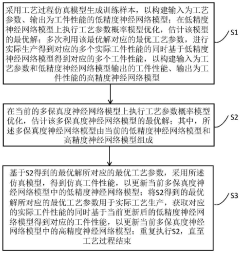
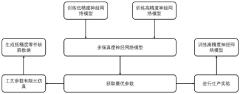
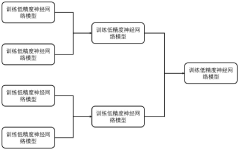
- Use the process simulation model to generate training samples, build a low-precision neural network model, find the optimal solution through probabilistic model optimization, and update the model through actual production, gradually build a multi-fidelity neural network model, combine simulation and experimental data, and perform iterative optimization process parameters.

Data Privacy and Security in AI Manufacturing Systems
Data privacy and security represent critical challenges in AI-driven manufacturing cost optimization systems, where sensitive operational data, proprietary algorithms, and competitive intelligence require robust protection mechanisms. Manufacturing environments generate vast amounts of data including production parameters, quality metrics, supply chain information, and financial data that must be safeguarded against unauthorized access, data breaches, and industrial espionage.
The implementation of AI systems in manufacturing introduces multiple attack vectors and vulnerabilities. Edge computing devices, IoT sensors, and cloud-based analytics platforms create an expanded attack surface that requires comprehensive security frameworks. Data transmission between manufacturing equipment and AI processing systems presents opportunities for interception, while centralized data repositories become high-value targets for cybercriminals seeking proprietary manufacturing processes and cost structures.
Privacy concerns extend beyond external threats to include internal data governance challenges. Manufacturing companies must balance data sharing requirements for AI model training with the need to protect sensitive information from competitors and unauthorized personnel. This includes implementing role-based access controls, data anonymization techniques, and secure multi-party computation methods that enable collaborative AI development without exposing confidential operational details.
Regulatory compliance adds another layer of complexity, particularly for multinational manufacturers operating across different jurisdictions with varying data protection requirements. GDPR, CCPA, and industry-specific regulations mandate specific data handling procedures that must be integrated into AI system architectures without compromising optimization performance.
Emerging security technologies such as federated learning, homomorphic encryption, and differential privacy offer promising solutions for maintaining data confidentiality while enabling effective AI-driven cost optimization. These approaches allow manufacturers to leverage collective intelligence and advanced analytics while preserving the confidentiality of sensitive operational data and maintaining competitive advantages in increasingly data-driven manufacturing environments.
The implementation of AI systems in manufacturing introduces multiple attack vectors and vulnerabilities. Edge computing devices, IoT sensors, and cloud-based analytics platforms create an expanded attack surface that requires comprehensive security frameworks. Data transmission between manufacturing equipment and AI processing systems presents opportunities for interception, while centralized data repositories become high-value targets for cybercriminals seeking proprietary manufacturing processes and cost structures.
Privacy concerns extend beyond external threats to include internal data governance challenges. Manufacturing companies must balance data sharing requirements for AI model training with the need to protect sensitive information from competitors and unauthorized personnel. This includes implementing role-based access controls, data anonymization techniques, and secure multi-party computation methods that enable collaborative AI development without exposing confidential operational details.
Regulatory compliance adds another layer of complexity, particularly for multinational manufacturers operating across different jurisdictions with varying data protection requirements. GDPR, CCPA, and industry-specific regulations mandate specific data handling procedures that must be integrated into AI system architectures without compromising optimization performance.
Emerging security technologies such as federated learning, homomorphic encryption, and differential privacy offer promising solutions for maintaining data confidentiality while enabling effective AI-driven cost optimization. These approaches allow manufacturers to leverage collective intelligence and advanced analytics while preserving the confidentiality of sensitive operational data and maintaining competitive advantages in increasingly data-driven manufacturing environments.
ROI Assessment Framework for AI Manufacturing Implementation
Establishing a comprehensive ROI assessment framework for AI manufacturing implementation requires a systematic approach that quantifies both tangible and intangible benefits while accounting for implementation costs and risks. The framework must address the unique characteristics of manufacturing environments, where AI applications span predictive maintenance, quality control, supply chain optimization, and production scheduling.
The foundation of the ROI framework begins with baseline establishment, measuring current manufacturing performance metrics including Overall Equipment Effectiveness (OEE), defect rates, energy consumption, labor productivity, and inventory turnover. These baseline measurements serve as reference points for calculating improvement gains attributable to AI implementation. Historical data spanning at least 12-24 months provides statistical significance for accurate ROI projections.
Cost categorization forms the second pillar of the framework, encompassing initial capital expenditures for hardware infrastructure, software licensing, and system integration. Operational expenses include ongoing maintenance, cloud computing resources, data storage, and specialized personnel training. Hidden costs such as production downtime during implementation, change management initiatives, and potential system failures must be factored into comprehensive cost calculations.
Benefit quantification methodology addresses direct cost savings through reduced waste, improved yield rates, decreased maintenance expenses, and optimized resource utilization. Indirect benefits include enhanced product quality leading to reduced warranty claims, improved customer satisfaction scores, and accelerated time-to-market for new products. Revenue enhancement opportunities through increased production capacity and premium pricing for higher-quality products contribute significantly to ROI calculations.
The framework incorporates risk-adjusted returns using Monte Carlo simulations to model various implementation scenarios and their probability distributions. Sensitivity analysis identifies critical variables that most significantly impact ROI outcomes, enabling focused risk mitigation strategies. Time-based ROI calculations consider the gradual nature of AI system learning and performance improvement, typically showing accelerating returns over 3-5 year periods.
Implementation success metrics extend beyond financial returns to include technology adoption rates, user acceptance levels, and system reliability indicators. Regular ROI reassessment protocols ensure ongoing value realization and identify optimization opportunities throughout the AI system lifecycle.
The foundation of the ROI framework begins with baseline establishment, measuring current manufacturing performance metrics including Overall Equipment Effectiveness (OEE), defect rates, energy consumption, labor productivity, and inventory turnover. These baseline measurements serve as reference points for calculating improvement gains attributable to AI implementation. Historical data spanning at least 12-24 months provides statistical significance for accurate ROI projections.
Cost categorization forms the second pillar of the framework, encompassing initial capital expenditures for hardware infrastructure, software licensing, and system integration. Operational expenses include ongoing maintenance, cloud computing resources, data storage, and specialized personnel training. Hidden costs such as production downtime during implementation, change management initiatives, and potential system failures must be factored into comprehensive cost calculations.
Benefit quantification methodology addresses direct cost savings through reduced waste, improved yield rates, decreased maintenance expenses, and optimized resource utilization. Indirect benefits include enhanced product quality leading to reduced warranty claims, improved customer satisfaction scores, and accelerated time-to-market for new products. Revenue enhancement opportunities through increased production capacity and premium pricing for higher-quality products contribute significantly to ROI calculations.
The framework incorporates risk-adjusted returns using Monte Carlo simulations to model various implementation scenarios and their probability distributions. Sensitivity analysis identifies critical variables that most significantly impact ROI outcomes, enabling focused risk mitigation strategies. Time-based ROI calculations consider the gradual nature of AI system learning and performance improvement, typically showing accelerating returns over 3-5 year periods.
Implementation success metrics extend beyond financial returns to include technology adoption rates, user acceptance levels, and system reliability indicators. Regular ROI reassessment protocols ensure ongoing value realization and identify optimization opportunities throughout the AI system lifecycle.
Unlock deeper insights with PatSnap Eureka Quick Research — get a full tech report to explore trends and direct your research. Try now!
Generate Your Research Report Instantly with AI Agent
Supercharge your innovation with PatSnap Eureka AI Agent Platform!