

Assess Silicon Controlled Rectifier Performance During Load Shedding
MAR 13, 20269 MIN READ
Generate Your Research Report Instantly with AI Agent
PatSnap Eureka helps you evaluate technical feasibility & market potential.
SCR Performance Assessment Background and Objectives
Silicon Controlled Rectifiers have emerged as critical components in modern power systems, serving as the backbone for high-power switching applications across industrial, commercial, and utility-scale operations. These semiconductor devices, first developed in the 1950s, have evolved from simple switching elements to sophisticated power control solutions capable of handling thousands of amperes and kilovolts. The fundamental principle of SCR operation relies on a four-layer PNPN structure that provides latching behavior, making them ideal for applications requiring robust switching capabilities with minimal control power requirements.
The evolution of SCR technology has been driven by increasing demands for power system reliability and efficiency. Early SCR implementations focused primarily on basic rectification and motor control applications. However, as power systems became more complex and interconnected, the role of SCRs expanded to include critical functions in power transmission, renewable energy integration, and grid stabilization systems. Modern SCR devices incorporate advanced materials and manufacturing techniques that enable superior thermal management, faster switching speeds, and enhanced surge current capabilities.
Load shedding scenarios present unique challenges for power system components, particularly SCRs operating in critical switching applications. During load shedding events, power systems experience rapid changes in voltage levels, current flow patterns, and system impedance characteristics. These transient conditions can subject SCRs to stress levels significantly different from normal operating parameters, potentially affecting their switching behavior, thermal performance, and long-term reliability.
The primary objective of assessing SCR performance during load shedding is to establish comprehensive understanding of device behavior under these dynamic conditions. This assessment aims to quantify the impact of voltage fluctuations, current surges, and thermal cycling on SCR operational characteristics. Key performance metrics include turn-on and turn-off times, holding current stability, blocking voltage capability, and thermal response during transient events.
Furthermore, this evaluation seeks to identify potential failure modes and degradation mechanisms that may occur specifically during load shedding operations. Understanding these failure patterns is essential for developing predictive maintenance strategies and improving system design margins. The assessment also aims to establish operational guidelines and protection schemes that can enhance SCR reliability during grid disturbances.
The ultimate goal is to develop a framework for optimizing SCR selection, application, and protection in power systems subject to frequent load shedding events. This includes establishing performance benchmarks, identifying design improvements, and creating operational protocols that maximize system reliability while maintaining efficient power control capabilities during both normal and emergency operating conditions.
The evolution of SCR technology has been driven by increasing demands for power system reliability and efficiency. Early SCR implementations focused primarily on basic rectification and motor control applications. However, as power systems became more complex and interconnected, the role of SCRs expanded to include critical functions in power transmission, renewable energy integration, and grid stabilization systems. Modern SCR devices incorporate advanced materials and manufacturing techniques that enable superior thermal management, faster switching speeds, and enhanced surge current capabilities.
Load shedding scenarios present unique challenges for power system components, particularly SCRs operating in critical switching applications. During load shedding events, power systems experience rapid changes in voltage levels, current flow patterns, and system impedance characteristics. These transient conditions can subject SCRs to stress levels significantly different from normal operating parameters, potentially affecting their switching behavior, thermal performance, and long-term reliability.
The primary objective of assessing SCR performance during load shedding is to establish comprehensive understanding of device behavior under these dynamic conditions. This assessment aims to quantify the impact of voltage fluctuations, current surges, and thermal cycling on SCR operational characteristics. Key performance metrics include turn-on and turn-off times, holding current stability, blocking voltage capability, and thermal response during transient events.
Furthermore, this evaluation seeks to identify potential failure modes and degradation mechanisms that may occur specifically during load shedding operations. Understanding these failure patterns is essential for developing predictive maintenance strategies and improving system design margins. The assessment also aims to establish operational guidelines and protection schemes that can enhance SCR reliability during grid disturbances.
The ultimate goal is to develop a framework for optimizing SCR selection, application, and protection in power systems subject to frequent load shedding events. This includes establishing performance benchmarks, identifying design improvements, and creating operational protocols that maximize system reliability while maintaining efficient power control capabilities during both normal and emergency operating conditions.
Load Shedding Market Demand Analysis
The global load shedding market has experienced unprecedented growth driven by increasing power demand, aging electrical infrastructure, and the urgent need for grid stability management. Power utilities worldwide face mounting pressure to implement sophisticated load management systems as traditional grid infrastructure struggles to meet peak demand requirements. This challenge has intensified with the proliferation of renewable energy sources, which introduce variability and unpredictability into power generation patterns.
Industrial sectors represent the largest segment of load shedding demand, particularly in manufacturing, mining, and heavy processing industries where controlled power interruption can prevent catastrophic equipment damage. These sectors require precise load shedding mechanisms that can rapidly disconnect non-critical loads while maintaining power to essential systems. The automotive, steel, and chemical industries have emerged as primary adopters of advanced load shedding technologies due to their high power consumption and sensitivity to voltage fluctuations.
Residential and commercial markets are experiencing accelerated adoption of load shedding solutions, particularly in regions with unreliable grid infrastructure. Smart home technologies and building management systems increasingly incorporate automated load shedding capabilities to optimize energy consumption and reduce utility costs. The integration of distributed energy resources, including solar panels and battery storage systems, has created new opportunities for intelligent load management at the consumer level.
Geographically, emerging economies in Asia-Pacific, Africa, and Latin America demonstrate the highest growth potential for load shedding solutions. These regions face significant challenges with grid reliability and capacity constraints, driving substantial investments in load management infrastructure. Developed markets in North America and Europe focus primarily on grid modernization and integration of renewable energy sources, creating demand for sophisticated load shedding technologies.
The market demand is further amplified by regulatory requirements mandating grid stability measures and energy efficiency standards. Utilities must comply with increasingly stringent reliability metrics, necessitating investment in advanced load shedding systems. Climate change concerns and sustainability initiatives have accelerated the transition toward smart grid technologies, positioning load shedding as a critical component of modern power management strategies.
Silicon Controlled Rectifiers play a pivotal role in this expanding market by providing reliable, fast-acting switching capabilities essential for effective load shedding operations. Their ability to handle high current loads and provide precise control makes them indispensable for protecting critical infrastructure during power system disturbances.
Industrial sectors represent the largest segment of load shedding demand, particularly in manufacturing, mining, and heavy processing industries where controlled power interruption can prevent catastrophic equipment damage. These sectors require precise load shedding mechanisms that can rapidly disconnect non-critical loads while maintaining power to essential systems. The automotive, steel, and chemical industries have emerged as primary adopters of advanced load shedding technologies due to their high power consumption and sensitivity to voltage fluctuations.
Residential and commercial markets are experiencing accelerated adoption of load shedding solutions, particularly in regions with unreliable grid infrastructure. Smart home technologies and building management systems increasingly incorporate automated load shedding capabilities to optimize energy consumption and reduce utility costs. The integration of distributed energy resources, including solar panels and battery storage systems, has created new opportunities for intelligent load management at the consumer level.
Geographically, emerging economies in Asia-Pacific, Africa, and Latin America demonstrate the highest growth potential for load shedding solutions. These regions face significant challenges with grid reliability and capacity constraints, driving substantial investments in load management infrastructure. Developed markets in North America and Europe focus primarily on grid modernization and integration of renewable energy sources, creating demand for sophisticated load shedding technologies.
The market demand is further amplified by regulatory requirements mandating grid stability measures and energy efficiency standards. Utilities must comply with increasingly stringent reliability metrics, necessitating investment in advanced load shedding systems. Climate change concerns and sustainability initiatives have accelerated the transition toward smart grid technologies, positioning load shedding as a critical component of modern power management strategies.
Silicon Controlled Rectifiers play a pivotal role in this expanding market by providing reliable, fast-acting switching capabilities essential for effective load shedding operations. Their ability to handle high current loads and provide precise control makes them indispensable for protecting critical infrastructure during power system disturbances.
Current SCR Performance Challenges During Load Shedding
Silicon Controlled Rectifiers face significant performance degradation during load shedding operations, primarily due to thermal stress accumulation and rapid switching transients. The abrupt disconnection of loads creates voltage and current spikes that can exceed the SCR's safe operating area, leading to junction temperature fluctuations and potential device failure. These thermal cycling effects are particularly pronounced in high-power applications where SCRs must handle substantial current variations within milliseconds.
Current SCR technologies struggle with maintaining consistent gate triggering characteristics during load shedding events. The dynamic nature of load disconnection creates electromagnetic interference that can cause false triggering or trigger failure, compromising the reliability of power control systems. This issue is exacerbated by the inherent latching behavior of SCRs, which makes precise control during transient conditions challenging.
Voltage overshoot represents another critical challenge, as load shedding can cause system voltages to rise beyond nominal levels. Standard SCRs often lack adequate overvoltage protection mechanisms, making them vulnerable to avalanche breakdown during these events. The dv/dt sensitivity of SCRs becomes particularly problematic when rapid voltage changes occur during load disconnection sequences.
Power dissipation management during load shedding presents ongoing difficulties for SCR-based systems. The mismatch between expected and actual power handling requirements during these events can lead to thermal runaway conditions. Existing SCR designs often lack sophisticated thermal management features necessary to handle the unpredictable power profiles associated with load shedding operations.
Commutation failures frequently occur during load shedding due to insufficient reverse recovery time and inadequate current decay mechanisms. The rapid changes in load impedance can prevent proper SCR turn-off, leading to continuous conduction states that may damage both the SCR and connected equipment. This challenge is particularly acute in reactive load scenarios where energy storage elements complicate the commutation process.
Integration challenges with modern protection systems also limit SCR performance during load shedding. Legacy SCR control circuits often lack the communication capabilities and response speeds required for coordination with advanced load management systems, creating potential conflicts between protection schemes and SCR operation.
Current SCR technologies struggle with maintaining consistent gate triggering characteristics during load shedding events. The dynamic nature of load disconnection creates electromagnetic interference that can cause false triggering or trigger failure, compromising the reliability of power control systems. This issue is exacerbated by the inherent latching behavior of SCRs, which makes precise control during transient conditions challenging.
Voltage overshoot represents another critical challenge, as load shedding can cause system voltages to rise beyond nominal levels. Standard SCRs often lack adequate overvoltage protection mechanisms, making them vulnerable to avalanche breakdown during these events. The dv/dt sensitivity of SCRs becomes particularly problematic when rapid voltage changes occur during load disconnection sequences.
Power dissipation management during load shedding presents ongoing difficulties for SCR-based systems. The mismatch between expected and actual power handling requirements during these events can lead to thermal runaway conditions. Existing SCR designs often lack sophisticated thermal management features necessary to handle the unpredictable power profiles associated with load shedding operations.
Commutation failures frequently occur during load shedding due to insufficient reverse recovery time and inadequate current decay mechanisms. The rapid changes in load impedance can prevent proper SCR turn-off, leading to continuous conduction states that may damage both the SCR and connected equipment. This challenge is particularly acute in reactive load scenarios where energy storage elements complicate the commutation process.
Integration challenges with modern protection systems also limit SCR performance during load shedding. Legacy SCR control circuits often lack the communication capabilities and response speeds required for coordination with advanced load management systems, creating potential conflicts between protection schemes and SCR operation.
Existing SCR Load Shedding Solutions
01 SCR structure design and manufacturing improvements
Improvements in silicon controlled rectifier performance can be achieved through optimized semiconductor structure design and manufacturing processes. This includes modifications to the layered structure, doping concentrations, and junction configurations to enhance electrical characteristics. Advanced fabrication techniques and material selection contribute to better device performance, including improved switching speed, reduced leakage current, and enhanced thermal stability.- SCR structure design and manufacturing improvements: Improvements in silicon controlled rectifier performance can be achieved through optimized semiconductor structure design and manufacturing processes. This includes modifications to the doping profiles, junction configurations, and layer thicknesses to enhance electrical characteristics. Advanced fabrication techniques and material selection contribute to better device performance, including improved switching speed, reduced leakage current, and enhanced thermal stability.
- Gate control and triggering mechanisms: Enhanced gate control circuits and triggering mechanisms improve the switching characteristics and reliability of silicon controlled rectifiers. This involves optimizing gate current requirements, reducing turn-on time, and improving sensitivity. Various gate drive configurations and control methods enable precise timing control and reduce power consumption during triggering operations.
- Thermal management and heat dissipation: Effective thermal management solutions are critical for maintaining optimal silicon controlled rectifier performance under high power conditions. This includes improved packaging designs, heat sink configurations, and thermal interface materials. Enhanced cooling mechanisms prevent thermal runaway and extend device lifetime by maintaining junction temperatures within safe operating limits.
- Protection circuits and overvoltage suppression: Integration of protection circuits enhances silicon controlled rectifier reliability by preventing damage from overvoltage, overcurrent, and transient conditions. Snubber circuits, voltage clamping devices, and current limiting mechanisms protect the device during abnormal operating conditions. These protective measures improve overall system robustness and reduce failure rates in practical applications.
- Application-specific circuit configurations: Specialized circuit topologies and configurations optimize silicon controlled rectifier performance for specific applications such as power conversion, motor control, and switching power supplies. This includes phase control circuits, inverter designs, and rectifier bridge configurations. Application-specific optimizations address particular requirements like power factor correction, harmonic reduction, and efficiency improvement.
02 Gate control and triggering mechanisms
Enhanced gate control circuits and triggering mechanisms improve the switching characteristics and reliability of silicon controlled rectifiers. This involves optimizing gate current requirements, reducing trigger sensitivity variations, and implementing protection circuits. Advanced triggering methods ensure consistent turn-on behavior across different operating conditions and temperatures, leading to more predictable and stable device performance.Expand Specific Solutions03 Thermal management and heat dissipation
Effective thermal management solutions are critical for maintaining optimal silicon controlled rectifier performance under high power conditions. This includes improved packaging designs, heat sink configurations, and thermal interface materials. Enhanced cooling structures and thermal conductivity paths help maintain junction temperatures within safe operating limits, preventing thermal runaway and extending device lifetime while maintaining consistent electrical performance.Expand Specific Solutions04 Voltage and current rating optimization
Performance improvements through enhanced voltage blocking capability and current handling capacity enable silicon controlled rectifiers to operate in more demanding applications. This involves optimizing the device geometry, edge termination structures, and internal resistance characteristics. Advanced designs allow for higher power density, improved surge current capability, and better voltage transient handling while maintaining reliable operation.Expand Specific Solutions05 Protection and reliability enhancement features
Integration of protection features and reliability enhancement mechanisms improves the robustness and longevity of silicon controlled rectifiers. This includes overvoltage protection, overcurrent limiting, and fault detection circuits. Advanced designs incorporate self-protection capabilities, improved immunity to electrical noise, and enhanced resistance to environmental stresses, ensuring stable performance across a wide range of operating conditions and extending operational lifetime.Expand Specific Solutions
Major SCR and Power Electronics Manufacturers
The Silicon Controlled Rectifier (SCR) performance assessment during load shedding represents a mature technology sector experiencing steady growth driven by increasing grid modernization and renewable energy integration demands. The market demonstrates robust expansion as utilities worldwide prioritize power system reliability and smart grid implementations. Technology maturity varies significantly across key players, with established semiconductor giants like Infineon Technologies AG, STMicroelectronics International NV, and Mitsubishi Electric Corp leading in advanced SCR designs and manufacturing capabilities. Industrial automation specialists including ABB Ltd., Schneider Electric Power Drives GmbH, and Hitachi Ltd. contribute sophisticated control systems and integration expertise. Asian manufacturers such as Samsung Electronics, ROHM Co. Ltd., and Shanghai Huali Microelectronics Corp provide competitive manufacturing scale and emerging innovations. Grid operators like State Grid Corp. of China and Yunnan Electric Grid Co. drive practical implementation requirements, while research institutions including Vanderbilt University and The University of Texas System advance theoretical foundations and next-generation solutions for enhanced load shedding performance optimization.
Mitsubishi Electric Corp.
Technical Solution: Mitsubishi Electric has engineered SCR solutions with enhanced performance characteristics for load shedding applications in industrial and utility environments. Their SCR technology incorporates proprietary gate control circuits that provide precise timing control during load disconnection events, minimizing electrical transients and system disturbances. The company's SCR modules feature integrated protection functions including overcurrent detection, thermal monitoring, and fault diagnostics. Their load shedding systems utilize intelligent SCR controllers that can differentiate between critical and non-critical loads, implementing selective disconnection strategies that maintain essential services while reducing overall system demand during peak load or emergency conditions.
Strengths: Reliable SCR technology with comprehensive protection features, strong industrial automation background. Weaknesses: Limited flexibility in custom applications, higher maintenance requirements for complex systems.
Infineon Technologies AG
Technical Solution: Infineon develops advanced Silicon Controlled Rectifier (SCR) technologies with integrated protection mechanisms for load shedding applications. Their SCR solutions feature dynamic gate control algorithms that automatically adjust triggering thresholds during load variations, maintaining stable performance even under rapid load changes. The company's SCR devices incorporate temperature compensation circuits and overvoltage protection, ensuring reliable operation during grid disturbances. Their power management ICs work in conjunction with SCR modules to provide real-time monitoring of electrical parameters, enabling predictive load shedding strategies that minimize system disruption while protecting critical infrastructure components.
Strengths: Industry-leading SCR technology with robust protection features, extensive automotive and industrial experience. Weaknesses: Higher cost compared to basic SCR solutions, complex integration requirements.
Key SCR Performance Evaluation Technologies
Load control system employing silicon controlled rectifiers with overvoltage protection and compensation for line voltage fluctuations
PatentInactiveUS3668515A
Innovation
- Oppositely poled silicon controlled rectifiers arranged in parallel configuration where each rectifier provides overvoltage protection for the other through alternate triggering mechanism.
- Self-powered drive circuits that derive energy directly from across the rectifiers, eliminating the need for separate power supplies and reducing system complexity.
- Automatic line voltage compensation system that adjusts triggering timing based on input voltage variations to maintain constant output power.


Load shedding control for cycled or variable load appliances
PatentActiveUS7528503B2
Innovation
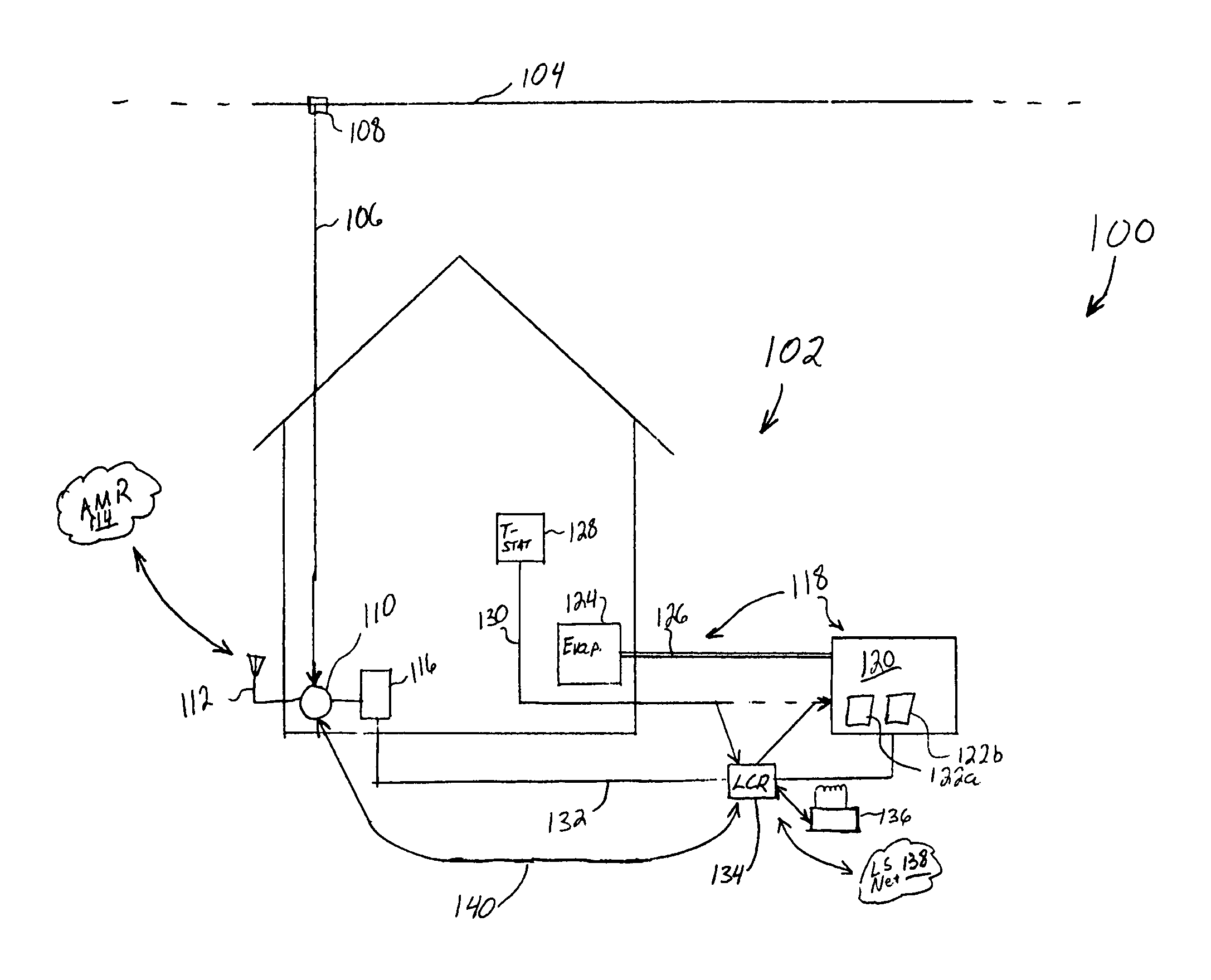
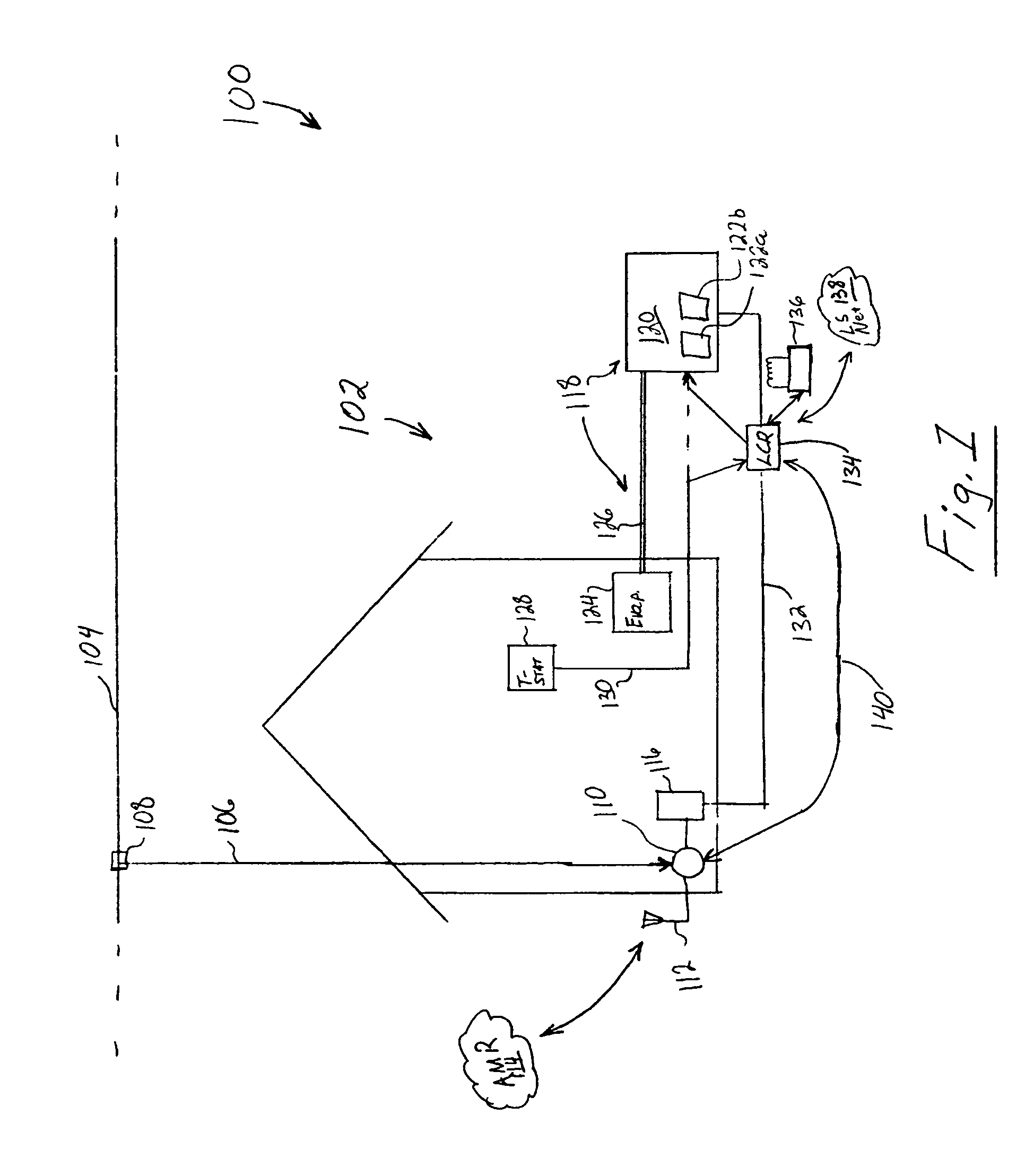
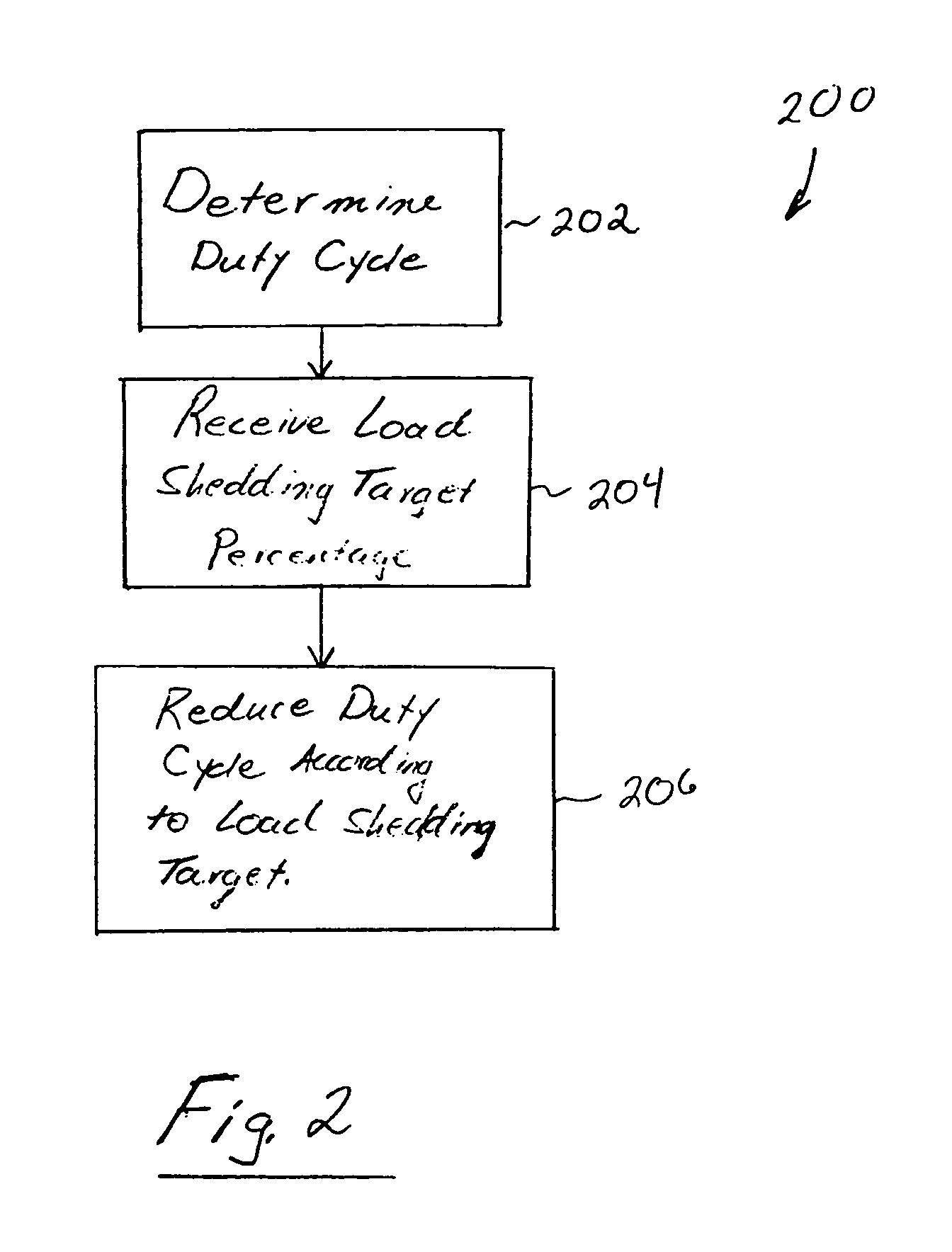
- A load control system that monitors actual power consumption of air conditioners and adjusts operation based on a baseline characteristic, allowing for uniform load reduction and fair incentive distribution among small energy consumers, using a load control receiver with power sensing and communication capabilities to implement energy-based load shedding.

Power Grid Regulatory Standards for SCR Systems
Power grid regulatory standards for Silicon Controlled Rectifier (SCR) systems establish comprehensive frameworks governing their deployment, operation, and performance during critical grid events including load shedding scenarios. These standards are developed by international organizations such as IEEE, IEC, and regional regulatory bodies to ensure system reliability, safety, and interoperability across diverse power network configurations.
IEEE 519 serves as the foundational standard addressing harmonic control in electrical power systems, directly impacting SCR system design and operation. This standard defines acceptable harmonic distortion limits that SCR-based systems must maintain during normal operation and transient conditions, including load shedding events. The standard specifies total harmonic distortion (THD) limits and individual harmonic limits based on system voltage levels and short-circuit ratios.
IEC 61000 series standards complement IEEE 519 by establishing electromagnetic compatibility requirements for SCR systems. These standards address power quality issues, voltage fluctuations, and electromagnetic interference that may occur during rapid load changes associated with load shedding operations. Compliance ensures SCR systems do not adversely affect neighboring equipment or compromise grid stability during emergency conditions.
Regional grid codes, such as NERC standards in North America and ENTSO-E requirements in Europe, mandate specific performance criteria for SCR systems during grid disturbances. These codes require SCR systems to maintain operational capability during voltage and frequency excursions typical of load shedding events, with specified ride-through capabilities and recovery timeframes.
Protective relay coordination standards, particularly IEEE C37 series, establish requirements for SCR system protection during abnormal operating conditions. These standards ensure proper coordination between SCR control systems and grid protection schemes during load shedding, preventing unnecessary equipment disconnection while maintaining system security.
Testing and commissioning standards, including IEEE 1547 for distributed resources, define verification procedures to demonstrate SCR system compliance with performance requirements. These standards specify test methodologies for validating SCR behavior during simulated load shedding scenarios, ensuring systems meet regulatory expectations before commercial operation.
IEEE 519 serves as the foundational standard addressing harmonic control in electrical power systems, directly impacting SCR system design and operation. This standard defines acceptable harmonic distortion limits that SCR-based systems must maintain during normal operation and transient conditions, including load shedding events. The standard specifies total harmonic distortion (THD) limits and individual harmonic limits based on system voltage levels and short-circuit ratios.
IEC 61000 series standards complement IEEE 519 by establishing electromagnetic compatibility requirements for SCR systems. These standards address power quality issues, voltage fluctuations, and electromagnetic interference that may occur during rapid load changes associated with load shedding operations. Compliance ensures SCR systems do not adversely affect neighboring equipment or compromise grid stability during emergency conditions.
Regional grid codes, such as NERC standards in North America and ENTSO-E requirements in Europe, mandate specific performance criteria for SCR systems during grid disturbances. These codes require SCR systems to maintain operational capability during voltage and frequency excursions typical of load shedding events, with specified ride-through capabilities and recovery timeframes.
Protective relay coordination standards, particularly IEEE C37 series, establish requirements for SCR system protection during abnormal operating conditions. These standards ensure proper coordination between SCR control systems and grid protection schemes during load shedding, preventing unnecessary equipment disconnection while maintaining system security.
Testing and commissioning standards, including IEEE 1547 for distributed resources, define verification procedures to demonstrate SCR system compliance with performance requirements. These standards specify test methodologies for validating SCR behavior during simulated load shedding scenarios, ensuring systems meet regulatory expectations before commercial operation.
SCR Reliability and Safety Assessment Methods
Silicon Controlled Rectifier reliability and safety assessment during load shedding operations requires comprehensive evaluation methodologies that address both electrical performance and thermal management aspects. The assessment framework must encompass multiple testing protocols to ensure SCR devices maintain operational integrity under varying load conditions and switching frequencies typical of load shedding scenarios.
Electrical characterization forms the foundation of SCR reliability assessment, involving detailed analysis of forward voltage drop, holding current, and gate trigger characteristics across temperature ranges. These parameters directly influence device performance during load interruption cycles. Testing protocols must evaluate voltage transient response, current handling capability, and switching behavior under repetitive load shedding conditions to establish baseline performance metrics.
Thermal stress evaluation represents a critical component of reliability assessment, as load shedding operations subject SCRs to rapid temperature fluctuations. Thermal cycling tests simulate real-world conditions where devices experience heating during conduction phases and cooling during load disconnection periods. Junction temperature monitoring and thermal resistance measurements provide essential data for predicting device lifespan and failure modes.
Safety assessment methodologies focus on failure mode analysis and protective circuit validation. Comprehensive testing includes short-circuit withstand capability, overvoltage tolerance, and gate circuit protection effectiveness. These evaluations ensure SCR devices fail safely without causing cascading system failures during emergency load shedding operations.
Accelerated aging protocols simulate long-term operational stress through elevated temperature, voltage, and current cycling tests. These methodologies compress years of operational stress into weeks of laboratory testing, enabling prediction of device degradation patterns and establishment of maintenance schedules for load shedding systems.
Statistical analysis techniques, including Weibull distribution modeling and Monte Carlo simulations, provide quantitative reliability predictions based on test data. These methods enable calculation of mean time between failures and confidence intervals for SCR performance in load shedding applications, supporting system design optimization and maintenance planning decisions.
Electrical characterization forms the foundation of SCR reliability assessment, involving detailed analysis of forward voltage drop, holding current, and gate trigger characteristics across temperature ranges. These parameters directly influence device performance during load interruption cycles. Testing protocols must evaluate voltage transient response, current handling capability, and switching behavior under repetitive load shedding conditions to establish baseline performance metrics.
Thermal stress evaluation represents a critical component of reliability assessment, as load shedding operations subject SCRs to rapid temperature fluctuations. Thermal cycling tests simulate real-world conditions where devices experience heating during conduction phases and cooling during load disconnection periods. Junction temperature monitoring and thermal resistance measurements provide essential data for predicting device lifespan and failure modes.
Safety assessment methodologies focus on failure mode analysis and protective circuit validation. Comprehensive testing includes short-circuit withstand capability, overvoltage tolerance, and gate circuit protection effectiveness. These evaluations ensure SCR devices fail safely without causing cascading system failures during emergency load shedding operations.
Accelerated aging protocols simulate long-term operational stress through elevated temperature, voltage, and current cycling tests. These methodologies compress years of operational stress into weeks of laboratory testing, enabling prediction of device degradation patterns and establishment of maintenance schedules for load shedding systems.
Statistical analysis techniques, including Weibull distribution modeling and Monte Carlo simulations, provide quantitative reliability predictions based on test data. These methods enable calculation of mean time between failures and confidence intervals for SCR performance in load shedding applications, supporting system design optimization and maintenance planning decisions.
Unlock deeper insights with PatSnap Eureka Quick Research — get a full tech report to explore trends and direct your research. Try now!
Generate Your Research Report Instantly with AI Agent
Supercharge your innovation with PatSnap Eureka AI Agent Platform!