

Silicon Controlled Rectifier Adaptation for Smart Energy Systems
MAR 13, 20269 MIN READ
Generate Your Research Report Instantly with AI Agent
PatSnap Eureka helps you evaluate technical feasibility & market potential.
SCR Smart Energy System Background and Objectives
Silicon Controlled Rectifiers have undergone significant evolution since their introduction in the 1950s, transitioning from basic power switching devices to sophisticated components integral to modern energy management systems. Originally developed for industrial motor control and power conversion applications, SCRs have demonstrated remarkable adaptability across diverse technological landscapes. The semiconductor device's inherent characteristics of high power handling capability, robust switching performance, and cost-effectiveness have positioned it as a cornerstone technology in power electronics.
The contemporary energy landscape presents unprecedented challenges that demand innovative solutions for power management, grid stability, and energy efficiency. Traditional power systems are experiencing fundamental transformation driven by renewable energy integration, distributed generation, and the imperative for intelligent grid operations. This paradigm shift necessitates advanced power electronic devices capable of handling variable power flows, providing rapid response to grid disturbances, and enabling seamless integration of intermittent energy sources.
Smart energy systems represent the convergence of traditional power infrastructure with advanced digital technologies, creating intelligent networks capable of autonomous operation and optimization. These systems require power electronic components that can adapt to dynamic operating conditions, communicate with control systems, and provide precise power regulation. The integration of Internet of Things technologies, artificial intelligence, and advanced control algorithms demands power devices with enhanced controllability and monitoring capabilities.
The primary objective of SCR adaptation for smart energy systems centers on developing enhanced device architectures and control methodologies that address the specific requirements of modern energy infrastructure. This includes improving switching speed characteristics to handle rapid power fluctuations, enhancing thermal management for increased power density, and integrating sensing capabilities for real-time performance monitoring. Additionally, the development of intelligent gate control systems enables predictive maintenance and optimized performance under varying load conditions.
Advanced SCR implementations target seamless integration with renewable energy sources, particularly solar photovoltaic and wind power systems, where power conditioning and grid synchronization are critical. The technology evolution focuses on creating adaptive power electronic solutions that can dynamically adjust to changing grid conditions, support bidirectional power flow, and maintain system stability during transient events. These objectives align with global sustainability goals and the transition toward decentralized energy generation models.
The contemporary energy landscape presents unprecedented challenges that demand innovative solutions for power management, grid stability, and energy efficiency. Traditional power systems are experiencing fundamental transformation driven by renewable energy integration, distributed generation, and the imperative for intelligent grid operations. This paradigm shift necessitates advanced power electronic devices capable of handling variable power flows, providing rapid response to grid disturbances, and enabling seamless integration of intermittent energy sources.
Smart energy systems represent the convergence of traditional power infrastructure with advanced digital technologies, creating intelligent networks capable of autonomous operation and optimization. These systems require power electronic components that can adapt to dynamic operating conditions, communicate with control systems, and provide precise power regulation. The integration of Internet of Things technologies, artificial intelligence, and advanced control algorithms demands power devices with enhanced controllability and monitoring capabilities.
The primary objective of SCR adaptation for smart energy systems centers on developing enhanced device architectures and control methodologies that address the specific requirements of modern energy infrastructure. This includes improving switching speed characteristics to handle rapid power fluctuations, enhancing thermal management for increased power density, and integrating sensing capabilities for real-time performance monitoring. Additionally, the development of intelligent gate control systems enables predictive maintenance and optimized performance under varying load conditions.
Advanced SCR implementations target seamless integration with renewable energy sources, particularly solar photovoltaic and wind power systems, where power conditioning and grid synchronization are critical. The technology evolution focuses on creating adaptive power electronic solutions that can dynamically adjust to changing grid conditions, support bidirectional power flow, and maintain system stability during transient events. These objectives align with global sustainability goals and the transition toward decentralized energy generation models.
Market Demand for Intelligent Power Control Solutions
The global energy landscape is experiencing unprecedented transformation driven by the urgent need for sustainable power management and grid modernization. Traditional power control systems face mounting pressure to accommodate renewable energy integration, distributed generation, and dynamic load management requirements. This shift has created substantial market demand for intelligent power control solutions that can adapt to rapidly changing energy conditions while maintaining system stability and efficiency.
Smart grid initiatives worldwide are accelerating the adoption of advanced power electronics, with silicon controlled rectifiers playing a crucial role in voltage regulation, power factor correction, and harmonic mitigation. Utility companies are increasingly seeking solutions that can handle bidirectional power flows, manage intermittent renewable sources, and provide real-time grid stabilization. The complexity of modern energy systems demands sophisticated control mechanisms that can respond instantaneously to grid disturbances and optimize power quality across diverse operating conditions.
Industrial sectors are driving significant demand for intelligent power control technologies as manufacturing processes become more energy-intensive and precision-dependent. Industries such as steel production, chemical processing, and semiconductor manufacturing require precise voltage and current control to maintain product quality and operational efficiency. The integration of SCR-based systems with artificial intelligence and machine learning capabilities enables predictive maintenance, adaptive control strategies, and enhanced system reliability.
The residential and commercial building sectors represent rapidly expanding markets for smart energy solutions. Building automation systems increasingly incorporate intelligent power control to optimize energy consumption, reduce peak demand charges, and integrate distributed energy resources such as solar panels and battery storage systems. Property owners and facility managers are seeking solutions that can automatically adjust power consumption based on occupancy patterns, energy prices, and grid conditions.
Electric vehicle charging infrastructure development is creating new opportunities for intelligent power control solutions. Fast-charging stations require sophisticated power electronics to manage high-power transfers while maintaining grid stability and power quality. SCR-based systems offer the robustness and controllability needed for these demanding applications, particularly when integrated with smart charging algorithms that can optimize charging schedules based on grid conditions and energy costs.
Energy storage system integration presents another significant market driver for intelligent power control solutions. Battery energy storage systems require precise power conversion and control to maximize efficiency, extend battery life, and provide grid services such as frequency regulation and peak shaving. The growing deployment of utility-scale and distributed energy storage systems creates substantial demand for advanced power control technologies that can seamlessly interface with existing grid infrastructure while providing enhanced functionality and reliability.
Smart grid initiatives worldwide are accelerating the adoption of advanced power electronics, with silicon controlled rectifiers playing a crucial role in voltage regulation, power factor correction, and harmonic mitigation. Utility companies are increasingly seeking solutions that can handle bidirectional power flows, manage intermittent renewable sources, and provide real-time grid stabilization. The complexity of modern energy systems demands sophisticated control mechanisms that can respond instantaneously to grid disturbances and optimize power quality across diverse operating conditions.
Industrial sectors are driving significant demand for intelligent power control technologies as manufacturing processes become more energy-intensive and precision-dependent. Industries such as steel production, chemical processing, and semiconductor manufacturing require precise voltage and current control to maintain product quality and operational efficiency. The integration of SCR-based systems with artificial intelligence and machine learning capabilities enables predictive maintenance, adaptive control strategies, and enhanced system reliability.
The residential and commercial building sectors represent rapidly expanding markets for smart energy solutions. Building automation systems increasingly incorporate intelligent power control to optimize energy consumption, reduce peak demand charges, and integrate distributed energy resources such as solar panels and battery storage systems. Property owners and facility managers are seeking solutions that can automatically adjust power consumption based on occupancy patterns, energy prices, and grid conditions.
Electric vehicle charging infrastructure development is creating new opportunities for intelligent power control solutions. Fast-charging stations require sophisticated power electronics to manage high-power transfers while maintaining grid stability and power quality. SCR-based systems offer the robustness and controllability needed for these demanding applications, particularly when integrated with smart charging algorithms that can optimize charging schedules based on grid conditions and energy costs.
Energy storage system integration presents another significant market driver for intelligent power control solutions. Battery energy storage systems require precise power conversion and control to maximize efficiency, extend battery life, and provide grid services such as frequency regulation and peak shaving. The growing deployment of utility-scale and distributed energy storage systems creates substantial demand for advanced power control technologies that can seamlessly interface with existing grid infrastructure while providing enhanced functionality and reliability.
Current SCR Technology Status and Grid Integration Challenges
Silicon Controlled Rectifiers have established themselves as fundamental components in power electronics, with their robust switching capabilities and high current handling capacity making them indispensable for industrial applications. Traditional SCR technology has primarily focused on basic rectification and power control functions in conventional electrical systems. However, the emergence of smart energy systems has exposed significant limitations in current SCR implementations, particularly regarding their integration with modern grid infrastructure.
Contemporary SCR technology faces substantial challenges in adapting to the dynamic requirements of smart grids. The inherent turn-off limitations of conventional SCRs present operational difficulties in bidirectional power flow scenarios, which are increasingly common in renewable energy integration and distributed generation systems. Current SCR designs lack the sophisticated control interfaces necessary for seamless communication with smart grid management systems, limiting their effectiveness in real-time grid optimization applications.
Grid integration challenges are particularly pronounced in voltage regulation and harmonic management. Existing SCR-based systems often generate significant harmonic distortion, which conflicts with the power quality requirements of modern smart energy networks. The switching characteristics of traditional SCRs create voltage fluctuations that can destabilize sensitive grid equipment and compromise the reliability of interconnected renewable energy sources.
Thermal management represents another critical challenge in current SCR technology deployment within smart energy systems. The heat generation patterns of conventional SCRs are not optimized for the variable load conditions typical in smart grids, leading to efficiency losses and reduced component lifespan. This thermal inefficiency becomes more problematic as smart energy systems demand higher power densities and more compact installation configurations.
Communication protocol compatibility poses additional integration barriers. Most existing SCR systems operate with legacy control mechanisms that are incompatible with modern smart grid communication standards such as IEC 61850 and IEEE 2030. This incompatibility necessitates complex interface solutions that increase system costs and reduce overall reliability.
The protection and fault detection capabilities of current SCR technology are insufficient for smart energy system requirements. Traditional SCR protection schemes cannot adequately respond to the rapid fault conditions and complex failure modes that occur in interconnected smart grids, potentially compromising system stability and safety.
Contemporary SCR technology faces substantial challenges in adapting to the dynamic requirements of smart grids. The inherent turn-off limitations of conventional SCRs present operational difficulties in bidirectional power flow scenarios, which are increasingly common in renewable energy integration and distributed generation systems. Current SCR designs lack the sophisticated control interfaces necessary for seamless communication with smart grid management systems, limiting their effectiveness in real-time grid optimization applications.
Grid integration challenges are particularly pronounced in voltage regulation and harmonic management. Existing SCR-based systems often generate significant harmonic distortion, which conflicts with the power quality requirements of modern smart energy networks. The switching characteristics of traditional SCRs create voltage fluctuations that can destabilize sensitive grid equipment and compromise the reliability of interconnected renewable energy sources.
Thermal management represents another critical challenge in current SCR technology deployment within smart energy systems. The heat generation patterns of conventional SCRs are not optimized for the variable load conditions typical in smart grids, leading to efficiency losses and reduced component lifespan. This thermal inefficiency becomes more problematic as smart energy systems demand higher power densities and more compact installation configurations.
Communication protocol compatibility poses additional integration barriers. Most existing SCR systems operate with legacy control mechanisms that are incompatible with modern smart grid communication standards such as IEC 61850 and IEEE 2030. This incompatibility necessitates complex interface solutions that increase system costs and reduce overall reliability.
The protection and fault detection capabilities of current SCR technology are insufficient for smart energy system requirements. Traditional SCR protection schemes cannot adequately respond to the rapid fault conditions and complex failure modes that occur in interconnected smart grids, potentially compromising system stability and safety.
Existing SCR Solutions for Smart Energy Applications
01 Basic SCR structure and manufacturing methods
Silicon Controlled Rectifiers are semiconductor devices with a four-layer PNPN structure that can be controlled to switch between conducting and non-conducting states. The manufacturing process involves specific doping techniques, diffusion methods, and layer formation to create the characteristic gate-controlled switching behavior. Various fabrication approaches focus on optimizing the junction characteristics and improving the device's electrical properties through controlled semiconductor processing techniques.- Basic SCR structure and manufacturing methods: Silicon Controlled Rectifiers are semiconductor devices with a four-layer PNPN structure that can be controlled to switch between conducting and non-conducting states. The manufacturing process involves specific doping techniques, diffusion processes, and junction formation methods to create the characteristic gate-controlled switching behavior. Various fabrication techniques have been developed to optimize the device performance, including controlled impurity distribution and precise layer thickness control.
- SCR triggering and gate control circuits: The gate terminal of an SCR requires specific triggering circuits to initiate conduction. Various circuit configurations have been developed to provide reliable triggering, including pulse circuits, phase control circuits, and optical triggering methods. These control mechanisms ensure precise timing and reliable switching of the SCR from its blocking state to conducting state, with considerations for gate current requirements and voltage thresholds.
- SCR protection and overvoltage suppression: Protection circuits are essential for SCR applications to prevent damage from overvoltage, overcurrent, and transient conditions. Various protection schemes incorporate snubber circuits, voltage clamping devices, and current limiting mechanisms. These protective measures ensure safe operation under fault conditions and extend the operational lifetime of the device by preventing destructive voltage spikes and excessive current flow.
- Integrated SCR applications in power control systems: SCRs are widely integrated into power control and conversion systems for AC/DC conversion, motor control, and power regulation applications. Modern implementations include integration with microcontrollers, digital control systems, and smart power management circuits. These applications leverage the high current handling capability and efficient switching characteristics of SCRs for industrial and consumer electronics.
- Advanced SCR variants and specialized structures: Specialized SCR structures have been developed for specific applications, including light-activated SCRs, gate turn-off thyristors, and bidirectional SCR configurations. These variants incorporate modified semiconductor structures, additional control terminals, or enhanced switching characteristics to meet specialized requirements such as faster switching speeds, higher voltage ratings, or improved thermal performance.
02 SCR protection and triggering circuits
Protection circuits and triggering mechanisms are essential for proper SCR operation and longevity. These circuits include gate triggering configurations, overvoltage protection, overcurrent protection, and snubber circuits to control the rate of voltage and current changes. Advanced triggering methods ensure reliable turn-on characteristics while protection circuits prevent device damage from electrical stress and transient conditions.Expand Specific Solutions03 SCR-based power control and conversion systems
Silicon Controlled Rectifiers are widely used in power control and conversion applications including AC-DC conversion, voltage regulation, and motor control systems. These applications utilize the SCR's ability to handle high currents and voltages while providing precise control over power delivery. Integration with control circuits enables efficient power management in industrial and consumer electronics applications.Expand Specific Solutions04 Integrated SCR devices and modules
Modern developments include integrated SCR modules that combine multiple thyristors with auxiliary components such as heat sinks, gate drivers, and protection circuits in a single package. These integrated solutions simplify system design, improve reliability, and reduce overall footprint. Advanced packaging techniques enhance thermal management and electrical performance for high-power applications.Expand Specific Solutions05 SCR applications in specialized circuits
Silicon Controlled Rectifiers find specialized applications in various circuits including crowbar protection circuits, soft-start circuits, phase control systems, and switching power supplies. These applications leverage the SCR's fast switching capability, high current handling, and latching characteristics. Novel circuit topologies continue to emerge for applications in renewable energy systems, electric vehicles, and industrial automation.Expand Specific Solutions
Major Players in SCR and Smart Grid Industry
The Silicon Controlled Rectifier (SCR) adaptation for smart energy systems represents a mature technology sector experiencing significant transformation driven by grid modernization demands. The market demonstrates substantial growth potential, valued in billions globally, as utilities transition toward intelligent energy infrastructure. Technology maturity varies significantly among key players: established giants like Siemens AG, Delta Electronics, and State Grid Corp. of China leverage decades of power electronics expertise, while companies such as Enphase Energy and Advanced Energy Industries focus on specialized smart grid applications. Semiconductor leaders including Taiwan Semiconductor Manufacturing and GlobalFoundries provide foundational SCR manufacturing capabilities. The competitive landscape shows consolidation around integrated solution providers like Hitachi Energy and NARI Technology, who combine traditional SCR technology with advanced digital control systems. Emerging players like Entrust Microgrid represent the sector's evolution toward distributed energy management, indicating the industry's progression from component-level competition to system-wide energy solutions.
Enphase Energy, Inc.
Technical Solution: Enphase Energy has integrated SCR technology into their microinverter systems for enhanced grid-tie functionality and power optimization. Their adaptive SCR control enables precise power factor management and reactive power compensation at the individual panel level. The system features intelligent islanding detection and grid synchronization capabilities, with SCR-based switching that can respond to grid disturbances within milliseconds. Their technology includes advanced monitoring and analytics platforms that optimize SCR operation based on local grid conditions and energy production patterns, maximizing energy harvest while maintaining grid stability.
Strengths: Innovation in distributed solar technology, strong software integration capabilities, proven residential market success. Weaknesses: Limited to solar applications, smaller scale compared to utility-grade solutions.
Delta Electronics, Inc.
Technical Solution: Delta Electronics has developed compact SCR-based power management units specifically designed for distributed energy resources and microgrids. Their adaptive SCR technology features rapid response capabilities with switching times under 100 microseconds, enabling seamless integration with battery storage systems and renewable sources. The system includes advanced power quality management with real-time voltage regulation and frequency stabilization. Their modular design allows for scalable deployment from residential to commercial applications, with integrated communication protocols for smart grid connectivity and energy management system integration.
Strengths: Cost-effective solutions, strong focus on energy efficiency, excellent scalability options. Weaknesses: Limited high-voltage applications, smaller market presence compared to major competitors.
Core SCR Innovations for Intelligent Power Management
silicon controlled rectifier with adjustable trigger voltage with voltage support
PatentInactiveDE112012001822T5
Innovation
- A silicon controlled rectifier (SCR) structure is engineered with stress layers to modulate the trigger current, using tensile or compressive stress to adjust the tripping voltage/current, enhancing ESD protection without additional design features.


Half-controlled silicon-controlled rectifying system and method thereof
PatentInactiveUS7173834B2
Innovation
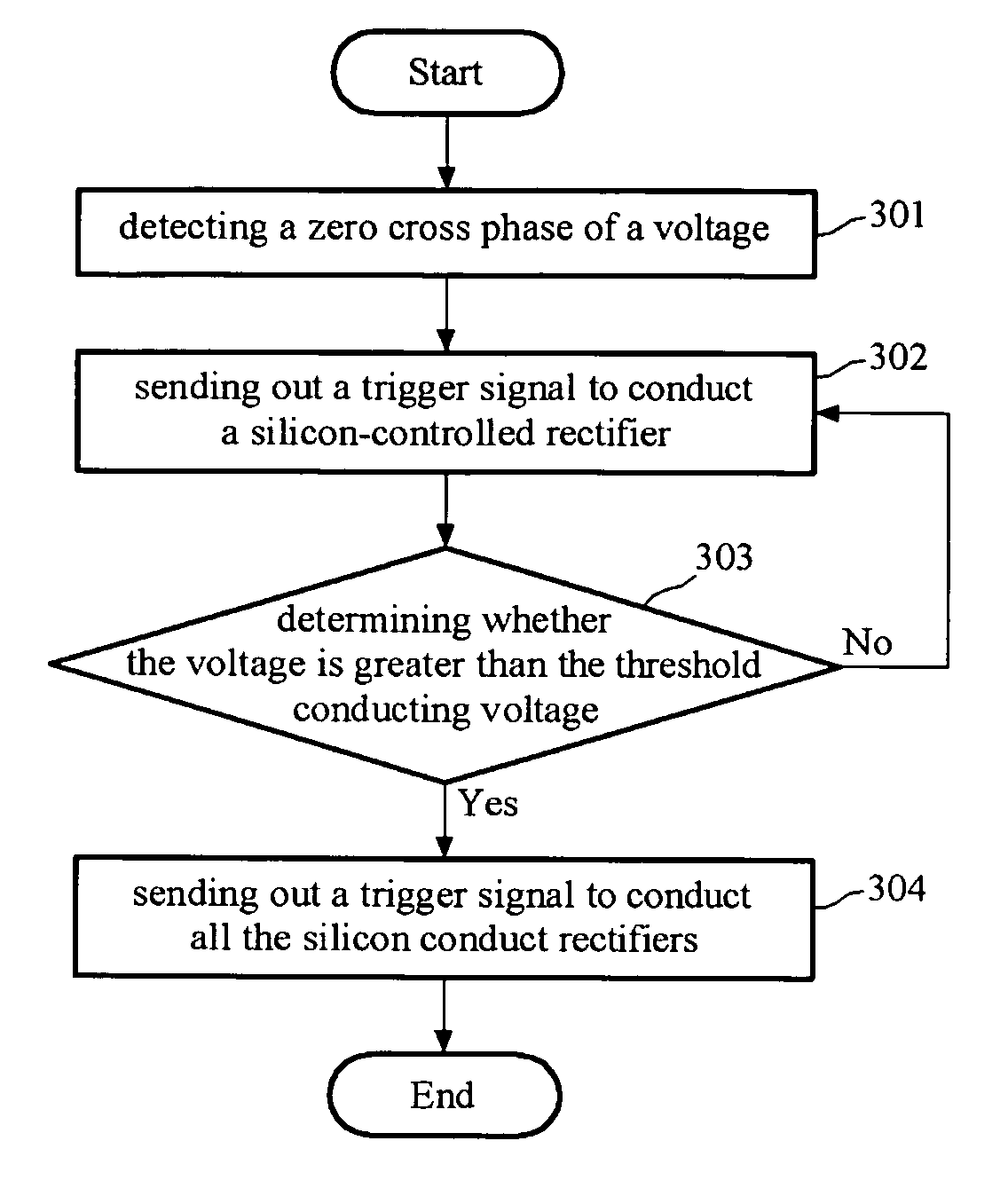
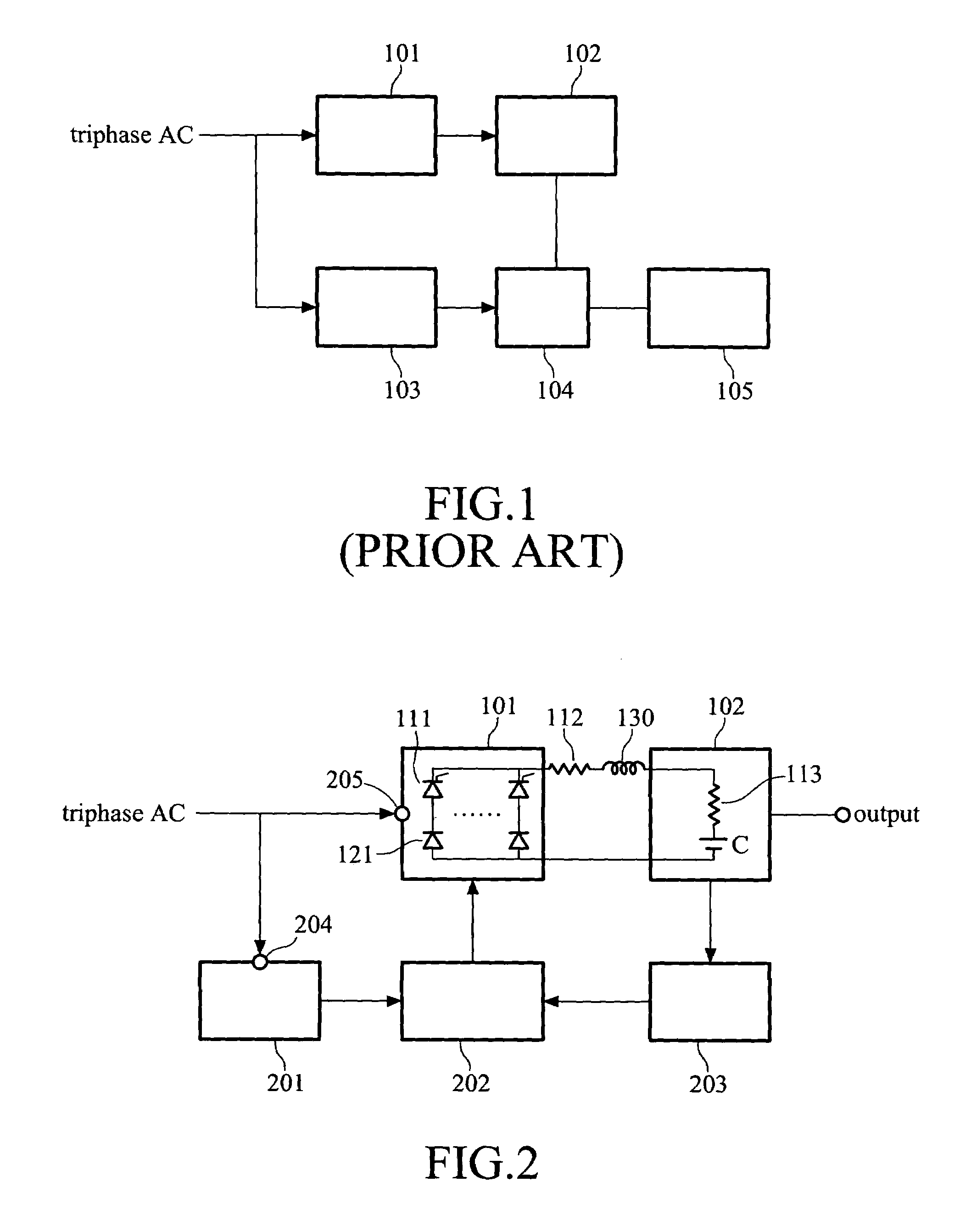
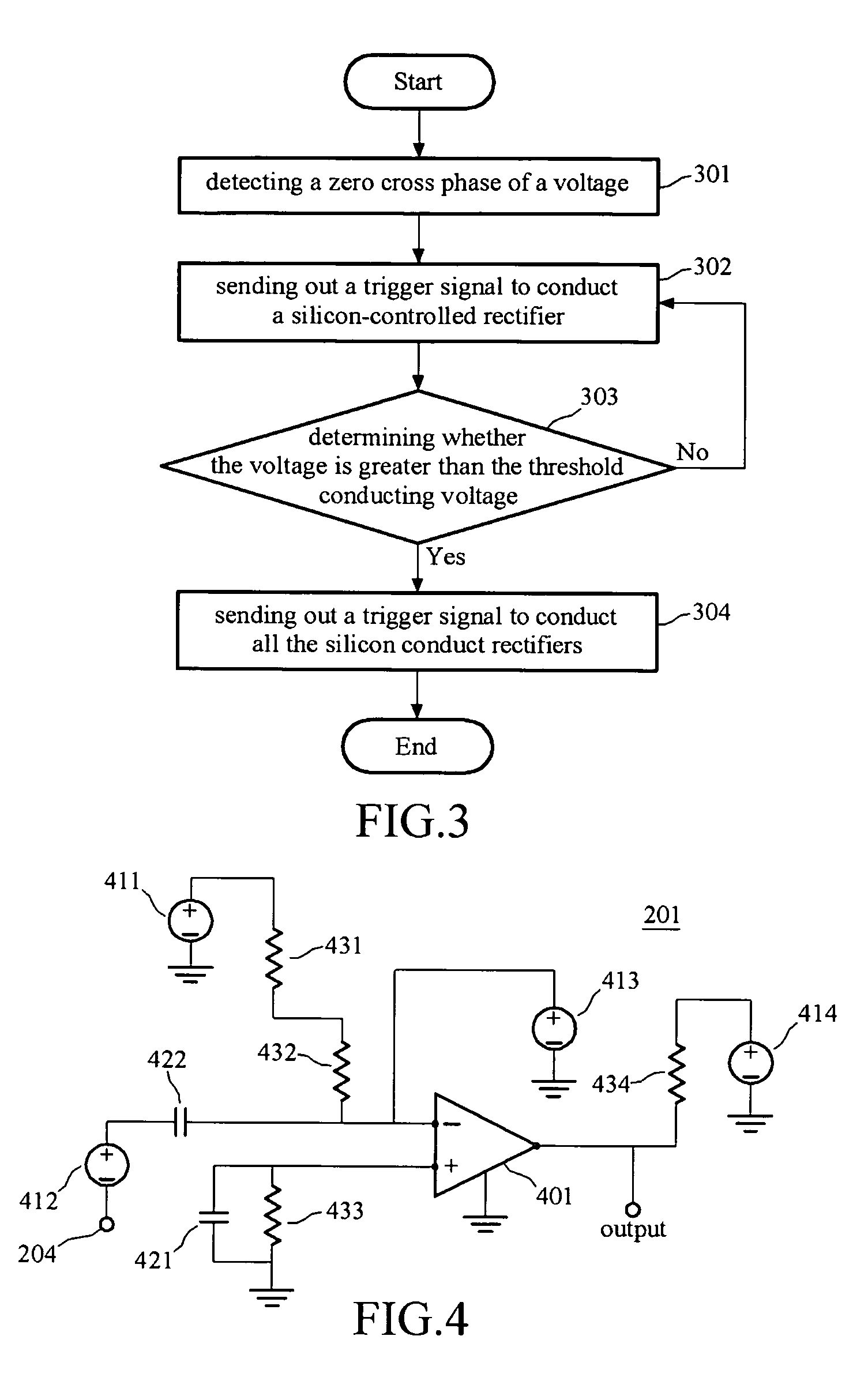
- A half-controlled silicon-controlled rectifying system with a first detection unit for triphase AC zero cross phase detection, a silicon-controlled rectifying unit, a DC bus, a second detection unit for voltage monitoring, and a control unit that sends trigger signals based on detection results to achieve software-controlled rectification, replacing complex hardware with a simpler structure.
Smart Grid Standards and Energy Policy Framework
The integration of Silicon Controlled Rectifiers (SCRs) into smart energy systems operates within a complex regulatory landscape that encompasses multiple layers of standards and policy frameworks. At the international level, the International Electrotechnical Commission (IEC) 61850 series provides fundamental communication protocols for smart grid applications, while IEEE 2030 establishes interoperability guidelines that directly impact SCR implementation in grid-tied systems.
Regional standards frameworks vary significantly across major markets. The European Union's Clean Energy Package mandates specific requirements for grid flexibility and demand response capabilities, creating opportunities for advanced SCR applications in energy storage and power conditioning systems. North American standards, primarily governed by NERC reliability standards and IEEE guidelines, emphasize grid stability and cybersecurity considerations that influence SCR control system design.
National energy policies increasingly prioritize renewable energy integration and grid modernization, creating favorable conditions for SCR adoption. Feed-in tariff policies and net metering regulations in various jurisdictions require sophisticated power electronics solutions, where SCRs play crucial roles in power quality management and harmonic mitigation. Carbon pricing mechanisms and renewable portfolio standards further drive demand for efficient power conversion technologies.
Emerging regulatory trends focus on grid edge technologies and distributed energy resources management. The Federal Energy Regulatory Commission's Order 2222 in the United States enables distributed energy resource aggregation, requiring advanced power electronics including SCR-based systems to meet stringent performance and communication standards. Similar initiatives in other regions emphasize real-time grid services and ancillary market participation.
Cybersecurity frameworks represent a critical policy dimension affecting SCR implementation. The NIST Cybersecurity Framework and IEC 62443 standards establish security requirements for industrial control systems, directly impacting SCR controller design and communication protocols. These standards mandate secure communication channels, authentication mechanisms, and resilience features that influence system architecture decisions.
Future policy developments indicate increasing emphasis on grid flexibility services and energy storage integration, areas where SCR technology demonstrates significant potential for meeting evolving regulatory requirements and supporting sustainable energy transition objectives.
Regional standards frameworks vary significantly across major markets. The European Union's Clean Energy Package mandates specific requirements for grid flexibility and demand response capabilities, creating opportunities for advanced SCR applications in energy storage and power conditioning systems. North American standards, primarily governed by NERC reliability standards and IEEE guidelines, emphasize grid stability and cybersecurity considerations that influence SCR control system design.
National energy policies increasingly prioritize renewable energy integration and grid modernization, creating favorable conditions for SCR adoption. Feed-in tariff policies and net metering regulations in various jurisdictions require sophisticated power electronics solutions, where SCRs play crucial roles in power quality management and harmonic mitigation. Carbon pricing mechanisms and renewable portfolio standards further drive demand for efficient power conversion technologies.
Emerging regulatory trends focus on grid edge technologies and distributed energy resources management. The Federal Energy Regulatory Commission's Order 2222 in the United States enables distributed energy resource aggregation, requiring advanced power electronics including SCR-based systems to meet stringent performance and communication standards. Similar initiatives in other regions emphasize real-time grid services and ancillary market participation.
Cybersecurity frameworks represent a critical policy dimension affecting SCR implementation. The NIST Cybersecurity Framework and IEC 62443 standards establish security requirements for industrial control systems, directly impacting SCR controller design and communication protocols. These standards mandate secure communication channels, authentication mechanisms, and resilience features that influence system architecture decisions.
Future policy developments indicate increasing emphasis on grid flexibility services and energy storage integration, areas where SCR technology demonstrates significant potential for meeting evolving regulatory requirements and supporting sustainable energy transition objectives.
Environmental Impact of SCR-Based Energy Solutions
The environmental implications of Silicon Controlled Rectifier (SCR) technology in smart energy systems present a complex landscape of both benefits and challenges that require comprehensive evaluation. As power electronics become increasingly central to energy infrastructure, understanding the ecological footprint of SCR-based solutions is crucial for sustainable development strategies.
SCR-based energy solutions demonstrate significant positive environmental impacts through enhanced energy efficiency and reduced power losses. These semiconductor devices enable precise control of power flow in smart grids, resulting in efficiency improvements of 15-25% compared to conventional switching technologies. The reduced energy waste translates directly to lower carbon emissions from power generation facilities, contributing to climate change mitigation efforts.
The manufacturing phase of SCR devices presents notable environmental considerations. Silicon wafer production requires substantial energy input and involves chemical processes that generate industrial waste. However, the environmental cost per unit is decreasing due to manufacturing scale economies and improved production techniques. Advanced fabrication facilities now incorporate closed-loop water systems and renewable energy sources, reducing the carbon footprint of SCR production by approximately 30% over the past decade.
Lifecycle assessment studies reveal that SCR-based smart energy systems offset their manufacturing environmental impact within 18-24 months of operation. The extended operational lifespan of SCR devices, typically exceeding 20 years, ensures favorable environmental returns on investment. Additionally, the robust nature of SCR technology reduces maintenance requirements and component replacement frequency, minimizing ongoing environmental impacts.
End-of-life management for SCR devices presents both challenges and opportunities. Silicon recovery rates from decommissioned devices have improved to 85-90% through advanced recycling processes. The high-purity silicon recovered can be reintegrated into new semiconductor manufacturing, creating circular economy benefits. However, proper handling of trace materials and packaging components requires specialized recycling infrastructure.
The integration of SCR technology in renewable energy systems amplifies positive environmental outcomes. SCR-based inverters and power conditioning systems enable more efficient integration of solar and wind power into electrical grids, supporting the transition away from fossil fuel dependence. These applications demonstrate how SCR technology serves as an environmental enabler rather than merely a neutral component.
SCR-based energy solutions demonstrate significant positive environmental impacts through enhanced energy efficiency and reduced power losses. These semiconductor devices enable precise control of power flow in smart grids, resulting in efficiency improvements of 15-25% compared to conventional switching technologies. The reduced energy waste translates directly to lower carbon emissions from power generation facilities, contributing to climate change mitigation efforts.
The manufacturing phase of SCR devices presents notable environmental considerations. Silicon wafer production requires substantial energy input and involves chemical processes that generate industrial waste. However, the environmental cost per unit is decreasing due to manufacturing scale economies and improved production techniques. Advanced fabrication facilities now incorporate closed-loop water systems and renewable energy sources, reducing the carbon footprint of SCR production by approximately 30% over the past decade.
Lifecycle assessment studies reveal that SCR-based smart energy systems offset their manufacturing environmental impact within 18-24 months of operation. The extended operational lifespan of SCR devices, typically exceeding 20 years, ensures favorable environmental returns on investment. Additionally, the robust nature of SCR technology reduces maintenance requirements and component replacement frequency, minimizing ongoing environmental impacts.
End-of-life management for SCR devices presents both challenges and opportunities. Silicon recovery rates from decommissioned devices have improved to 85-90% through advanced recycling processes. The high-purity silicon recovered can be reintegrated into new semiconductor manufacturing, creating circular economy benefits. However, proper handling of trace materials and packaging components requires specialized recycling infrastructure.
The integration of SCR technology in renewable energy systems amplifies positive environmental outcomes. SCR-based inverters and power conditioning systems enable more efficient integration of solar and wind power into electrical grids, supporting the transition away from fossil fuel dependence. These applications demonstrate how SCR technology serves as an environmental enabler rather than merely a neutral component.
Unlock deeper insights with PatSnap Eureka Quick Research — get a full tech report to explore trends and direct your research. Try now!
Generate Your Research Report Instantly with AI Agent
Supercharge your innovation with PatSnap Eureka AI Agent Platform!