
Assessing Microfiber Sustainability: Cost-Benefit Analysis
FEB 27, 20269 MIN READ
Generate Your Research Report Instantly with AI Agent
Patsnap Eureka helps you evaluate technical feasibility & market potential.
Microfiber Technology Background and Sustainability Goals
Microfiber technology emerged in the 1950s as a revolutionary advancement in synthetic textile manufacturing, fundamentally transforming the landscape of fabric production and performance characteristics. The development of microfibers, defined as synthetic fibers with a diameter less than 10 micrometers, represented a significant leap forward in material science, enabling the creation of textiles with unprecedented properties including enhanced moisture-wicking capabilities, superior durability, and improved comfort characteristics.
The evolution of microfiber technology has been driven by continuous innovations in polymer chemistry and fiber spinning techniques. Early developments focused primarily on polyester and polyamide-based microfibers, which demonstrated exceptional performance in athletic wear and outdoor applications. Over subsequent decades, technological advancements expanded the application scope to include household cleaning products, automotive textiles, medical applications, and high-performance industrial materials.
Contemporary microfiber production encompasses diverse manufacturing processes, including melt spinning, solution spinning, and advanced bicomponent fiber technologies. These processes enable precise control over fiber diameter, surface characteristics, and functional properties, resulting in materials that can be tailored for specific applications ranging from ultra-fine cleaning cloths to technical textiles for aerospace applications.
However, the widespread adoption of microfiber technology has generated significant environmental concerns, particularly regarding microplastic pollution in aquatic ecosystems. Research indicates that synthetic microfibers shed during washing processes constitute a substantial portion of marine microplastic contamination, with estimates suggesting that a single garment can release thousands of microfibers per wash cycle.
The sustainability goals for microfiber technology center on developing comprehensive solutions that maintain the performance benefits while minimizing environmental impact. Primary objectives include reducing fiber shedding through improved yarn construction and fabric finishing techniques, developing biodegradable alternatives using bio-based polymers, and implementing circular economy principles in microfiber product lifecycles.
Advanced research initiatives are exploring innovative approaches such as enzymatic treatments to reduce shedding, development of closed-loop recycling systems for microfiber products, and integration of natural fiber components to enhance biodegradability. Additionally, industry stakeholders are working toward establishing standardized testing protocols for microfiber release and developing consumer education programs to promote sustainable usage practices.
The technological trajectory aims to achieve a balance between maintaining the superior performance characteristics that have made microfibers indispensable across multiple industries while addressing the urgent need for environmental stewardship and sustainable manufacturing practices.
The evolution of microfiber technology has been driven by continuous innovations in polymer chemistry and fiber spinning techniques. Early developments focused primarily on polyester and polyamide-based microfibers, which demonstrated exceptional performance in athletic wear and outdoor applications. Over subsequent decades, technological advancements expanded the application scope to include household cleaning products, automotive textiles, medical applications, and high-performance industrial materials.
Contemporary microfiber production encompasses diverse manufacturing processes, including melt spinning, solution spinning, and advanced bicomponent fiber technologies. These processes enable precise control over fiber diameter, surface characteristics, and functional properties, resulting in materials that can be tailored for specific applications ranging from ultra-fine cleaning cloths to technical textiles for aerospace applications.
However, the widespread adoption of microfiber technology has generated significant environmental concerns, particularly regarding microplastic pollution in aquatic ecosystems. Research indicates that synthetic microfibers shed during washing processes constitute a substantial portion of marine microplastic contamination, with estimates suggesting that a single garment can release thousands of microfibers per wash cycle.
The sustainability goals for microfiber technology center on developing comprehensive solutions that maintain the performance benefits while minimizing environmental impact. Primary objectives include reducing fiber shedding through improved yarn construction and fabric finishing techniques, developing biodegradable alternatives using bio-based polymers, and implementing circular economy principles in microfiber product lifecycles.
Advanced research initiatives are exploring innovative approaches such as enzymatic treatments to reduce shedding, development of closed-loop recycling systems for microfiber products, and integration of natural fiber components to enhance biodegradability. Additionally, industry stakeholders are working toward establishing standardized testing protocols for microfiber release and developing consumer education programs to promote sustainable usage practices.
The technological trajectory aims to achieve a balance between maintaining the superior performance characteristics that have made microfibers indispensable across multiple industries while addressing the urgent need for environmental stewardship and sustainable manufacturing practices.
Market Demand for Sustainable Microfiber Solutions
The global textile industry is experiencing a paradigm shift toward sustainable practices, driven by increasing environmental awareness and regulatory pressures. Microfiber pollution has emerged as a critical concern, with synthetic textiles releasing millions of microscopic fibers during washing cycles that ultimately contaminate marine ecosystems. This environmental challenge has catalyzed significant market demand for sustainable microfiber solutions across multiple industry segments.
Consumer awareness regarding microfiber pollution has reached unprecedented levels, particularly among environmentally conscious demographics in developed markets. Fashion brands and textile manufacturers are facing mounting pressure from consumers, environmental groups, and regulatory bodies to address microfiber shedding. This pressure has translated into tangible market opportunities for companies developing innovative solutions to mitigate microfiber release.
The apparel and home textiles sectors represent the largest demand drivers for sustainable microfiber technologies. Fast fashion retailers, premium clothing brands, and outdoor gear manufacturers are actively seeking solutions that can reduce microfiber shedding without compromising product performance or significantly increasing costs. The outdoor apparel segment shows particularly strong demand, as these brands often target environmentally conscious consumers willing to pay premium prices for sustainable products.
Washing machine manufacturers constitute another significant demand segment, increasingly integrating microfiber filtration systems into their products. European markets lead this trend, with several countries considering mandatory microfiber filtration requirements for new washing machines. This regulatory momentum is creating substantial market opportunities for filtration technology providers and component manufacturers.
The commercial laundry sector presents emerging demand for large-scale microfiber capture solutions. Hotels, hospitals, and industrial laundries are beginning to recognize both environmental responsibilities and potential cost savings from implementing comprehensive microfiber management systems. These facilities process enormous textile volumes, making them critical stakeholders in addressing microfiber pollution at scale.
Research institutions and government agencies are driving demand for monitoring and assessment technologies. Accurate measurement of microfiber release rates and environmental impact requires sophisticated analytical equipment and methodologies. This creates market opportunities for specialized instrumentation companies and environmental consulting services.
Geographic demand patterns show strong concentration in Europe and North America, where environmental regulations are most stringent and consumer awareness highest. However, emerging markets in Asia-Pacific are beginning to show increased interest, particularly as export-oriented textile manufacturers seek to meet international sustainability standards and maintain market access.
Consumer awareness regarding microfiber pollution has reached unprecedented levels, particularly among environmentally conscious demographics in developed markets. Fashion brands and textile manufacturers are facing mounting pressure from consumers, environmental groups, and regulatory bodies to address microfiber shedding. This pressure has translated into tangible market opportunities for companies developing innovative solutions to mitigate microfiber release.
The apparel and home textiles sectors represent the largest demand drivers for sustainable microfiber technologies. Fast fashion retailers, premium clothing brands, and outdoor gear manufacturers are actively seeking solutions that can reduce microfiber shedding without compromising product performance or significantly increasing costs. The outdoor apparel segment shows particularly strong demand, as these brands often target environmentally conscious consumers willing to pay premium prices for sustainable products.
Washing machine manufacturers constitute another significant demand segment, increasingly integrating microfiber filtration systems into their products. European markets lead this trend, with several countries considering mandatory microfiber filtration requirements for new washing machines. This regulatory momentum is creating substantial market opportunities for filtration technology providers and component manufacturers.
The commercial laundry sector presents emerging demand for large-scale microfiber capture solutions. Hotels, hospitals, and industrial laundries are beginning to recognize both environmental responsibilities and potential cost savings from implementing comprehensive microfiber management systems. These facilities process enormous textile volumes, making them critical stakeholders in addressing microfiber pollution at scale.
Research institutions and government agencies are driving demand for monitoring and assessment technologies. Accurate measurement of microfiber release rates and environmental impact requires sophisticated analytical equipment and methodologies. This creates market opportunities for specialized instrumentation companies and environmental consulting services.
Geographic demand patterns show strong concentration in Europe and North America, where environmental regulations are most stringent and consumer awareness highest. However, emerging markets in Asia-Pacific are beginning to show increased interest, particularly as export-oriented textile manufacturers seek to meet international sustainability standards and maintain market access.
Current Microfiber Sustainability Challenges and Issues
Microfiber pollution has emerged as one of the most pervasive environmental challenges of the 21st century, with synthetic textiles releasing millions of microscopic fibers into aquatic ecosystems during washing cycles. Current estimates suggest that a single load of polyester clothing can release up to 700,000 microfibers, contributing to the approximately 35% of oceanic microplastic pollution attributed to textile sources. This widespread contamination affects marine food chains, with microfibers detected in commercial fish species, shellfish, and even table salt consumed by humans.
The technical complexity of microfiber mitigation presents significant engineering challenges across multiple domains. Existing washing machine filtration systems demonstrate limited effectiveness, typically capturing only 60-80% of released fibers while creating additional maintenance burdens for consumers. Current filtration technologies struggle with the diverse size range of microfibers, which span from 10 to 5,000 micrometers, requiring multi-stage filtration approaches that increase system complexity and cost.
Manufacturing processes in the textile industry face substantial constraints in developing truly sustainable synthetic alternatives. Bio-based synthetic fibers, while promising, currently exhibit performance limitations in durability, moisture management, and cost-effectiveness compared to conventional petroleum-based materials. The transition to sustainable alternatives requires significant capital investment in new production equipment and supply chain modifications, creating economic barriers for manufacturers operating on thin profit margins.
Regulatory frameworks remain fragmented and inconsistent across global markets, creating compliance challenges for multinational textile companies. The European Union's emerging microplastic regulations differ substantially from approaches being considered in North America and Asia, forcing companies to navigate multiple regulatory environments simultaneously. This regulatory uncertainty complicates long-term investment decisions in sustainable technologies and creates market distortions that may favor short-term solutions over comprehensive sustainability approaches.
Consumer behavior patterns present additional obstacles to widespread adoption of sustainable practices. Research indicates that while 73% of consumers express concern about microfiber pollution, only 28% are willing to pay premium prices for sustainable alternatives. The disconnect between environmental awareness and purchasing decisions creates market dynamics that discourage investment in higher-cost sustainable technologies, perpetuating reliance on conventional synthetic materials that contribute to microfiber pollution.
Supply chain integration challenges further complicate sustainability efforts, as microfiber reduction requires coordination across fiber producers, textile manufacturers, garment brands, and washing machine manufacturers. The lack of standardized testing protocols and performance metrics makes it difficult to evaluate and compare different sustainability solutions, hindering the development of industry-wide best practices and creating information asymmetries that impede market-driven improvements.
The technical complexity of microfiber mitigation presents significant engineering challenges across multiple domains. Existing washing machine filtration systems demonstrate limited effectiveness, typically capturing only 60-80% of released fibers while creating additional maintenance burdens for consumers. Current filtration technologies struggle with the diverse size range of microfibers, which span from 10 to 5,000 micrometers, requiring multi-stage filtration approaches that increase system complexity and cost.
Manufacturing processes in the textile industry face substantial constraints in developing truly sustainable synthetic alternatives. Bio-based synthetic fibers, while promising, currently exhibit performance limitations in durability, moisture management, and cost-effectiveness compared to conventional petroleum-based materials. The transition to sustainable alternatives requires significant capital investment in new production equipment and supply chain modifications, creating economic barriers for manufacturers operating on thin profit margins.
Regulatory frameworks remain fragmented and inconsistent across global markets, creating compliance challenges for multinational textile companies. The European Union's emerging microplastic regulations differ substantially from approaches being considered in North America and Asia, forcing companies to navigate multiple regulatory environments simultaneously. This regulatory uncertainty complicates long-term investment decisions in sustainable technologies and creates market distortions that may favor short-term solutions over comprehensive sustainability approaches.
Consumer behavior patterns present additional obstacles to widespread adoption of sustainable practices. Research indicates that while 73% of consumers express concern about microfiber pollution, only 28% are willing to pay premium prices for sustainable alternatives. The disconnect between environmental awareness and purchasing decisions creates market dynamics that discourage investment in higher-cost sustainable technologies, perpetuating reliance on conventional synthetic materials that contribute to microfiber pollution.
Supply chain integration challenges further complicate sustainability efforts, as microfiber reduction requires coordination across fiber producers, textile manufacturers, garment brands, and washing machine manufacturers. The lack of standardized testing protocols and performance metrics makes it difficult to evaluate and compare different sustainability solutions, hindering the development of industry-wide best practices and creating information asymmetries that impede market-driven improvements.
Current Microfiber Sustainability Assessment Methods
01 Biodegradable and eco-friendly microfiber materials
Development of microfibers using biodegradable polymers and natural materials to reduce environmental impact. These materials are designed to decompose naturally, minimizing pollution in water systems and ecosystems. The focus is on creating fibers that maintain performance characteristics while being environmentally sustainable through the use of renewable resources and bio-based polymers.- Biodegradable and eco-friendly microfiber materials: Development of microfibers using biodegradable polymers and natural materials to reduce environmental impact. These materials are designed to decompose naturally, minimizing pollution in water systems and ecosystems. The focus is on creating sustainable alternatives to conventional synthetic microfibers that persist in the environment.
- Microfiber filtration and capture systems: Technologies for capturing and filtering microfibers during washing processes to prevent their release into wastewater. These systems include specialized filters, washing machine attachments, and treatment methods that trap microfibers before they enter drainage systems. The solutions aim to reduce microfiber pollution at the source.
- Recycled and regenerated microfiber production: Methods for producing microfibers from recycled materials and waste streams to promote circular economy principles. This includes converting post-consumer plastics, textile waste, and other recyclable materials into new microfiber products. The approach reduces reliance on virgin materials and decreases overall environmental footprint.
- Bio-based and plant-derived microfiber alternatives: Development of microfibers from renewable plant sources and agricultural byproducts as sustainable substitutes for petroleum-based synthetic fibers. These bio-based materials offer comparable performance characteristics while being more environmentally friendly. The technology focuses on utilizing cellulose, lignin, and other natural polymers.
- Microfiber durability and longevity enhancement: Techniques to improve the durability and lifespan of microfiber products to reduce replacement frequency and waste generation. Enhanced durability reduces the overall environmental impact by extending product life cycles and decreasing the need for new production. Methods include improved fiber treatments, coating technologies, and structural modifications.
02 Microfiber filtration and capture systems
Technologies for capturing and filtering microfibers during washing and manufacturing processes to prevent their release into water systems. These systems include specialized filters, washing machine attachments, and wastewater treatment solutions designed to trap synthetic microfibers before they enter the environment. The innovations focus on efficient capture rates while maintaining practical usability.Expand Specific Solutions03 Recycled and circular economy microfiber production
Methods for producing microfibers from recycled materials and implementing circular economy principles in textile manufacturing. This includes converting post-consumer waste into new microfiber products, establishing closed-loop production systems, and developing processes for regenerating used microfibers. The approach aims to reduce virgin material consumption and minimize waste generation.Expand Specific Solutions04 Sustainable microfiber coating and treatment technologies
Application of environmentally friendly coatings and treatments to microfibers to enhance durability and reduce shedding during use and washing. These technologies include surface modifications, binding agents, and finishing processes that minimize fiber release while maintaining textile performance. The treatments are designed to be non-toxic and compatible with sustainable manufacturing practices.Expand Specific Solutions05 Life cycle assessment and environmental impact monitoring
Comprehensive evaluation methods for assessing the environmental footprint of microfiber products throughout their entire lifecycle. This includes measuring microfiber shedding rates, tracking environmental persistence, analyzing degradation pathways, and developing standardized testing protocols. The focus is on creating metrics and monitoring systems to quantify sustainability improvements and guide product development.Expand Specific Solutions
Core Innovations in Microfiber Cost-Benefit Analysis
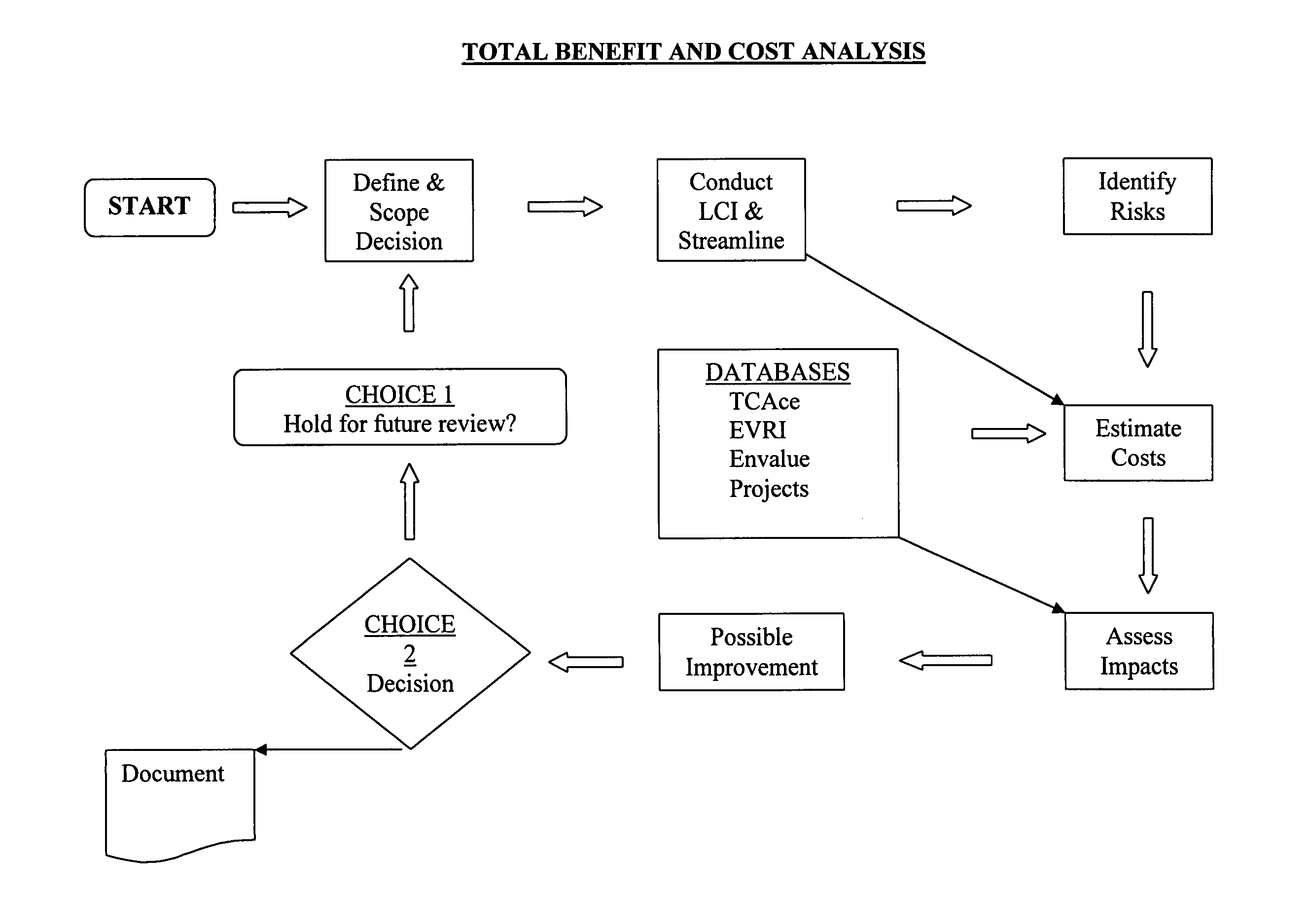
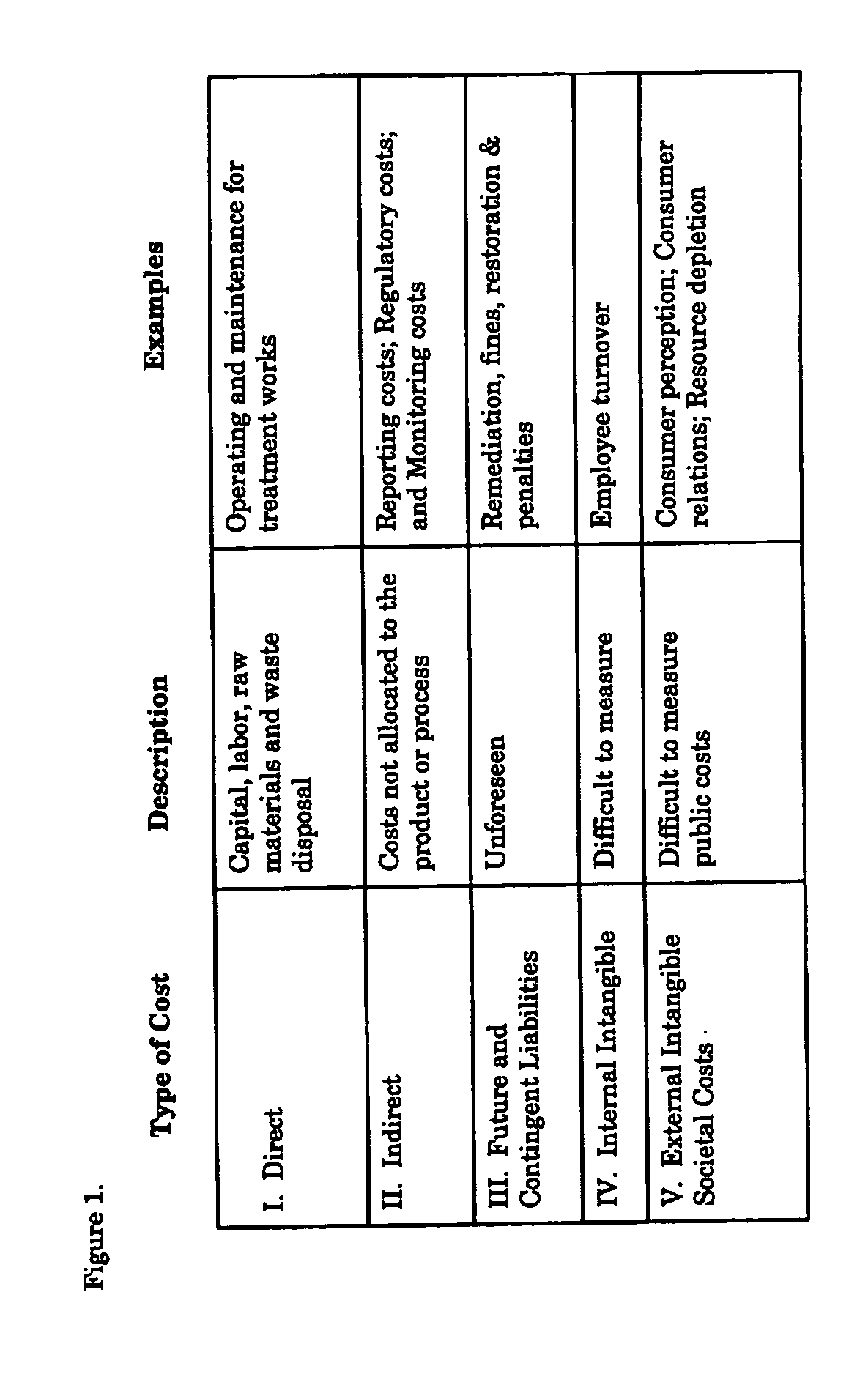
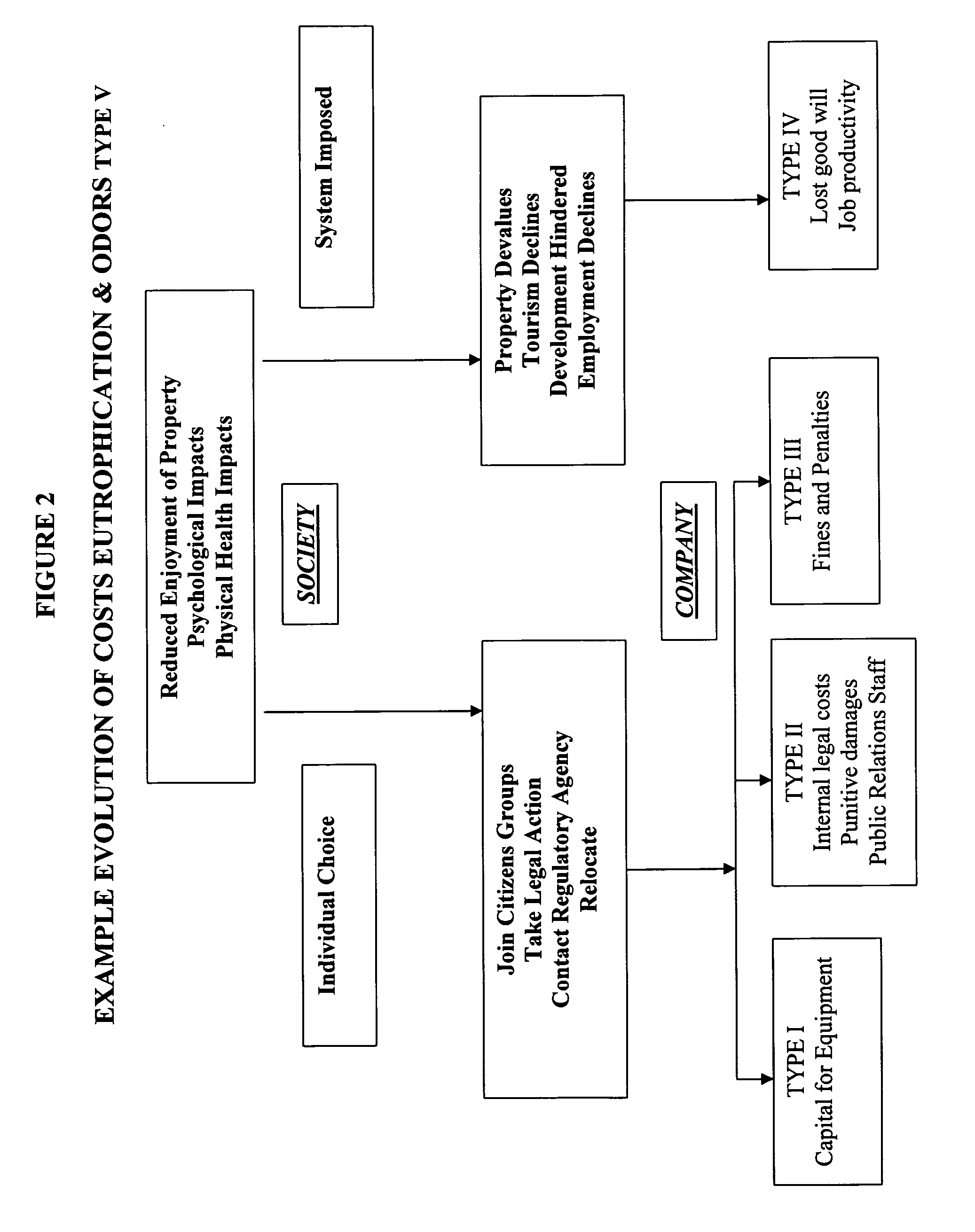
Means for incorporating sustainability metrics and total cost benefit analysis in decision-making
PatentInactiveUS20120004938A1
Innovation
- A novel method combining software and business management techniques to simplify the integration of environmental and societal cost data, enabling the computation of key metrics such as material use, energy use, and pollutant emissions, and facilitating the estimation of net present values of environmental impacts, which can be integrated into industrial and governmental decision planning.

A filtration system
PatentWO2020043368A1
Innovation
- A filtration system comprising a plastic filter support strip and a polymer filter embedded with waste microfibers, which can be recycled and reused, minimizing raw material usage and preventing environmental harm.


Environmental Regulations for Microfiber Production
The regulatory landscape for microfiber production has evolved significantly in response to growing environmental concerns about synthetic textile pollution. Current environmental regulations primarily focus on water discharge standards, chemical usage restrictions, and waste management protocols during the manufacturing process. The European Union leads regulatory development through the REACH regulation, which restricts hazardous substances in textile production, while the Water Framework Directive establishes stringent limits on industrial wastewater discharge containing microfiber particles.
In the United States, the Environmental Protection Agency enforces the Clean Water Act provisions that govern textile manufacturing effluents, requiring facilities to implement best available technology for pollutant reduction. State-level regulations, particularly in California and New York, have introduced additional requirements for microfiber capture systems in industrial washing processes. These regulations mandate installation of filtration technologies capable of capturing particles smaller than 100 micrometers before discharge.
Asian manufacturing hubs are implementing increasingly strict environmental standards. China's revised Environmental Protection Law includes specific provisions for synthetic textile production, requiring manufacturers to adopt cleaner production technologies and implement comprehensive environmental management systems. Japan and South Korea have established voluntary industry standards that are gradually transitioning to mandatory compliance frameworks, focusing on lifecycle assessment requirements for synthetic fiber production.
Emerging regulatory trends indicate a shift toward extended producer responsibility frameworks, where manufacturers bear accountability for the entire lifecycle environmental impact of their products. The proposed EU Strategy for Sustainable and Circular Textiles includes provisions for mandatory microfiber shedding testing and labeling requirements. Several countries are developing regulations requiring installation of microfiber-catching devices in commercial and residential washing machines.
Compliance costs vary significantly across jurisdictions, with European facilities typically facing higher regulatory burdens due to comprehensive environmental monitoring requirements. The regulatory complexity creates challenges for global manufacturers who must navigate multiple compliance frameworks while maintaining cost competitiveness. Future regulatory developments are expected to focus on standardizing international testing methodologies and establishing global minimum standards for microfiber emission reduction in textile production processes.
In the United States, the Environmental Protection Agency enforces the Clean Water Act provisions that govern textile manufacturing effluents, requiring facilities to implement best available technology for pollutant reduction. State-level regulations, particularly in California and New York, have introduced additional requirements for microfiber capture systems in industrial washing processes. These regulations mandate installation of filtration technologies capable of capturing particles smaller than 100 micrometers before discharge.
Asian manufacturing hubs are implementing increasingly strict environmental standards. China's revised Environmental Protection Law includes specific provisions for synthetic textile production, requiring manufacturers to adopt cleaner production technologies and implement comprehensive environmental management systems. Japan and South Korea have established voluntary industry standards that are gradually transitioning to mandatory compliance frameworks, focusing on lifecycle assessment requirements for synthetic fiber production.
Emerging regulatory trends indicate a shift toward extended producer responsibility frameworks, where manufacturers bear accountability for the entire lifecycle environmental impact of their products. The proposed EU Strategy for Sustainable and Circular Textiles includes provisions for mandatory microfiber shedding testing and labeling requirements. Several countries are developing regulations requiring installation of microfiber-catching devices in commercial and residential washing machines.
Compliance costs vary significantly across jurisdictions, with European facilities typically facing higher regulatory burdens due to comprehensive environmental monitoring requirements. The regulatory complexity creates challenges for global manufacturers who must navigate multiple compliance frameworks while maintaining cost competitiveness. Future regulatory developments are expected to focus on standardizing international testing methodologies and establishing global minimum standards for microfiber emission reduction in textile production processes.
Life Cycle Assessment Framework for Microfibers
Life Cycle Assessment (LCA) provides a comprehensive methodological framework for evaluating the environmental impacts of microfibers throughout their entire existence, from raw material extraction to end-of-life disposal. This systematic approach enables quantitative assessment of resource consumption, energy usage, emissions, and waste generation across all stages of the microfiber lifecycle, establishing the foundation for robust sustainability evaluations.
The LCA framework for microfibers encompasses four distinct phases following ISO 14040/14044 standards. The goal and scope definition phase establishes assessment boundaries, functional units, and impact categories specific to microfiber applications. Inventory analysis quantifies inputs and outputs including raw materials, energy, water consumption, and emissions during fiber production, textile manufacturing, use phase, and disposal processes.
Impact assessment translates inventory data into potential environmental effects, focusing on categories particularly relevant to microfibers such as marine ecotoxicity, freshwater eutrophication, fossil fuel depletion, and climate change. The framework incorporates specialized characterization factors for microplastic pollution, addressing the unique environmental persistence and bioaccumulation potential of synthetic microfibers in aquatic ecosystems.
System boundaries definition proves critical for microfiber LCA, requiring careful consideration of upstream processes including polymer production, spinning, dyeing, and finishing operations. The use phase modeling incorporates washing frequency, microfiber shedding rates, and wastewater treatment efficiency, while end-of-life scenarios account for recycling potential, incineration, and landfill disposal pathways.
The framework integrates dynamic modeling approaches to capture temporal variations in microfiber release patterns and environmental fate. This includes consideration of seasonal washing behaviors, regional wastewater treatment capabilities, and long-term accumulation effects in marine environments. Uncertainty analysis and sensitivity testing ensure robust conclusions despite data limitations in emerging microfiber research areas.
Standardized data collection protocols within the LCA framework facilitate consistent assessment across different microfiber types, including polyester, nylon, and acrylic variants. The methodology accommodates comparative analysis between synthetic and natural fiber alternatives, supporting informed decision-making in textile material selection and product design optimization for enhanced sustainability performance.
The LCA framework for microfibers encompasses four distinct phases following ISO 14040/14044 standards. The goal and scope definition phase establishes assessment boundaries, functional units, and impact categories specific to microfiber applications. Inventory analysis quantifies inputs and outputs including raw materials, energy, water consumption, and emissions during fiber production, textile manufacturing, use phase, and disposal processes.
Impact assessment translates inventory data into potential environmental effects, focusing on categories particularly relevant to microfibers such as marine ecotoxicity, freshwater eutrophication, fossil fuel depletion, and climate change. The framework incorporates specialized characterization factors for microplastic pollution, addressing the unique environmental persistence and bioaccumulation potential of synthetic microfibers in aquatic ecosystems.
System boundaries definition proves critical for microfiber LCA, requiring careful consideration of upstream processes including polymer production, spinning, dyeing, and finishing operations. The use phase modeling incorporates washing frequency, microfiber shedding rates, and wastewater treatment efficiency, while end-of-life scenarios account for recycling potential, incineration, and landfill disposal pathways.
The framework integrates dynamic modeling approaches to capture temporal variations in microfiber release patterns and environmental fate. This includes consideration of seasonal washing behaviors, regional wastewater treatment capabilities, and long-term accumulation effects in marine environments. Uncertainty analysis and sensitivity testing ensure robust conclusions despite data limitations in emerging microfiber research areas.
Standardized data collection protocols within the LCA framework facilitate consistent assessment across different microfiber types, including polyester, nylon, and acrylic variants. The methodology accommodates comparative analysis between synthetic and natural fiber alternatives, supporting informed decision-making in textile material selection and product design optimization for enhanced sustainability performance.
Unlock deeper insights with Patsnap Eureka Quick Research — get a full tech report to explore trends and direct your research. Try now!
Generate Your Research Report Instantly with AI Agent
Supercharge your innovation with Patsnap Eureka AI Agent Platform!