

Assessing Surface Energy for Cutting-Edge Wearable Technologies
FEB 26, 20269 MIN READ
Generate Your Research Report Instantly with AI Agent
PatSnap Eureka helps you evaluate technical feasibility & market potential.
Surface Energy Assessment Background and Objectives
Surface energy assessment has emerged as a critical parameter in the development of next-generation wearable technologies, fundamentally influencing device performance, user comfort, and long-term reliability. As wearable devices become increasingly sophisticated and ubiquitous, understanding and controlling surface energy properties has transitioned from a peripheral consideration to a core engineering requirement that directly impacts product success in competitive markets.
The evolution of wearable technology has created unprecedented demands for materials that can maintain optimal surface characteristics under diverse environmental conditions. Traditional approaches to surface treatment and material selection, originally developed for static applications, prove inadequate when applied to dynamic wearable systems that experience continuous mechanical stress, temperature fluctuations, and exposure to biological fluids. This paradigm shift necessitates comprehensive surface energy assessment methodologies specifically tailored for wearable applications.
Contemporary wearable devices face multifaceted challenges related to surface energy management, including biocompatibility requirements, moisture management, adhesion optimization, and contamination resistance. The integration of flexible electronics, advanced sensors, and biomedical monitoring capabilities demands precise control over surface wetting properties, interfacial adhesion strength, and long-term stability under physiological conditions. These requirements extend beyond conventional surface engineering approaches and require innovative assessment techniques.
The primary objective of advanced surface energy assessment in wearable technologies centers on developing predictive models that can accurately forecast surface behavior throughout the device lifecycle. This includes establishing correlations between surface energy parameters and critical performance metrics such as sensor accuracy, user comfort, device durability, and biocompatibility. Additionally, the assessment framework aims to identify optimal surface energy ranges for different wearable applications, from fitness trackers to medical monitoring devices.
Furthermore, the assessment methodology seeks to bridge the gap between laboratory-scale surface characterization and real-world performance validation. This involves developing standardized testing protocols that can simulate the complex environmental conditions encountered during actual device usage, including skin contact, perspiration exposure, mechanical deformation, and cleaning cycles. The ultimate goal is establishing a comprehensive surface energy database that enables rapid material selection and surface treatment optimization for emerging wearable technologies.
The evolution of wearable technology has created unprecedented demands for materials that can maintain optimal surface characteristics under diverse environmental conditions. Traditional approaches to surface treatment and material selection, originally developed for static applications, prove inadequate when applied to dynamic wearable systems that experience continuous mechanical stress, temperature fluctuations, and exposure to biological fluids. This paradigm shift necessitates comprehensive surface energy assessment methodologies specifically tailored for wearable applications.
Contemporary wearable devices face multifaceted challenges related to surface energy management, including biocompatibility requirements, moisture management, adhesion optimization, and contamination resistance. The integration of flexible electronics, advanced sensors, and biomedical monitoring capabilities demands precise control over surface wetting properties, interfacial adhesion strength, and long-term stability under physiological conditions. These requirements extend beyond conventional surface engineering approaches and require innovative assessment techniques.
The primary objective of advanced surface energy assessment in wearable technologies centers on developing predictive models that can accurately forecast surface behavior throughout the device lifecycle. This includes establishing correlations between surface energy parameters and critical performance metrics such as sensor accuracy, user comfort, device durability, and biocompatibility. Additionally, the assessment framework aims to identify optimal surface energy ranges for different wearable applications, from fitness trackers to medical monitoring devices.
Furthermore, the assessment methodology seeks to bridge the gap between laboratory-scale surface characterization and real-world performance validation. This involves developing standardized testing protocols that can simulate the complex environmental conditions encountered during actual device usage, including skin contact, perspiration exposure, mechanical deformation, and cleaning cycles. The ultimate goal is establishing a comprehensive surface energy database that enables rapid material selection and surface treatment optimization for emerging wearable technologies.
Market Demand for Advanced Wearable Surface Technologies
The global wearable technology market is experiencing unprecedented growth driven by increasing consumer awareness of health monitoring, fitness tracking, and seamless digital integration. Surface energy assessment has emerged as a critical factor in determining device performance, user comfort, and long-term durability. Advanced wearable surface technologies are becoming essential for manufacturers seeking to differentiate their products in an increasingly competitive landscape.
Healthcare applications represent the largest demand segment for advanced wearable surface technologies. Medical-grade wearables require surfaces with precise biocompatibility characteristics, controlled hydrophilicity for accurate biosensor readings, and antimicrobial properties to prevent skin irritation during extended wear. The aging global population and rising prevalence of chronic diseases are driving healthcare providers to adopt continuous monitoring solutions, creating substantial demand for wearables with optimized surface energy properties.
Consumer fitness and wellness markets are demanding wearables with enhanced comfort and durability features. Users expect devices that remain comfortable during intense physical activities while maintaining sensor accuracy despite exposure to sweat, oils, and environmental contaminants. Surface energy optimization enables manufacturers to develop hydrophobic coatings that repel moisture while maintaining skin-friendly contact properties, addressing key consumer pain points.
The enterprise and industrial sectors are emerging as significant growth drivers for specialized wearable surface technologies. Workers in harsh environments require devices with surfaces engineered to resist chemical exposure, extreme temperatures, and mechanical stress while maintaining functionality. These applications demand sophisticated surface energy management to ensure reliable performance in challenging conditions.
Smart textile integration is creating new market opportunities for surface energy assessment technologies. As wearables evolve beyond rigid devices toward flexible, fabric-integrated solutions, understanding and controlling surface interactions between electronic components and textile fibers becomes crucial. This convergence is driving demand for advanced characterization tools and surface modification techniques.
Regional market dynamics show strong growth in Asia-Pacific regions, where manufacturing capabilities and consumer adoption rates are accelerating demand for advanced surface technologies. North American and European markets are focusing on premium applications with stringent regulatory requirements, particularly in medical and professional use cases.
The market is also responding to sustainability concerns, with increasing demand for surface technologies that enable device longevity, reduce material waste, and support circular economy principles. Manufacturers are seeking surface energy solutions that extend product lifecycles while maintaining performance standards.
Healthcare applications represent the largest demand segment for advanced wearable surface technologies. Medical-grade wearables require surfaces with precise biocompatibility characteristics, controlled hydrophilicity for accurate biosensor readings, and antimicrobial properties to prevent skin irritation during extended wear. The aging global population and rising prevalence of chronic diseases are driving healthcare providers to adopt continuous monitoring solutions, creating substantial demand for wearables with optimized surface energy properties.
Consumer fitness and wellness markets are demanding wearables with enhanced comfort and durability features. Users expect devices that remain comfortable during intense physical activities while maintaining sensor accuracy despite exposure to sweat, oils, and environmental contaminants. Surface energy optimization enables manufacturers to develop hydrophobic coatings that repel moisture while maintaining skin-friendly contact properties, addressing key consumer pain points.
The enterprise and industrial sectors are emerging as significant growth drivers for specialized wearable surface technologies. Workers in harsh environments require devices with surfaces engineered to resist chemical exposure, extreme temperatures, and mechanical stress while maintaining functionality. These applications demand sophisticated surface energy management to ensure reliable performance in challenging conditions.
Smart textile integration is creating new market opportunities for surface energy assessment technologies. As wearables evolve beyond rigid devices toward flexible, fabric-integrated solutions, understanding and controlling surface interactions between electronic components and textile fibers becomes crucial. This convergence is driving demand for advanced characterization tools and surface modification techniques.
Regional market dynamics show strong growth in Asia-Pacific regions, where manufacturing capabilities and consumer adoption rates are accelerating demand for advanced surface technologies. North American and European markets are focusing on premium applications with stringent regulatory requirements, particularly in medical and professional use cases.
The market is also responding to sustainability concerns, with increasing demand for surface technologies that enable device longevity, reduce material waste, and support circular economy principles. Manufacturers are seeking surface energy solutions that extend product lifecycles while maintaining performance standards.
Current Surface Energy Measurement Challenges in Wearables
Surface energy measurement in wearable technologies faces unprecedented challenges due to the unique operational environments and material constraints inherent to these devices. Traditional contact angle measurement techniques, while effective for laboratory conditions, encounter significant limitations when applied to flexible, curved, and miniaturized surfaces typical of wearable devices. The dynamic nature of wearable surfaces, which undergo continuous deformation during use, creates measurement inconsistencies that conventional static measurement approaches cannot adequately address.
The heterogeneous material composition of modern wearables presents another critical challenge. These devices typically integrate multiple materials including polymers, metals, ceramics, and bio-compatible coatings within microscopic dimensions. Each material exhibits distinct surface energy characteristics, creating complex interfacial interactions that are difficult to characterize using standard measurement protocols. The presence of micro-textures and nano-scale surface modifications further complicates accurate surface energy assessment.
Environmental factors significantly impact measurement reliability in wearable applications. Body heat, moisture, and chemical exposure from skin contact continuously alter surface properties, making it challenging to establish baseline measurements. Temperature fluctuations between 32°C and 40°C during normal wear can cause substantial variations in surface energy values, while perspiration introduces ionic contamination that affects measurement accuracy.
Scale limitations pose fundamental measurement challenges. Many wearable components operate at micro and nano scales where traditional measurement techniques lose precision. Droplet-based methods become impractical when dealing with surface areas smaller than the measurement probe itself. Additionally, the requirement for non-destructive testing in functional devices restricts the use of many conventional characterization methods.
Real-time monitoring capabilities remain largely underdeveloped. Current measurement techniques require controlled laboratory conditions and extended measurement times, making them unsuitable for continuous monitoring during device operation. The lack of in-situ measurement capabilities prevents understanding of surface energy evolution during actual use conditions, limiting the development of predictive maintenance strategies.
Standardization across different wearable platforms presents ongoing difficulties. The absence of industry-wide measurement protocols leads to inconsistent data interpretation and limits comparative analysis between different technologies. This standardization gap hinders the development of universal design guidelines and quality control measures essential for advancing wearable technology reliability and performance optimization.
The heterogeneous material composition of modern wearables presents another critical challenge. These devices typically integrate multiple materials including polymers, metals, ceramics, and bio-compatible coatings within microscopic dimensions. Each material exhibits distinct surface energy characteristics, creating complex interfacial interactions that are difficult to characterize using standard measurement protocols. The presence of micro-textures and nano-scale surface modifications further complicates accurate surface energy assessment.
Environmental factors significantly impact measurement reliability in wearable applications. Body heat, moisture, and chemical exposure from skin contact continuously alter surface properties, making it challenging to establish baseline measurements. Temperature fluctuations between 32°C and 40°C during normal wear can cause substantial variations in surface energy values, while perspiration introduces ionic contamination that affects measurement accuracy.
Scale limitations pose fundamental measurement challenges. Many wearable components operate at micro and nano scales where traditional measurement techniques lose precision. Droplet-based methods become impractical when dealing with surface areas smaller than the measurement probe itself. Additionally, the requirement for non-destructive testing in functional devices restricts the use of many conventional characterization methods.
Real-time monitoring capabilities remain largely underdeveloped. Current measurement techniques require controlled laboratory conditions and extended measurement times, making them unsuitable for continuous monitoring during device operation. The lack of in-situ measurement capabilities prevents understanding of surface energy evolution during actual use conditions, limiting the development of predictive maintenance strategies.
Standardization across different wearable platforms presents ongoing difficulties. The absence of industry-wide measurement protocols leads to inconsistent data interpretation and limits comparative analysis between different technologies. This standardization gap hinders the development of universal design guidelines and quality control measures essential for advancing wearable technology reliability and performance optimization.
Existing Surface Energy Evaluation Solutions
01 Surface energy modification through coating materials
Methods and compositions for modifying surface energy through the application of specialized coating materials. These coatings can alter the wettability and adhesion properties of surfaces by changing their surface energy characteristics. The coatings may include polymeric materials, surfactants, or other chemical compounds that create a modified surface layer with desired energy properties.- Surface energy measurement and characterization methods: Various techniques and apparatus have been developed for measuring and characterizing surface energy of materials. These methods involve analyzing the interaction between test liquids and solid surfaces to determine surface tension, wettability, and other surface properties. Advanced measurement systems utilize contact angle analysis, drop shape analysis, and automated testing procedures to accurately quantify surface energy parameters for quality control and material characterization purposes.
- Surface energy modification through plasma treatment: Plasma treatment techniques are employed to modify surface energy characteristics of various substrates. These processes utilize ionized gases and electromagnetic fields to alter surface chemistry and topography, thereby changing wettability and adhesion properties. The treatment can be applied to polymers, metals, and composite materials to enhance bonding, coating adhesion, or create hydrophobic or hydrophilic surfaces depending on application requirements.
- Surface energy control in coating and printing applications: Control of surface energy is critical in coating and printing processes to ensure proper ink transfer, coating uniformity, and adhesion. Formulations and surface treatments are designed to optimize the surface energy balance between substrates and applied materials. This includes the use of surfactants, primers, and surface modifiers that adjust interfacial tension to improve spreading, leveling, and final product quality.
- Low surface energy materials and coatings: Development of materials and coatings with low surface energy properties for applications requiring water repellency, anti-fouling, or easy-clean characteristics. These formulations typically incorporate fluorinated compounds, silicones, or other low-energy polymers that create surfaces with minimal wettability. Such materials find applications in protective coatings, self-cleaning surfaces, and anti-adhesive treatments across various industries.
- Surface energy in adhesion and bonding processes: Surface energy plays a fundamental role in adhesion mechanisms and bonding strength between materials. Understanding and controlling surface energy enables optimization of adhesive joint performance, lamination processes, and composite material fabrication. Techniques include surface activation, chemical modification, and the use of coupling agents to enhance interfacial interactions and achieve stronger, more durable bonds between dissimilar materials.
02 Surface energy measurement and characterization techniques
Techniques and apparatus for measuring and characterizing surface energy properties of materials. These methods involve contact angle measurements, surface tension analysis, and other analytical approaches to determine the surface energy characteristics. The measurement systems can be used for quality control and material selection in various industrial applications.Expand Specific Solutions03 Surface treatment for enhanced adhesion
Surface treatment processes designed to increase surface energy for improved adhesion between materials. These treatments may include plasma treatment, corona discharge, chemical etching, or other physical or chemical modification methods. The enhanced surface energy promotes better bonding in lamination, coating, and assembly processes.Expand Specific Solutions04 Low surface energy materials and applications
Development and application of materials with low surface energy characteristics for anti-fouling, water-repellent, or release properties. These materials typically incorporate fluorinated compounds, silicones, or other low-energy substances to create surfaces that resist wetting and adhesion. Applications include protective coatings, self-cleaning surfaces, and non-stick materials.Expand Specific Solutions05 Surface energy control in manufacturing processes
Methods for controlling surface energy during manufacturing operations to optimize product quality and process efficiency. This includes managing surface energy in printing, coating, molding, and other fabrication processes. Control techniques may involve surface preparation, environmental conditioning, or the use of additives to achieve desired surface energy levels for specific manufacturing requirements.Expand Specific Solutions
Key Players in Surface Energy and Wearable Industries
The surface energy assessment for cutting-edge wearable technologies represents a rapidly evolving market in the growth stage, driven by increasing demand for advanced wearable devices and flexible electronics. The market demonstrates significant expansion potential as consumer electronics giants and specialized technology firms invest heavily in surface engineering solutions. Technology maturity varies considerably across players, with established companies like Samsung Electronics, Huawei Technologies, and LG Chem leading in commercialized applications, while Google LLC and Sharp Corp. focus on integration capabilities. Research institutions including Beijing Institute of Technology, Xidian University, and Technion Research & Development Foundation contribute fundamental breakthroughs. Emerging specialists like OTI Lumionics and E Ink California LLC develop niche surface energy solutions. Material science leaders such as 3M Innovative Properties and SABIC Global Technologies provide foundational technologies, creating a diverse ecosystem spanning from basic research to commercial implementation across multiple technology readiness levels.
Shenzhen Goodix Technology Co., Ltd.
Technical Solution: Goodix specializes in surface energy optimization for capacitive touch and biometric sensors in wearable devices. Their technology focuses on maintaining consistent surface properties for fingerprint recognition and touch sensitivity across various environmental conditions. The company employs surface energy mapping techniques to ensure uniform sensor performance, utilizing specialized coatings that balance hydrophobic properties with electrical conductivity requirements. Their approach includes accelerated aging tests that simulate long-term surface energy changes under typical wearable usage conditions.
Strengths: Sensor integration expertise, proven touch technology, cost-effective manufacturing. Weaknesses: Limited scope beyond touch/biometric applications, primarily focused on rigid sensor surfaces rather than flexible substrates.
Huawei Technologies Co., Ltd.
Technical Solution: Huawei's surface energy assessment framework for wearables emphasizes biocompatibility and sensor accuracy optimization. Their technology combines atomic force microscopy with contact angle measurements to evaluate skin-contact surfaces on smartwatches and fitness bands. The company has developed proprietary algorithms that correlate surface energy parameters with sensor performance, particularly for heart rate and SpO2 monitoring. Their approach includes real-time surface degradation monitoring through embedded sensors that track changes in surface wettability over device lifetime.
Strengths: Integrated sensor-surface optimization, real-time monitoring capabilities, strong R&D investment. Weaknesses: Limited global market access, focus primarily on consumer rather than medical-grade applications.
Core Innovations in Wearable Surface Energy Assessment
Method for measuring the topography and surface energy of a surface of a solid sample by confocal microscope and device for carrying it out
PatentInactiveEP3282224A1
Innovation
- A method and device using a confocal microscope to simultaneously measure topography and contact angle in the same area of a solid surface, employing a common external coordinate system and models like Wenzel or Cassie-Baxter to calculate surface energy, with a system for precise drop placement and fluorescence detection for biological incrustations.


System and method for measuring surface energies
PatentInactiveUS20100206057A1
Innovation
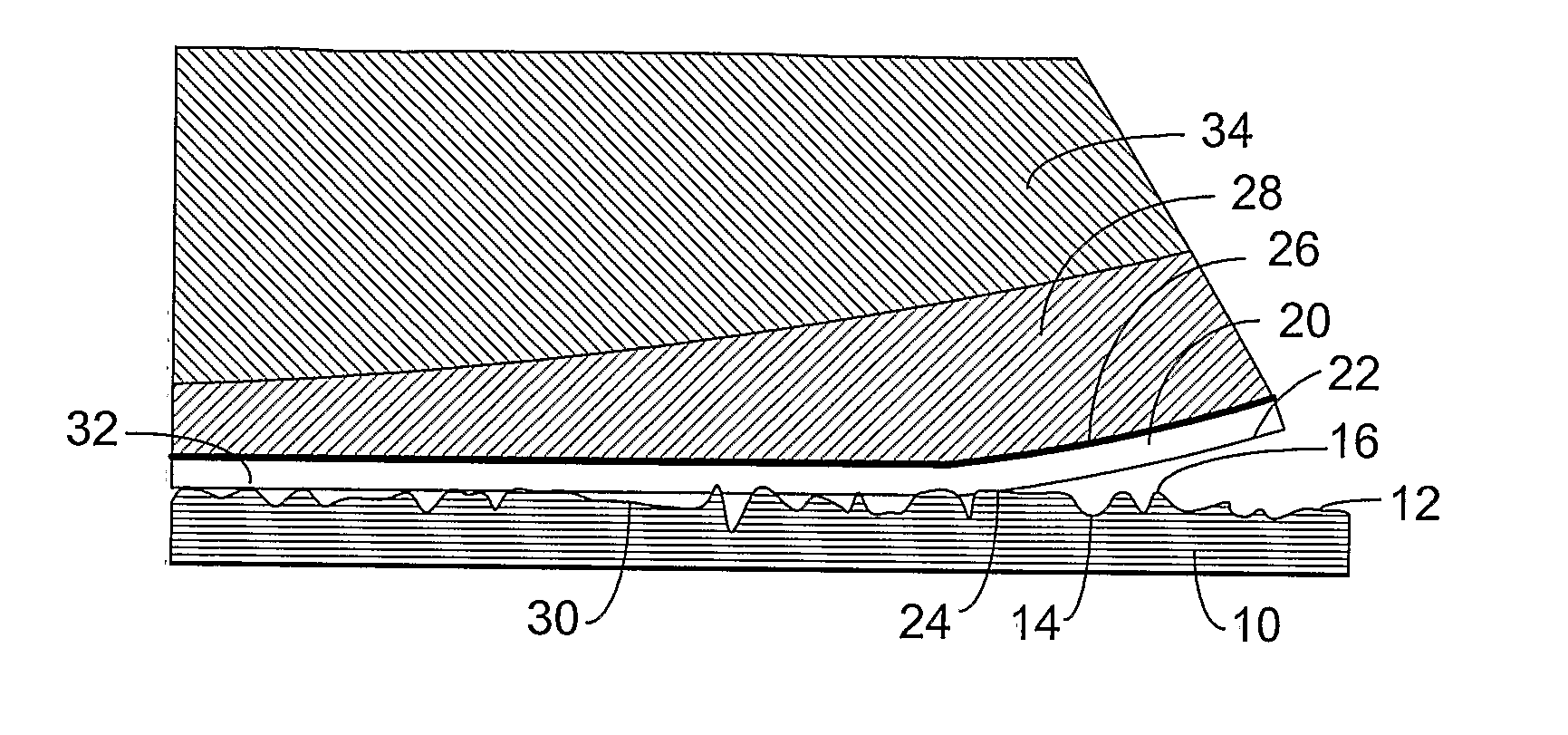
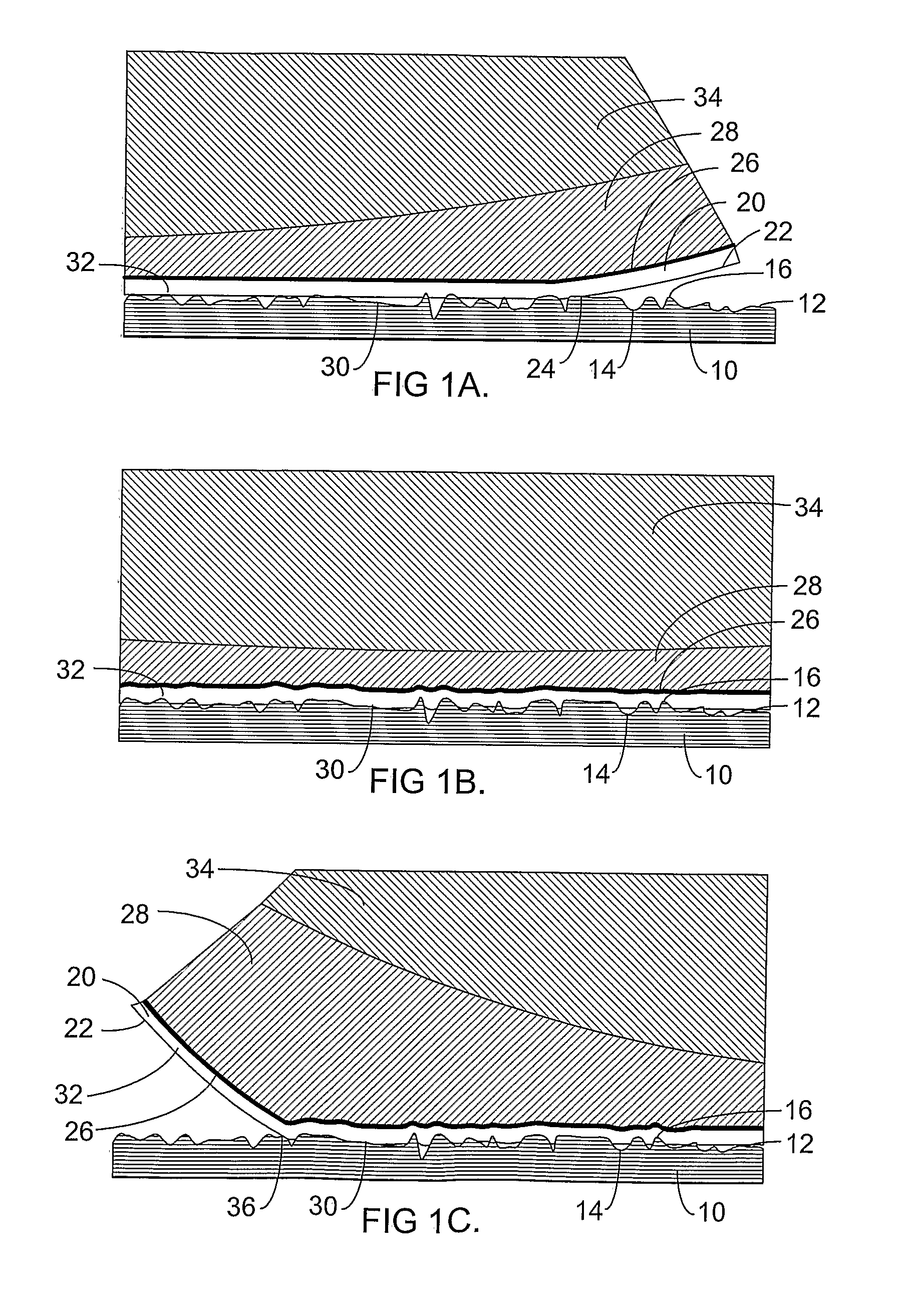
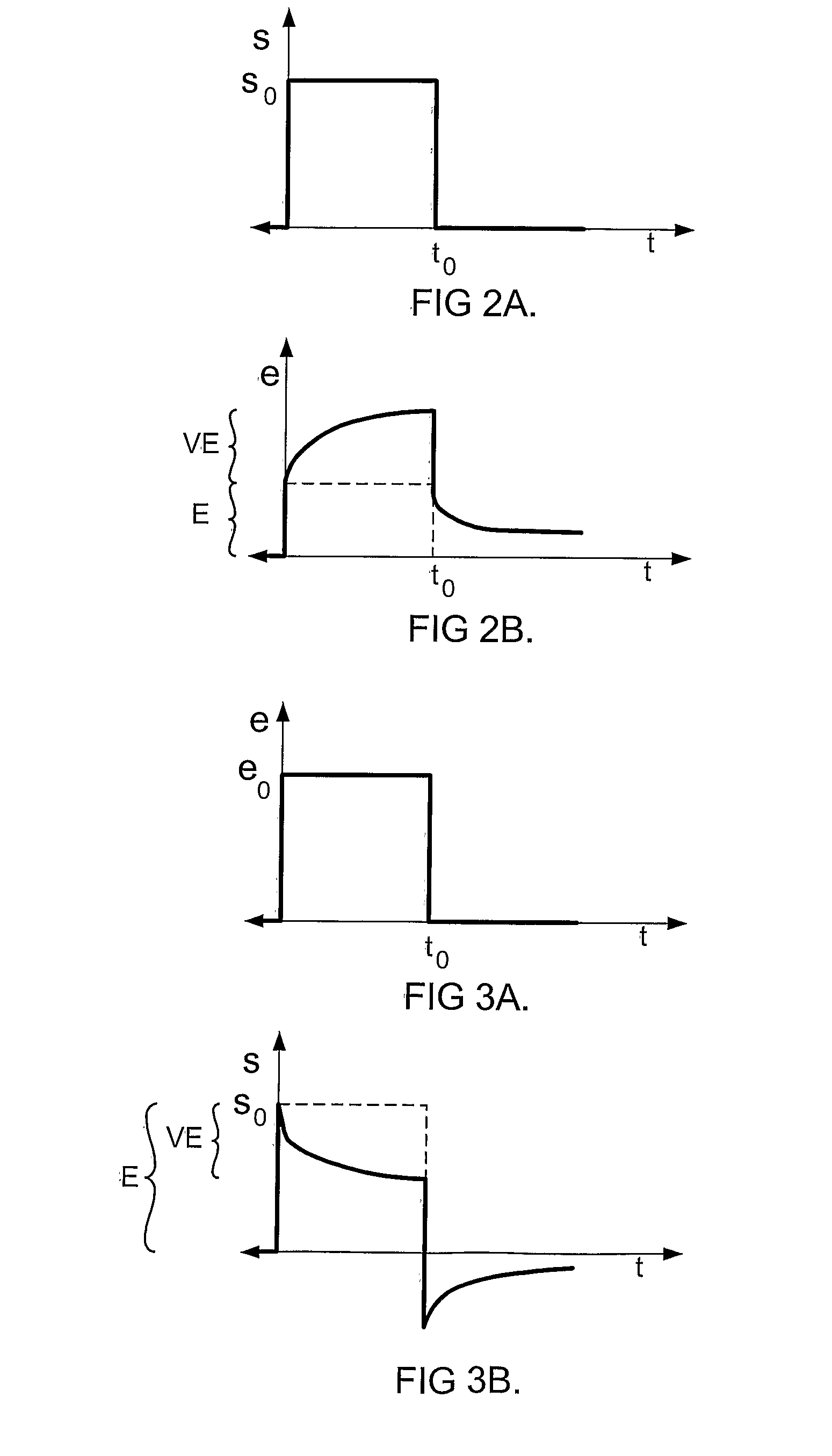
- A viscoelastic polymer layer is used on a moveable component that is compressed and moved relative to the test surface, with the drive force measured to determine surface energy, accounting for roughness variations and providing a portable, inexpensive method for assessing surface preparation.

Material Safety Standards for Wearable Surface Technologies
Material safety standards for wearable surface technologies represent a critical framework governing the development and deployment of next-generation wearable devices. These standards encompass comprehensive guidelines that address biocompatibility, chemical safety, and long-term exposure protocols specifically tailored for devices that maintain direct skin contact. The regulatory landscape includes established frameworks such as ISO 10993 for biological evaluation of medical devices, ASTM standards for skin sensitization testing, and emerging guidelines specifically developed for consumer wearable technologies.
Biocompatibility requirements form the cornerstone of material safety standards, mandating extensive testing protocols for cytotoxicity, sensitization, and irritation potential. Materials used in wearable surface technologies must undergo rigorous evaluation including in vitro cell viability assays, patch testing procedures, and long-term dermal exposure studies. These assessments are particularly crucial for surface-modified materials where altered surface energy characteristics may influence biological interactions and cellular responses.
Chemical safety protocols address the potential migration of harmful substances from wearable materials into biological systems. Standards specify acceptable limits for heavy metals, volatile organic compounds, and endocrine-disrupting chemicals that may leach from surface treatments or coatings. Particular attention is given to materials with engineered surface properties, as surface energy modifications can potentially alter the release kinetics of embedded chemicals or processing residues.
Regulatory compliance frameworks vary significantly across global markets, with the European Union's REACH regulation, FDA guidelines for medical wearables, and emerging standards from organizations like the Consumer Technology Association establishing different requirements. These frameworks increasingly recognize the unique challenges posed by advanced surface technologies, including nanomaterial coatings and plasma-treated surfaces that exhibit modified surface energy characteristics.
Testing methodologies continue to evolve to address the specific challenges of evaluating surface-modified materials. Advanced characterization techniques including surface energy mapping, contact angle analysis, and accelerated aging studies are becoming integral components of safety assessment protocols. These methods help predict long-term material behavior and potential safety implications under various environmental and usage conditions.
Future regulatory developments are expected to address emerging concerns related to smart materials, self-healing surfaces, and adaptive surface technologies that dynamically alter their properties during use. The integration of artificial intelligence in safety assessment and the development of predictive models for material-skin interactions represent key areas of ongoing standardization efforts.
Biocompatibility requirements form the cornerstone of material safety standards, mandating extensive testing protocols for cytotoxicity, sensitization, and irritation potential. Materials used in wearable surface technologies must undergo rigorous evaluation including in vitro cell viability assays, patch testing procedures, and long-term dermal exposure studies. These assessments are particularly crucial for surface-modified materials where altered surface energy characteristics may influence biological interactions and cellular responses.
Chemical safety protocols address the potential migration of harmful substances from wearable materials into biological systems. Standards specify acceptable limits for heavy metals, volatile organic compounds, and endocrine-disrupting chemicals that may leach from surface treatments or coatings. Particular attention is given to materials with engineered surface properties, as surface energy modifications can potentially alter the release kinetics of embedded chemicals or processing residues.
Regulatory compliance frameworks vary significantly across global markets, with the European Union's REACH regulation, FDA guidelines for medical wearables, and emerging standards from organizations like the Consumer Technology Association establishing different requirements. These frameworks increasingly recognize the unique challenges posed by advanced surface technologies, including nanomaterial coatings and plasma-treated surfaces that exhibit modified surface energy characteristics.
Testing methodologies continue to evolve to address the specific challenges of evaluating surface-modified materials. Advanced characterization techniques including surface energy mapping, contact angle analysis, and accelerated aging studies are becoming integral components of safety assessment protocols. These methods help predict long-term material behavior and potential safety implications under various environmental and usage conditions.
Future regulatory developments are expected to address emerging concerns related to smart materials, self-healing surfaces, and adaptive surface technologies that dynamically alter their properties during use. The integration of artificial intelligence in safety assessment and the development of predictive models for material-skin interactions represent key areas of ongoing standardization efforts.
Biocompatibility Considerations in Wearable Surface Design
Biocompatibility represents a fundamental prerequisite for wearable technologies that maintain prolonged contact with human skin. Surface energy characteristics directly influence the biological response at the skin-device interface, affecting protein adsorption, cellular adhesion, and inflammatory reactions. Materials with inappropriate surface energy profiles can trigger adverse biological responses, including contact dermatitis, allergic reactions, and chronic inflammation, ultimately compromising device performance and user safety.
The relationship between surface energy and biocompatibility manifests through multiple mechanisms. High-energy surfaces typically exhibit increased protein adsorption, potentially leading to enhanced bacterial adhesion and biofilm formation. Conversely, surfaces with optimized energy characteristics can minimize unwanted biological interactions while maintaining necessary adhesion for device functionality. Understanding this balance is crucial for developing wearable devices that can be worn continuously without causing skin irritation or sensitization.
Material selection for biocompatible wearable surfaces requires careful consideration of surface energy parameters alongside traditional biocompatibility metrics. Silicone-based materials, with their inherently low surface energy and established biocompatibility profile, have emerged as preferred choices for many applications. However, emerging materials such as biocompatible polymers with tunable surface properties offer enhanced flexibility in achieving optimal surface energy characteristics while maintaining excellent biological compatibility.
Surface modification techniques play a pivotal role in achieving desired biocompatibility outcomes. Plasma treatment, chemical functionalization, and coating applications can significantly alter surface energy while introducing bioactive functionalities. These modifications must be carefully designed to avoid creating surfaces that promote unwanted biological responses or compromise the device's mechanical integrity during extended wear periods.
Regulatory considerations for biocompatible wearable surfaces encompass both surface energy-related properties and traditional biocompatibility assessments. ISO 10993 standards provide frameworks for evaluating biological responses, while emerging guidelines specifically address the unique challenges posed by wearable technologies. Surface energy measurements must be integrated with cytotoxicity testing, sensitization studies, and irritation assessments to ensure comprehensive biocompatibility validation.
Long-term biocompatibility presents additional challenges as surface properties may evolve during extended use. Factors such as protein accumulation, lipid absorption, and mechanical wear can alter surface energy characteristics over time, potentially affecting biocompatibility performance. Designing surfaces that maintain stable biocompatible properties throughout their intended lifespan requires understanding these dynamic interactions and implementing appropriate surface engineering strategies.
The relationship between surface energy and biocompatibility manifests through multiple mechanisms. High-energy surfaces typically exhibit increased protein adsorption, potentially leading to enhanced bacterial adhesion and biofilm formation. Conversely, surfaces with optimized energy characteristics can minimize unwanted biological interactions while maintaining necessary adhesion for device functionality. Understanding this balance is crucial for developing wearable devices that can be worn continuously without causing skin irritation or sensitization.
Material selection for biocompatible wearable surfaces requires careful consideration of surface energy parameters alongside traditional biocompatibility metrics. Silicone-based materials, with their inherently low surface energy and established biocompatibility profile, have emerged as preferred choices for many applications. However, emerging materials such as biocompatible polymers with tunable surface properties offer enhanced flexibility in achieving optimal surface energy characteristics while maintaining excellent biological compatibility.
Surface modification techniques play a pivotal role in achieving desired biocompatibility outcomes. Plasma treatment, chemical functionalization, and coating applications can significantly alter surface energy while introducing bioactive functionalities. These modifications must be carefully designed to avoid creating surfaces that promote unwanted biological responses or compromise the device's mechanical integrity during extended wear periods.
Regulatory considerations for biocompatible wearable surfaces encompass both surface energy-related properties and traditional biocompatibility assessments. ISO 10993 standards provide frameworks for evaluating biological responses, while emerging guidelines specifically address the unique challenges posed by wearable technologies. Surface energy measurements must be integrated with cytotoxicity testing, sensitization studies, and irritation assessments to ensure comprehensive biocompatibility validation.
Long-term biocompatibility presents additional challenges as surface properties may evolve during extended use. Factors such as protein accumulation, lipid absorption, and mechanical wear can alter surface energy characteristics over time, potentially affecting biocompatibility performance. Designing surfaces that maintain stable biocompatible properties throughout their intended lifespan requires understanding these dynamic interactions and implementing appropriate surface engineering strategies.
Unlock deeper insights with PatSnap Eureka Quick Research — get a full tech report to explore trends and direct your research. Try now!
Generate Your Research Report Instantly with AI Agent
Supercharge your innovation with PatSnap Eureka AI Agent Platform!