

Unveiling Surface Energy Potential in Microfluidic Systems
FEB 26, 20269 MIN READ
Generate Your Research Report Instantly with AI Agent
PatSnap Eureka helps you evaluate technical feasibility & market potential.
Surface Energy Fundamentals in Microfluidic Evolution
Surface energy represents a fundamental thermodynamic property that governs interfacial phenomena in microfluidic systems, arising from the imbalance of molecular forces at phase boundaries. This property has evolved from a theoretical concept in classical thermodynamics to a critical design parameter in modern microfluidic applications. The understanding of surface energy has progressed through distinct phases, beginning with Young's equation in 1805, advancing through Gibbs' surface thermodynamics in the late 19th century, and culminating in contemporary nanoscale surface engineering techniques.
The evolution of surface energy applications in microfluidics traces back to the early 2000s when researchers first recognized its potential for controlling fluid behavior at microscales. Initial investigations focused on basic wetting phenomena and contact angle measurements, establishing the foundation for surface energy manipulation. The field experienced significant advancement with the development of plasma treatment techniques and chemical functionalization methods, enabling precise control over surface properties.
Modern microfluidic systems leverage surface energy gradients to achieve sophisticated fluid manipulation without external pumps or valves. The progression from passive surface treatments to active surface energy modulation represents a paradigm shift in microfluidic design philosophy. This evolution encompasses the transition from uniform surface properties to spatially controlled energy landscapes, enabling complex fluidic operations through surface-driven mechanisms.
The integration of surface energy principles with digital microfluidics marked a revolutionary milestone, where discrete droplets are manipulated through electrowetting-induced surface energy changes. This advancement demonstrated the potential for programmable surface energy control, opening new possibilities for automated biochemical analysis and sample processing applications.
Contemporary research focuses on dynamic surface energy modulation using stimuli-responsive materials and external field applications. These developments represent the cutting edge of surface energy utilization, where real-time control over interfacial properties enables adaptive microfluidic systems. The evolution continues toward smart surfaces that can autonomously adjust their energy states based on environmental conditions or operational requirements.
The historical progression reveals an increasing sophistication in surface energy understanding and application, from static property characterization to dynamic, programmable surface energy landscapes that define the next generation of microfluidic technologies.
The evolution of surface energy applications in microfluidics traces back to the early 2000s when researchers first recognized its potential for controlling fluid behavior at microscales. Initial investigations focused on basic wetting phenomena and contact angle measurements, establishing the foundation for surface energy manipulation. The field experienced significant advancement with the development of plasma treatment techniques and chemical functionalization methods, enabling precise control over surface properties.
Modern microfluidic systems leverage surface energy gradients to achieve sophisticated fluid manipulation without external pumps or valves. The progression from passive surface treatments to active surface energy modulation represents a paradigm shift in microfluidic design philosophy. This evolution encompasses the transition from uniform surface properties to spatially controlled energy landscapes, enabling complex fluidic operations through surface-driven mechanisms.
The integration of surface energy principles with digital microfluidics marked a revolutionary milestone, where discrete droplets are manipulated through electrowetting-induced surface energy changes. This advancement demonstrated the potential for programmable surface energy control, opening new possibilities for automated biochemical analysis and sample processing applications.
Contemporary research focuses on dynamic surface energy modulation using stimuli-responsive materials and external field applications. These developments represent the cutting edge of surface energy utilization, where real-time control over interfacial properties enables adaptive microfluidic systems. The evolution continues toward smart surfaces that can autonomously adjust their energy states based on environmental conditions or operational requirements.
The historical progression reveals an increasing sophistication in surface energy understanding and application, from static property characterization to dynamic, programmable surface energy landscapes that define the next generation of microfluidic technologies.
Market Demand for Advanced Microfluidic Applications
The global microfluidics market is experiencing unprecedented growth driven by increasing demand for precision diagnostics, personalized medicine, and point-of-care testing solutions. Healthcare sectors worldwide are seeking miniaturized analytical platforms that can deliver rapid, accurate results while minimizing sample volumes and reagent consumption. This trend has created substantial market opportunities for advanced microfluidic applications that leverage surface energy optimization to enhance device performance and reliability.
Pharmaceutical and biotechnology companies represent the largest consumer segment for advanced microfluidic systems. These organizations require sophisticated platforms for drug discovery, cell analysis, and biomarker detection where surface energy control directly impacts assay sensitivity and reproducibility. The growing emphasis on precision medicine has intensified demand for microfluidic devices capable of single-cell analysis and rare cell isolation, applications where surface energy manipulation becomes critical for achieving optimal cell-surface interactions.
The diagnostic industry demonstrates strong appetite for microfluidic solutions that can improve test accuracy while reducing costs. Clinical laboratories and diagnostic manufacturers are particularly interested in systems that can handle complex biological samples without cross-contamination or sample loss. Surface energy engineering addresses these challenges by enabling better fluid control, reduced protein adsorption, and enhanced mixing efficiency within microscale channels.
Environmental monitoring and food safety sectors are emerging as significant growth areas for microfluidic applications. Regulatory pressures for rapid contamination detection and quality control have created demand for portable analytical devices. These applications require robust surface treatments that maintain performance across diverse sample matrices and environmental conditions, highlighting the commercial value of advanced surface energy solutions.
The research and academic market continues to drive innovation in microfluidic technologies. Universities and research institutions seek versatile platforms for fundamental studies in biology, chemistry, and materials science. This segment values customizable surface properties that can be tailored for specific experimental requirements, creating opportunities for specialized surface energy modification techniques.
Industrial applications in chemical processing and materials synthesis represent an expanding market segment. Manufacturing companies are exploring microfluidic reactors for producing nanoparticles, conducting chemical synthesis, and performing quality control analyses. These applications demand precise control over surface wetting properties and chemical compatibility, areas where surface energy optimization provides competitive advantages.
Market demand is increasingly focused on integrated solutions that combine multiple analytical functions within single devices. This trend requires sophisticated surface engineering approaches that can create spatially defined regions with different wetting properties, enabling complex sample processing workflows within compact form factors.
Pharmaceutical and biotechnology companies represent the largest consumer segment for advanced microfluidic systems. These organizations require sophisticated platforms for drug discovery, cell analysis, and biomarker detection where surface energy control directly impacts assay sensitivity and reproducibility. The growing emphasis on precision medicine has intensified demand for microfluidic devices capable of single-cell analysis and rare cell isolation, applications where surface energy manipulation becomes critical for achieving optimal cell-surface interactions.
The diagnostic industry demonstrates strong appetite for microfluidic solutions that can improve test accuracy while reducing costs. Clinical laboratories and diagnostic manufacturers are particularly interested in systems that can handle complex biological samples without cross-contamination or sample loss. Surface energy engineering addresses these challenges by enabling better fluid control, reduced protein adsorption, and enhanced mixing efficiency within microscale channels.
Environmental monitoring and food safety sectors are emerging as significant growth areas for microfluidic applications. Regulatory pressures for rapid contamination detection and quality control have created demand for portable analytical devices. These applications require robust surface treatments that maintain performance across diverse sample matrices and environmental conditions, highlighting the commercial value of advanced surface energy solutions.
The research and academic market continues to drive innovation in microfluidic technologies. Universities and research institutions seek versatile platforms for fundamental studies in biology, chemistry, and materials science. This segment values customizable surface properties that can be tailored for specific experimental requirements, creating opportunities for specialized surface energy modification techniques.
Industrial applications in chemical processing and materials synthesis represent an expanding market segment. Manufacturing companies are exploring microfluidic reactors for producing nanoparticles, conducting chemical synthesis, and performing quality control analyses. These applications demand precise control over surface wetting properties and chemical compatibility, areas where surface energy optimization provides competitive advantages.
Market demand is increasingly focused on integrated solutions that combine multiple analytical functions within single devices. This trend requires sophisticated surface engineering approaches that can create spatially defined regions with different wetting properties, enabling complex sample processing workflows within compact form factors.
Current Surface Energy Challenges in Microfluidic Systems
Microfluidic systems face significant surface energy-related challenges that fundamentally limit their performance and widespread adoption. The primary obstacle stems from the inherent difficulty in controlling wetting behavior at microscale interfaces, where surface forces dominate over bulk forces due to the high surface-area-to-volume ratio characteristic of microchannels.
Contact angle hysteresis represents a critical challenge, manifesting as the difference between advancing and receding contact angles during droplet formation and manipulation. This phenomenon leads to unpredictable fluid behavior, causing droplets to stick to channel walls or exhibit irregular motion patterns. The hysteresis effect becomes particularly pronounced in channels with surface roughness or chemical heterogeneity, making precise droplet control extremely difficult.
Surface contamination poses another substantial barrier to consistent microfluidic operation. Even minimal exposure to ambient conditions can alter surface energy properties through adsorption of organic molecules, dust particles, or moisture. This contamination gradually shifts the hydrophobic-hydrophilic balance of channel surfaces, leading to drift in device performance over time and compromising reproducibility across multiple experiments.
Achieving uniform surface modification across complex three-dimensional microfluidic geometries remains technically challenging. Traditional surface treatment methods often result in non-uniform coating distribution, particularly in high-aspect-ratio channels, curved sections, and junction areas. This spatial variation in surface energy creates localized flow instabilities and unpredictable droplet behavior, severely limiting device reliability.
Temperature-dependent surface energy variations introduce additional complexity, as thermal fluctuations can significantly alter interfacial properties. Many microfluidic applications require temperature control for biological or chemical processes, yet these thermal changes can destabilize emulsions, alter droplet sizes, or cause unexpected phase behavior due to shifting surface energy landscapes.
The challenge of achieving reversible surface energy switching for dynamic control applications remains largely unsolved. While some stimuli-responsive surfaces have been developed, they typically suffer from slow response times, limited switching ranges, or degradation after repeated cycles, preventing their integration into practical microfluidic systems requiring real-time surface property modulation.
Contact angle hysteresis represents a critical challenge, manifesting as the difference between advancing and receding contact angles during droplet formation and manipulation. This phenomenon leads to unpredictable fluid behavior, causing droplets to stick to channel walls or exhibit irregular motion patterns. The hysteresis effect becomes particularly pronounced in channels with surface roughness or chemical heterogeneity, making precise droplet control extremely difficult.
Surface contamination poses another substantial barrier to consistent microfluidic operation. Even minimal exposure to ambient conditions can alter surface energy properties through adsorption of organic molecules, dust particles, or moisture. This contamination gradually shifts the hydrophobic-hydrophilic balance of channel surfaces, leading to drift in device performance over time and compromising reproducibility across multiple experiments.
Achieving uniform surface modification across complex three-dimensional microfluidic geometries remains technically challenging. Traditional surface treatment methods often result in non-uniform coating distribution, particularly in high-aspect-ratio channels, curved sections, and junction areas. This spatial variation in surface energy creates localized flow instabilities and unpredictable droplet behavior, severely limiting device reliability.
Temperature-dependent surface energy variations introduce additional complexity, as thermal fluctuations can significantly alter interfacial properties. Many microfluidic applications require temperature control for biological or chemical processes, yet these thermal changes can destabilize emulsions, alter droplet sizes, or cause unexpected phase behavior due to shifting surface energy landscapes.
The challenge of achieving reversible surface energy switching for dynamic control applications remains largely unsolved. While some stimuli-responsive surfaces have been developed, they typically suffer from slow response times, limited switching ranges, or degradation after repeated cycles, preventing their integration into practical microfluidic systems requiring real-time surface property modulation.
Existing Surface Energy Control Solutions
01 Surface modification techniques for microfluidic channels
Various surface modification methods are employed to alter the surface energy of microfluidic channels, including plasma treatment, chemical coating, and physical vapor deposition. These techniques enable precise control over wettability and fluid behavior within microchannels. Surface modifications can create hydrophobic or hydrophilic regions to direct fluid flow, prevent biofouling, and enhance analytical performance in lab-on-a-chip applications.- Surface modification techniques for microfluidic channels: Various surface modification methods are employed to alter the surface energy of microfluidic channels, including plasma treatment, chemical coating, and physical vapor deposition. These techniques enable precise control over wettability and fluid behavior within microchannels. Surface modifications can create hydrophobic or hydrophilic regions to direct fluid flow, prevent biofouling, and enhance analytical performance in lab-on-a-chip applications.
- Hydrophobic and hydrophilic patterning in microfluidic devices: Creating distinct regions with different surface energies allows for controlled fluid manipulation and droplet formation in microfluidic systems. Patterned surfaces enable digital microfluidics, where discrete droplets can be moved, merged, or split through electrowetting or surface tension gradients. This approach is particularly useful for biochemical assays, cell culture applications, and high-throughput screening platforms.
- Surface energy control for droplet generation and manipulation: Precise control of surface energy at specific locations within microfluidic systems enables consistent droplet generation, size control, and manipulation. This is achieved through engineered surface properties that influence interfacial tension between immiscible fluids. Applications include emulsion formation, encapsulation of biological materials, and digital PCR where uniform droplet size is critical for quantitative analysis.
- Anti-fouling surface treatments for microfluidic applications: Surface energy modification techniques are used to prevent non-specific adsorption of proteins, cells, and other biomolecules in microfluidic channels. These treatments maintain channel functionality over extended periods and improve reproducibility in biological assays. Common approaches include polymer grafting, self-assembled monolayers, and dynamic coating methods that create low-fouling surfaces while maintaining desired fluid transport properties.
- Integration of surface energy gradients for passive fluid control: Engineered surface energy gradients provide passive mechanisms for fluid transport, mixing, and separation without external pumping systems. These gradients exploit capillary forces and wettability differences to drive fluid movement autonomously. Applications include point-of-care diagnostic devices, autonomous microfluidic circuits, and self-powered analytical systems where simplicity and portability are essential design criteria.
02 Hydrophobic and hydrophilic patterning in microfluidic devices
Creating distinct regions with different surface energies allows for controlled fluid manipulation and droplet formation in microfluidic systems. Patterned surfaces enable digital microfluidics, where discrete droplets can be moved, merged, or split through electrowetting or surface tension gradients. This approach is particularly useful for biochemical assays, cell culture applications, and high-throughput screening platforms.Expand Specific Solutions03 Surface energy control for droplet generation and manipulation
Precise control of surface energy at specific locations within microfluidic systems enables reproducible droplet generation with controlled size and frequency. Surface energy gradients facilitate droplet transport without external pumping mechanisms. These techniques are essential for emulsion formation, encapsulation processes, and single-cell analysis applications where uniform droplet characteristics are critical.Expand Specific Solutions04 Anti-fouling surface treatments for microfluidic applications
Surface energy modification strategies are implemented to prevent protein adsorption, cell adhesion, and biomolecule accumulation on microfluidic channel walls. These treatments maintain consistent fluid dynamics and prevent cross-contamination in biological and chemical analysis systems. Low-fouling surfaces extend device lifetime and improve reproducibility in diagnostic and analytical applications.Expand Specific Solutions05 Measurement and characterization of surface energy in microfluidic systems
Advanced techniques for measuring contact angles, surface tension, and interfacial properties at microscale dimensions are essential for optimizing microfluidic device performance. Characterization methods include optical goniometry, capillary rise measurements, and computational modeling of fluid-surface interactions. Understanding surface energy distribution helps predict fluid behavior and optimize channel geometry for specific applications.Expand Specific Solutions
Key Players in Microfluidic Surface Engineering
The microfluidic systems market for surface energy applications is in a growth phase, driven by expanding biotechnology and diagnostic sectors. The market demonstrates significant potential with increasing demand for lab-on-chip devices and point-of-care diagnostics. Technology maturity varies considerably across players, with established companies like HP Development, IBM, and Bio-Rad Laboratories leading in manufacturing capabilities and system integration. Research institutions including Tsinghua University, ETH Zurich, and University of California contribute fundamental innovations, while specialized firms like Redbud Labs focus on modular microfluidic solutions. Display technology companies such as BOE Technology Group and Shanghai Tianma Microelectronics leverage their precision manufacturing expertise for microfluidic applications. The competitive landscape shows a convergence of traditional tech giants, academic research powerhouses, and emerging specialized players, indicating a maturing but still evolving technological ecosystem with substantial innovation potential.
The Regents of the University of California
Technical Solution: The University of California system has developed cutting-edge microfluidic technologies that exploit surface energy phenomena for advanced fluid manipulation and analysis. Their research encompasses novel surface modification strategies using self-assembled monolayers and nanostructured surfaces to create controlled wetting gradients. UC researchers have pioneered the use of surface energy engineering for enhanced mixing in microreactors, achieving significant improvements in reaction efficiency and product yield. Their work includes development of smart surfaces that can dynamically adjust their surface energy in response to external stimuli, enabling adaptive microfluidic behavior. The university's research has led to breakthrough applications in biomedical diagnostics, environmental monitoring, and chemical synthesis, with surface energy optimization playing a crucial role in device performance and functionality.
Strengths: Extensive research expertise across multiple campuses and strong intellectual property portfolio. Weaknesses: Academic focus limits direct commercial application and manufacturing scalability.
Applied Biosystems LLC
Technical Solution: Applied Biosystems has pioneered microfluidic technologies that leverage surface energy optimization for enhanced biomolecular analysis. Their systems employ hydrophobic-hydrophilic surface patterning to create controlled fluid pathways that minimize sample loss and cross-contamination. The company's microfluidic devices utilize specialized surface coatings that modulate surface energy to achieve optimal protein and nucleic acid interactions. Their technology incorporates dynamic surface energy control through electrochemical methods, enabling real-time adjustment of fluid behavior during analytical processes. Applied Biosystems' approach has demonstrated superior performance in PCR amplification, sequencing reactions, and protein crystallization applications, with surface energy manipulation contributing to improved reaction kinetics and reduced reagent consumption.
Strengths: Deep expertise in life sciences applications and established market presence in analytical instruments. Weaknesses: Technology primarily focused on specific analytical applications rather than general microfluidic platforms.
Core Innovations in Surface Energy Manipulation
Microfluidic systems with electronic wettability switches
PatentInactiveUS20110266151A1
Innovation
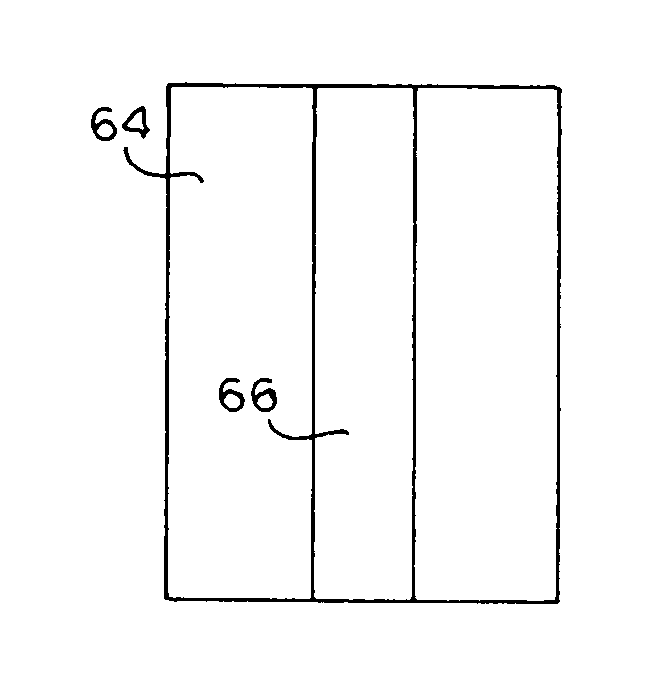
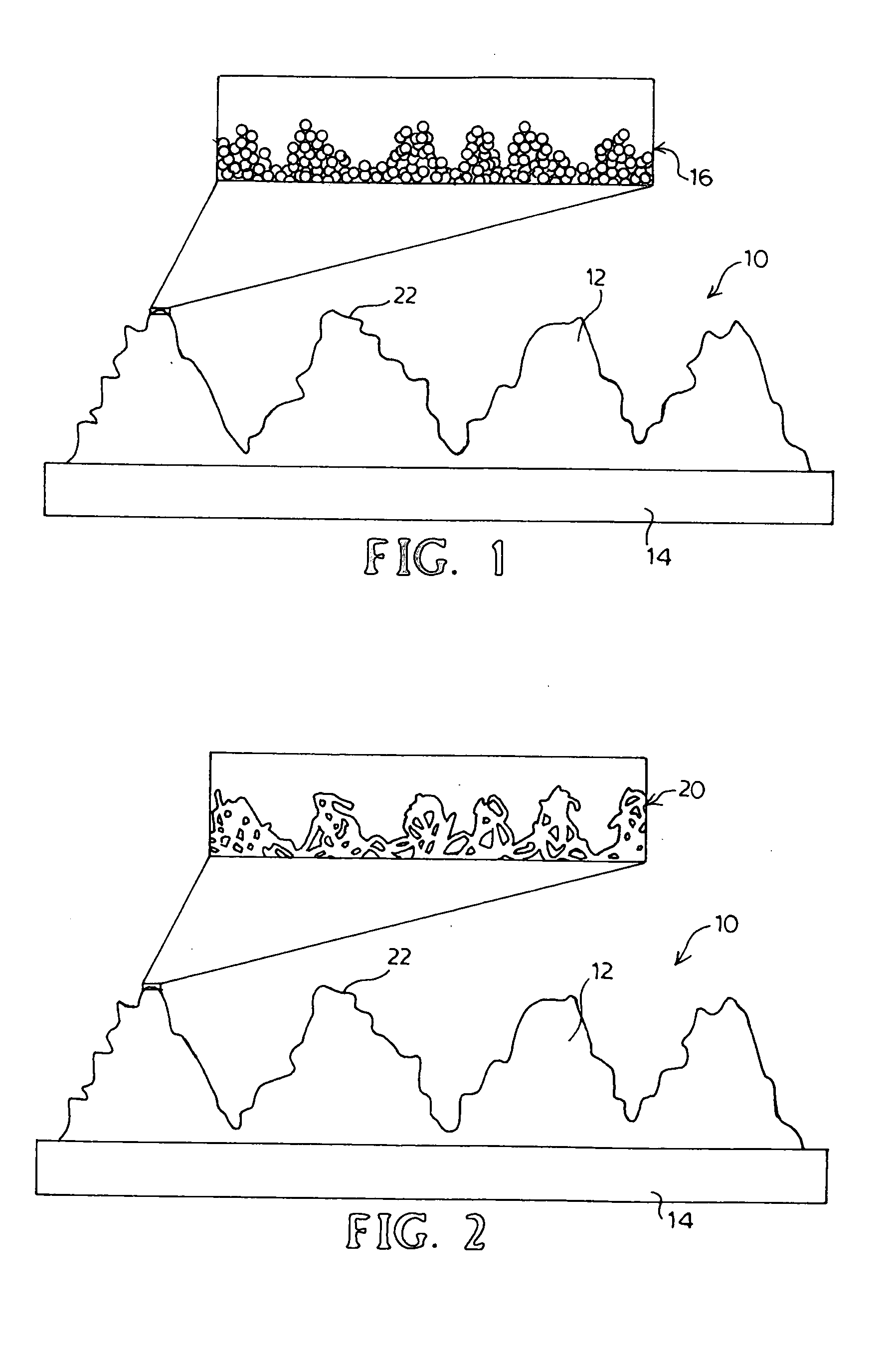
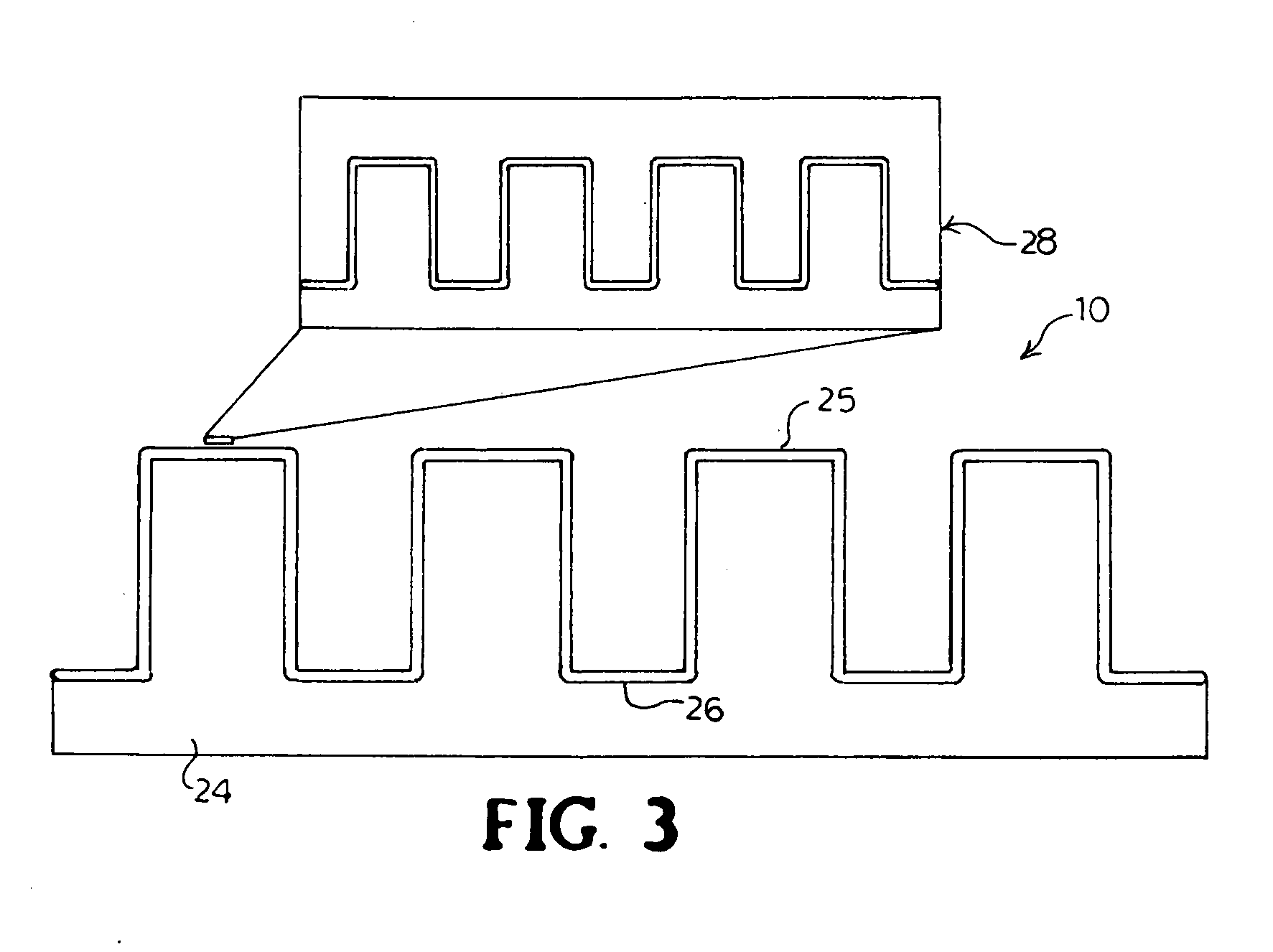
- The development of micro- and nano-structured wettability switches using printing and embossing processes on flat substrates, enabling a hierarchical surface structure that significantly increases contact angle shifts with electronic stimuli, reducing production costs and enhancing performance.

Method and device for manipulating liquids in microfluidic systems
PatentInactiveCA2555060C
Innovation
- The development of microfluidic devices with specially designed flow guides that create controlled capillary actions to prevent air bubbles, allowing for bubble-free loading and mixing of liquids, using a combination of holding and releasing flow guides that manage liquid flow without contacting the distal wall, and incorporating hydrophobic materials to enhance capillarity control.


Manufacturing Standards for Microfluidic Devices
The manufacturing of microfluidic devices requires adherence to stringent standards that directly impact surface energy characteristics and overall system performance. Current manufacturing standards encompass multiple fabrication methodologies, each presenting distinct advantages and limitations in controlling surface properties critical for fluid manipulation applications.
Photolithography-based manufacturing represents the gold standard for microfluidic device production, utilizing established semiconductor fabrication protocols. This approach enables precise dimensional control with tolerances reaching sub-micrometer levels, essential for maintaining consistent surface energy profiles across device geometries. Standard protocols mandate specific resist formulations, exposure parameters, and etching conditions that collectively influence final surface roughness and chemical composition.
Soft lithography techniques, particularly polydimethylsiloxane (PDMS) molding, have emerged as dominant manufacturing approaches due to cost-effectiveness and rapid prototyping capabilities. Manufacturing standards for PDMS-based devices specify curing temperatures, mixing ratios, and demolding procedures that significantly affect surface energy characteristics. Standardized protocols require degassing procedures and controlled thermal cycling to ensure reproducible surface properties and minimize batch-to-batch variations.
Quality control standards emphasize surface characterization protocols including contact angle measurements, atomic force microscopy assessments, and chemical composition analysis. These standards mandate specific measurement conditions, sample preparation procedures, and acceptance criteria that ensure manufactured devices meet performance specifications for surface energy applications.
Emerging additive manufacturing standards address three-dimensional printing technologies increasingly utilized for microfluidic device production. These standards define material specifications, layer resolution requirements, and post-processing protocols necessary for achieving desired surface energy characteristics. Standardized cleaning procedures, surface treatment protocols, and biocompatibility testing requirements ensure manufactured devices meet regulatory compliance while maintaining optimal surface properties for intended applications.
Photolithography-based manufacturing represents the gold standard for microfluidic device production, utilizing established semiconductor fabrication protocols. This approach enables precise dimensional control with tolerances reaching sub-micrometer levels, essential for maintaining consistent surface energy profiles across device geometries. Standard protocols mandate specific resist formulations, exposure parameters, and etching conditions that collectively influence final surface roughness and chemical composition.
Soft lithography techniques, particularly polydimethylsiloxane (PDMS) molding, have emerged as dominant manufacturing approaches due to cost-effectiveness and rapid prototyping capabilities. Manufacturing standards for PDMS-based devices specify curing temperatures, mixing ratios, and demolding procedures that significantly affect surface energy characteristics. Standardized protocols require degassing procedures and controlled thermal cycling to ensure reproducible surface properties and minimize batch-to-batch variations.
Quality control standards emphasize surface characterization protocols including contact angle measurements, atomic force microscopy assessments, and chemical composition analysis. These standards mandate specific measurement conditions, sample preparation procedures, and acceptance criteria that ensure manufactured devices meet performance specifications for surface energy applications.
Emerging additive manufacturing standards address three-dimensional printing technologies increasingly utilized for microfluidic device production. These standards define material specifications, layer resolution requirements, and post-processing protocols necessary for achieving desired surface energy characteristics. Standardized cleaning procedures, surface treatment protocols, and biocompatibility testing requirements ensure manufactured devices meet regulatory compliance while maintaining optimal surface properties for intended applications.
Environmental Impact of Surface Treatment Processes
The environmental implications of surface treatment processes in microfluidic systems represent a critical consideration as these technologies scale from laboratory research to industrial applications. Traditional surface modification techniques, including plasma treatment, chemical vapor deposition, and wet chemical etching, often rely on hazardous chemicals and energy-intensive procedures that generate significant environmental footprints.
Plasma-based surface treatments, while effective for creating hydrophilic or hydrophobic surfaces, consume substantial electrical energy and may produce ozone and other atmospheric pollutants. The process typically requires specialized gas mixtures, including oxygen, argon, or fluorinated compounds, which contribute to greenhouse gas emissions when not properly managed. Additionally, the vacuum systems necessary for plasma treatment operations demand continuous energy input, further amplifying the environmental burden.
Chemical surface modification processes present more direct environmental challenges through the use of toxic solvents, acids, and organofluorine compounds. Silane-based treatments, commonly employed for surface functionalization, often involve volatile organic compounds that require careful waste management and emission control systems. The disposal of spent chemical baths and contaminated substrates creates hazardous waste streams that necessitate specialized treatment facilities.
Emerging green alternatives are gaining traction within the microfluidics community, focusing on water-based surface treatments and biodegradable modification agents. UV-ozone cleaning represents a more environmentally benign approach, utilizing atmospheric oxygen to generate reactive species without introducing foreign chemicals. Similarly, atmospheric pressure plasma treatments reduce energy consumption while eliminating the need for vacuum systems.
The lifecycle assessment of surface treatment processes reveals that material selection significantly influences environmental impact. Biocompatible polymers requiring minimal surface modification demonstrate lower overall environmental footprints compared to traditional materials demanding extensive chemical treatments. Furthermore, the development of inherently functional materials that eliminate post-processing requirements represents the most sustainable approach.
Regulatory frameworks increasingly emphasize the environmental responsibility of manufacturing processes, driving innovation toward cleaner surface treatment technologies. The implementation of closed-loop chemical recycling systems and solvent recovery processes helps minimize waste generation while reducing operational costs. These considerations become particularly relevant as microfluidic applications expand into consumer markets and large-scale manufacturing scenarios.
Plasma-based surface treatments, while effective for creating hydrophilic or hydrophobic surfaces, consume substantial electrical energy and may produce ozone and other atmospheric pollutants. The process typically requires specialized gas mixtures, including oxygen, argon, or fluorinated compounds, which contribute to greenhouse gas emissions when not properly managed. Additionally, the vacuum systems necessary for plasma treatment operations demand continuous energy input, further amplifying the environmental burden.
Chemical surface modification processes present more direct environmental challenges through the use of toxic solvents, acids, and organofluorine compounds. Silane-based treatments, commonly employed for surface functionalization, often involve volatile organic compounds that require careful waste management and emission control systems. The disposal of spent chemical baths and contaminated substrates creates hazardous waste streams that necessitate specialized treatment facilities.
Emerging green alternatives are gaining traction within the microfluidics community, focusing on water-based surface treatments and biodegradable modification agents. UV-ozone cleaning represents a more environmentally benign approach, utilizing atmospheric oxygen to generate reactive species without introducing foreign chemicals. Similarly, atmospheric pressure plasma treatments reduce energy consumption while eliminating the need for vacuum systems.
The lifecycle assessment of surface treatment processes reveals that material selection significantly influences environmental impact. Biocompatible polymers requiring minimal surface modification demonstrate lower overall environmental footprints compared to traditional materials demanding extensive chemical treatments. Furthermore, the development of inherently functional materials that eliminate post-processing requirements represents the most sustainable approach.
Regulatory frameworks increasingly emphasize the environmental responsibility of manufacturing processes, driving innovation toward cleaner surface treatment technologies. The implementation of closed-loop chemical recycling systems and solvent recovery processes helps minimize waste generation while reducing operational costs. These considerations become particularly relevant as microfluidic applications expand into consumer markets and large-scale manufacturing scenarios.
Unlock deeper insights with PatSnap Eureka Quick Research — get a full tech report to explore trends and direct your research. Try now!
Generate Your Research Report Instantly with AI Agent
Supercharge your innovation with PatSnap Eureka AI Agent Platform!