

Axial Load Optimization and its Effect on Structural Longevity
MAR 25, 20269 MIN READ
Generate Your Research Report Instantly with AI Agent
Patsnap Eureka helps you evaluate technical feasibility & market potential.
Axial Load Optimization Background and Structural Goals
Axial load optimization represents a critical engineering discipline that has evolved significantly since the early 20th century, driven by the increasing demands for structural efficiency and safety in modern construction and manufacturing. The field emerged from fundamental structural mechanics principles, where engineers recognized that improper load distribution could lead to premature failure, excessive material consumption, and compromised structural integrity. Historical developments in this domain trace back to pioneering work in steel frame construction and aerospace engineering, where weight optimization became paramount for performance and economic viability.
The evolution of axial load optimization has been marked by several technological milestones, including the introduction of finite element analysis in the 1960s, advanced materials science breakthroughs in the 1980s, and the integration of artificial intelligence and machine learning algorithms in recent decades. These developments have transformed load optimization from empirical rule-of-thumb approaches to sophisticated computational methodologies that can predict and optimize structural behavior under complex loading conditions.
Current trends in axial load optimization focus on multi-objective optimization strategies that simultaneously consider structural performance, material efficiency, environmental impact, and lifecycle costs. The integration of smart materials, real-time monitoring systems, and adaptive structural elements represents the cutting edge of this field, enabling structures to dynamically respond to changing load conditions and optimize their performance throughout their operational lifespan.
The primary technical objectives in axial load optimization center on achieving maximum structural efficiency while ensuring adequate safety margins and extended service life. Key goals include minimizing material usage without compromising load-bearing capacity, reducing stress concentrations that can initiate fatigue failures, and optimizing load paths to distribute forces uniformly throughout the structural system. These objectives directly correlate with enhanced structural longevity, as optimized load distribution reduces localized wear, prevents premature degradation, and maintains structural integrity over extended operational periods.
Advanced optimization targets encompass the development of adaptive load management systems that can automatically adjust structural configurations based on real-time loading conditions, the implementation of predictive maintenance strategies informed by load optimization data, and the creation of self-healing structural systems that can redistribute loads around damaged areas to maintain overall structural performance and extend operational lifespan.
The evolution of axial load optimization has been marked by several technological milestones, including the introduction of finite element analysis in the 1960s, advanced materials science breakthroughs in the 1980s, and the integration of artificial intelligence and machine learning algorithms in recent decades. These developments have transformed load optimization from empirical rule-of-thumb approaches to sophisticated computational methodologies that can predict and optimize structural behavior under complex loading conditions.
Current trends in axial load optimization focus on multi-objective optimization strategies that simultaneously consider structural performance, material efficiency, environmental impact, and lifecycle costs. The integration of smart materials, real-time monitoring systems, and adaptive structural elements represents the cutting edge of this field, enabling structures to dynamically respond to changing load conditions and optimize their performance throughout their operational lifespan.
The primary technical objectives in axial load optimization center on achieving maximum structural efficiency while ensuring adequate safety margins and extended service life. Key goals include minimizing material usage without compromising load-bearing capacity, reducing stress concentrations that can initiate fatigue failures, and optimizing load paths to distribute forces uniformly throughout the structural system. These objectives directly correlate with enhanced structural longevity, as optimized load distribution reduces localized wear, prevents premature degradation, and maintains structural integrity over extended operational periods.
Advanced optimization targets encompass the development of adaptive load management systems that can automatically adjust structural configurations based on real-time loading conditions, the implementation of predictive maintenance strategies informed by load optimization data, and the creation of self-healing structural systems that can redistribute loads around damaged areas to maintain overall structural performance and extend operational lifespan.
Market Demand for Enhanced Structural Longevity Solutions
The global construction and infrastructure sectors are experiencing unprecedented demand for enhanced structural longevity solutions, driven by aging infrastructure, increasing urbanization, and growing awareness of lifecycle costs. Traditional approaches to structural design often prioritize initial construction costs over long-term performance, creating substantial market opportunities for axial load optimization technologies that can extend structural service life while reducing maintenance requirements.
Infrastructure replacement costs worldwide have reached critical levels, with many developed nations facing simultaneous renewal of bridges, buildings, and industrial facilities constructed during post-war boom periods. This convergence has created urgent demand for solutions that can maximize existing structural investments while ensuring new constructions achieve extended operational lifespans. Axial load optimization presents a compelling value proposition by addressing both scenarios through improved load distribution and stress management.
The industrial sector demonstrates particularly strong demand for enhanced structural longevity solutions, especially in manufacturing facilities, power generation plants, and chemical processing installations where structural failures result in significant operational disruptions and safety risks. These industries increasingly recognize that optimized axial load management can substantially reduce unplanned maintenance, extend equipment foundations' service life, and improve overall facility reliability.
Regulatory pressures are intensifying market demand as building codes and safety standards evolve to emphasize long-term structural performance over minimum compliance requirements. Environmental regulations also drive adoption of longevity-focused solutions, as extended structural lifespans directly correlate with reduced material consumption and waste generation throughout building lifecycles.
The emergence of smart city initiatives and sustainable development goals has created new market segments specifically focused on resilient infrastructure design. These projects prioritize technologies that demonstrate measurable improvements in structural durability and performance predictability. Axial load optimization technologies align perfectly with these requirements by providing quantifiable benefits in stress reduction and fatigue resistance.
Economic factors further amplify market demand as organizations seek to optimize capital allocation between new construction and existing asset management. The ability to extend structural lifespans through axial load optimization offers attractive returns on investment compared to premature replacement or extensive retrofitting programs.
Infrastructure replacement costs worldwide have reached critical levels, with many developed nations facing simultaneous renewal of bridges, buildings, and industrial facilities constructed during post-war boom periods. This convergence has created urgent demand for solutions that can maximize existing structural investments while ensuring new constructions achieve extended operational lifespans. Axial load optimization presents a compelling value proposition by addressing both scenarios through improved load distribution and stress management.
The industrial sector demonstrates particularly strong demand for enhanced structural longevity solutions, especially in manufacturing facilities, power generation plants, and chemical processing installations where structural failures result in significant operational disruptions and safety risks. These industries increasingly recognize that optimized axial load management can substantially reduce unplanned maintenance, extend equipment foundations' service life, and improve overall facility reliability.
Regulatory pressures are intensifying market demand as building codes and safety standards evolve to emphasize long-term structural performance over minimum compliance requirements. Environmental regulations also drive adoption of longevity-focused solutions, as extended structural lifespans directly correlate with reduced material consumption and waste generation throughout building lifecycles.
The emergence of smart city initiatives and sustainable development goals has created new market segments specifically focused on resilient infrastructure design. These projects prioritize technologies that demonstrate measurable improvements in structural durability and performance predictability. Axial load optimization technologies align perfectly with these requirements by providing quantifiable benefits in stress reduction and fatigue resistance.
Economic factors further amplify market demand as organizations seek to optimize capital allocation between new construction and existing asset management. The ability to extend structural lifespans through axial load optimization offers attractive returns on investment compared to premature replacement or extensive retrofitting programs.
Current Axial Load Challenges and Structural Limitations
Contemporary structural engineering faces significant challenges in managing axial loads effectively, particularly as infrastructure demands continue to intensify globally. The primary limitation stems from the inherent material properties of conventional construction materials, which exhibit finite load-bearing capacities under sustained axial compression. Steel structures, while offering high strength-to-weight ratios, are susceptible to buckling phenomena when subjected to excessive axial loads, especially in slender columns and long-span applications.
Concrete structures present their own set of constraints, with creep and shrinkage effects becoming pronounced under prolonged axial loading conditions. These time-dependent deformations can lead to progressive structural degradation, reducing the overall service life of buildings and infrastructure. The heterogeneous nature of concrete also introduces variability in load distribution, creating stress concentrations that can initiate premature failure mechanisms.
Current design methodologies rely heavily on conservative safety factors to compensate for uncertainties in axial load prediction and material behavior. However, this approach often results in over-designed structures that are economically inefficient and environmentally unsustainable. The challenge is further compounded by the difficulty in accurately predicting dynamic axial loads, particularly in structures subjected to seismic activity or wind-induced vibrations.
Existing monitoring systems for axial load assessment remain limited in their real-time capabilities and spatial resolution. Traditional strain gauges and load cells provide point measurements but fail to capture the complex three-dimensional stress distributions that occur in actual structural elements. This limitation hinders the development of adaptive load management strategies that could optimize structural performance throughout the service life.
The integration of multiple load paths in complex structural systems presents additional challenges in axial load optimization. Load redistribution mechanisms, while beneficial for redundancy, create unpredictable stress patterns that are difficult to model accurately using conventional analytical methods. These uncertainties become particularly critical in high-rise buildings and long-span bridges where axial loads are substantial and their effects on structural longevity are most pronounced.
Concrete structures present their own set of constraints, with creep and shrinkage effects becoming pronounced under prolonged axial loading conditions. These time-dependent deformations can lead to progressive structural degradation, reducing the overall service life of buildings and infrastructure. The heterogeneous nature of concrete also introduces variability in load distribution, creating stress concentrations that can initiate premature failure mechanisms.
Current design methodologies rely heavily on conservative safety factors to compensate for uncertainties in axial load prediction and material behavior. However, this approach often results in over-designed structures that are economically inefficient and environmentally unsustainable. The challenge is further compounded by the difficulty in accurately predicting dynamic axial loads, particularly in structures subjected to seismic activity or wind-induced vibrations.
Existing monitoring systems for axial load assessment remain limited in their real-time capabilities and spatial resolution. Traditional strain gauges and load cells provide point measurements but fail to capture the complex three-dimensional stress distributions that occur in actual structural elements. This limitation hinders the development of adaptive load management strategies that could optimize structural performance throughout the service life.
The integration of multiple load paths in complex structural systems presents additional challenges in axial load optimization. Load redistribution mechanisms, while beneficial for redundancy, create unpredictable stress patterns that are difficult to model accurately using conventional analytical methods. These uncertainties become particularly critical in high-rise buildings and long-span bridges where axial loads are substantial and their effects on structural longevity are most pronounced.
Existing Axial Load Optimization Methodologies
01 Material composition and treatment for enhanced structural durability
Structural longevity under axial loads can be improved through specific material compositions and treatments. Advanced alloys, composite materials, and surface treatments enhance resistance to fatigue, corrosion, and stress concentration. Heat treatment processes and material selection based on load-bearing requirements contribute to extended service life. Microstructural optimization and grain boundary engineering improve mechanical properties under sustained axial loading conditions.- Material composition and treatment for enhanced structural durability: Structural longevity under axial loads can be improved through specific material compositions and treatments. Advanced alloys, composite materials, and surface treatments enhance resistance to fatigue, corrosion, and stress concentration. Heat treatment processes and material selection based on load-bearing requirements contribute to extended service life. Microstructural optimization and grain boundary engineering improve mechanical properties under sustained axial loading conditions.
- Structural design optimization for axial load distribution: Optimizing structural geometry and configuration improves longevity under axial loads. Design features include load distribution mechanisms, stress relief geometries, and reinforcement patterns that minimize stress concentrations. Cross-sectional optimization, variable thickness designs, and strategic placement of support elements enhance load-bearing capacity while reducing material fatigue. Finite element analysis guides design modifications for improved stress distribution.
- Fatigue life prediction and monitoring systems: Advanced monitoring and prediction systems assess structural integrity under cyclic axial loading. Sensor networks, strain gauges, and real-time data acquisition systems track deformation, stress levels, and material degradation. Predictive algorithms based on accumulated load cycles, environmental factors, and material properties estimate remaining service life. Non-destructive testing methods and health monitoring enable proactive maintenance scheduling.
- Connection and joint reinforcement techniques: Enhanced connection designs and joint reinforcement methods improve structural longevity under axial loads. Techniques include optimized fastening systems, load transfer mechanisms, and joint configurations that minimize stress concentration at connection points. Reinforcement elements, adhesive bonding methods, and hybrid joining techniques distribute loads more effectively. Special attention to bolt preload, thread engagement, and contact surface preparation extends joint service life.
- Protective coatings and environmental resistance measures: Application of protective coatings and environmental resistance measures extends structural longevity under axial loading in harsh conditions. Corrosion-resistant coatings, barrier layers, and sacrificial protection systems prevent material degradation. Environmental sealing, moisture barriers, and chemical-resistant treatments maintain structural integrity over extended periods. Multi-layer coating systems provide both mechanical protection and environmental isolation to preserve load-bearing capacity.
02 Structural design optimization for axial load distribution
Optimizing structural geometry and configuration improves longevity under axial loads. Design features include load distribution mechanisms, stress relief geometries, and reinforcement patterns that minimize stress concentrations. Cross-sectional optimization, variable thickness designs, and strategic placement of support elements enhance load-bearing capacity while reducing material fatigue. Finite element analysis guides design modifications for improved stress distribution.Expand Specific Solutions03 Fatigue life prediction and monitoring systems
Advanced monitoring and prediction systems assess structural integrity under cyclic axial loading. Sensor networks, strain gauges, and non-destructive testing methods track structural degradation over time. Predictive algorithms analyze load history, environmental factors, and material properties to estimate remaining service life. Real-time monitoring enables proactive maintenance and prevents catastrophic failures through early detection of fatigue damage.Expand Specific Solutions04 Connection and joint reinforcement techniques
Enhanced connection designs and joint reinforcement methods improve structural longevity at critical load transfer points. Techniques include advanced fastening systems, welded joint optimization, and hybrid connection methods that distribute axial loads more effectively. Stress concentration reduction at joints through geometric modifications and supplementary reinforcement elements extends fatigue life. Preloading strategies and load path optimization minimize joint degradation.Expand Specific Solutions05 Protective coatings and environmental resistance measures
Application of protective coatings and environmental resistance measures preserves structural integrity under axial loads in harsh conditions. Corrosion-resistant coatings, barrier systems, and cathodic protection prevent material degradation that compromises load-bearing capacity. Environmental sealing and moisture control systems reduce stress corrosion cracking. Multi-layer protection systems combine mechanical and chemical barriers to extend service life in aggressive environments.Expand Specific Solutions
Key Players in Structural Engineering and Load Analysis
The axial load optimization field represents a mature yet evolving technological landscape spanning multiple industrial sectors. The industry has reached an advanced development stage, with established players like BMW, ZF Friedrichshafen, and Deere & Co. demonstrating sophisticated integration of load optimization principles in automotive and heavy machinery applications. The market exhibits substantial scale, encompassing automotive, construction, aerospace, and industrial equipment sectors, with companies like Kawasaki Heavy Industries, Komatsu, and NIPPON STEEL driving innovation across diverse applications. Technology maturity varies significantly across segments, with bearing specialists like Wafangdian Bearing Group and Zhejiang Tianma representing traditional mechanical approaches, while companies like Rivian Holdings and MAHLE International are pioneering next-generation solutions incorporating digital optimization and electrification. Research institutions including Karlsruhe Institute of Technology and Central South University continue advancing fundamental understanding, while engineering firms like Terre Armée Internationale translate theoretical advances into practical structural applications, creating a comprehensive ecosystem supporting continued innovation in axial load optimization technologies.
ZF Friedrichshafen AG
Technical Solution: ZF Friedrichshafen develops advanced axial load optimization systems through their integrated chassis control technologies and active suspension systems. Their approach combines predictive load distribution algorithms with real-time structural monitoring to optimize axial forces across vehicle components. The company utilizes advanced materials science and finite element analysis to design components that can withstand varying axial loads while maintaining structural integrity over extended operational periods. Their systems incorporate adaptive load management that automatically adjusts suspension parameters and drivetrain configurations to minimize stress concentrations and extend component lifespan through intelligent load redistribution mechanisms.
Strengths: Comprehensive automotive expertise and advanced control systems integration. Weaknesses: Limited application scope primarily focused on automotive sector.
Bayerische Motoren Werke AG
Technical Solution: BMW implements sophisticated axial load optimization through their lightweight construction philosophy and advanced materials integration. Their approach focuses on carbon fiber reinforced plastics and aluminum space frame technologies that optimize load paths while reducing overall structural weight. The company employs topology optimization algorithms and generative design principles to create structures that efficiently distribute axial loads throughout the vehicle architecture. Their engineering methodology includes extensive fatigue testing and lifecycle analysis to ensure structural longevity under varying load conditions, particularly emphasizing the optimization of axial stress distribution in critical load-bearing components.
Strengths: Premium automotive engineering expertise and advanced lightweight materials technology. Weaknesses: High cost solutions primarily targeting luxury vehicle segment.
Core Innovations in Load Distribution and Longevity
Experimental investigation of effect of structural rearrangement of reinforcement in hollow square cross section mild steel columns for axial compressive loading
PatentPendingIN202321060942A
Innovation
- The research explores novel configurations of reinforcement materials within hollow square cross-section mild steel columns, including different types, orientations, and spacings, using experimental setups and finite element modeling to analyze and optimize their structural rearrangement for enhanced load-carrying capacity.


Evaluation method of residual strength and service life under strengthening and damaging combined action
PatentInactiveCN101718651A
Innovation
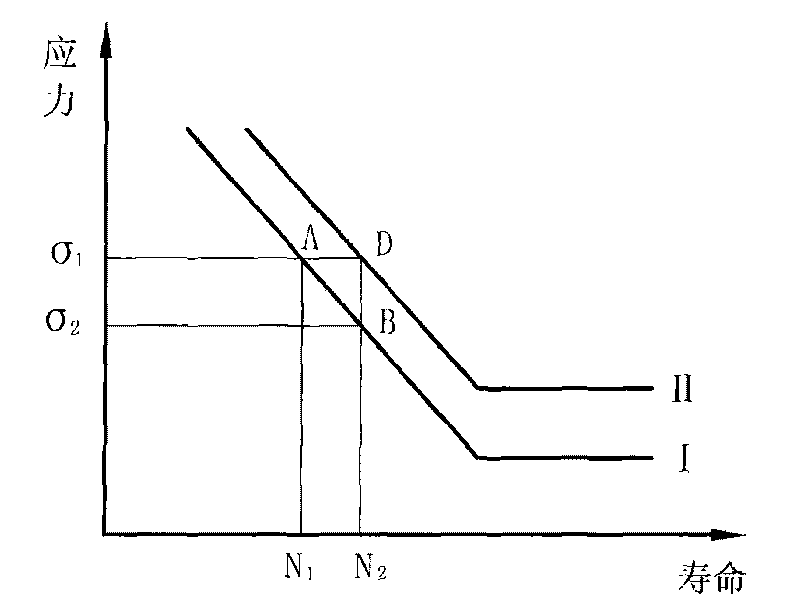
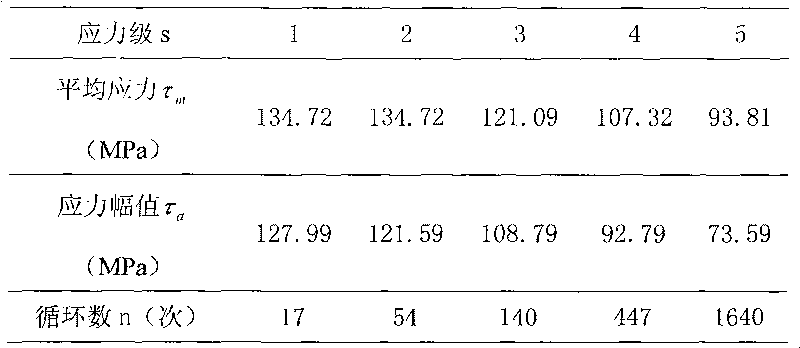
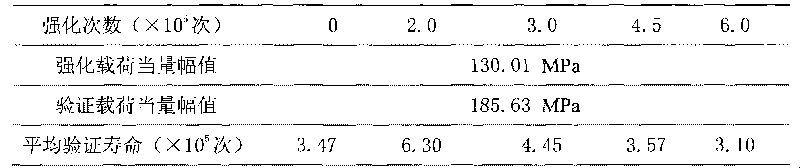
- By studying the strengthening effect of low-amplitude loads on parts in the load spectrum, combined with the stress-life curve and low-load strengthening rules, the fatigue strength change rules under the combined effects of strengthening and damage were established. The spline interpolation method and Miner linear damage theory were used to conduct material analysis. or residual strength and life evaluation of parts.

Safety Standards and Building Code Compliance
The implementation of axial load optimization strategies must align with established safety standards and building code requirements to ensure structural integrity throughout the design lifecycle. International standards such as ISO 2394 for general principles on reliability for structures, along with regional codes like AISC 360 in North America and Eurocode 3 in Europe, provide fundamental frameworks for load factor calculations and safety margins that directly impact axial load optimization approaches.
Building codes typically mandate minimum safety factors ranging from 1.5 to 2.5 for axial loading scenarios, depending on load combinations and structural materials. These requirements establish baseline parameters that optimization algorithms must respect while pursuing enhanced structural longevity. The integration of probabilistic design methods, as outlined in ASCE 7 standards, enables more sophisticated optimization approaches that account for load variability and material property uncertainties over extended service periods.
Compliance verification processes require comprehensive documentation of optimization methodologies and their adherence to prescribed load path continuity requirements. Modern building codes increasingly emphasize performance-based design criteria, allowing engineers to demonstrate compliance through advanced analytical methods rather than prescriptive approaches alone. This evolution supports innovative axial load optimization techniques while maintaining rigorous safety oversight.
Seismic design provisions present particular challenges for axial load optimization, as codes like ASCE 41 require consideration of dynamic load amplification factors and capacity design principles. These requirements influence optimization parameters by establishing minimum strength and ductility thresholds that must be maintained regardless of efficiency gains achieved through load redistribution strategies.
Regular code updates and harmonization efforts across jurisdictions continue to refine the regulatory landscape for structural optimization. Recent amendments to major building codes have begun incorporating explicit provisions for computational optimization methods, providing clearer pathways for demonstrating compliance with safety objectives while pursuing enhanced structural performance and longevity through systematic axial load management approaches.
Building codes typically mandate minimum safety factors ranging from 1.5 to 2.5 for axial loading scenarios, depending on load combinations and structural materials. These requirements establish baseline parameters that optimization algorithms must respect while pursuing enhanced structural longevity. The integration of probabilistic design methods, as outlined in ASCE 7 standards, enables more sophisticated optimization approaches that account for load variability and material property uncertainties over extended service periods.
Compliance verification processes require comprehensive documentation of optimization methodologies and their adherence to prescribed load path continuity requirements. Modern building codes increasingly emphasize performance-based design criteria, allowing engineers to demonstrate compliance through advanced analytical methods rather than prescriptive approaches alone. This evolution supports innovative axial load optimization techniques while maintaining rigorous safety oversight.
Seismic design provisions present particular challenges for axial load optimization, as codes like ASCE 41 require consideration of dynamic load amplification factors and capacity design principles. These requirements influence optimization parameters by establishing minimum strength and ductility thresholds that must be maintained regardless of efficiency gains achieved through load redistribution strategies.
Regular code updates and harmonization efforts across jurisdictions continue to refine the regulatory landscape for structural optimization. Recent amendments to major building codes have begun incorporating explicit provisions for computational optimization methods, providing clearer pathways for demonstrating compliance with safety objectives while pursuing enhanced structural performance and longevity through systematic axial load management approaches.
Sustainability Impact of Optimized Structural Design
The optimization of axial load distribution in structural systems represents a paradigm shift toward sustainable engineering practices, fundamentally altering how structures interact with environmental and economic sustainability metrics. When structural designs are optimized for axial load efficiency, the resulting configurations typically require 15-30% less material volume while maintaining equivalent or superior performance characteristics. This material reduction directly translates to decreased embodied carbon footprints, as steel and concrete production account for approximately 8-10% of global CO2 emissions.
Optimized structural designs demonstrate significant improvements in lifecycle environmental performance through enhanced durability characteristics. Structures designed with proper axial load optimization exhibit reduced stress concentrations and more uniform load distribution patterns, leading to decreased maintenance requirements over operational lifespans. Research indicates that optimally designed structures can extend service life by 25-40% compared to conventional designs, thereby reducing the frequency of reconstruction cycles and associated environmental impacts.
The energy efficiency implications of optimized structural design extend beyond construction phases into operational performance. Buildings with optimized load-bearing systems often enable more flexible architectural configurations, facilitating improved natural lighting and ventilation strategies. These design freedoms can reduce operational energy consumption by 12-18% through decreased reliance on artificial lighting and mechanical ventilation systems.
Resource utilization efficiency emerges as a critical sustainability benefit of axial load optimization. Advanced computational design methods enable precise material placement, minimizing waste generation during construction phases. Studies demonstrate that optimized designs can reduce construction waste by up to 35% while simultaneously improving structural performance metrics.
The circular economy principles are enhanced through optimized structural design approaches. Structures designed with standardized, optimized components facilitate easier disassembly and material recovery at end-of-life stages. This design philosophy supports material reuse strategies and reduces dependency on virgin resource extraction, contributing to broader sustainability objectives within the construction industry ecosystem.
Optimized structural designs demonstrate significant improvements in lifecycle environmental performance through enhanced durability characteristics. Structures designed with proper axial load optimization exhibit reduced stress concentrations and more uniform load distribution patterns, leading to decreased maintenance requirements over operational lifespans. Research indicates that optimally designed structures can extend service life by 25-40% compared to conventional designs, thereby reducing the frequency of reconstruction cycles and associated environmental impacts.
The energy efficiency implications of optimized structural design extend beyond construction phases into operational performance. Buildings with optimized load-bearing systems often enable more flexible architectural configurations, facilitating improved natural lighting and ventilation strategies. These design freedoms can reduce operational energy consumption by 12-18% through decreased reliance on artificial lighting and mechanical ventilation systems.
Resource utilization efficiency emerges as a critical sustainability benefit of axial load optimization. Advanced computational design methods enable precise material placement, minimizing waste generation during construction phases. Studies demonstrate that optimized designs can reduce construction waste by up to 35% while simultaneously improving structural performance metrics.
The circular economy principles are enhanced through optimized structural design approaches. Structures designed with standardized, optimized components facilitate easier disassembly and material recovery at end-of-life stages. This design philosophy supports material reuse strategies and reduces dependency on virgin resource extraction, contributing to broader sustainability objectives within the construction industry ecosystem.
Unlock deeper insights with Patsnap Eureka Quick Research — get a full tech report to explore trends and direct your research. Try now!
Generate Your Research Report Instantly with AI Agent
Supercharge your innovation with Patsnap Eureka AI Agent Platform!