

Comparing Axial Load Impact by Material Variance in Design
MAR 25, 202610 MIN READ
Generate Your Research Report Instantly with AI Agent
PatSnap Eureka helps you evaluate technical feasibility & market potential.
Axial Load Material Design Background and Objectives
Axial load analysis represents a fundamental aspect of structural engineering that has evolved significantly since the early 20th century. The discipline emerged from the need to understand how materials respond to compressive and tensile forces applied along their longitudinal axis. Historical developments in this field trace back to pioneering work by engineers who recognized that material selection directly influences structural performance under axial loading conditions.
The evolution of axial load design methodology has been driven by advances in materials science, computational modeling, and manufacturing technologies. Early approaches relied heavily on empirical data and safety factors derived from limited material testing. However, the introduction of finite element analysis and sophisticated material characterization techniques has transformed the field into a data-driven discipline capable of precise performance predictions.
Contemporary trends in axial load design emphasize multi-material optimization, where engineers systematically compare different materials to achieve optimal performance-to-weight ratios. This approach has gained particular prominence in aerospace, automotive, and civil engineering applications where material efficiency directly impacts operational costs and environmental sustainability. The integration of advanced composites, high-strength alloys, and engineered materials has expanded the design space considerably.
The primary objective of comparing axial load impact through material variance centers on establishing quantitative relationships between material properties and structural performance. This involves developing comprehensive frameworks for evaluating how variations in elastic modulus, yield strength, density, and failure characteristics influence load-bearing capacity and structural reliability under different loading scenarios.
Modern design objectives also encompass lifecycle considerations, including fatigue resistance, corrosion behavior, and thermal stability. Engineers seek to identify materials that not only meet immediate structural requirements but also maintain performance integrity throughout the intended service life. This holistic approach requires sophisticated modeling capabilities that can account for material degradation mechanisms and environmental factors.
The ultimate goal involves creating predictive models that enable designers to make informed material selection decisions based on specific loading conditions, performance requirements, and economic constraints. These models must accommodate the inherent variability in material properties while providing reliable design margins that ensure structural safety and performance consistency across diverse applications.
The evolution of axial load design methodology has been driven by advances in materials science, computational modeling, and manufacturing technologies. Early approaches relied heavily on empirical data and safety factors derived from limited material testing. However, the introduction of finite element analysis and sophisticated material characterization techniques has transformed the field into a data-driven discipline capable of precise performance predictions.
Contemporary trends in axial load design emphasize multi-material optimization, where engineers systematically compare different materials to achieve optimal performance-to-weight ratios. This approach has gained particular prominence in aerospace, automotive, and civil engineering applications where material efficiency directly impacts operational costs and environmental sustainability. The integration of advanced composites, high-strength alloys, and engineered materials has expanded the design space considerably.
The primary objective of comparing axial load impact through material variance centers on establishing quantitative relationships between material properties and structural performance. This involves developing comprehensive frameworks for evaluating how variations in elastic modulus, yield strength, density, and failure characteristics influence load-bearing capacity and structural reliability under different loading scenarios.
Modern design objectives also encompass lifecycle considerations, including fatigue resistance, corrosion behavior, and thermal stability. Engineers seek to identify materials that not only meet immediate structural requirements but also maintain performance integrity throughout the intended service life. This holistic approach requires sophisticated modeling capabilities that can account for material degradation mechanisms and environmental factors.
The ultimate goal involves creating predictive models that enable designers to make informed material selection decisions based on specific loading conditions, performance requirements, and economic constraints. These models must accommodate the inherent variability in material properties while providing reliable design margins that ensure structural safety and performance consistency across diverse applications.
Market Demand for Material-Optimized Structural Solutions
The global construction and infrastructure sectors are experiencing unprecedented demand for material-optimized structural solutions, driven by the critical need to balance performance, cost-effectiveness, and sustainability. Traditional design approaches that rely on conservative material selection and oversized structural elements are increasingly viewed as economically inefficient and environmentally unsustainable. This shift has created substantial market opportunities for advanced material optimization technologies that can accurately predict and compare axial load impacts across different material configurations.
Infrastructure modernization programs worldwide are generating significant demand for lightweight yet high-strength structural solutions. Aging bridges, buildings, and industrial facilities require retrofitting or replacement with materials that can deliver superior load-bearing performance while reducing overall structural weight. The aerospace and automotive industries are particularly driving demand for precise material variance analysis, as even marginal improvements in strength-to-weight ratios can translate into substantial fuel savings and performance gains.
The construction industry's growing emphasis on sustainable building practices has intensified interest in material optimization solutions. Green building certifications and environmental regulations are pushing developers and engineers to seek materials that minimize environmental impact without compromising structural integrity. This regulatory environment has created a robust market for technologies that can accurately compare the axial load performance of traditional materials against emerging sustainable alternatives such as engineered composites, recycled steel alloys, and bio-based structural materials.
Manufacturing sectors are increasingly recognizing the economic benefits of material-optimized designs. Companies are seeking solutions that can reduce material costs while maintaining or improving structural performance under axial loading conditions. The ability to precisely compare how different materials respond to axial loads enables manufacturers to make informed decisions about material selection, potentially reducing raw material costs while improving product reliability and performance.
The emergence of advanced manufacturing techniques, including additive manufacturing and precision forming, has expanded the range of feasible material options for structural applications. This technological evolution has created demand for sophisticated analysis tools that can evaluate the axial load characteristics of novel materials and material combinations that were previously impractical or impossible to implement in traditional manufacturing processes.
Market growth is further accelerated by the increasing availability of high-performance computing resources and advanced simulation capabilities, making material optimization analysis more accessible to smaller engineering firms and specialized manufacturers who previously lacked the resources to conduct comprehensive material comparison studies.
Infrastructure modernization programs worldwide are generating significant demand for lightweight yet high-strength structural solutions. Aging bridges, buildings, and industrial facilities require retrofitting or replacement with materials that can deliver superior load-bearing performance while reducing overall structural weight. The aerospace and automotive industries are particularly driving demand for precise material variance analysis, as even marginal improvements in strength-to-weight ratios can translate into substantial fuel savings and performance gains.
The construction industry's growing emphasis on sustainable building practices has intensified interest in material optimization solutions. Green building certifications and environmental regulations are pushing developers and engineers to seek materials that minimize environmental impact without compromising structural integrity. This regulatory environment has created a robust market for technologies that can accurately compare the axial load performance of traditional materials against emerging sustainable alternatives such as engineered composites, recycled steel alloys, and bio-based structural materials.
Manufacturing sectors are increasingly recognizing the economic benefits of material-optimized designs. Companies are seeking solutions that can reduce material costs while maintaining or improving structural performance under axial loading conditions. The ability to precisely compare how different materials respond to axial loads enables manufacturers to make informed decisions about material selection, potentially reducing raw material costs while improving product reliability and performance.
The emergence of advanced manufacturing techniques, including additive manufacturing and precision forming, has expanded the range of feasible material options for structural applications. This technological evolution has created demand for sophisticated analysis tools that can evaluate the axial load characteristics of novel materials and material combinations that were previously impractical or impossible to implement in traditional manufacturing processes.
Market growth is further accelerated by the increasing availability of high-performance computing resources and advanced simulation capabilities, making material optimization analysis more accessible to smaller engineering firms and specialized manufacturers who previously lacked the resources to conduct comprehensive material comparison studies.
Current State of Material Variance in Axial Load Applications
The current landscape of material variance in axial load applications demonstrates significant diversity across multiple industrial sectors, with each domain developing specialized approaches to address unique loading requirements. Traditional materials such as steel, aluminum, and concrete continue to dominate structural applications, while advanced composites, high-performance alloys, and engineered polymers are gaining prominence in specialized high-load scenarios.
Steel remains the predominant choice for heavy-duty axial load applications, particularly in construction and infrastructure projects. Carbon steel variants offer excellent strength-to-cost ratios, while high-strength low-alloy steels provide enhanced performance characteristics. However, weight considerations and corrosion resistance limitations have driven exploration of alternative materials in specific applications.
Aluminum alloys have established strong positions in aerospace and automotive sectors where weight reduction is critical. The 6000 and 7000 series aluminum alloys demonstrate exceptional axial load capacity while maintaining significantly lower density compared to steel alternatives. Recent developments in aluminum-lithium alloys further enhance strength-to-weight ratios, though at increased material costs.
Composite materials represent the fastest-growing segment in axial load applications. Carbon fiber reinforced polymers exhibit superior specific strength characteristics, making them ideal for applications where weight minimization is paramount. Glass fiber composites offer more cost-effective solutions for moderate load requirements, while aramid fiber composites provide excellent impact resistance properties.
Advanced metallurgical developments have introduced titanium alloys and superalloys for extreme loading conditions. These materials excel in high-temperature environments and corrosive atmospheres where conventional materials fail. However, their adoption remains limited due to substantial cost premiums and complex manufacturing requirements.
Engineered polymers and thermoplastic composites are emerging as viable alternatives for specific axial load applications. Ultra-high molecular weight polyethylene and polyetheretherketone demonstrate remarkable strength characteristics while offering chemical resistance and reduced weight penalties.
Current material selection practices heavily rely on traditional design factors such as yield strength, elastic modulus, and safety margins. However, emerging approaches incorporate fatigue life, environmental degradation, and lifecycle cost considerations into material variance analysis. This holistic evaluation methodology is reshaping material selection criteria across industries.
Manufacturing constraints significantly influence material variance implementation. Availability of specialized processing equipment, quality control capabilities, and supply chain reliability often dictate practical material choices regardless of theoretical performance advantages. Regional material preferences and regulatory requirements further complicate the selection landscape.
The integration of computational materials science and machine learning algorithms is beginning to accelerate material optimization processes. These tools enable rapid evaluation of material property variations and their impact on axial load performance, facilitating more informed design decisions.
Steel remains the predominant choice for heavy-duty axial load applications, particularly in construction and infrastructure projects. Carbon steel variants offer excellent strength-to-cost ratios, while high-strength low-alloy steels provide enhanced performance characteristics. However, weight considerations and corrosion resistance limitations have driven exploration of alternative materials in specific applications.
Aluminum alloys have established strong positions in aerospace and automotive sectors where weight reduction is critical. The 6000 and 7000 series aluminum alloys demonstrate exceptional axial load capacity while maintaining significantly lower density compared to steel alternatives. Recent developments in aluminum-lithium alloys further enhance strength-to-weight ratios, though at increased material costs.
Composite materials represent the fastest-growing segment in axial load applications. Carbon fiber reinforced polymers exhibit superior specific strength characteristics, making them ideal for applications where weight minimization is paramount. Glass fiber composites offer more cost-effective solutions for moderate load requirements, while aramid fiber composites provide excellent impact resistance properties.
Advanced metallurgical developments have introduced titanium alloys and superalloys for extreme loading conditions. These materials excel in high-temperature environments and corrosive atmospheres where conventional materials fail. However, their adoption remains limited due to substantial cost premiums and complex manufacturing requirements.
Engineered polymers and thermoplastic composites are emerging as viable alternatives for specific axial load applications. Ultra-high molecular weight polyethylene and polyetheretherketone demonstrate remarkable strength characteristics while offering chemical resistance and reduced weight penalties.
Current material selection practices heavily rely on traditional design factors such as yield strength, elastic modulus, and safety margins. However, emerging approaches incorporate fatigue life, environmental degradation, and lifecycle cost considerations into material variance analysis. This holistic evaluation methodology is reshaping material selection criteria across industries.
Manufacturing constraints significantly influence material variance implementation. Availability of specialized processing equipment, quality control capabilities, and supply chain reliability often dictate practical material choices regardless of theoretical performance advantages. Regional material preferences and regulatory requirements further complicate the selection landscape.
The integration of computational materials science and machine learning algorithms is beginning to accelerate material optimization processes. These tools enable rapid evaluation of material property variations and their impact on axial load performance, facilitating more informed design decisions.
Existing Material Comparison Methods for Axial Load Design
01 Impact testing apparatus and methods for axial load application
Specialized testing equipment and methodologies designed to apply controlled axial loads to materials and measure their impact resistance. These systems typically include load application mechanisms, measurement sensors, and data acquisition systems to evaluate material behavior under axial impact conditions. The apparatus can simulate various impact scenarios and loading rates to assess material performance and failure characteristics.- Impact testing apparatus and methods for axial load application: Specialized testing equipment and methodologies designed to apply controlled axial loads to materials and measure their impact resistance. These systems typically include load application mechanisms, measurement sensors, and data acquisition systems to evaluate material behavior under axial impact conditions. The apparatus can simulate various impact scenarios and loading rates to assess material performance and failure characteristics.
- Structural components with enhanced axial impact resistance: Design and construction of structural elements specifically engineered to withstand axial impact loads. These components incorporate features such as reinforced cross-sections, energy-absorbing structures, and optimized geometries to improve impact resistance. The designs focus on distributing impact forces effectively and preventing catastrophic failure under axial loading conditions.
- Material composition and treatment for axial impact performance: Development of material formulations and processing techniques to enhance resistance to axial impact loads. This includes selection of base materials, addition of reinforcing elements, heat treatment processes, and surface modifications. The approaches aim to improve mechanical properties such as strength, toughness, and energy absorption capacity under axial impact conditions.
- Energy absorption mechanisms under axial impact: Systems and structures that incorporate specific energy absorption mechanisms to mitigate axial impact forces. These include crushable elements, deformable zones, damping materials, and progressive failure designs. The mechanisms work by converting kinetic energy from axial impacts into other forms of energy through controlled deformation or material behavior.
- Simulation and analysis methods for axial impact behavior: Computational and analytical techniques for predicting and evaluating material and structural response to axial impact loads. These methods include finite element analysis, numerical modeling, and predictive algorithms that simulate impact scenarios. The approaches enable optimization of designs and material selection before physical testing, reducing development time and costs.
02 Structural components with enhanced axial impact resistance
Design and construction of structural elements specifically engineered to withstand axial impact loads. These components incorporate features such as reinforced cross-sections, energy-absorbing materials, and optimized geometries to improve impact resistance. The structures may include columns, beams, or support members designed to maintain integrity under sudden axial loading conditions.Expand Specific Solutions03 Material composition and treatment for axial impact performance
Development of material formulations and processing techniques to enhance resistance to axial impact loads. This includes selection of base materials, addition of reinforcing elements, heat treatment processes, and surface modifications. The approaches focus on improving mechanical properties such as strength, toughness, and energy absorption capacity under axial loading conditions.Expand Specific Solutions04 Energy absorption mechanisms under axial impact
Systems and structures that incorporate energy dissipation features to mitigate the effects of axial impact loads. These mechanisms may include crushable zones, deformable elements, damping materials, or progressive collapse designs that absorb and distribute impact energy. The solutions aim to protect critical components and reduce peak forces transmitted through the structure.Expand Specific Solutions05 Simulation and analysis methods for axial impact behavior
Computational and analytical techniques for predicting and evaluating material and structural response to axial impact loads. These methods include finite element analysis, numerical modeling, and simulation tools that account for dynamic loading conditions, material nonlinearity, and failure modes. The approaches enable optimization of designs and validation of performance before physical testing.Expand Specific Solutions
Key Players in Advanced Materials and Structural Engineering
The axial load impact analysis by material variance represents a mature engineering discipline currently in the optimization phase, driven by increasing demands for lightweight, high-performance components across aerospace, automotive, and industrial sectors. The market demonstrates substantial growth potential, particularly in electric vehicles and sustainable transportation, with established players like Svenska Kullagerfabriken AB, NSK Ltd., and Schaeffler Technologies leading bearing and mechanical component innovations. Technology maturity varies significantly across applications, with companies like Rolls-Royce Plc and Airbus Espana SL advancing aerospace applications, while automotive leaders including Mercedes-Benz Group AG, DENSO Corp., and Michelin focus on vehicle-specific solutions. Academic institutions such as Cornell University, Northwestern Polytechnical University, and Karlsruhe Institute of Technology contribute fundamental research, while emerging companies like HyperDamping Inc. introduce disruptive damping technologies, indicating a competitive landscape balancing established expertise with innovative material science approaches.
Svenska Kullagerfabriken AB
Technical Solution: SKF has developed specialized methodologies for analyzing axial load impacts across different bearing steel compositions and heat treatment variants. Their approach focuses on how material microstructure variations affect load-carrying capacity, fatigue life, and failure modes in rolling element bearings. The company employs advanced metallurgical analysis combined with mechanical testing to characterize how different steel grades respond to axial loading conditions. Their material variance analysis includes consideration of carbide distribution, grain structure, and surface treatments, enabling optimization of bearing performance based on specific material properties and loading requirements.
Strengths: Deep expertise in bearing materials and tribology, extensive material testing capabilities. Weaknesses: Specialized focus on bearing applications, limited scope for broader structural applications.
NSK Ltd.
Technical Solution: NSK has developed sophisticated material variance analysis techniques specifically for bearing and precision machinery applications, focusing on how different steel compositions and heat treatment processes affect axial load performance. Their methodology incorporates advanced materials characterization with computational modeling to predict performance variations across material grades. The company utilizes proprietary testing protocols that simulate real-world loading conditions while accounting for material property scatter and manufacturing variations. Their approach includes microstructural analysis, mechanical property correlation, and life prediction models that enable optimization of component design based on material selection and axial loading requirements.
Strengths: Extensive precision bearing expertise, advanced materials characterization capabilities. Weaknesses: Specialized focus on rotating machinery applications, limited applicability to static structural components.
Core Innovations in Material Performance Under Axial Loads
Control of structural performances in load-bearing components by means of strength-altering, friction stir processed patterns
PatentWO2011137300A2
Innovation
- The method involves selecting specific areas for deformation and applying strength-altering patterns through friction stir processing to control the initiation and progression of plastic deformation, creating zones of varying strength to direct deformation into desired modes, using principles that prioritize yielding in weaker zones and minimizing power requirements.


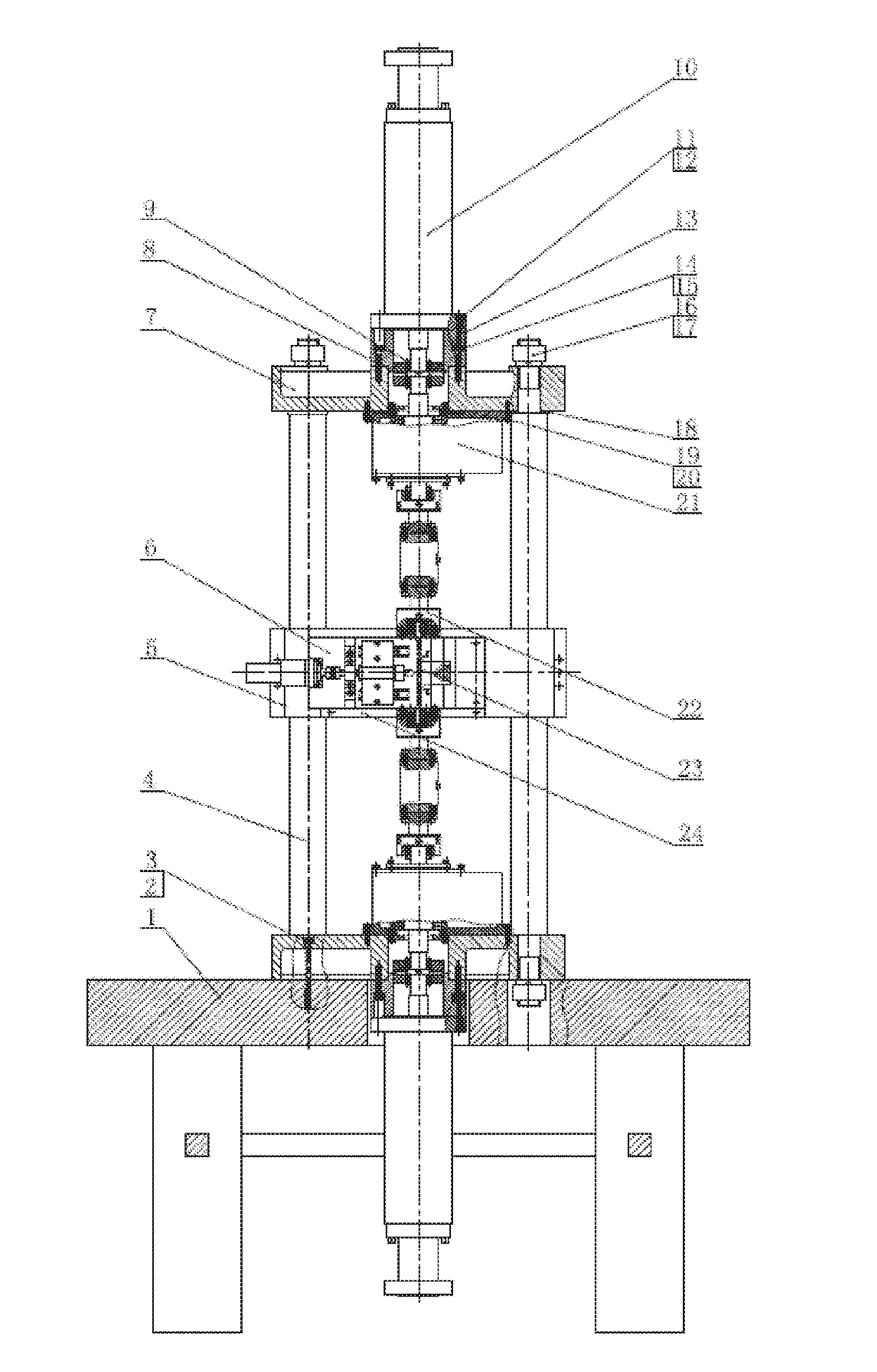
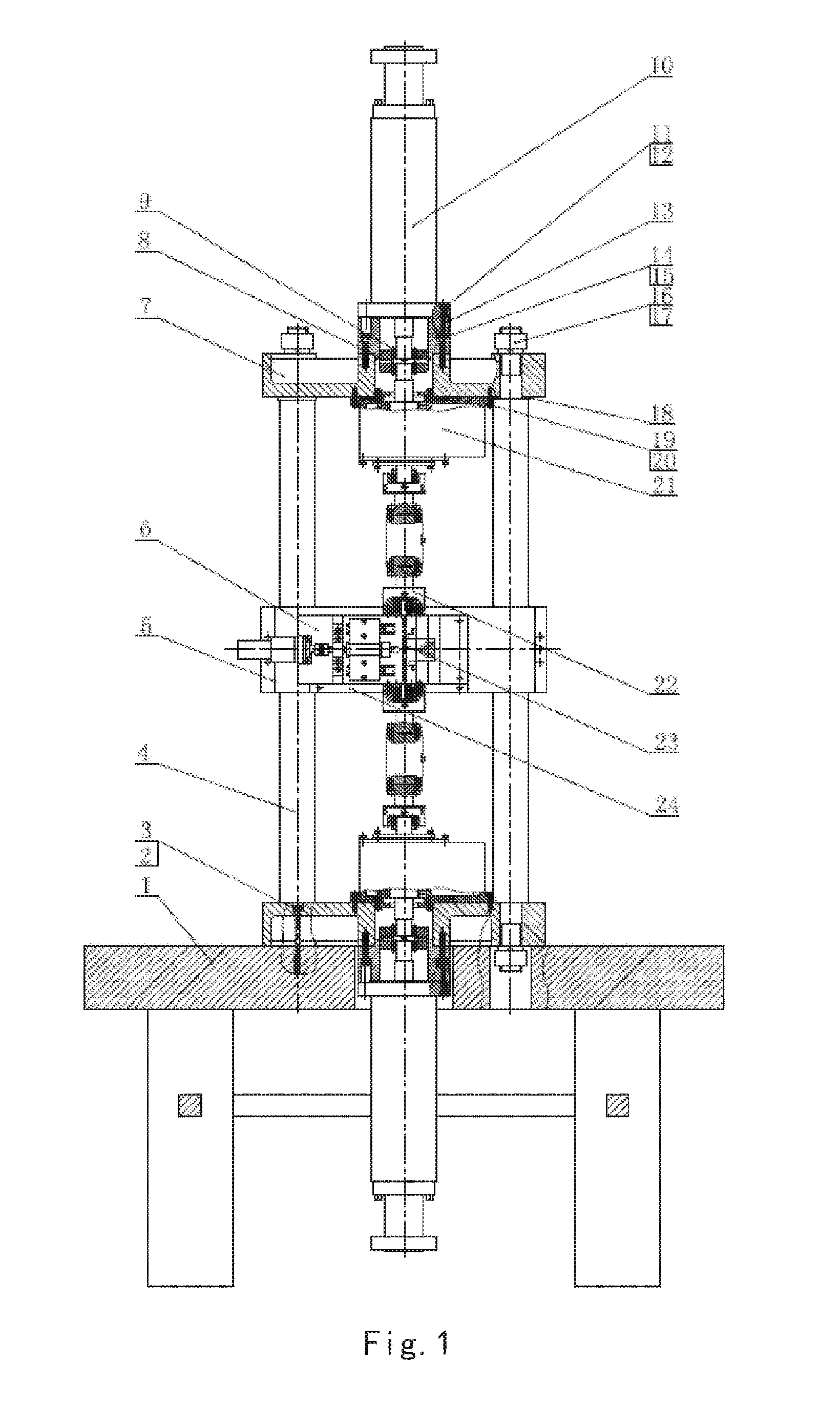
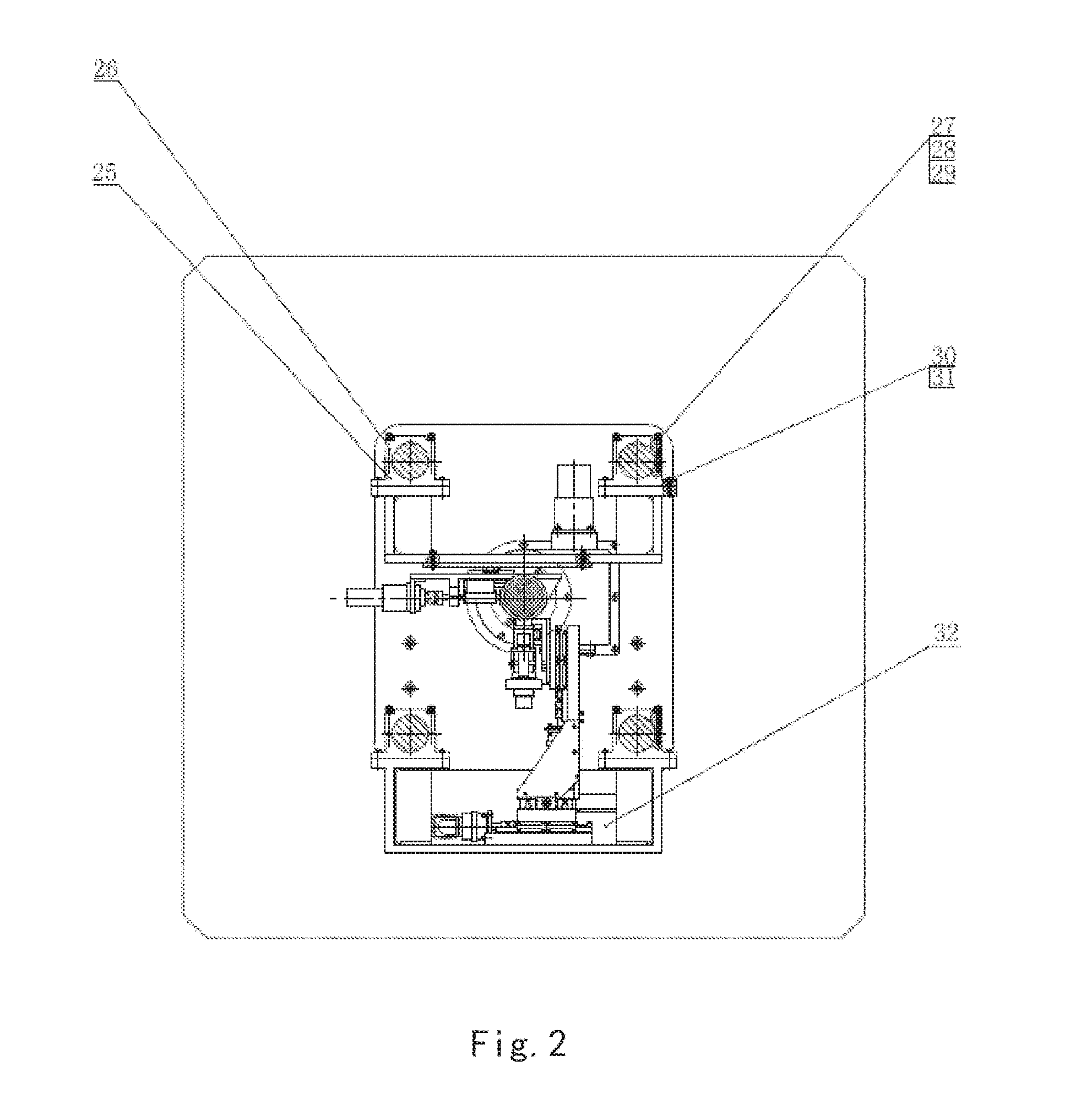
In-situ testing equipment for testing micromechanical properties of material in multi-load and multi-physical field coupled condition
PatentActiveUS20160216182A1
Innovation
- An in-situ testing equipment that applies multiple loads like tension, compression, torsion, bending, and impressing, combined with external temperature, electric, and magnetic fields, while incorporating a 3D micro-imaging assembly, ultrasonic inspection, and Raman spectrometer for real-time observation, enabling dynamic testing of micromechanical properties in a multi-load and multi-physical field coupled condition.

Safety Standards and Material Certification Requirements
The evaluation of axial load impact across different materials necessitates strict adherence to established safety standards and comprehensive material certification protocols. International standards such as ASTM E8/E8M for tensile testing, ISO 6892 for metallic materials, and ASTM D695 for compressive properties of rigid plastics provide fundamental frameworks for assessing material performance under axial loading conditions. These standards establish uniform testing methodologies that enable reliable comparison of material behavior across different design applications.
Material certification requirements vary significantly depending on the intended application and industry sector. Aerospace applications must comply with stringent standards including AS9100 quality management systems and specific material specifications such as AMS (Aerospace Material Specifications). The certification process typically involves extensive documentation of material properties, manufacturing processes, and traceability throughout the supply chain. For structural applications, materials must meet building codes such as AISC specifications for steel construction or ACI standards for concrete structures.
The certification process for materials subjected to axial loading involves multiple testing phases, including initial material characterization, batch testing, and ongoing quality assurance protocols. Third-party certification bodies such as UL, DNV GL, or Lloyd's Register provide independent verification of material compliance with relevant standards. These organizations conduct comprehensive audits of manufacturing processes, testing procedures, and quality control systems to ensure consistent material performance.
Regulatory compliance extends beyond basic material properties to encompass environmental considerations, sustainability metrics, and end-of-life disposal requirements. Modern certification frameworks increasingly incorporate lifecycle assessment criteria, requiring manufacturers to demonstrate environmental responsibility throughout the material's service life. This holistic approach ensures that material selection decisions consider not only mechanical performance under axial loading but also broader sustainability and regulatory compliance objectives.
The integration of digital certification systems and blockchain technology is revolutionizing material traceability and compliance verification. These advanced systems enable real-time monitoring of material properties, automated compliance checking, and enhanced transparency throughout the supply chain, ultimately improving the reliability of axial load performance predictions across different material variants.
Material certification requirements vary significantly depending on the intended application and industry sector. Aerospace applications must comply with stringent standards including AS9100 quality management systems and specific material specifications such as AMS (Aerospace Material Specifications). The certification process typically involves extensive documentation of material properties, manufacturing processes, and traceability throughout the supply chain. For structural applications, materials must meet building codes such as AISC specifications for steel construction or ACI standards for concrete structures.
The certification process for materials subjected to axial loading involves multiple testing phases, including initial material characterization, batch testing, and ongoing quality assurance protocols. Third-party certification bodies such as UL, DNV GL, or Lloyd's Register provide independent verification of material compliance with relevant standards. These organizations conduct comprehensive audits of manufacturing processes, testing procedures, and quality control systems to ensure consistent material performance.
Regulatory compliance extends beyond basic material properties to encompass environmental considerations, sustainability metrics, and end-of-life disposal requirements. Modern certification frameworks increasingly incorporate lifecycle assessment criteria, requiring manufacturers to demonstrate environmental responsibility throughout the material's service life. This holistic approach ensures that material selection decisions consider not only mechanical performance under axial loading but also broader sustainability and regulatory compliance objectives.
The integration of digital certification systems and blockchain technology is revolutionizing material traceability and compliance verification. These advanced systems enable real-time monitoring of material properties, automated compliance checking, and enhanced transparency throughout the supply chain, ultimately improving the reliability of axial load performance predictions across different material variants.
Sustainability Impact of Material Choices in Load Design
The sustainability implications of material selection in axial load-bearing applications have become increasingly critical as industries face mounting pressure to reduce environmental footprints while maintaining structural integrity. Material choices directly influence both the immediate performance characteristics and long-term environmental consequences of load-bearing systems, creating a complex optimization challenge that extends beyond traditional engineering parameters.
Carbon footprint considerations represent a primary sustainability metric when evaluating materials for axial load applications. Steel production generates approximately 1.8 tons of CO2 per ton of material, while aluminum production can produce up to 11.5 tons of CO2 per ton, despite aluminum's superior strength-to-weight ratio. Conversely, engineered timber and composite materials often demonstrate significantly lower embodied carbon, with laminated timber structures sequestering carbon throughout their service life.
Life cycle assessment methodologies reveal that material sustainability extends beyond production emissions to encompass extraction, transportation, installation, maintenance, and end-of-life disposal phases. High-strength concrete, while offering excellent compressive load capacity, requires energy-intensive cement production and generates substantial CO2 emissions. However, its durability and minimal maintenance requirements can offset initial environmental costs over extended service periods.
Recyclability and circular economy principles increasingly influence material selection strategies for load-bearing applications. Steel demonstrates exceptional recyclability with minimal property degradation, enabling closed-loop material cycles that significantly reduce environmental impact. Advanced composite materials, while offering superior performance characteristics, present recycling challenges that must be weighed against their operational benefits and extended service life.
Emerging bio-based materials and recycled content alternatives are reshaping sustainability considerations in structural design. Cross-laminated timber and bamboo composites offer renewable alternatives with competitive load-bearing capabilities, while recycled steel and aluminum maintain structural properties while reducing primary material demand. These innovations enable designers to achieve sustainability objectives without compromising axial load performance requirements.
Regional material availability and transportation distances significantly impact overall sustainability metrics, often favoring locally sourced materials despite potentially inferior performance characteristics. This geographic consideration necessitates holistic evaluation frameworks that balance material properties, environmental impact, and logistical factors to optimize both structural performance and sustainability outcomes in axial load applications.
Carbon footprint considerations represent a primary sustainability metric when evaluating materials for axial load applications. Steel production generates approximately 1.8 tons of CO2 per ton of material, while aluminum production can produce up to 11.5 tons of CO2 per ton, despite aluminum's superior strength-to-weight ratio. Conversely, engineered timber and composite materials often demonstrate significantly lower embodied carbon, with laminated timber structures sequestering carbon throughout their service life.
Life cycle assessment methodologies reveal that material sustainability extends beyond production emissions to encompass extraction, transportation, installation, maintenance, and end-of-life disposal phases. High-strength concrete, while offering excellent compressive load capacity, requires energy-intensive cement production and generates substantial CO2 emissions. However, its durability and minimal maintenance requirements can offset initial environmental costs over extended service periods.
Recyclability and circular economy principles increasingly influence material selection strategies for load-bearing applications. Steel demonstrates exceptional recyclability with minimal property degradation, enabling closed-loop material cycles that significantly reduce environmental impact. Advanced composite materials, while offering superior performance characteristics, present recycling challenges that must be weighed against their operational benefits and extended service life.
Emerging bio-based materials and recycled content alternatives are reshaping sustainability considerations in structural design. Cross-laminated timber and bamboo composites offer renewable alternatives with competitive load-bearing capabilities, while recycled steel and aluminum maintain structural properties while reducing primary material demand. These innovations enable designers to achieve sustainability objectives without compromising axial load performance requirements.
Regional material availability and transportation distances significantly impact overall sustainability metrics, often favoring locally sourced materials despite potentially inferior performance characteristics. This geographic consideration necessitates holistic evaluation frameworks that balance material properties, environmental impact, and logistical factors to optimize both structural performance and sustainability outcomes in axial load applications.
Unlock deeper insights with PatSnap Eureka Quick Research — get a full tech report to explore trends and direct your research. Try now!
Generate Your Research Report Instantly with AI Agent
Supercharge your innovation with PatSnap Eureka AI Agent Platform!