

Best Practices For Data Logging In Continuous Flow Measurement Systems
JUN 25, 20269 MIN READ
Generate Your Research Report Instantly with AI Agent
Patsnap Eureka helps you evaluate technical feasibility & market potential.
Data Logging in Flow Measurement Background and Objectives
Data logging in continuous flow measurement systems has evolved significantly over the past several decades, driven by the increasing demand for accurate, reliable, and real-time monitoring of fluid dynamics across various industrial applications. The historical development of this field traces back to early mechanical flow meters with manual recording methods, progressing through analog electronic systems, and ultimately reaching today's sophisticated digital platforms with advanced data acquisition capabilities.
The evolution of flow measurement technology has been marked by several key technological breakthroughs. Early systems relied on chart recorders and mechanical integrators, which provided limited data resolution and required frequent manual intervention. The introduction of electronic sensors and digital signal processing in the 1980s revolutionized the field, enabling higher accuracy measurements and automated data collection. The subsequent integration of microprocessor-based systems and network connectivity has transformed flow measurement from isolated monitoring points into comprehensive, interconnected measurement networks.
Current technological trends indicate a strong movement toward intelligent measurement systems that incorporate artificial intelligence, machine learning algorithms, and predictive analytics. These systems not only capture flow data but also provide real-time analysis, anomaly detection, and predictive maintenance capabilities. The integration of Internet of Things (IoT) technologies has further enhanced system capabilities, enabling remote monitoring, cloud-based data storage, and advanced visualization tools.
The primary technical objectives for modern data logging systems in continuous flow measurement focus on achieving high-precision data acquisition with minimal measurement uncertainty. These systems must maintain consistent sampling rates across varying operational conditions while ensuring data integrity and traceability. Key performance targets include achieving measurement accuracies within ±0.1% of reading, maintaining data sampling frequencies up to 1000 Hz for dynamic applications, and ensuring 99.9% system uptime reliability.
Advanced data logging systems aim to provide comprehensive flow characterization through multi-parameter monitoring, including volumetric flow rates, mass flow rates, fluid temperature, pressure, density, and viscosity measurements. The integration of these parameters enables sophisticated flow analysis and process optimization capabilities that extend beyond basic flow quantification.
The evolution of flow measurement technology has been marked by several key technological breakthroughs. Early systems relied on chart recorders and mechanical integrators, which provided limited data resolution and required frequent manual intervention. The introduction of electronic sensors and digital signal processing in the 1980s revolutionized the field, enabling higher accuracy measurements and automated data collection. The subsequent integration of microprocessor-based systems and network connectivity has transformed flow measurement from isolated monitoring points into comprehensive, interconnected measurement networks.
Current technological trends indicate a strong movement toward intelligent measurement systems that incorporate artificial intelligence, machine learning algorithms, and predictive analytics. These systems not only capture flow data but also provide real-time analysis, anomaly detection, and predictive maintenance capabilities. The integration of Internet of Things (IoT) technologies has further enhanced system capabilities, enabling remote monitoring, cloud-based data storage, and advanced visualization tools.
The primary technical objectives for modern data logging systems in continuous flow measurement focus on achieving high-precision data acquisition with minimal measurement uncertainty. These systems must maintain consistent sampling rates across varying operational conditions while ensuring data integrity and traceability. Key performance targets include achieving measurement accuracies within ±0.1% of reading, maintaining data sampling frequencies up to 1000 Hz for dynamic applications, and ensuring 99.9% system uptime reliability.
Advanced data logging systems aim to provide comprehensive flow characterization through multi-parameter monitoring, including volumetric flow rates, mass flow rates, fluid temperature, pressure, density, and viscosity measurements. The integration of these parameters enables sophisticated flow analysis and process optimization capabilities that extend beyond basic flow quantification.
Market Demand for Continuous Flow Monitoring Solutions
The global market for continuous flow monitoring solutions has experienced substantial growth driven by increasing regulatory requirements across multiple industries. Water treatment facilities, chemical processing plants, and pharmaceutical manufacturers face mounting pressure to maintain precise flow measurements for compliance with environmental standards and quality control protocols. This regulatory landscape has created a consistent demand for advanced monitoring systems capable of providing real-time data logging and analysis capabilities.
Industrial automation trends have significantly amplified market demand as manufacturers seek to optimize operational efficiency and reduce manual intervention. The integration of continuous flow monitoring systems with broader industrial IoT networks enables predictive maintenance strategies and automated process adjustments. Manufacturing facilities increasingly recognize that comprehensive data logging capabilities are essential for identifying process inefficiencies and preventing costly equipment failures.
The oil and gas sector represents a particularly robust market segment, where continuous flow measurement systems are critical for pipeline monitoring, custody transfer applications, and leak detection. Aging infrastructure in developed markets combined with expanding pipeline networks in emerging economies has sustained strong demand for sophisticated monitoring solutions with advanced data logging features.
Water management applications constitute another major demand driver, encompassing municipal water distribution systems, irrigation networks, and wastewater treatment facilities. Growing concerns about water scarcity and infrastructure optimization have prompted utilities to invest heavily in monitoring technologies that provide detailed flow data for consumption analysis and loss prevention programs.
Pharmaceutical and biotechnology industries demonstrate increasing demand for continuous flow monitoring solutions that meet stringent validation requirements. These sectors require systems capable of maintaining detailed audit trails and providing comprehensive data integrity features to support regulatory submissions and quality assurance processes.
The emergence of smart city initiatives has created new market opportunities for continuous flow monitoring solutions in urban infrastructure applications. Municipal authorities increasingly deploy these systems for traffic flow analysis, utility management, and environmental monitoring, requiring robust data logging capabilities to support long-term planning and optimization efforts.
Market growth is further supported by technological advancements in sensor accuracy, wireless communication capabilities, and cloud-based data management platforms. These developments have reduced implementation costs while expanding the functional capabilities of continuous flow monitoring systems, making them accessible to a broader range of applications and market segments.
Industrial automation trends have significantly amplified market demand as manufacturers seek to optimize operational efficiency and reduce manual intervention. The integration of continuous flow monitoring systems with broader industrial IoT networks enables predictive maintenance strategies and automated process adjustments. Manufacturing facilities increasingly recognize that comprehensive data logging capabilities are essential for identifying process inefficiencies and preventing costly equipment failures.
The oil and gas sector represents a particularly robust market segment, where continuous flow measurement systems are critical for pipeline monitoring, custody transfer applications, and leak detection. Aging infrastructure in developed markets combined with expanding pipeline networks in emerging economies has sustained strong demand for sophisticated monitoring solutions with advanced data logging features.
Water management applications constitute another major demand driver, encompassing municipal water distribution systems, irrigation networks, and wastewater treatment facilities. Growing concerns about water scarcity and infrastructure optimization have prompted utilities to invest heavily in monitoring technologies that provide detailed flow data for consumption analysis and loss prevention programs.
Pharmaceutical and biotechnology industries demonstrate increasing demand for continuous flow monitoring solutions that meet stringent validation requirements. These sectors require systems capable of maintaining detailed audit trails and providing comprehensive data integrity features to support regulatory submissions and quality assurance processes.
The emergence of smart city initiatives has created new market opportunities for continuous flow monitoring solutions in urban infrastructure applications. Municipal authorities increasingly deploy these systems for traffic flow analysis, utility management, and environmental monitoring, requiring robust data logging capabilities to support long-term planning and optimization efforts.
Market growth is further supported by technological advancements in sensor accuracy, wireless communication capabilities, and cloud-based data management platforms. These developments have reduced implementation costs while expanding the functional capabilities of continuous flow monitoring systems, making them accessible to a broader range of applications and market segments.
Current State and Challenges in Flow Data Logging Systems
Continuous flow measurement systems currently face significant challenges in data logging implementation, despite widespread adoption across industrial sectors. Modern systems typically employ distributed architectures where flow sensors, data acquisition units, and central processing systems must maintain seamless communication while handling high-frequency data streams. The complexity increases exponentially when dealing with multiple measurement points, varying flow conditions, and diverse sensor technologies within a single network.
Data integrity remains a paramount concern in contemporary flow logging systems. Current implementations struggle with synchronization issues when multiple sensors operate at different sampling rates, leading to temporal misalignment and compromised data quality. Many existing systems lack robust error detection mechanisms, resulting in corrupted or missing data points that can significantly impact process control decisions and regulatory compliance reporting.
Storage and retrieval challenges plague existing flow data logging infrastructures. Traditional database architectures often prove inadequate for handling the massive volumes of time-series data generated by continuous flow systems. Many organizations report performance degradation when querying historical data, particularly when attempting to correlate flow measurements with other process parameters across extended time periods.
Real-time processing capabilities represent another critical limitation in current systems. While sensors can capture flow data at microsecond intervals, most logging systems introduce significant latency during data processing and storage operations. This delay hampers real-time control applications and reduces the effectiveness of automated response systems designed to react to flow anomalies or process deviations.
Communication protocol standardization remains fragmented across the industry. Different manufacturers employ proprietary protocols, creating integration challenges when combining equipment from multiple vendors. This lack of standardization complicates system maintenance, limits scalability options, and increases implementation costs for end users seeking comprehensive flow monitoring solutions.
Cybersecurity vulnerabilities have emerged as increasingly critical concerns in networked flow measurement systems. Many legacy installations lack adequate security measures, exposing critical infrastructure data to potential cyber threats. The integration of Internet of Things technologies, while offering enhanced connectivity, has simultaneously expanded the attack surface for malicious actors targeting industrial control systems.
Data integrity remains a paramount concern in contemporary flow logging systems. Current implementations struggle with synchronization issues when multiple sensors operate at different sampling rates, leading to temporal misalignment and compromised data quality. Many existing systems lack robust error detection mechanisms, resulting in corrupted or missing data points that can significantly impact process control decisions and regulatory compliance reporting.
Storage and retrieval challenges plague existing flow data logging infrastructures. Traditional database architectures often prove inadequate for handling the massive volumes of time-series data generated by continuous flow systems. Many organizations report performance degradation when querying historical data, particularly when attempting to correlate flow measurements with other process parameters across extended time periods.
Real-time processing capabilities represent another critical limitation in current systems. While sensors can capture flow data at microsecond intervals, most logging systems introduce significant latency during data processing and storage operations. This delay hampers real-time control applications and reduces the effectiveness of automated response systems designed to react to flow anomalies or process deviations.
Communication protocol standardization remains fragmented across the industry. Different manufacturers employ proprietary protocols, creating integration challenges when combining equipment from multiple vendors. This lack of standardization complicates system maintenance, limits scalability options, and increases implementation costs for end users seeking comprehensive flow monitoring solutions.
Cybersecurity vulnerabilities have emerged as increasingly critical concerns in networked flow measurement systems. Many legacy installations lack adequate security measures, exposing critical infrastructure data to potential cyber threats. The integration of Internet of Things technologies, while offering enhanced connectivity, has simultaneously expanded the attack surface for malicious actors targeting industrial control systems.
Existing Data Logging Solutions for Flow Systems
01 Data acquisition and collection systems
Systems and methods for collecting data from various sources including sensors, instruments, and monitoring devices. These systems typically involve hardware and software components designed to capture, digitize, and store information from multiple input channels. The data collection process often includes signal conditioning, analog-to-digital conversion, and preliminary processing to ensure data integrity and accuracy.- Real-time data acquisition and monitoring systems: Systems designed to capture and monitor data in real-time from various sources such as sensors, instruments, and devices. These systems enable continuous data collection with minimal latency, allowing for immediate analysis and response to changing conditions. The technology focuses on high-speed data capture, buffering mechanisms, and efficient data transfer protocols to ensure accurate and timely data logging.
- Wireless and remote data logging solutions: Technologies that enable data collection and transmission without physical connections, utilizing wireless communication protocols and remote monitoring capabilities. These solutions provide flexibility in data collection from distributed locations and hard-to-reach areas, incorporating features such as battery management, signal optimization, and network connectivity for reliable data transmission.
- Data storage and memory management systems: Advanced storage architectures and memory management techniques specifically designed for data logging applications. These systems handle large volumes of data efficiently, implementing compression algorithms, circular buffering, and hierarchical storage management to optimize storage capacity and retrieval performance while maintaining data integrity.
- Industrial and automotive data logging platforms: Specialized data logging systems tailored for industrial processes and automotive applications, designed to withstand harsh environmental conditions while maintaining accurate data collection. These platforms incorporate ruggedized hardware, temperature compensation, vibration resistance, and industry-specific protocols to ensure reliable operation in demanding environments.
- Data processing and analysis integration: Integrated systems that combine data logging with real-time processing and analytical capabilities, enabling immediate insights and automated decision-making. These solutions incorporate signal processing algorithms, statistical analysis tools, and machine learning capabilities to transform raw logged data into actionable information and predictive insights.
02 Data storage and memory management
Technologies focused on efficient storage of logged data including memory allocation, data compression, and storage optimization techniques. These solutions address challenges related to large volume data storage, memory constraints, and long-term data retention. The systems often incorporate various storage media and implement strategies for data organization and retrieval.Expand Specific Solutions03 Real-time data processing and analysis
Methods for processing and analyzing logged data in real-time or near real-time applications. These systems enable immediate data interpretation, pattern recognition, and decision-making based on incoming data streams. The processing capabilities often include filtering, statistical analysis, and automated response generation based on predefined criteria or machine learning algorithms.Expand Specific Solutions04 Communication and data transmission protocols
Systems for transmitting logged data between devices, networks, or remote locations. These technologies encompass various communication protocols, wireless transmission methods, and network architectures designed to ensure reliable data transfer. The solutions often address issues related to data synchronization, error correction, and secure transmission of sensitive information.Expand Specific Solutions05 Data logging device integration and control
Technologies for integrating data logging capabilities into various devices and controlling logging operations. These systems provide interfaces for configuring logging parameters, managing multiple logging devices, and coordinating data collection across different platforms. The solutions often include user interfaces, device drivers, and control software for comprehensive logging system management.Expand Specific Solutions
Key Players in Flow Measurement and Data Logging Industry
The continuous flow measurement systems market is experiencing significant growth driven by increasing demand for accurate data logging across industrial applications. The industry is in a mature expansion phase, with established players like Schlumberger Technologies, Halliburton Energy Services, and Micro Motion leading through decades of expertise in oilfield services and precision measurement technologies. Market size continues expanding globally, particularly in energy, water management, and industrial automation sectors. Technology maturity varies significantly - while traditional measurement companies like KEYENCE Corp. and AVL List GmbH demonstrate advanced instrumentation capabilities, emerging players such as Droople SA and Vata Verks Inc represent next-generation IoT-enabled solutions. Infrastructure giants including State Grid Corp. of China and utility providers like British Gas drive adoption, while specialized manufacturers like GD Energy Products and Sulzer Pumpen AG focus on sector-specific applications, creating a diverse competitive landscape spanning from legacy systems to cutting-edge digital solutions.
Schlumberger Technologies, Inc.
Technical Solution: Schlumberger has developed comprehensive data logging solutions for continuous flow measurement systems in oil and gas operations. Their approach integrates real-time data acquisition with advanced analytics platforms, utilizing distributed sensor networks and edge computing capabilities. The system employs redundant data storage mechanisms with automatic failover protocols to ensure data integrity during continuous operations. Their logging architecture supports high-frequency sampling rates up to 1000 Hz while maintaining data synchronization across multiple measurement points. The platform incorporates machine learning algorithms for predictive maintenance and anomaly detection, enabling proactive system optimization and reducing downtime in critical flow measurement applications.
Strengths: Industry-leading expertise in harsh environment operations, robust data integrity protocols. Weaknesses: High implementation costs, complex system integration requirements.
Halliburton Energy Services, Inc.
Technical Solution: Halliburton's data logging strategy focuses on real-time flow measurement systems with emphasis on drilling and completion operations. Their solution utilizes cloud-based data aggregation with local edge processing capabilities to handle continuous data streams from multiple flow sensors simultaneously. The system implements time-series databases optimized for high-volume data ingestion and retrieval, supporting data compression algorithms that reduce storage requirements by up to 70% while maintaining measurement accuracy. Their logging framework includes automated data validation routines and quality control mechanisms that flag anomalous readings in real-time, ensuring reliable continuous monitoring of flow parameters across diverse operational environments.
Strengths: Proven reliability in extreme conditions, excellent data compression capabilities. Weaknesses: Limited cross-industry applicability, proprietary system dependencies.
Core Innovations in Continuous Flow Data Management
Flowmeter
PatentActiveJP2019015549A
Innovation
- A flowmeter that automatically logs data by detecting fluid flow rate at predetermined intervals, calculating flow rates, and storing data in a log storage unit based on predefined logging cycles and start definitions, without requiring user input for initialization.


Mass flow controller with onboard diagnostics, prognostics, and data logging
PatentActiveUS20120186655A1
Innovation
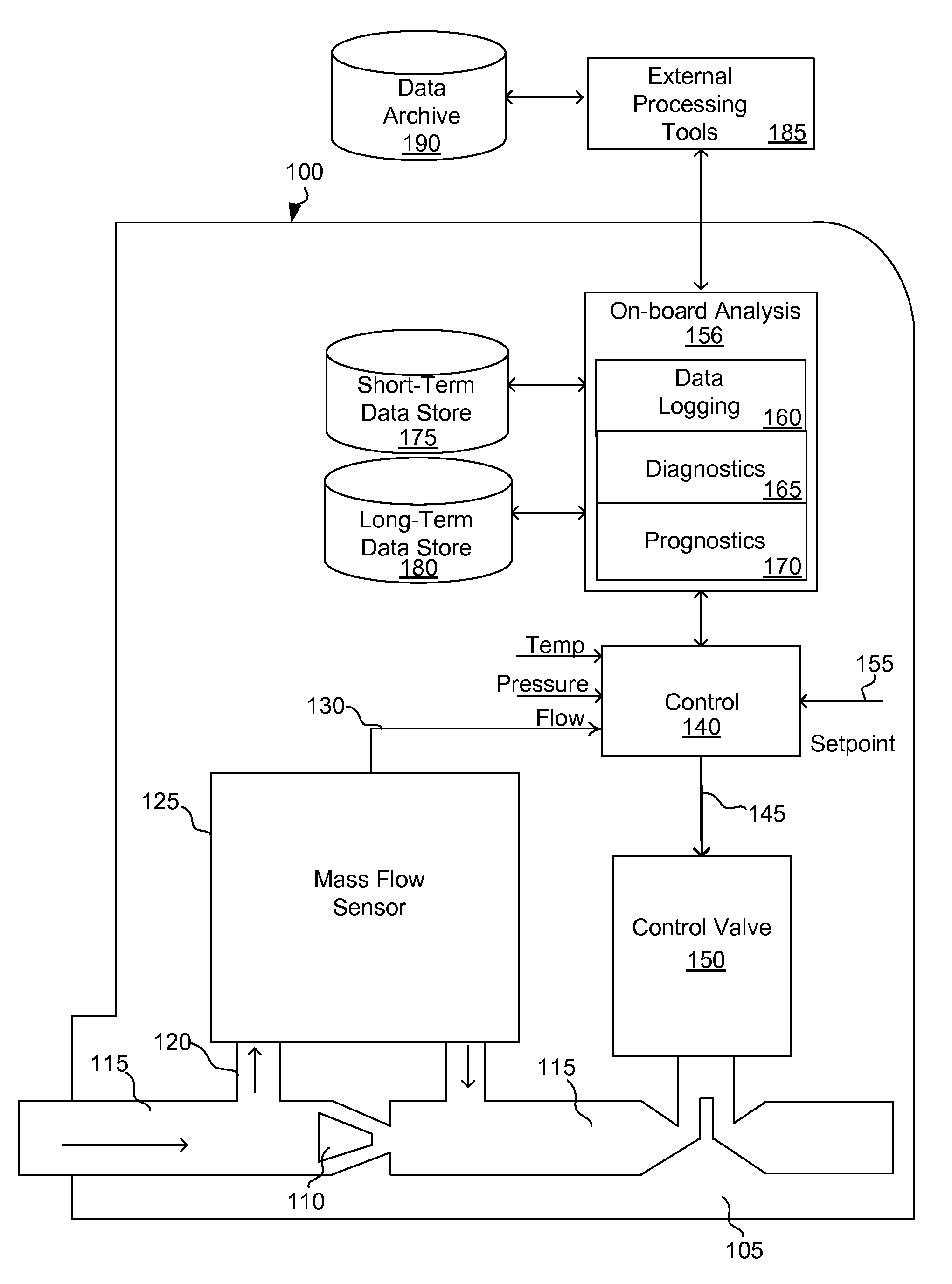
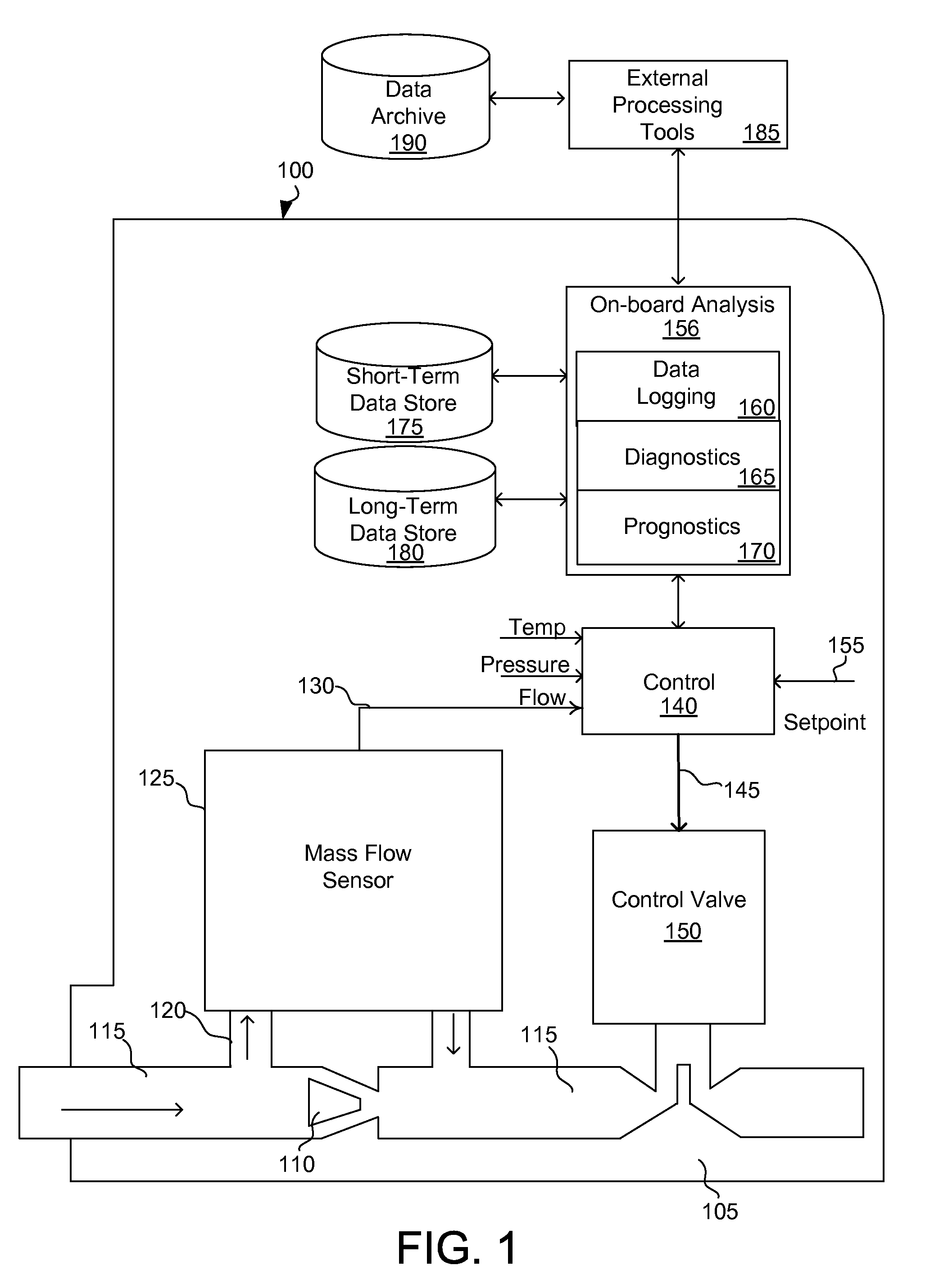
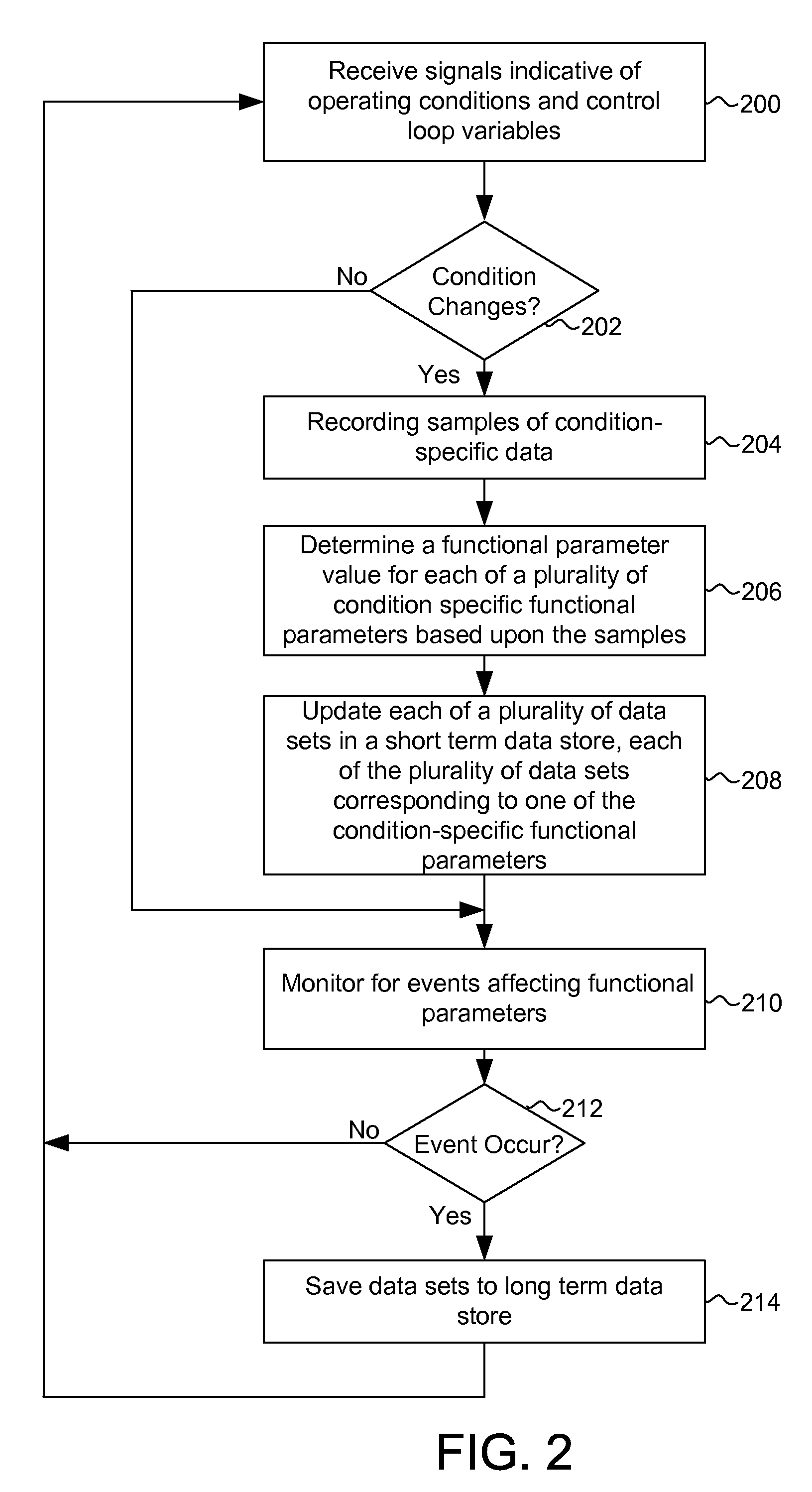
- A mass flow controller with an on-board data logging and diagnostic system that monitors operating conditions, records snapshots of data, determines functional parameter values, and updates statistical values to diagnose failures and predict potential issues, reducing the need for costly field service and enabling proactive maintenance.

Data Security and Privacy in Industrial Flow Systems
Data security and privacy concerns in industrial flow measurement systems have become increasingly critical as these systems transition from isolated operational technology environments to interconnected industrial IoT ecosystems. The convergence of operational technology with information technology networks has expanded the attack surface, exposing sensitive flow measurement data to potential cyber threats. Industrial flow systems now face sophisticated security challenges including unauthorized access attempts, data interception during transmission, and potential manipulation of measurement records that could compromise operational integrity.
The regulatory landscape surrounding industrial data protection has evolved significantly, with frameworks such as the Industrial Control Systems Cyber Emergency Response Team guidelines and sector-specific regulations mandating enhanced security measures. These regulations particularly emphasize the protection of critical infrastructure data, including flow measurement records that may reveal operational patterns, production capacities, and strategic business information. Compliance requirements now extend beyond basic data protection to encompass comprehensive cybersecurity frameworks that address both data confidentiality and system availability.
Contemporary industrial flow systems implement multi-layered security architectures incorporating network segmentation, encrypted communication protocols, and role-based access controls. Advanced authentication mechanisms, including multi-factor authentication and certificate-based device identification, have become standard practices for securing data logging interfaces. Real-time monitoring systems continuously assess network traffic patterns and data access behaviors to detect potential security anomalies or unauthorized data extraction attempts.
Privacy protection mechanisms in industrial environments focus on data anonymization techniques and selective data sharing protocols that preserve operational insights while protecting sensitive information. Modern systems employ differential privacy algorithms and data masking technologies to enable analytics and reporting without exposing granular operational details. Edge computing implementations further enhance privacy by processing sensitive flow data locally, transmitting only aggregated or anonymized results to centralized systems.
Emerging security challenges include the integration of artificial intelligence-driven threat detection systems and the implementation of zero-trust security models specifically designed for industrial environments. These advanced approaches recognize that traditional perimeter-based security models are insufficient for modern interconnected industrial systems, requiring continuous verification and validation of all data access requests and system interactions.
The regulatory landscape surrounding industrial data protection has evolved significantly, with frameworks such as the Industrial Control Systems Cyber Emergency Response Team guidelines and sector-specific regulations mandating enhanced security measures. These regulations particularly emphasize the protection of critical infrastructure data, including flow measurement records that may reveal operational patterns, production capacities, and strategic business information. Compliance requirements now extend beyond basic data protection to encompass comprehensive cybersecurity frameworks that address both data confidentiality and system availability.
Contemporary industrial flow systems implement multi-layered security architectures incorporating network segmentation, encrypted communication protocols, and role-based access controls. Advanced authentication mechanisms, including multi-factor authentication and certificate-based device identification, have become standard practices for securing data logging interfaces. Real-time monitoring systems continuously assess network traffic patterns and data access behaviors to detect potential security anomalies or unauthorized data extraction attempts.
Privacy protection mechanisms in industrial environments focus on data anonymization techniques and selective data sharing protocols that preserve operational insights while protecting sensitive information. Modern systems employ differential privacy algorithms and data masking technologies to enable analytics and reporting without exposing granular operational details. Edge computing implementations further enhance privacy by processing sensitive flow data locally, transmitting only aggregated or anonymized results to centralized systems.
Emerging security challenges include the integration of artificial intelligence-driven threat detection systems and the implementation of zero-trust security models specifically designed for industrial environments. These advanced approaches recognize that traditional perimeter-based security models are insufficient for modern interconnected industrial systems, requiring continuous verification and validation of all data access requests and system interactions.
Standardization and Compliance in Flow Data Management
Standardization and compliance in flow data management represent critical foundations for ensuring data integrity, interoperability, and regulatory adherence across continuous flow measurement systems. The establishment of unified standards enables seamless data exchange between different measurement devices, software platforms, and organizational systems while maintaining consistent data quality and format specifications.
International standards such as ISO 5167 for differential pressure flow measurement, ASME MFC-3M for orifice plate specifications, and IEC 61508 for functional safety requirements provide comprehensive frameworks for flow data collection and management. These standards define essential parameters including measurement uncertainty requirements, calibration procedures, data sampling rates, and documentation protocols that ensure consistent implementation across diverse industrial applications.
Regulatory compliance varies significantly across industries, with pharmaceutical manufacturing adhering to FDA 21 CFR Part 11 requirements for electronic records, while oil and gas operations must comply with API standards and environmental regulations. Water utilities follow EPA guidelines for flow monitoring, and chemical processing facilities operate under OSHA and environmental protection standards that mandate specific data retention periods and audit trail requirements.
Data format standardization has evolved toward adopting common protocols such as OPC-UA for industrial communication, HART protocol for field device integration, and standardized file formats like CSV and XML for data exchange. These protocols ensure that flow measurement data can be effectively integrated into enterprise resource planning systems, historian databases, and regulatory reporting platforms without compatibility issues.
Compliance frameworks typically require comprehensive documentation including calibration certificates, measurement uncertainty calculations, system validation records, and change control procedures. Modern flow measurement systems increasingly incorporate automated compliance features such as digital signatures, timestamp verification, and audit trail generation to meet stringent regulatory requirements while reducing manual documentation burdens and potential human errors in compliance processes.
International standards such as ISO 5167 for differential pressure flow measurement, ASME MFC-3M for orifice plate specifications, and IEC 61508 for functional safety requirements provide comprehensive frameworks for flow data collection and management. These standards define essential parameters including measurement uncertainty requirements, calibration procedures, data sampling rates, and documentation protocols that ensure consistent implementation across diverse industrial applications.
Regulatory compliance varies significantly across industries, with pharmaceutical manufacturing adhering to FDA 21 CFR Part 11 requirements for electronic records, while oil and gas operations must comply with API standards and environmental regulations. Water utilities follow EPA guidelines for flow monitoring, and chemical processing facilities operate under OSHA and environmental protection standards that mandate specific data retention periods and audit trail requirements.
Data format standardization has evolved toward adopting common protocols such as OPC-UA for industrial communication, HART protocol for field device integration, and standardized file formats like CSV and XML for data exchange. These protocols ensure that flow measurement data can be effectively integrated into enterprise resource planning systems, historian databases, and regulatory reporting platforms without compatibility issues.
Compliance frameworks typically require comprehensive documentation including calibration certificates, measurement uncertainty calculations, system validation records, and change control procedures. Modern flow measurement systems increasingly incorporate automated compliance features such as digital signatures, timestamp verification, and audit trail generation to meet stringent regulatory requirements while reducing manual documentation burdens and potential human errors in compliance processes.
Unlock deeper insights with Patsnap Eureka Quick Research — get a full tech report to explore trends and direct your research. Try now!
Generate Your Research Report Instantly with AI Agent
Supercharge your innovation with Patsnap Eureka AI Agent Platform!